
The Hirschsprung Collection
Art museum in Østre Anlæg
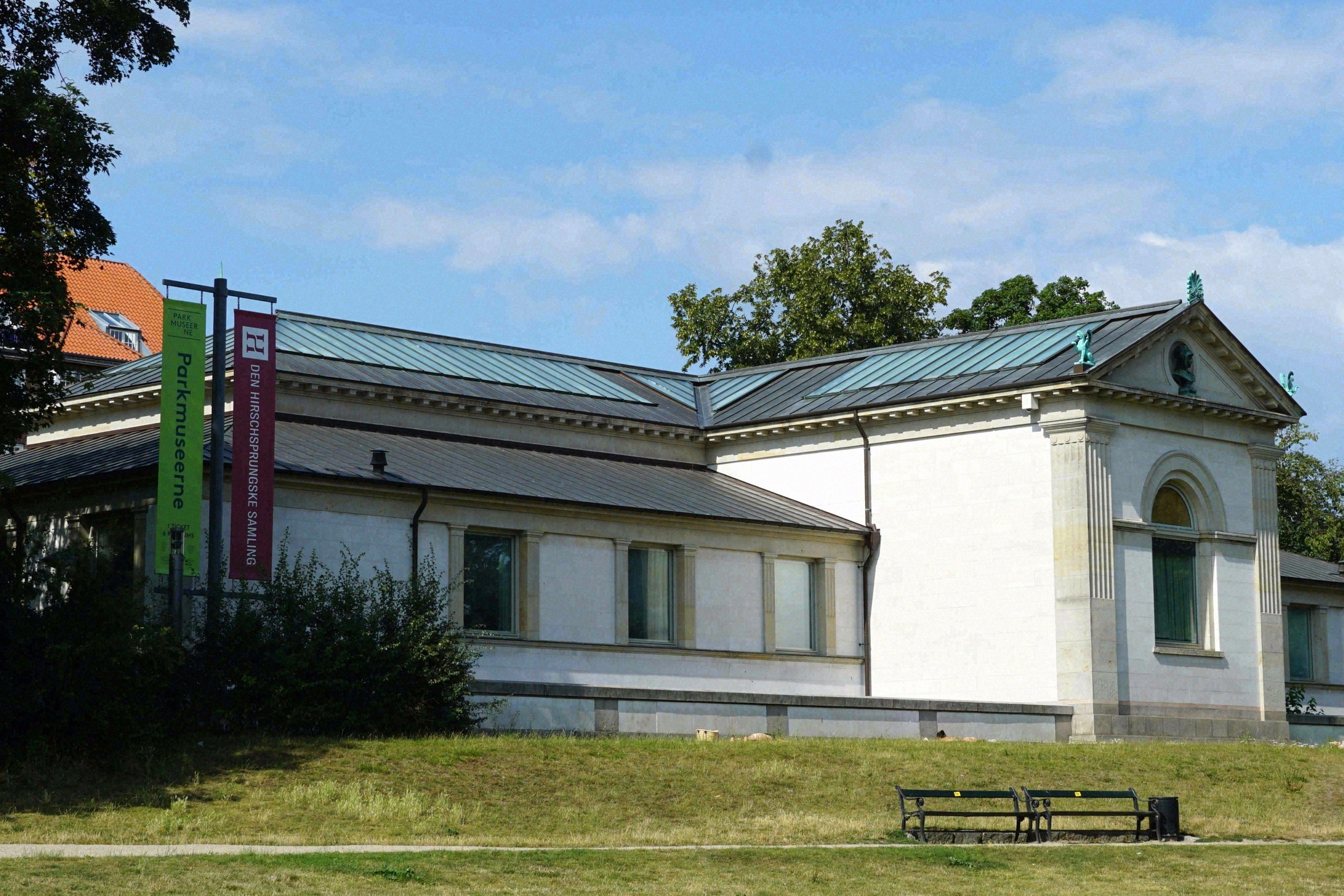
A purpose-built house for Heinrich Hirschsprung's collection of 19th-century Danish art, the Golden Age, the Skagen painters and Hammershøi, next to SMK.
Contents
A collector's museum in the park
The Hirschsprung Collection is a small, self-contained art museum built specifically to house the private collection of tobacco manufacturer Heinrich Hirschsprung (1836-1908) and his wife Pauline. It sits in Østre Anlæg park in Indre By (the city centre), just a short walk from SMK, Denmark's national gallery. Compared with that large national collection, this is an intimate house you can take in unhurried over a single morning.
Unlike a museum built up over generations, the collection reflects the eye of one couple: exclusively Danish art from the 19th and early 20th centuries, densely and personally hung. If you're drawn to the Golden Age and the Skagen painters, this is one of the most concentrated collections in the city.
What to expect
The museum displays more than 700 works. Two focal points define the house: the Danish Golden Age and the Modern Breakthrough with the Skagen painters. Key names include:
- C.W. Eckersberg and Christen Købke, the central figures of the Golden Age.
- P.S. Krøyer and Anna Ancher, whose beach scenes made the Skagen school famous.
- Vilhelm Hammershøi, whose quiet, grey-toned interiors bring a distinct mood to the collection.
The 1902 deed of gift listed 313 works; considerably more are on display today. The rooms are compact and the route is short, a house you experience in an hour to ninety minutes rather than work through.
History of the house
Starting in 1866, the Hirschsprung couple spent roughly four decades assembling a collection of Danish art. In 1900 they signed a deed of gift, and in 1902 the donation to the Danish state was made public. Heinrich Hirschsprung died in 1908 and never saw the museum open: designed in the neoclassical style by architect H.B. Storck, it opened on 8 July 1911 in Østre Anlæg park. It ranks among Copenhagen's oldest dedicated art museums and remains a textbook example of a "collector's museum", a house that preserves the taste of a single patron.
Visiting & practicalities
Allow an hour to ninety minutes. It's quietest on weekday mornings; on the last Thursday of each month the museum stays open until 20:00 as part of the Hirschsprung LATE series.
- Open Tuesday to Sunday 10:00-17:00, closed on Mondays.
- Adults 110 DKK, under 29 (plus one companion under 29) 75 DKK, under 18 free.
- With the Copenhagen Card you get a discount on admission; the Parkmuseerne combi-ticket (six museums, 345 DKK) includes the house.
- The museum is fully wheelchair accessible: access is to the right of the main entrance, with disabled parking on Stockholmsgade and free entry for companions.
- There's no in-house café, but ticket holders get a 10 percent discount at the nearby Restaurant Under Uret and Café Marzano, both about a two-minute walk away. On site you'll find a museum shop and bookable guided tours.
- Photography without flash is generally allowed; temporary exhibitions may carry restrictions.
Getting there & combining your visit
The address is Stockholmsgade 20, 2100 København Ø. Bus routes 6A, 150S, 184 and 185 stop nearby; by S-train, metro or regional train, get off at Østerport or Nørreport and walk through the park from there.
Right next door is Statens Museum for Kunst (SMK), which combines well with the Hirschsprung Collection via the Parkmuseerne ticket for a full art-focused outing. Within walking distance you'll also find Rosenborg Castle and Kongens Have. For planning the rest of your trip, see the guide to Copenhagen's top attractions and the Copenhagen Card.
Frequently asked questions
What can you see at the Hirschsprung Collection? +
How much does admission cost? +
What are the opening hours? +
Can you combine the visit with SMK? +
Nearby
SMK
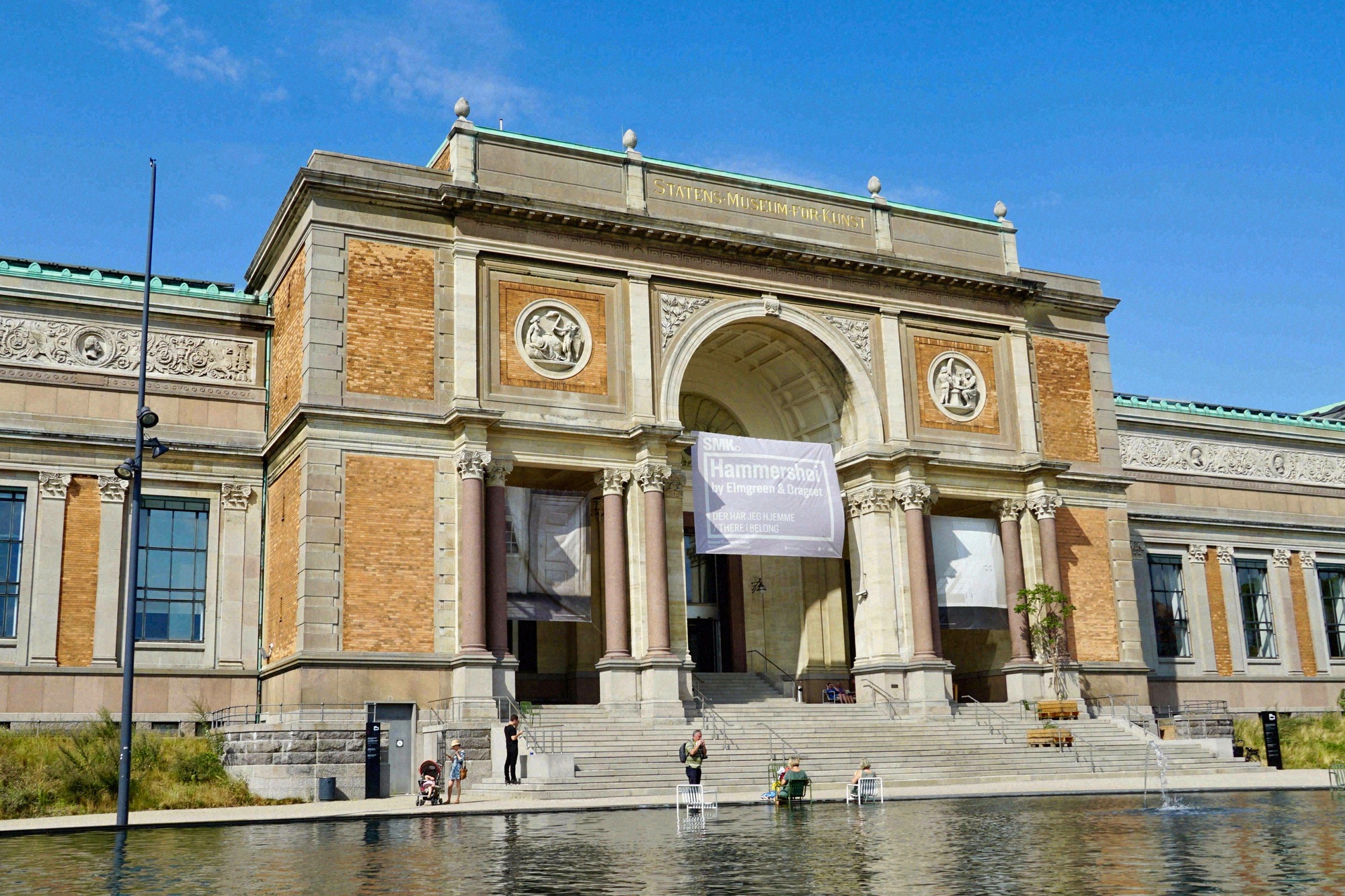
The Statens Museum for Kunst (SMK) is Denmark's national gallery, spanning seven centuries of art, from the Golden Age to Hammershøi, Matisse and Picasso.
Rosenborg Castle
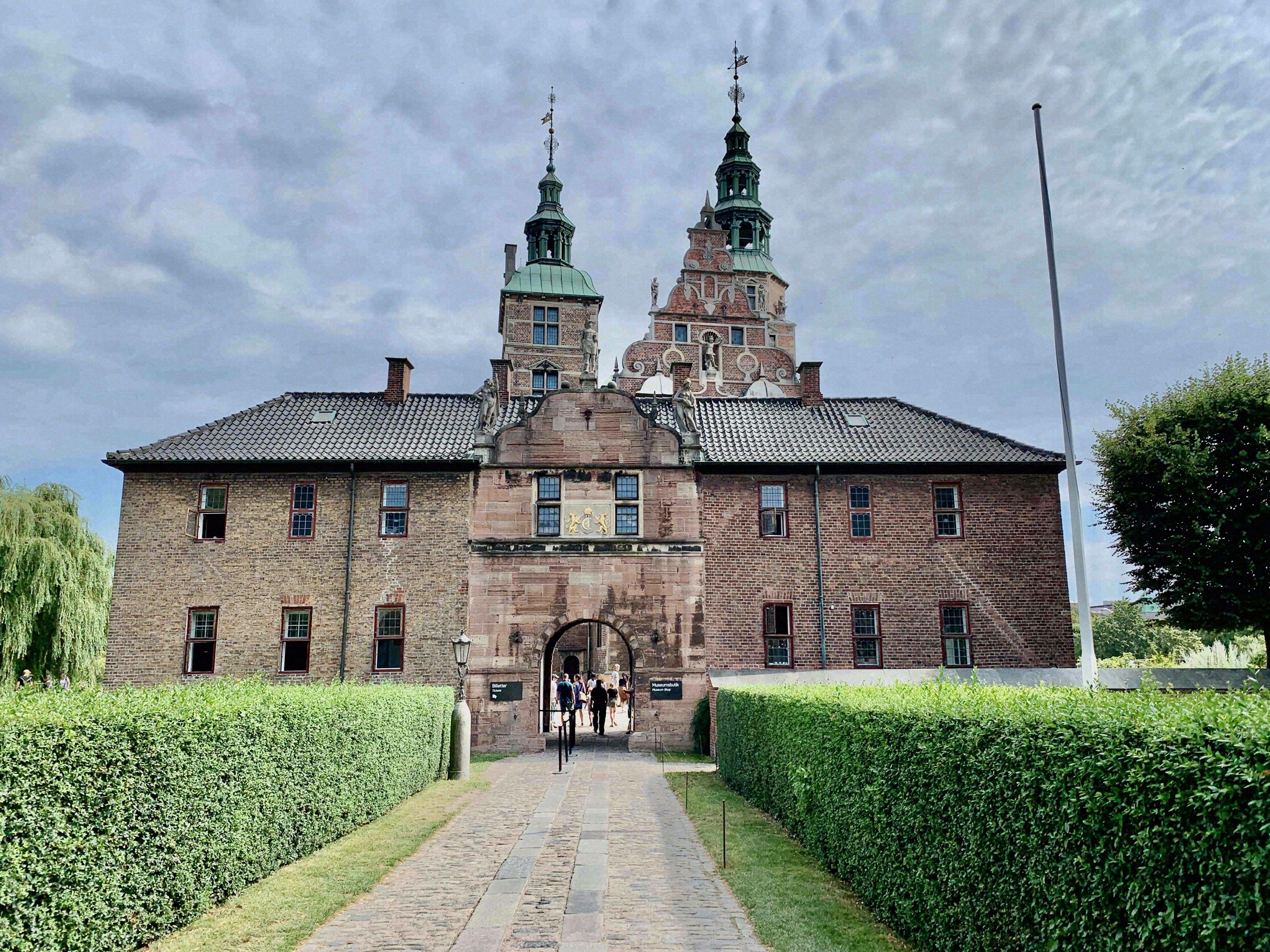
Rosenborg Slot, Christian IV's Renaissance pleasure palace, keeps the Danish Crown Jewels in its treasury, plus the Knights' Hall, set in the Kongens Have park.
Kongens Have
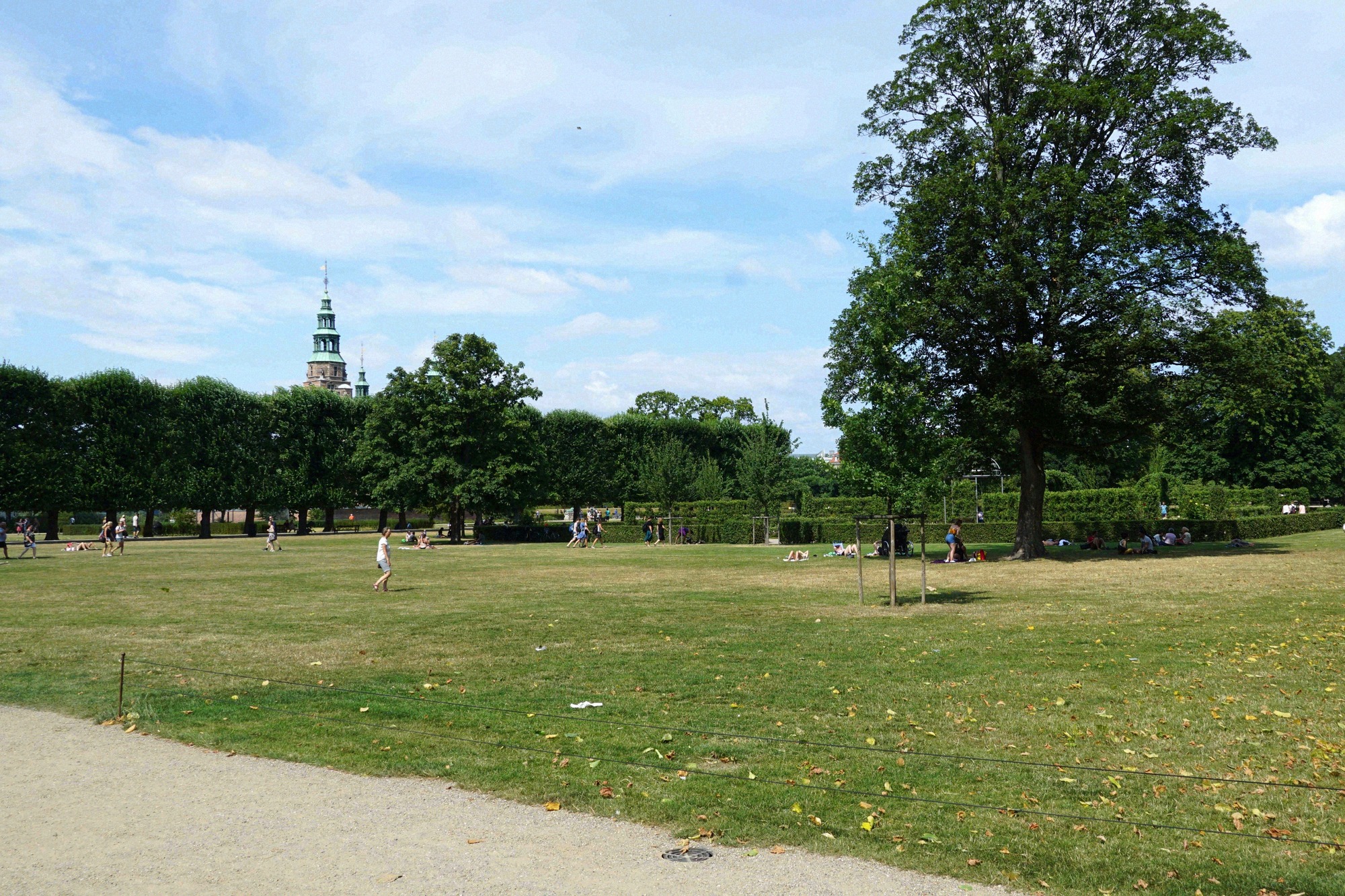
Kongens Have is Copenhagen's oldest and most-visited park, laid out in 1606 by Christian IV. Rose garden, lime avenues and a puppet theatre around Rosenborg Castle.
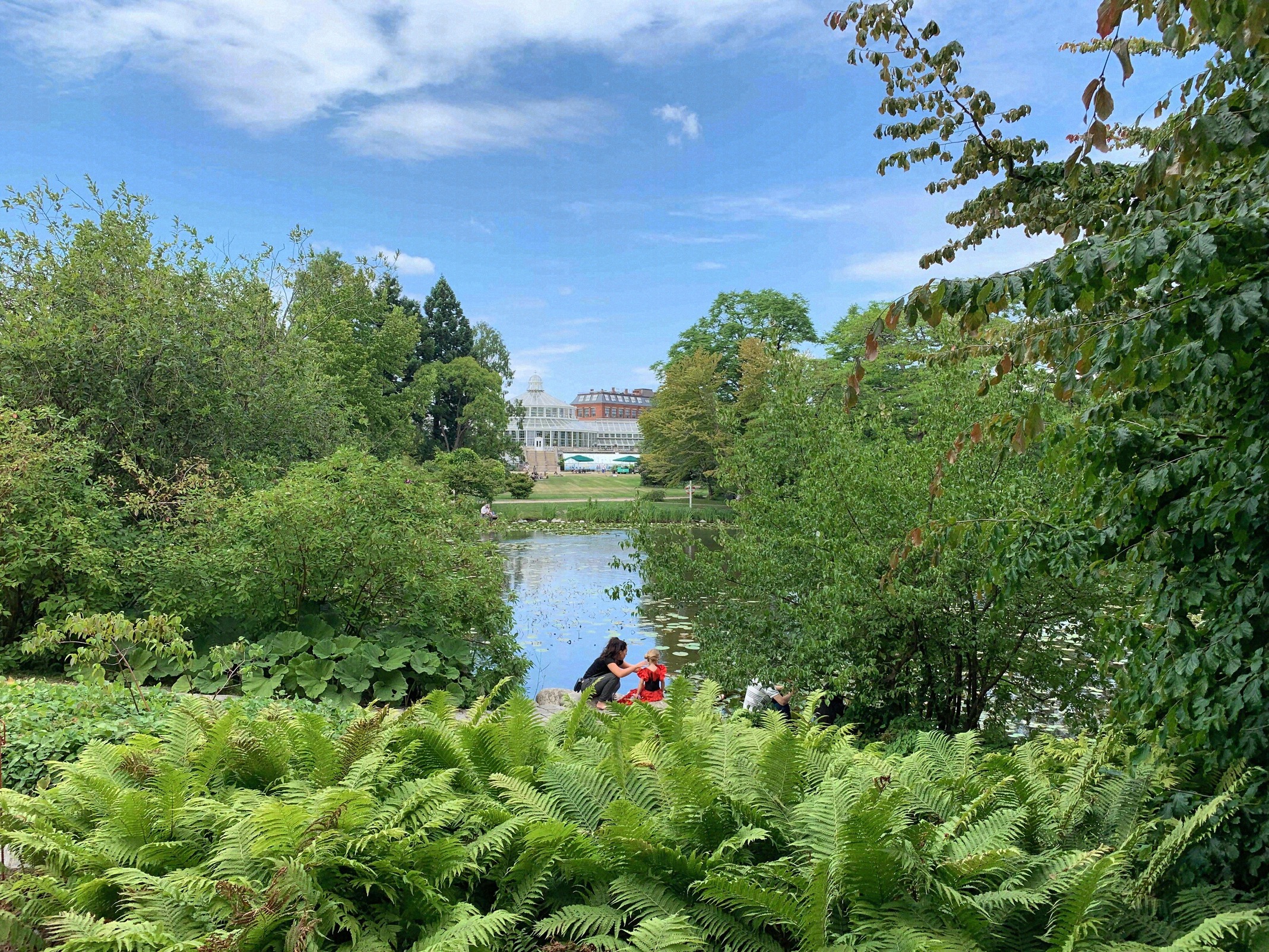
Botanical Garden
Botanisk Have, the University of Copenhagen's free garden at Nørreport, with a lake landscape, glasshouses and the historic glass-and-steel Palm House.
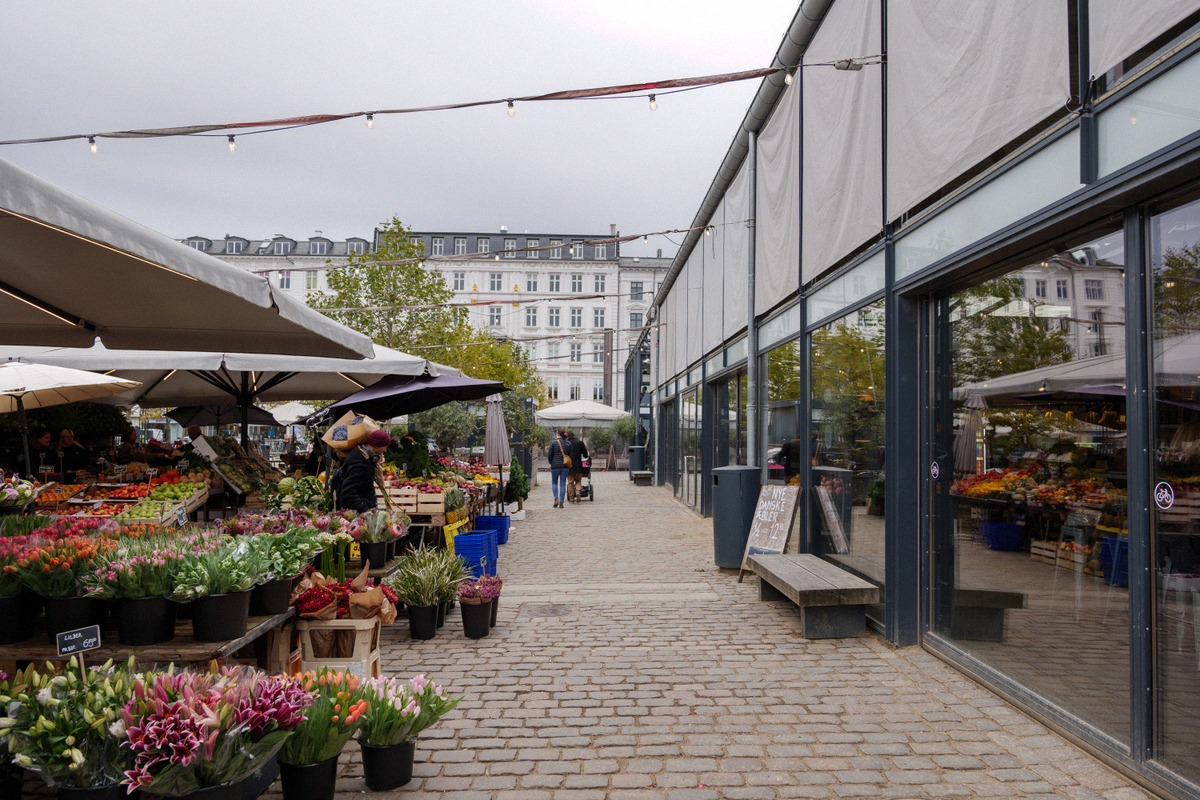
Torvehallerne
Two glass-roofed market halls on Israels Plads with over 60 stalls, smørrebrød, specialty coffee, tacos, chocolate and fresh produce - Copenhagen's foodie hub near Nørreport.
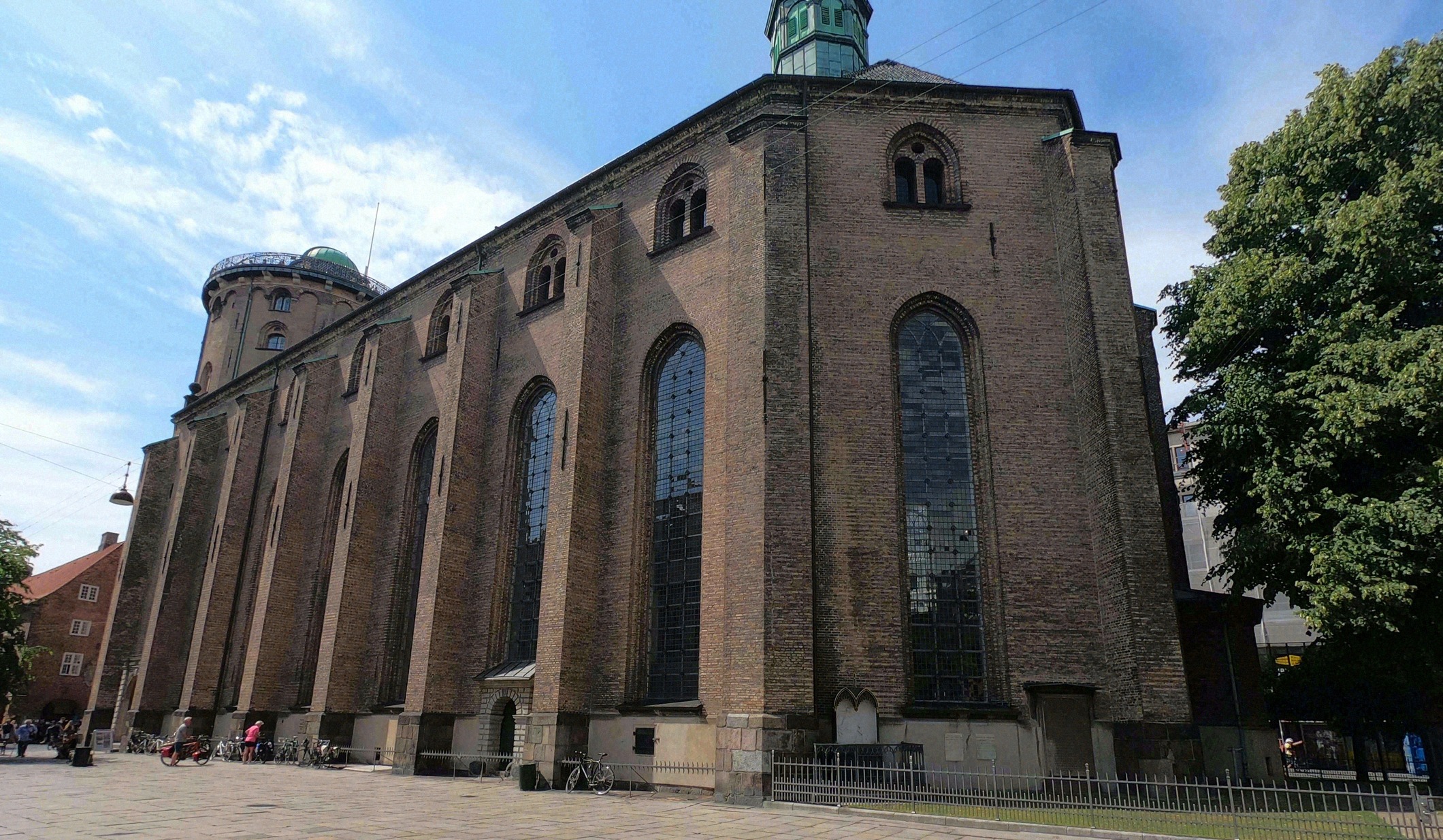
Trinitatis Kirke
University church of Christian IV in the old town, physically joined to the Round Tower. Bright interior, active music programme, free admission.