
Kongens Have
Royal park with baroque avenues and the Krumspringet garden
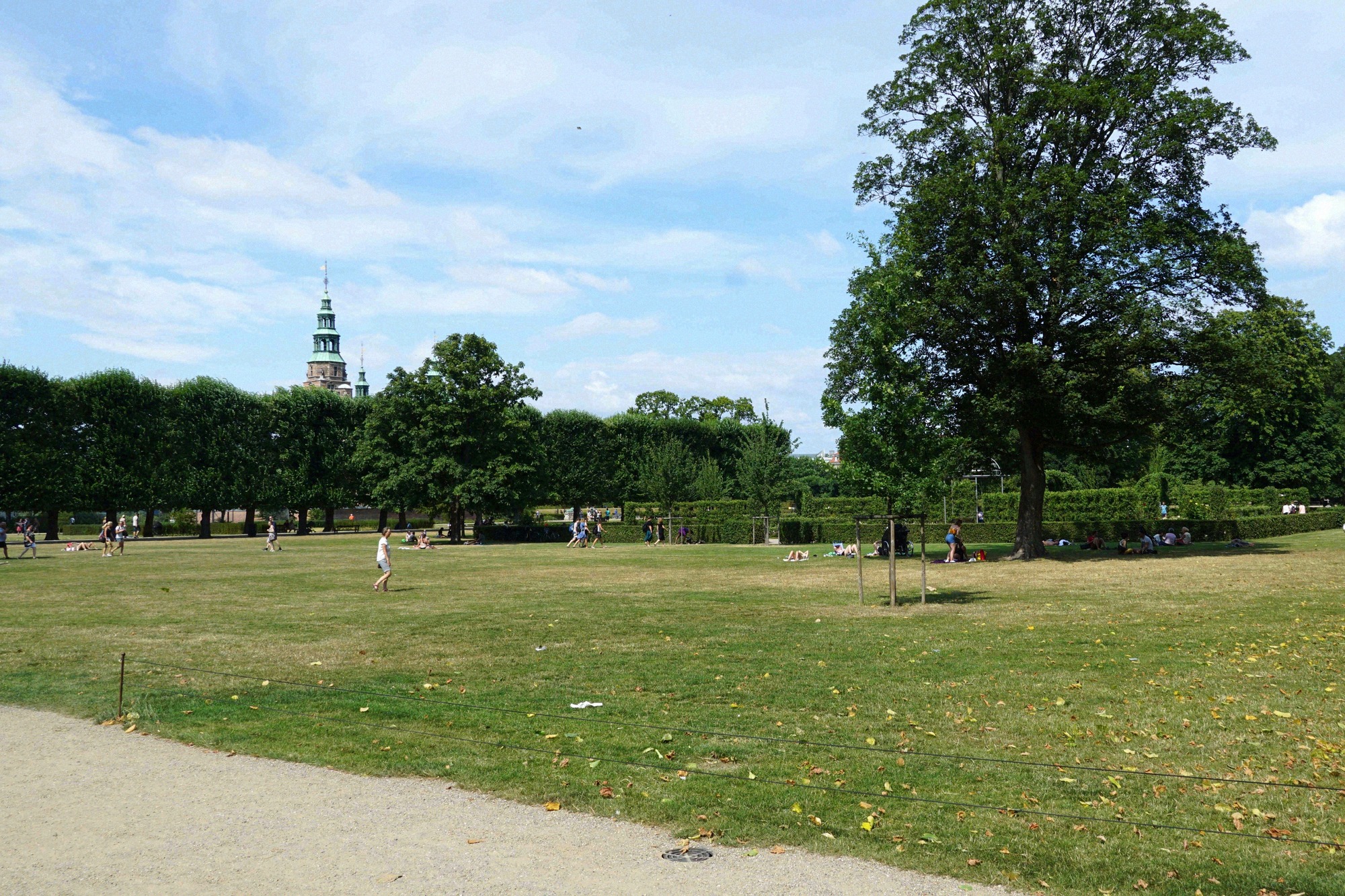
Kongens Have is a free public park around Rosenborg Castle, laid out from 1606 for Christian IV, with two diagonal lime avenues, the Krumspringet garden and statues from Andersen to Hørup.
Contents
No ticket for the park
You walk into Kongens Have, the King's Garden, without paying or booking, and Nørreport station lies right beside it. Tickets for Rosenborg Castle are sold in time slots and are valid only for the castle, not for the park. The park keeps its own opening hours, whatever the castle does. The Botanical Garden borders the park, so you can combine the two: from there, walk into the north-western part of the park to reach the castle.
A kitchen garden before the ramparts, 1606 to 1710
In 1606 Christian IV bought land in front of the north-eastern fortifications of Copenhagen, built what became Rosenborg Castle there and laid out a garden. It was meant to supply the court at Copenhagen Castle with fruit, vegetables and flowers and also to serve as the king's pleasure garden. In 1634 Charles Ogier compared it with the Tuileries in Paris. The plan by Otto Heider of 1649 is the oldest dated garden plan in Denmark, and a plan of 1669 shows a baroque maze leading to an octagonal summer house.
Around 1710 the royal family left the castle and the garden became public. Johan Cornelius Krieger, orangery gardener from 1711 and head gardener from 1721, redesigned it in the baroque style. The two diagonal lime avenues, Kavalergangen and Damegangen, date from his time. The other paths go back to Christian IV and divide the park into square fields, and several are lined with lime avenues from the middle of the 17th century. Today the park covers about 12 hectares. The agency Slots- og Kulturstyrelsen manages it.
Gates, pavilions and the iron fence
The King's Gate and the Queen's Gate lead into the park, and the castle stands in its north-western part. At the end of the Kavalergangen is the Hercules Pavilion, with statues of Hercules and of Orpheus and Eurydice by Giovanni Baratta, which Frederik IV acquired. The Rosenborg Barracks began as an orangery in 1709 and were rebuilt in 1743; the Royal Life Guards were stationed there between 1885/86 and 1985. The Commandant's House by Jacob Fortling (1760-63) stands at the edge.
On Kronprinsessegade a wrought-iron fence designed by Peter Meyn in 1806 marks the boundary of the park. Small shop pavilions stand between its bars, and the last of them were added in 1920.
Roses, trellises and marble balls
Next to the Krumspringet, a rose garden and a perennial garden lie along Sølvgade. A small pleasure-garden plot with plants from the time of Christian IV is one of the restored Renaissance elements.
On the Matzen lawn stand 17 marble balls, documented since at least 1783.
Statues from horse and lion to Hørup
Little of the first garden survives, but a few sculptures date from the 17th century. Peter Husum received the commission for the bronze group of the horse and lion in 1617 and finished it in 1625; in 1643 it was temporarily taken to Glückstadt. The Andersen statue by August Saabye dates from 1880, and the statue of Queen Caroline Amalie by Vilhelm Bissen from 1896. Jens Ferdinand Willumsen made the monument to Viggo Hørup around 1907. German occupiers blew it up in 1945, and it was recast after the war. Other works include "Echo" by Aksel Hansen (1888), "Little Gunver" by Stein, the stag group by Le Duc (1910) and the "Two Resting Lions".
Frequently asked questions
What is the Krumspringet? +
Where can children play in Kongens Have? +
Is Kongens Have the garden of Rosenborg Castle? +
Nearby
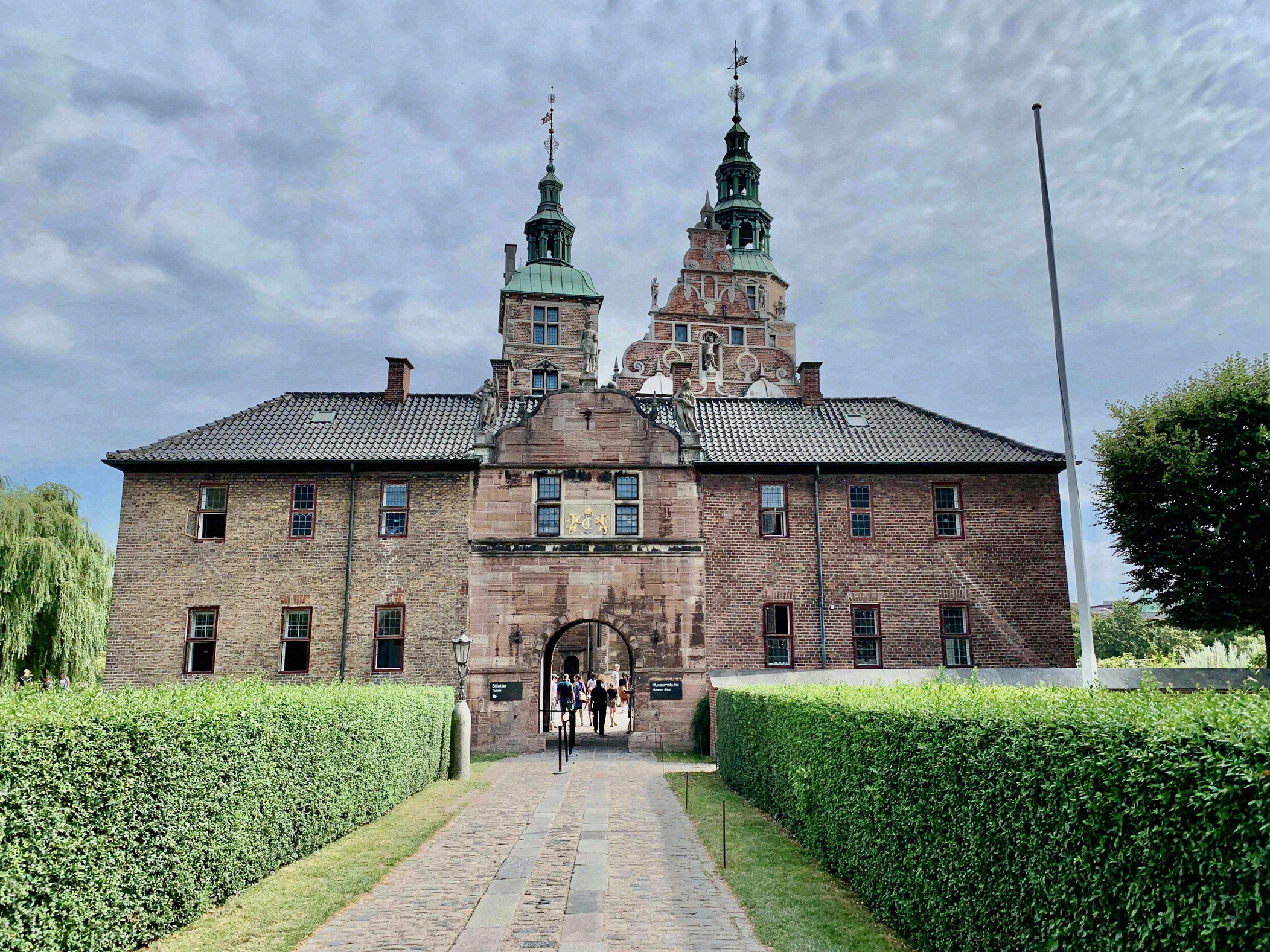
Rosenborg Castle
Rosenborg Castle holds the Danish Crown Jewels, the coronation chair of narwhal tusk and three silver lions. Tickets are for 10-minute time slots.
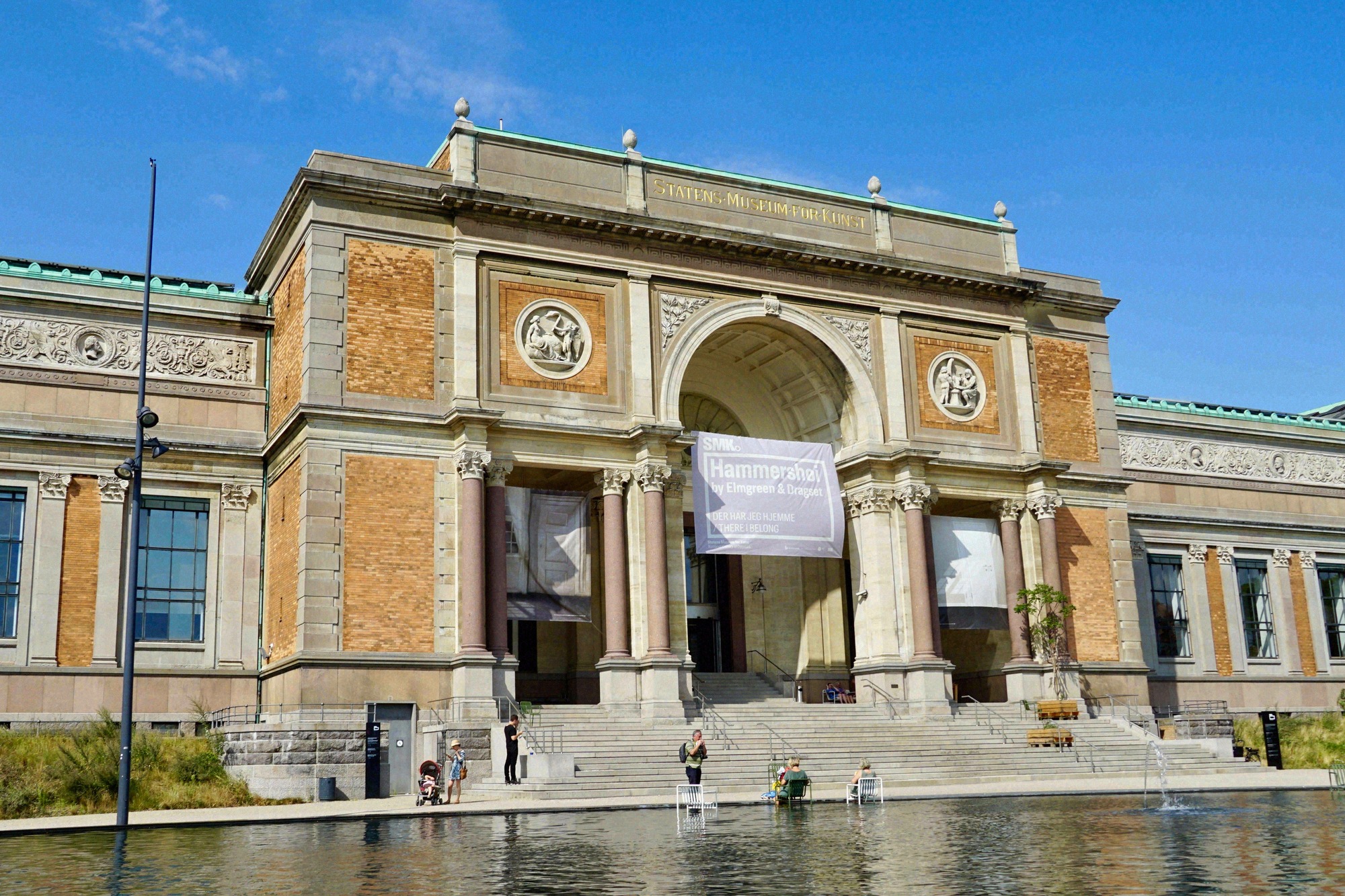
SMK - National Gallery of Denmark
SMK shows Danish art from 1750 to 1900 in 24 rooms, plus Matisse and art after 1900 in the white building. The Old Masters rooms are closed until autumn 2027.
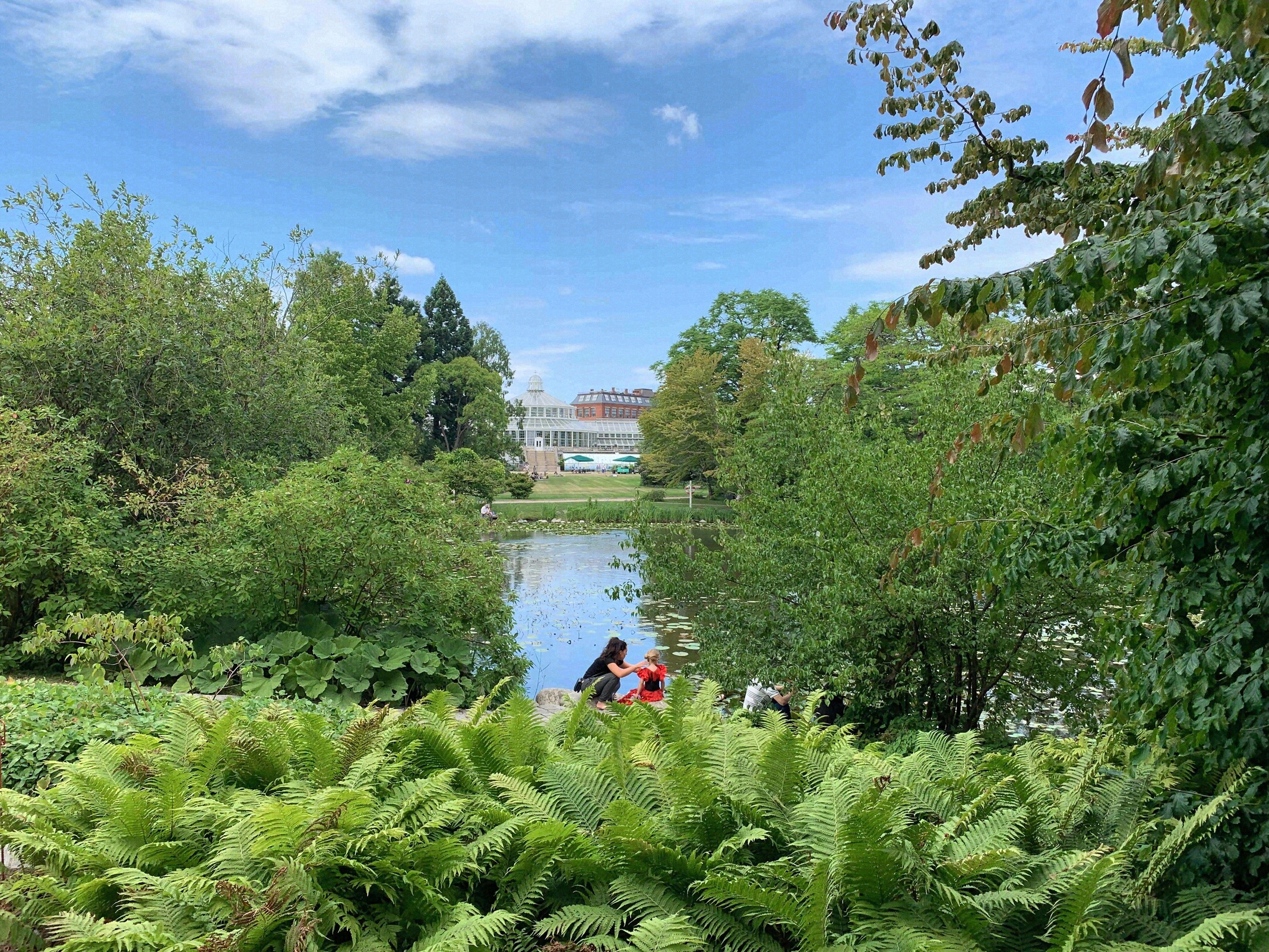
Botanical Garden
The Botanical Garden on Gothersgade is free. The Palm House of 1874 is 16 m high with a gallery, and its Dry Tropics section is closed for renovation.
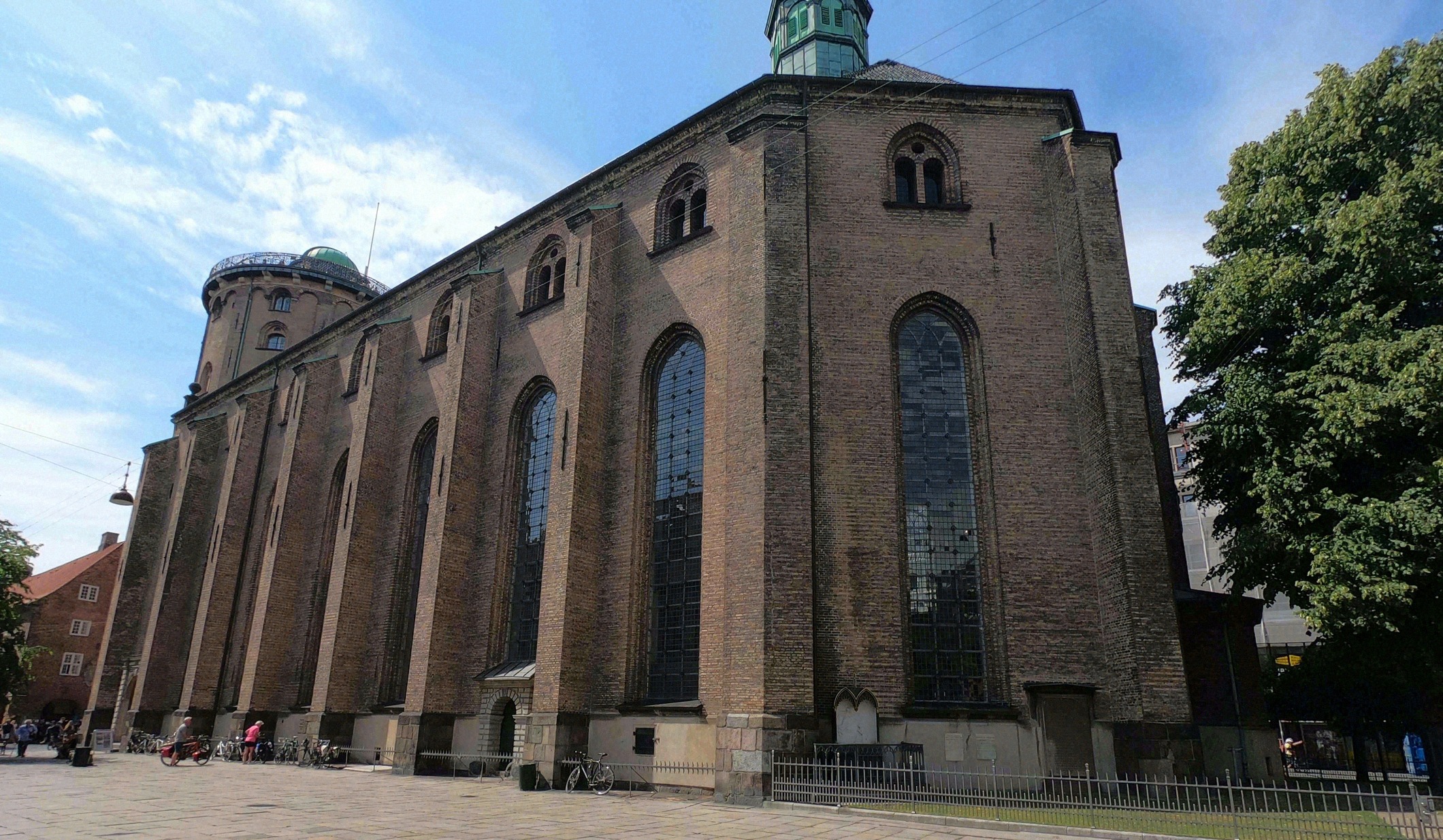
Trinitatis Kirke (Trinitatis Church)
Trinitatis Kirke was consecrated in 1656, burned out in 1728 and was refitted by 1732. It is free to enter, and there is a concert on Fridays at 16:30.
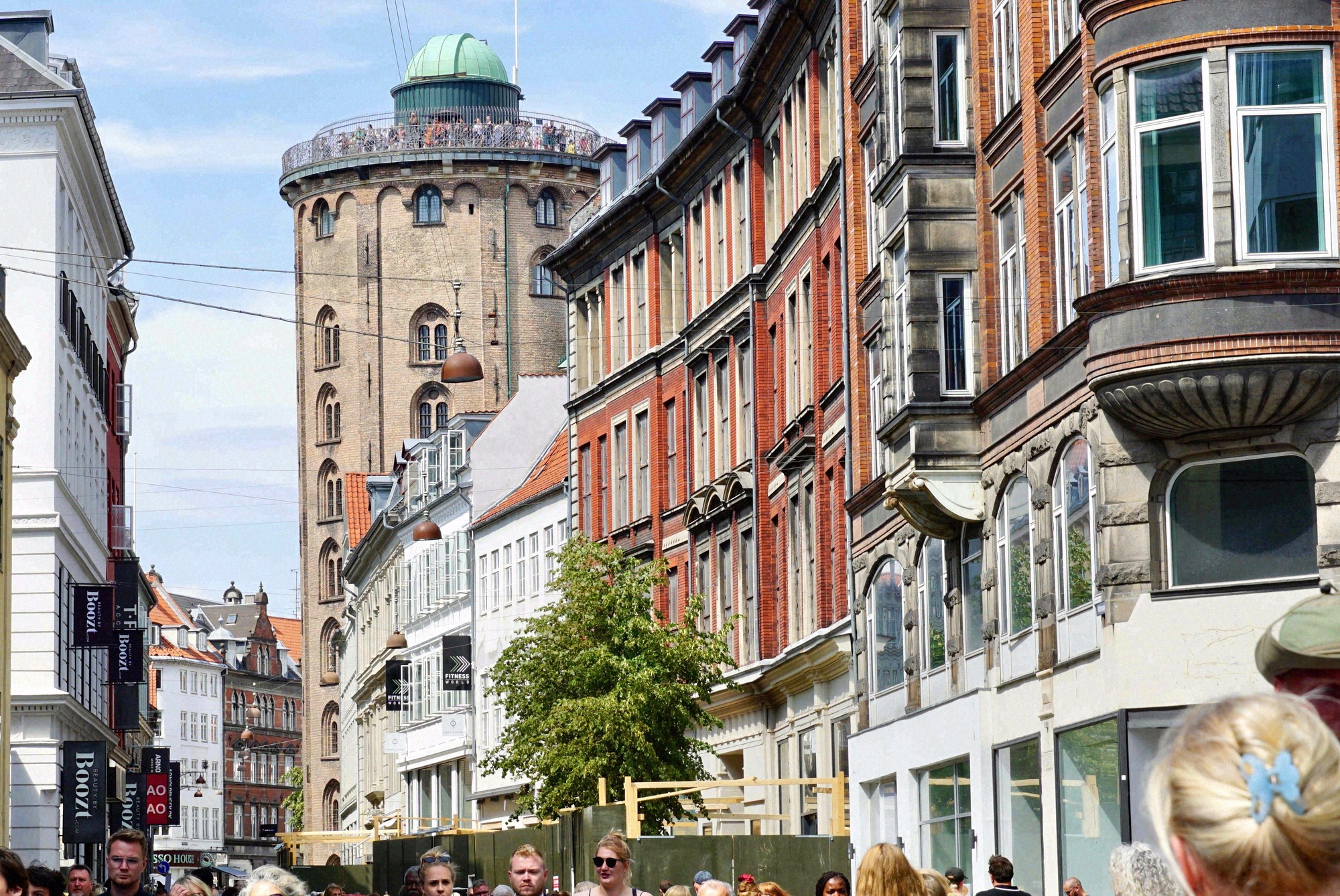
Round Tower (Rundetårn)
The Round Tower (Rundetårn) of 1642 has no staircase. A spiral ramp about 200 metres long leads almost to the platform, and the restored observatory sits at the top.
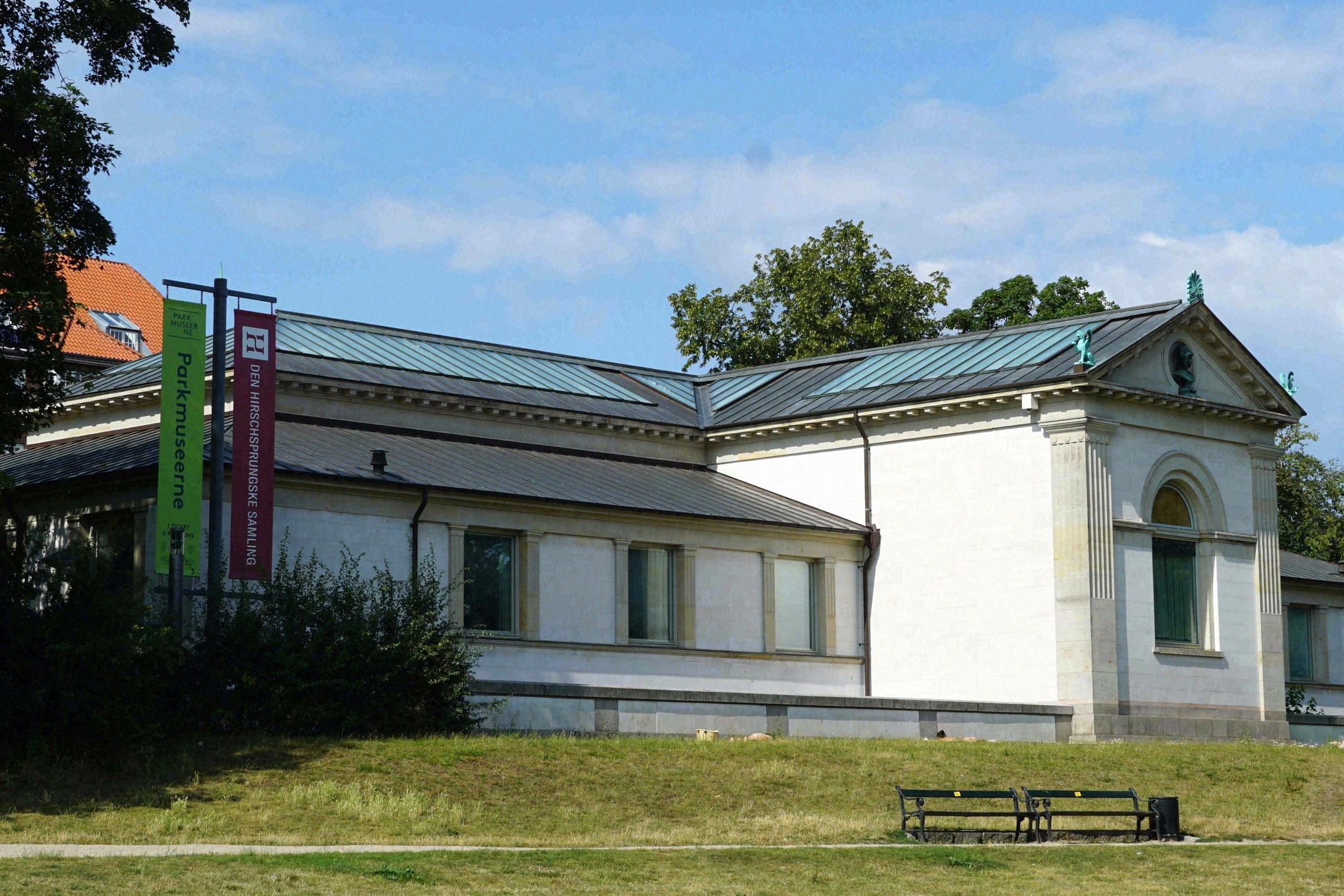
The Hirschsprung Collection
The tobacconist Heinrich Hirschsprung gave the state his Danish paintings. The museum of 1911 shows Krøyer, Anna and Michael Ancher and Hammershøi.