
Overview
Trip Planning for Copenhagen
How many days, which route, what costs what and does the Copenhagen Card pay off? The compact planning overview for your Copenhagen trip, with ready-made routes for 1 to 3 days.
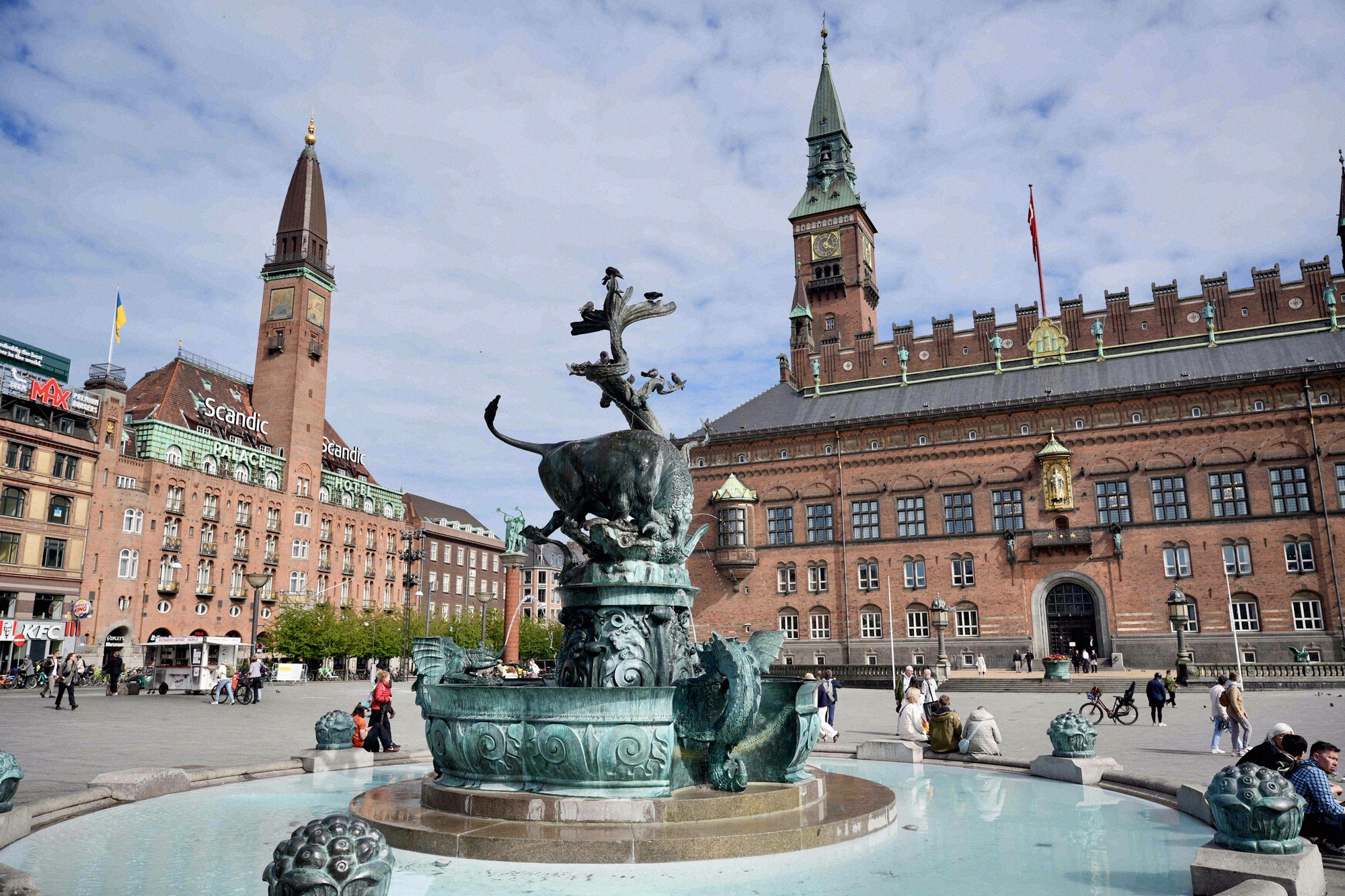
Copenhagen in 1 Day
The route for first-time visitors
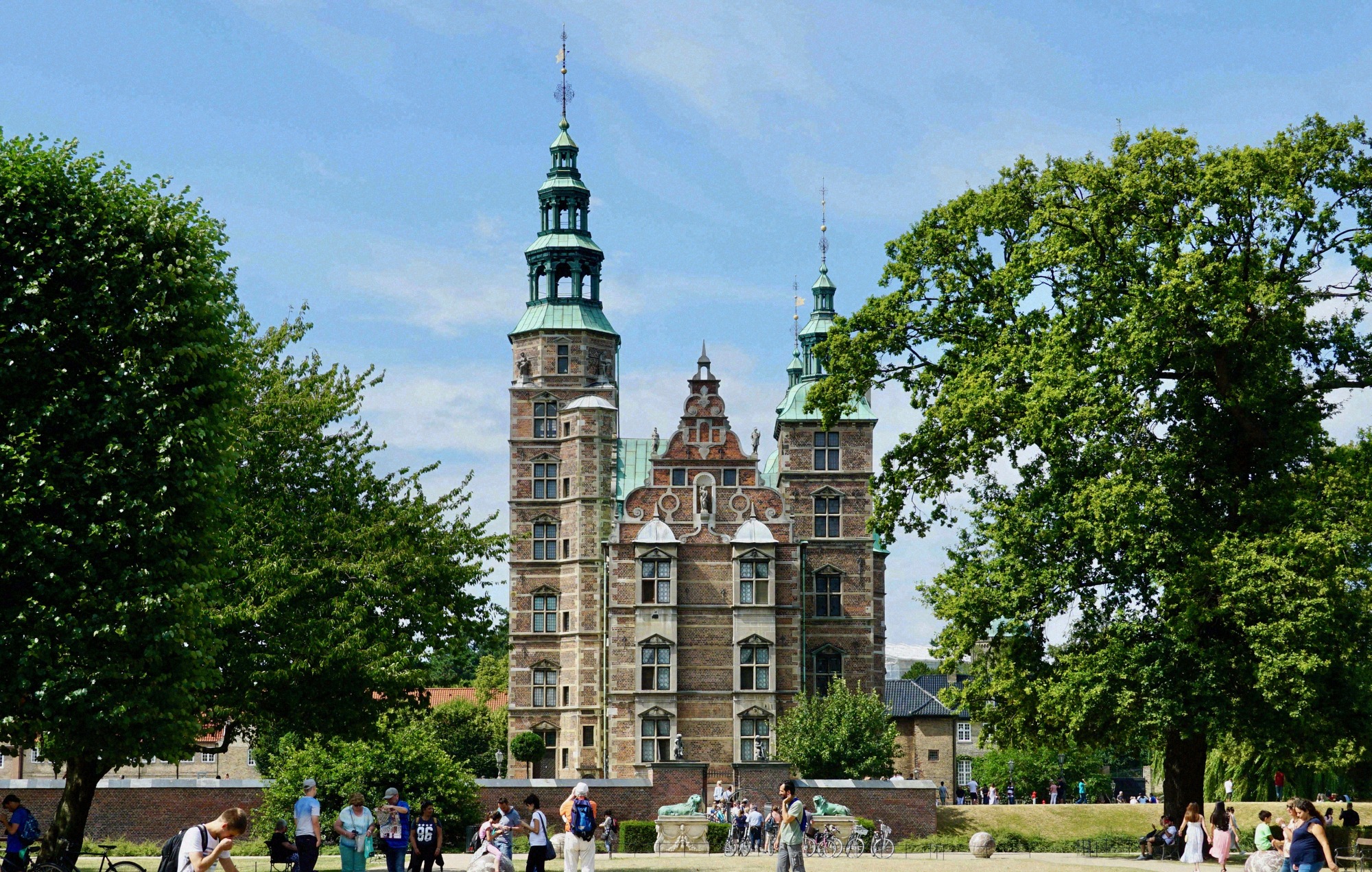
Copenhagen in 2 Days
The weekend route
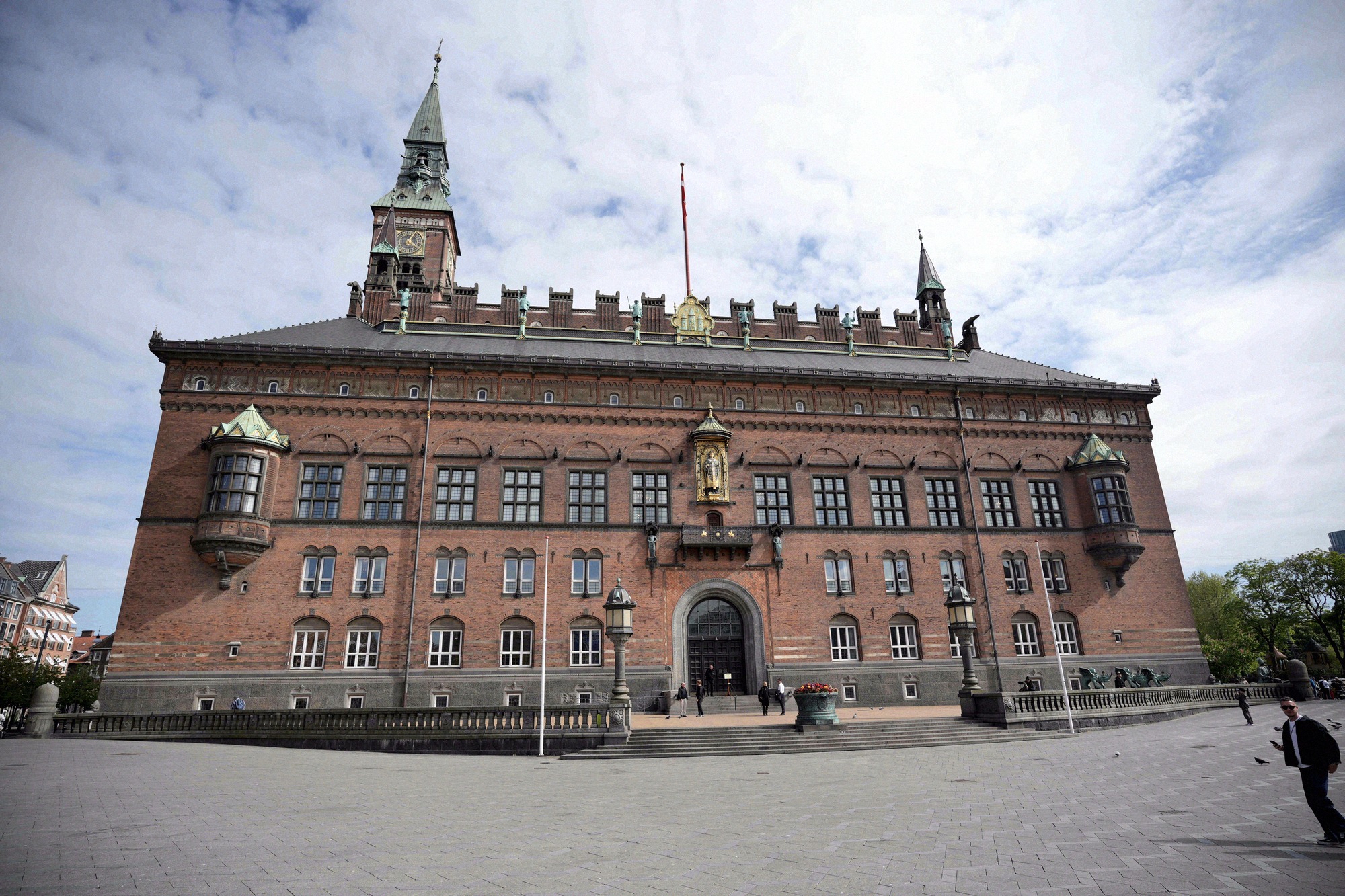
Copenhagen in 3 Days
A relaxed itinerary
Contents
Copenhagen is a delight to explore on foot: the old town, the royal Frederiksstaden and the harbour all sit close together. The key planning question isn't "what should I see?" but "how much admission will I be paying?", because many of the best-known spots are free, while museums and palaces together can quickly add up to several hundred kroner. Understanding that lets you plan your days and your budget accurately.
Route first, tickets second
Before booking individual tickets, it's worth looking at the whole route. We've put together three routes that build on each other: Copenhagen in 1 day bundles the landmarks from Nyhavn via Amalienborg and the Round Tower to an evening at Tivoli. Copenhagen in 2 days adds Christianshavn, Christiania and the major museums, and Copenhagen in 3 days tacks on a day for design or a day trip. The interactive map helps you place every stop. Start early in the day and you'll get through a lot even with limited time, since the distances are short.
Does the Copenhagen Card pay off?
The Copenhagen Card DISCOVER covers more than 80 attractions plus unlimited public transport (bus, train, metro, harbour bus, including the trip out to Kronborg/Helsingør). 2026 prices:
| Duration | Adults (16+) | Children 3-11 |
|---|---|---|
| 24 hours | 589 DKK | 100 DKK |
| 48 hours | 859 DKK | 140 DKK |
| 72 hours | 1,039 DKK | 180 DKK |
| 96 hours | 1,219 DKK | 220 DKK |
| 120 hours | 1,419 DKK | 260 DKK |
Up to two discounted children's cards are available per adult card. Included among others are Tivoli (garden admission only, rides extra), the Amalienborg Museum, Rosenborg, the National Museum of Denmark, SMK, the Designmuseum, the Glyptotek, the tower of the Church of Our Saviour (advance booking required) and the Stromma canal tour. Not included are the Round Tower (tickets on site only) and the cheap Netto-Bådene boats; the Hirschsprung Collection only grants a discount. Rule of thumb: the card pays off for a packed schedule with several admissions and plenty of travel between sights; for a single relaxed day, rarely..
What's free, and what costs admission
Copenhagen's strength for budget travellers: a great many highlights are free anyway. The harbour Nyhavn, the palace square at Amalienborg with its changing of the guard, The Little Mermaid, the shopping street Strøget, the free town of Christiania and the ramparts of Kastellet cost nothing. Also free are the market hall Torvehallerne, the Royal Library, the palace tower of Christiansborg, and the parks Kongens Have and the Botanical Garden (only the Palm House costs 70 DKK). Among the churches, the interiors of the Marble Church, Copenhagen Cathedral and Holmens Kirke are free.
Admission mainly applies if you go to museums and palaces or head up high. Online is usually around 10 percent cheaper than at the door: Amalienborg 125 DKK, Rosenborg 140 DKK, the National Museum of Denmark 135 DKK (150 DKK at the door, the former free admission was scrapped in 2016), the Glyptotek 135 DKK, SMK and the Designmuseum 140 DKK each; admission is free almost everywhere under 18. Tivoli uses dynamic day pricing from around 150 DKK depending on date and entry time (check the calendar on tivoli.dk for current prices), with rides extra. Towers and domes fall in between: the Round Tower 60 DKK (the observatory with its telescope is expected to stay closed for restoration until around October 2026), the climb up the Church of Our Saviour 70 DKK, the dome tour of the Marble Church 50 DKK, the latter only on Saturdays and Sundays at 13:30 with a maximum of 15 spots; individual dates are sometimes cancelled, so check marmorkirken.dk before your visit. Tickets for these three are sold on site only. For a canal tour from Nyhavn, Netto-Bådene is the cheapest option at around 60 to 80 DKK; with the Copenhagen Card you effectively ride the slightly pricier Stromma tour for free.
Frequently asked questions
Which sights in Copenhagen are free to visit? +
Many of the best-known spots don't charge admission at all: the harbour Nyhavn, the palace square at Amalienborg with the changing of the guard, The Little Mermaid, the shopping street Strøget, the free town of Christiania and the ramparts of Kastellet. The market hall Torvehallerne, the Royal Library, the tower of Christiansborg and the parks Kongens Have and the Botanical Garden are free too. As for churches, the interiors of the Marble Church, Copenhagen Cathedral, Holmens Kirke and the Church of Our Saviour cost nothing; only domes and towers charge admission. The National Museum of Denmark, on the other hand, has charged for entry since 2016.
Which sight in Copenhagen is an absolute must-see? +
The one landmark no itinerary skips is Nyhavn with its colourful gabled houses along the canal. Add Tivoli, Copenhagen's classic amusement park, the royal residence Amalienborg with its changing of the guard, and the Round Tower for the view over the old town. With more time, add a major museum such as SMK or the Glyptotek.
How many days should you plan for Copenhagen? +
A well-planned day is enough for the main landmarks, since the city centre is compact and easy to explore on foot. Two days leave room for Christianshavn, Christiania and one or two museums, and three days add space for design, street food or a day trip. We've put together three ready-made routes: Copenhagen in 1 day, in 2 days and in 3 days.
Does the Copenhagen Card pay off? +
The Copenhagen Card costs 859 DKK for adults in its 48-hour version in 2026 (24h 589, 72h 1,039) and covers more than 80 attractions plus all public transport, including Tivoli (garden admission), Amalienborg, Rosenborg, the National Museum of Denmark, SMK, the Designmuseum, the Glyptotek, the tower of the Church of Our Saviour and the Stromma canal tour. It pays off above all for a packed schedule with several admissions and a lot of getting around. If you prefer to stroll at a slower pace, you'll come out cheaper, since many top sights are free anyway. Not included are the Round Tower and Netto-Bådene., check before you buy.
What does admission to the major sights cost? +
Online tickets are usually around 10 percent cheaper than at the door (as of 2026): Amalienborg 125 DKK, Rosenborg 140 DKK, the National Museum of Denmark 135 DKK (door price 150), the Glyptotek 135 DKK, SMK and the Designmuseum 140 DKK each. Admission is free almost everywhere under 18. Tivoli uses dynamic pricing depending on date and entry time, from around 150 DKK, with rides extra. Towers and domes range from 50 to 70 DKK.