
Admission
Rosenborg Castle
Admission to Rosenborg Castle with the Danish Crown Jewels and royal regalia.
4.6 (606) · GetYourGuide
From €20.06
Book TicketRenaissance castle with the Danish Crown Jewels
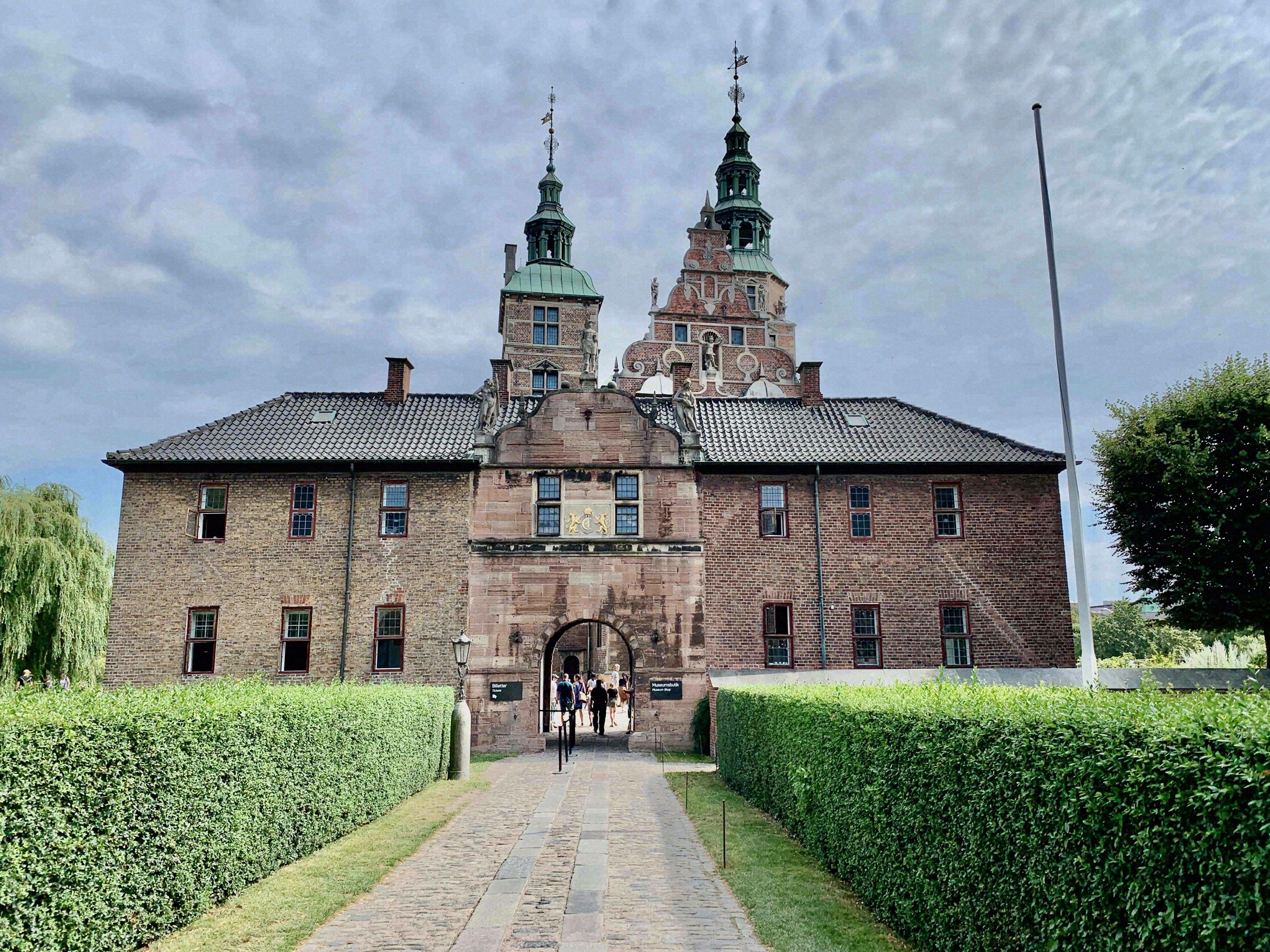
Rosenborg Slot, Christian IV's Renaissance pleasure palace, keeps the Danish Crown Jewels in its treasury, plus the Knights' Hall, set in the Kongens Have park.
Admission
Admission to Rosenborg Castle with the Danish Crown Jewels and royal regalia.
4.6 (606) · GetYourGuide
From €20.06
Book TicketRosenborg was built in the early 17th century by King Christian IV as a summer and pleasure palace. What began as a modest garden house grew by 1624 into today's castle in the Dutch Renaissance style, the architects behind the expansion were Bertel Lange and Hans van Steenwinckel the Younger. Christian IV, one of Denmark's most formative kings, spent much of his time here and died in 1648 in one of its rooms. The castle's towers and turrets still give it a fairy-tale look. It sits in the elegant part of Indre By (the city centre), only about 200 metres from Nørreport station.
The highlight lies underground: the treasury holds the Danish Crown Jewels and regalia, including the crown of Christian IV. Above it, lavishly furnished halls unfold across three floors, led by the Knights' Hall with the coronation thrones and three life-size silver lions. Unlike the still-inhabited Amalienborg Palace, Rosenborg is entirely open as a museum, a densely packed treasure chest of some 400 years of royal history.
Photography is permitted inside the castle and the treasury, but handheld only, tripods and monopods are not allowed.
Rosenborg stands in Kongens Have (King's Garden), Copenhagen's oldest park. On fine days the lawns fill with picnic blankets, and in summer the Royal Life Guard marches from the nearby barracks across town for the daily changing of the guard at Amalienborg. The park is free to enter but not open around the clock, roughly 7:00 to 22:00 in summer, considerably shorter in winter. Across the road, the Botanical Garden invites a further stroll.
Allow 1.5 to 2 hours for the visit. The most pleasant time is mid-morning at opening, leaving time afterwards for a walk in the garden.
The entrance and address is Øster Voldgade 4A. The nearest station is Nørreport, about 200 metres away and a hub for the metro, S-train, regional trains and buses. The castle has no dedicated parking.
A visit pairs well with the Amalienborg royal residence and Christiansborg Palace, the Slotspas covers all three. For other ways to save on admission, see the guide to the Copenhagen Card; Rosenborg is also one of the city's must-see attractions.
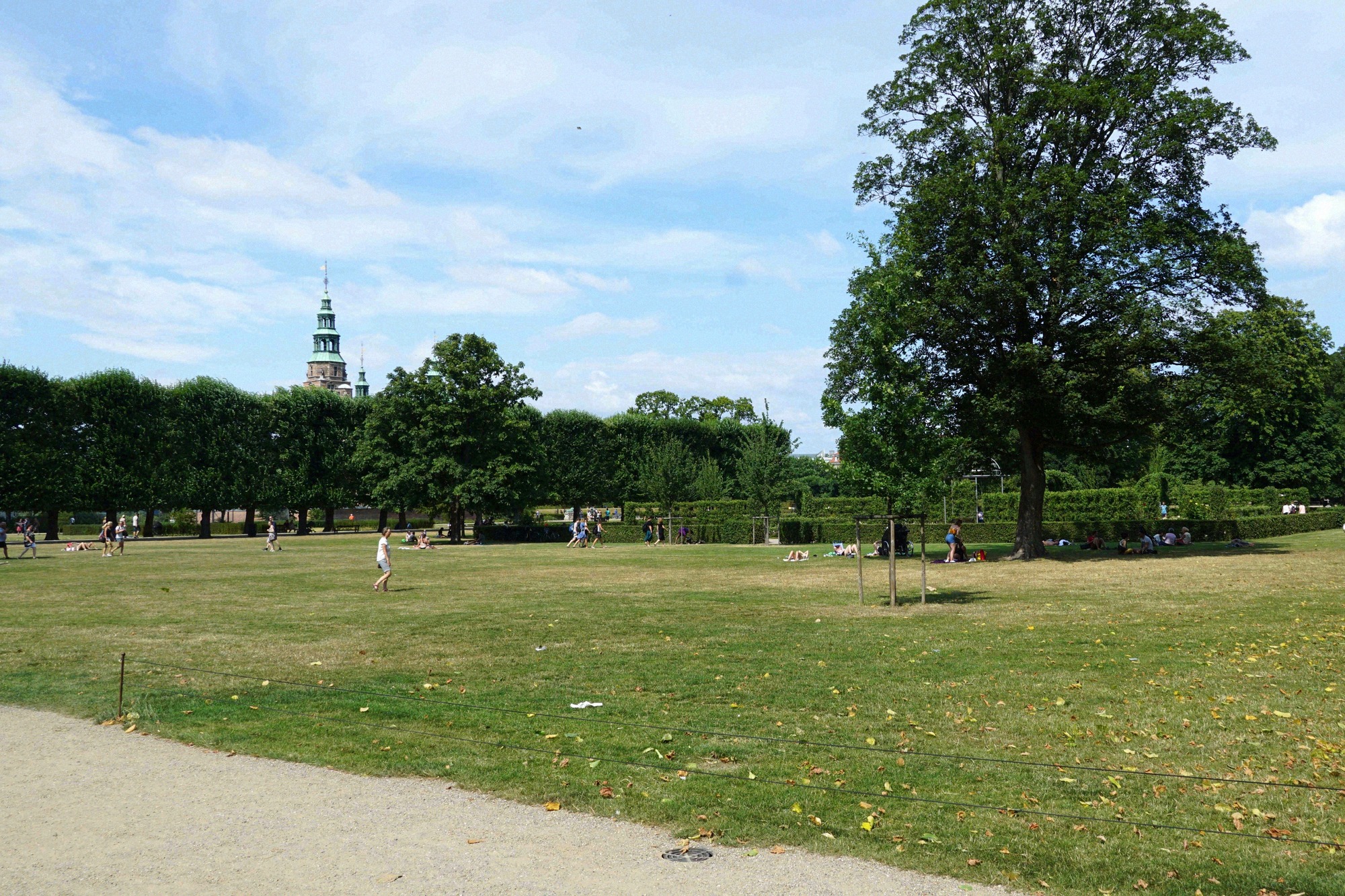
Kongens Have is Copenhagen's oldest and most-visited park, laid out in 1606 by Christian IV. Rose garden, lime avenues and a puppet theatre around Rosenborg Castle.
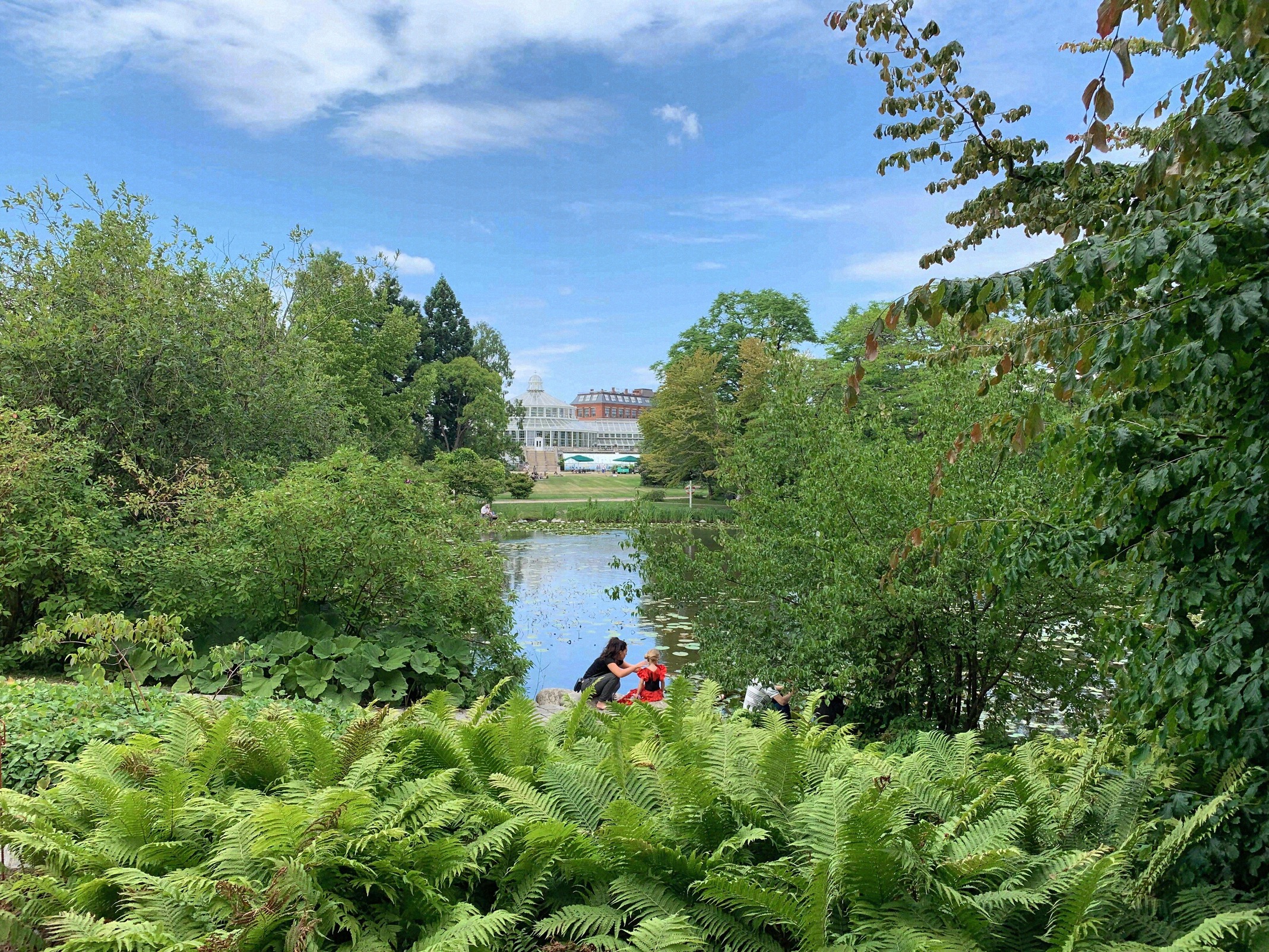
Botanisk Have, the University of Copenhagen's free garden at Nørreport, with a lake landscape, glasshouses and the historic glass-and-steel Palm House.
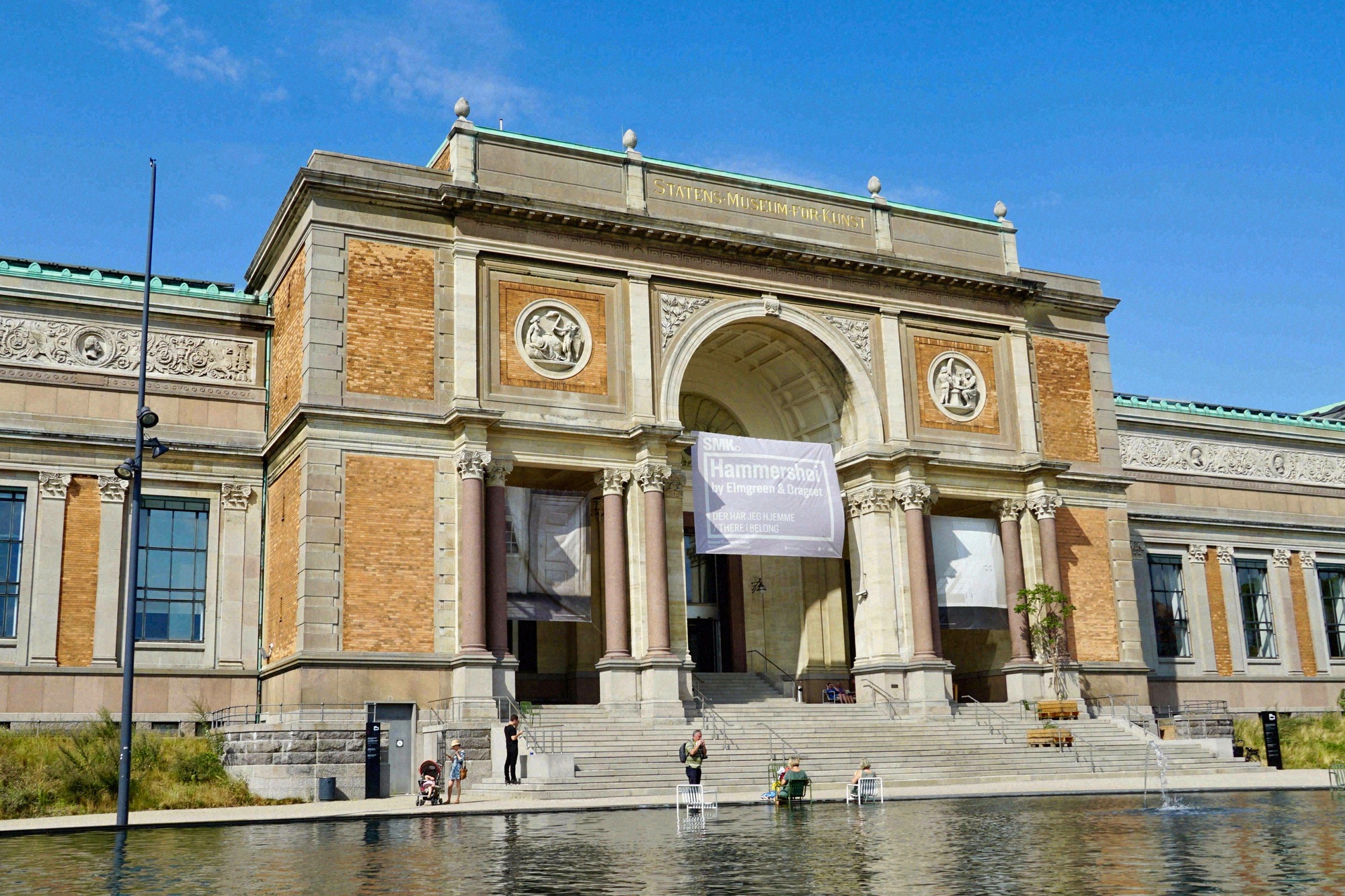
The Statens Museum for Kunst (SMK) is Denmark's national gallery, spanning seven centuries of art, from the Golden Age to Hammershøi, Matisse and Picasso.
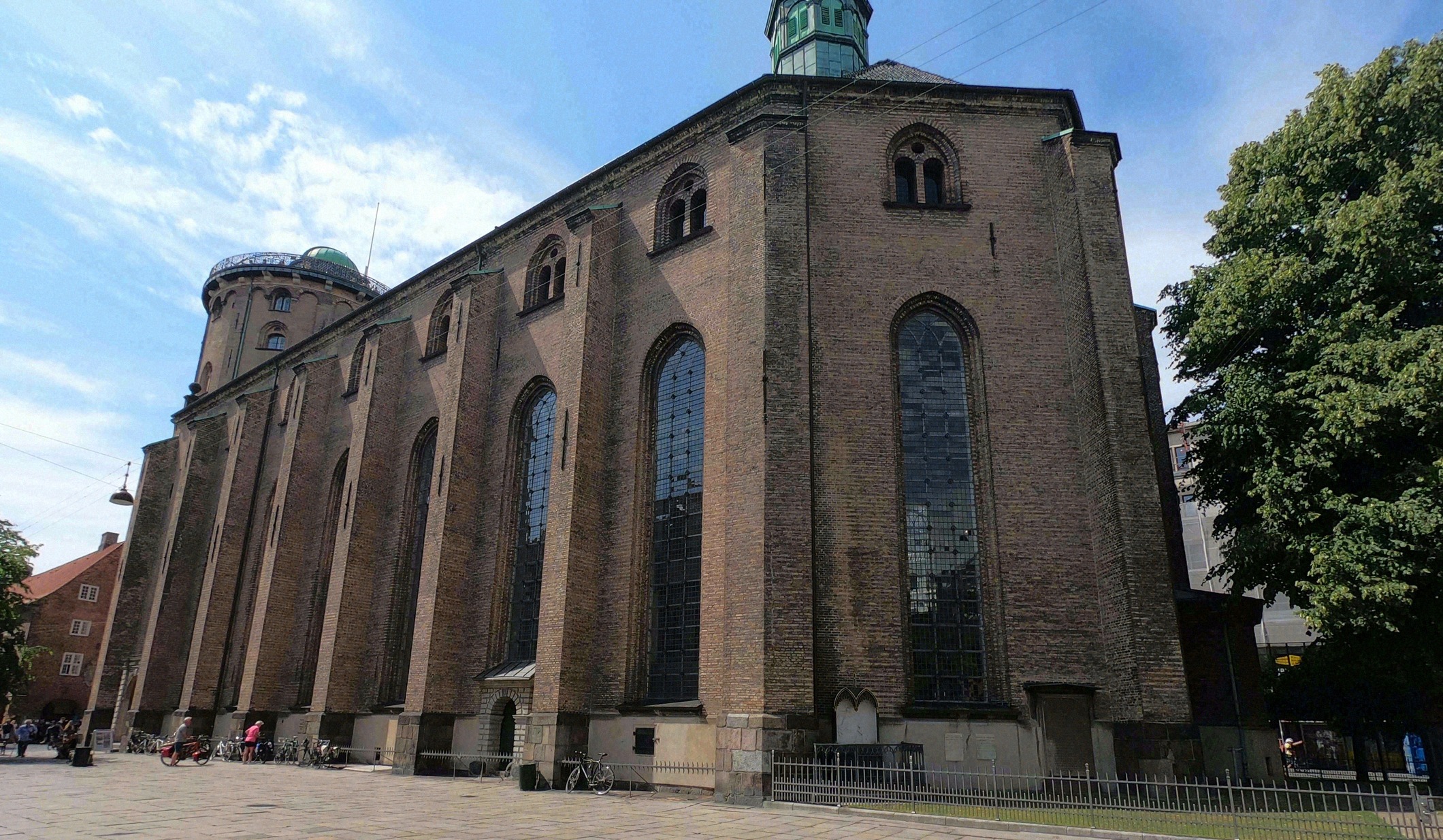
University church of Christian IV in the old town, physically joined to the Round Tower. Bright interior, active music programme, free admission.
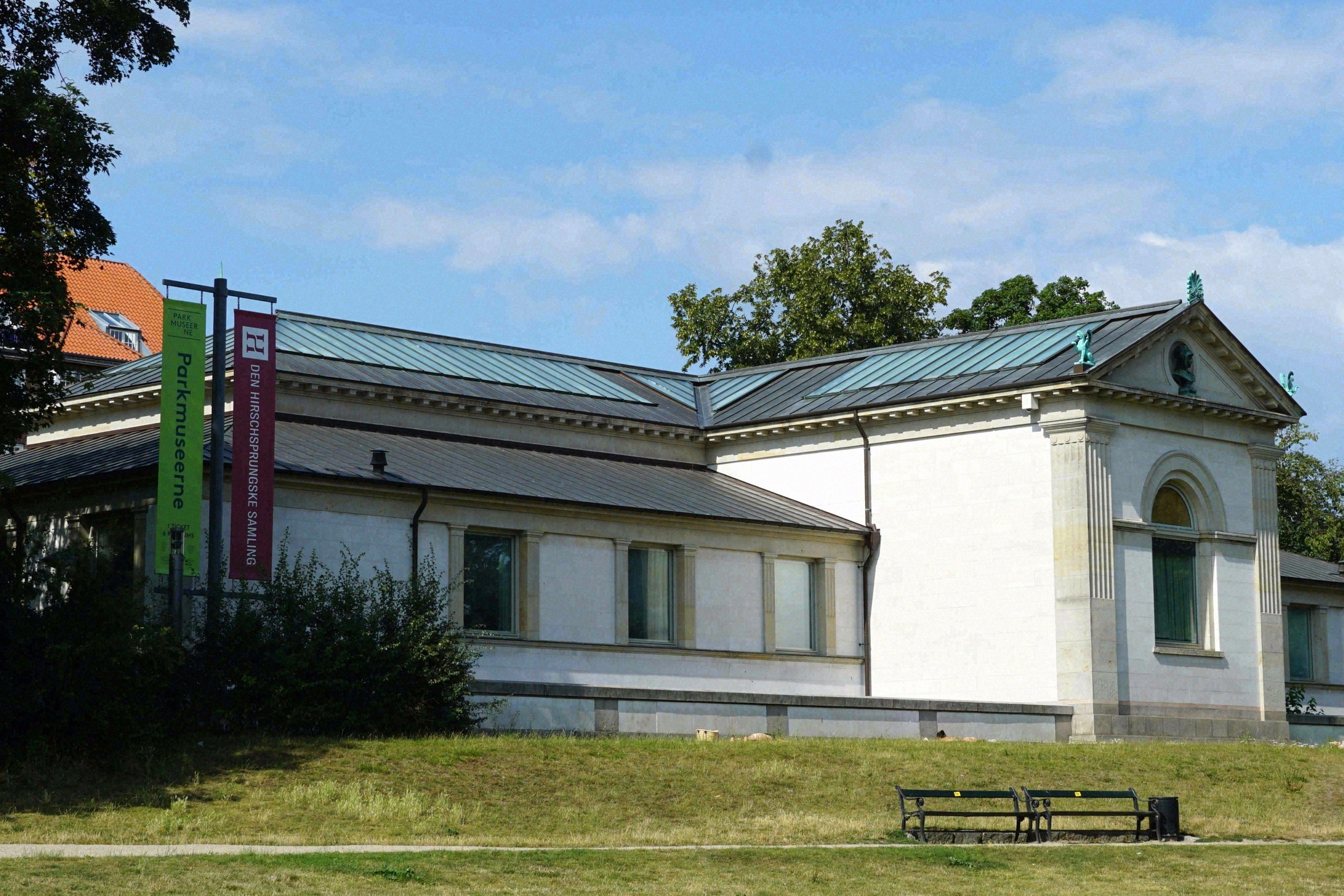
A purpose-built house for Heinrich Hirschsprung's collection of 19th-century Danish art, the Golden Age, the Skagen painters and Hammershøi, next to SMK.
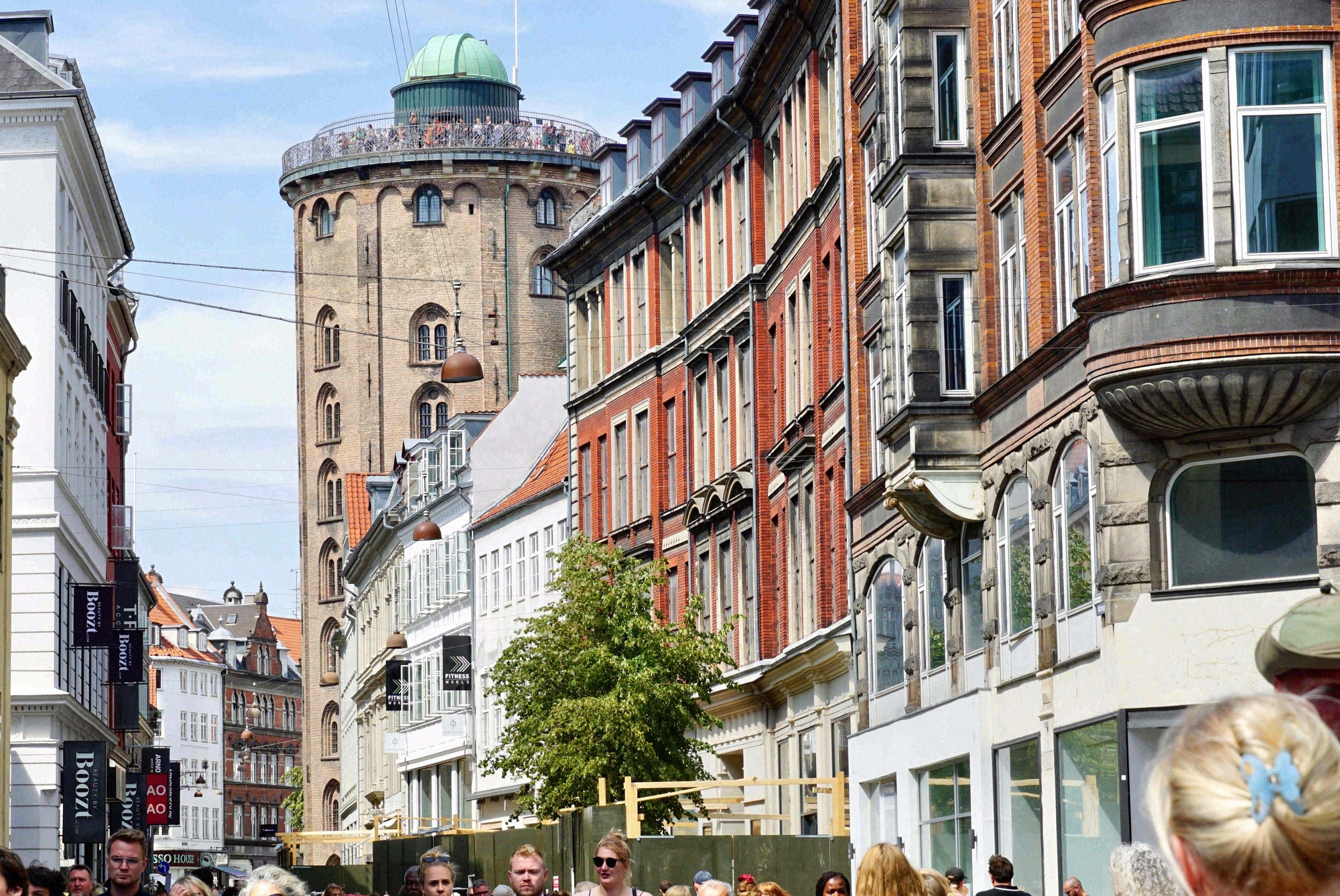
The Round Tower (Rundetårn), Copenhagen's tower from 1642, holds Europe's oldest working observatory. A spiral ramp with just over seven turns leads up to a view over the old town.