kopenhagen.info

Overview

Neighbourhoods in Copenhagen

The five key neighbourhoods of Copenhagen at a glance – from the old town Indre By through Christianshavn and Vesterbro to Nørrebro and Refshaleøen, with tips on choosing, getting around and costs.

5
Contents

The five neighbourhoods at a glance

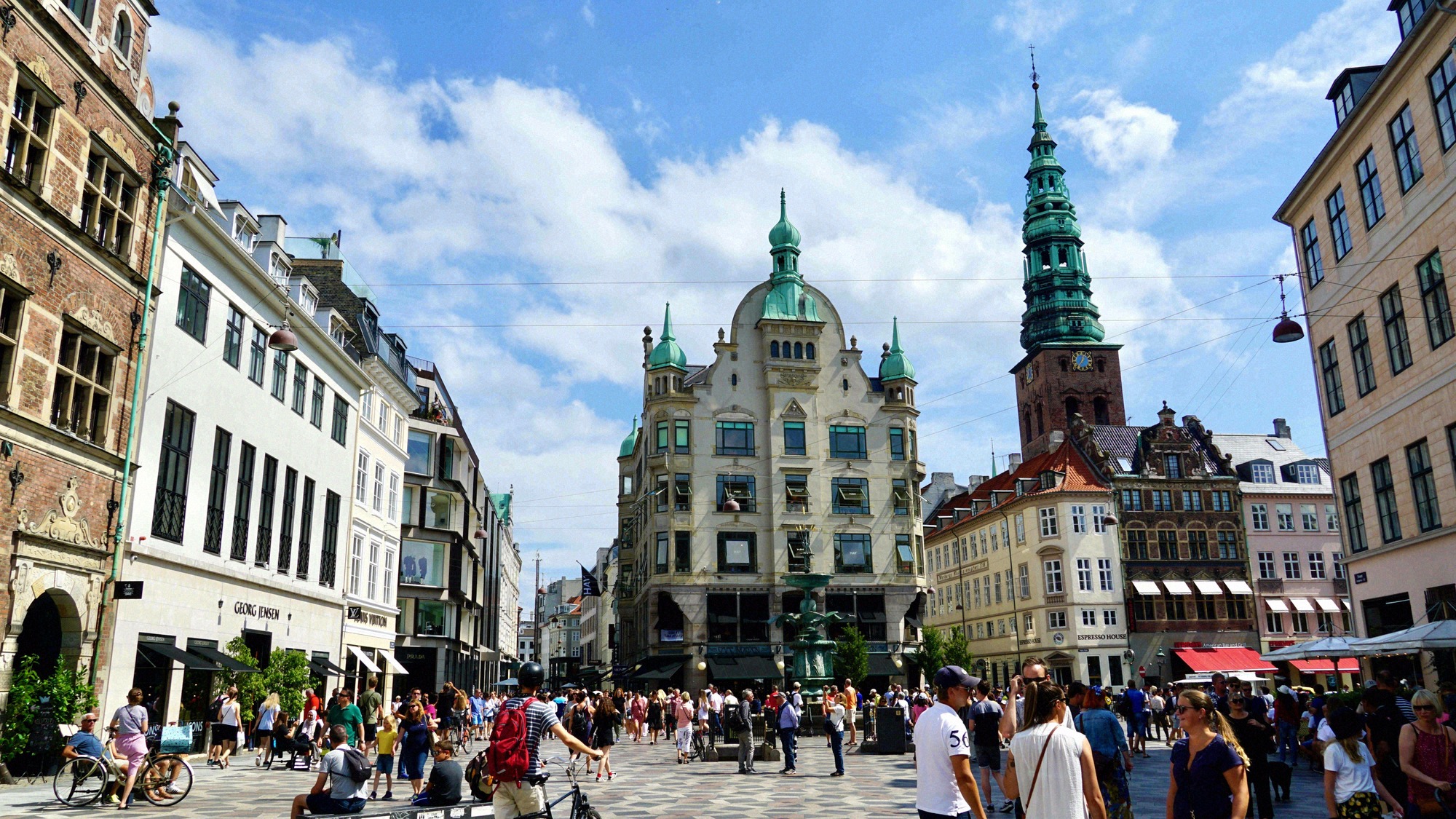
Copenhagen is best explored neighbourhood by neighbourhood – each has its own character, and walking through any of them is free. The starting point is Indre By, the historic old town: packed into a small area you'll find Strøget, the harbour Nyhavn, the Round Tower, the palace of Christiansborg and the National Museum of Denmark – almost all within walking distance. For a first visit, Indre By is the best base.

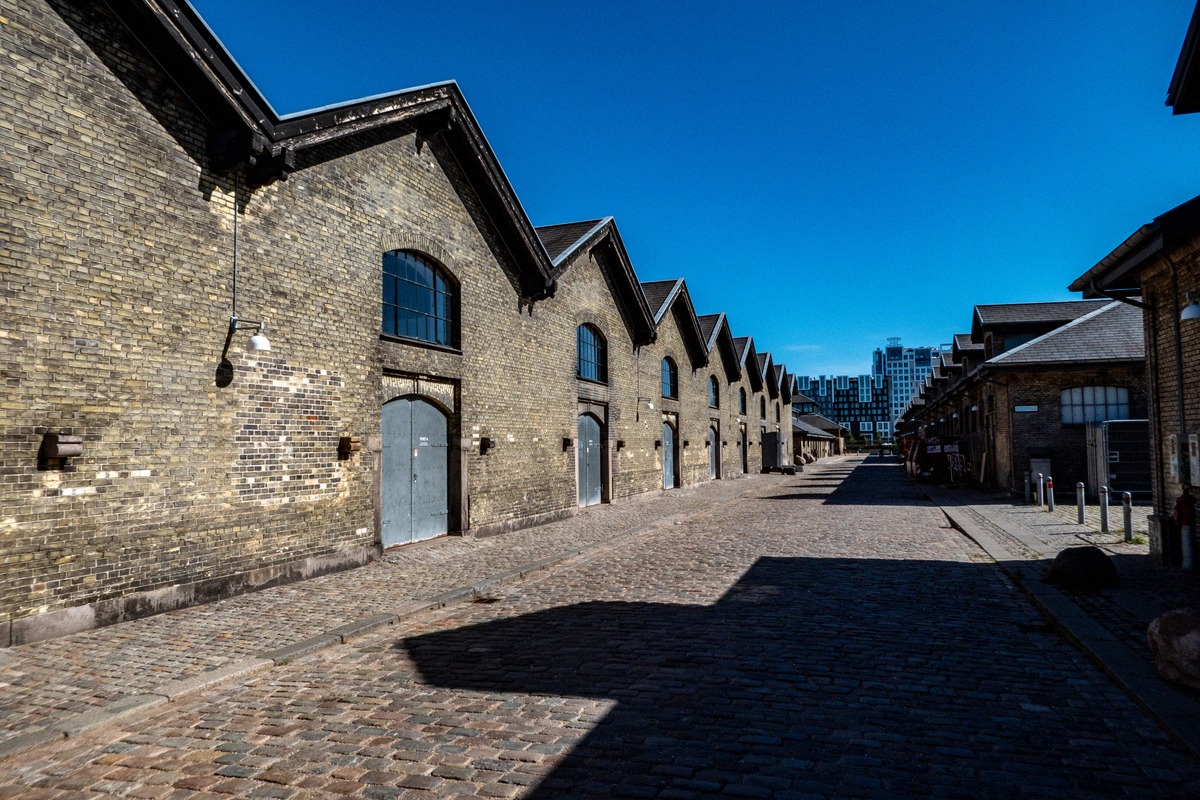
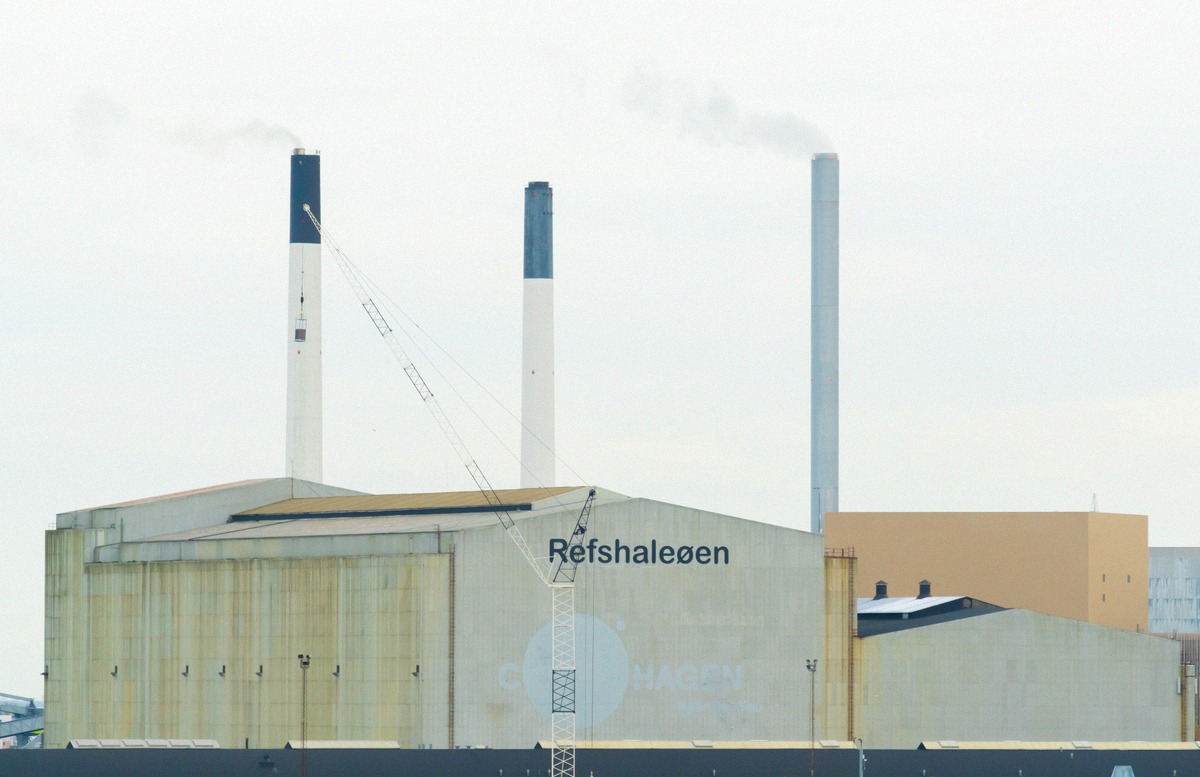
Right across the water is Christianshavn, an island district threaded with canals, houseboats, the golden spire of the Church of Our Saviour and the self-governing enclave of Christiania. Behind Central Station comes Vesterbro, transformed from a working-class quarter into a trendy district, home to the Meatpacking District and close to the amusement park Tivoli. Nørrebro is the young, multicultural neighbourhood with Jægersborggade, Superkilen park and Assistens Cemetery. And Refshaleøen, on the former shipyard grounds, is the up-and-coming new quarter – with the Reffen street food market, a harbour sauna and cultural halls.

Choosing, getting around and costs

If you're short on time, combine Indre By and Christianshavn in a single day: it's only about 15 minutes' walk across Knippelsbro, and the tower of the Church of Our Saviour sits right next to Christiania. Vesterbro adjoins the old town and Tivoli directly, with Central Station as the hinge between them. Nørrebro works well as its own half-day, and Refshaleøen is ideal for an afternoon or evening (Reffen plus the sauna) and pairs easily with Christianshavn via bus 2A.

On costs: the neighbourhoods themselves are free, and admission is only charged for individual attractions. Nørrebro is the cheapest to experience – Superkilen, Assistens Cemetery and Jægersborggade cost nothing. Vesterbro is likewise entirely free with the Meatpacking District. Indre By, by contrast, has the most paid venues clustered together: the National Museum of Denmark (DKK 150, DKK 135 online, free under 18), the Round Tower (DKK 60) and the Christiansborg combination ticket (DKK 215). The Christiansborg Palace Tower, at 106 metres the city's tallest, remains free, though – as does strolling along Strøget and Nyhavn.

Frequently asked questions

Which neighbourhoods in Copenhagen are free to visit?+
All five neighbourhoods are free and open year-round as public space – walking around never costs admission. Nørrebro (Superkilen, Assistens Cemetery and Jægersborggade are all free) and Vesterbro (the Meatpacking District is free) can be experienced fully without paying for anything. In Indre By, Christianshavn and Refshaleøen, strolling around is likewise free; only individual top attractions within them charge admission. The Christiansborg Palace Tower in Indre By is also free.
Which Copenhagen neighbourhood should you see first?+
Indre By, the historic old town, is the best starting point for a first visit. Most of the sights sit within walking distance of each other here – Strøget, Nyhavn, the Round Tower, Christiansborg and the National Museum of Denmark are all close together, and Copenhagen Central Station is just minutes away. It pairs well in a single day with Christianshavn, about 15 minutes' walk away.
How many neighbourhoods in Copenhagen are worth visiting?+
We cover five neighbourhoods that particularly reward a city trip: Indre By (the old town with the major sights), Christianshavn (canals and Christiania), Vesterbro (trendy nightlife district), Nørrebro (multicultural, street food, budget-friendly) and Refshaleøen (post-industrial harbour district with the Reffen street food market).
What does admission cost in the neighbourhoods, and what's free?+
Only individual attractions charge admission. In Indre By, that includes the National Museum of Denmark (DKK 150 for adults at the door, DKK 135 online, free under 18), the Round Tower (DKK 60, free for children up to 17) and the Christiansborg combination ticket (DKK 215; the palace tower itself stays free). In Christianshavn, climbing the tower of the Church of Our Saviour costs DKK 70 (the church interior is free). In Vesterbro, Tivoli uses dynamic pricing starting from around DKK 150 (rides extra). At Refshaleøen, Reffen itself is free – you only pay for food and drink – while the harbour sauna La Banchina starts at DKK 50 per person.
How do you get between the neighbourhoods, and can you combine them on foot?+
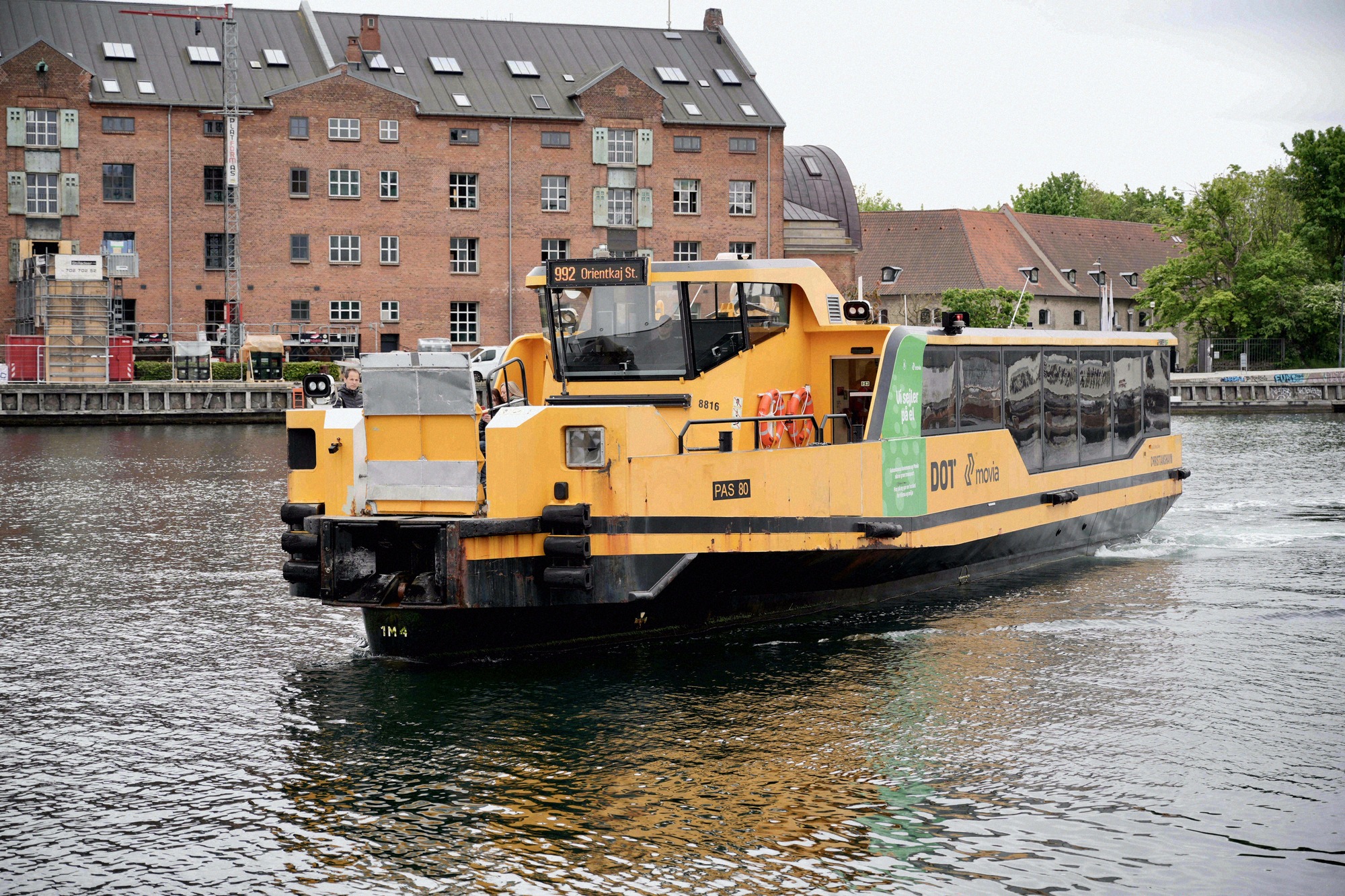
Indre By is the central starting point, just minutes from Copenhagen Central Station. Vesterbro sits right behind it, and Christianshavn is about 15 minutes' walk away via Knippelsbro (or one metro stop). Nørrebro is a few minutes away by metro or bicycle. Refshaleøen isn't walkable from the centre – best reached on bus 2A (roughly every 10 minutes from Central Station) or the harbour bus 991/992, or by water in summer.
When is Refshaleøen worth visiting, and is Christiania open to everyone?+
Refshaleøen is best visited from May to September: the Reffen street food market is seasonal (the 2026 season runs from 13 March to around the end of September, followed by a scaled-back autumn and winter programme). Christiania in Christianshavn is open year-round, around the clock and free to enter – it's a residential community, not a theme park, so respect the no-photo zones.