
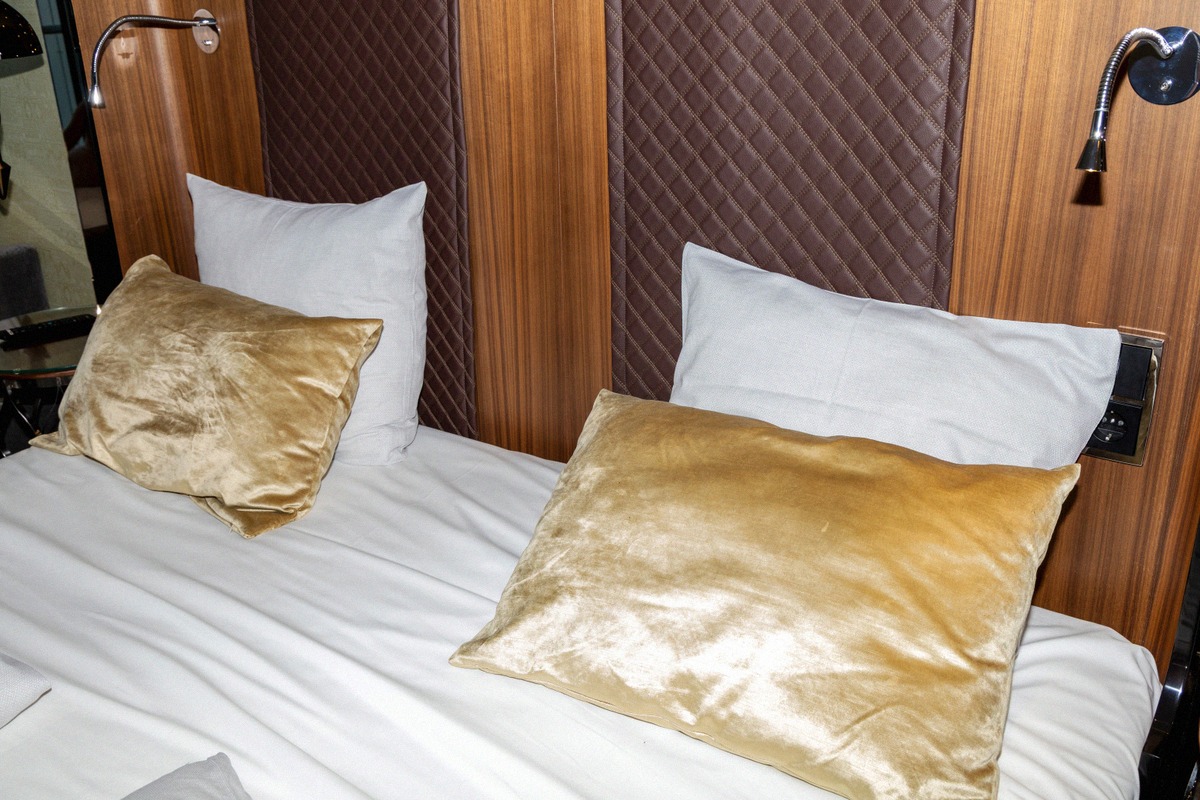
Where to Stay
Overview
This travel tips hub for Copenhagen brings together planning help and money-saving advice - 30 sights from free to paid entry, the Copenhagen Card versus the Slotspas, and sensible itineraries for every day of your trip.
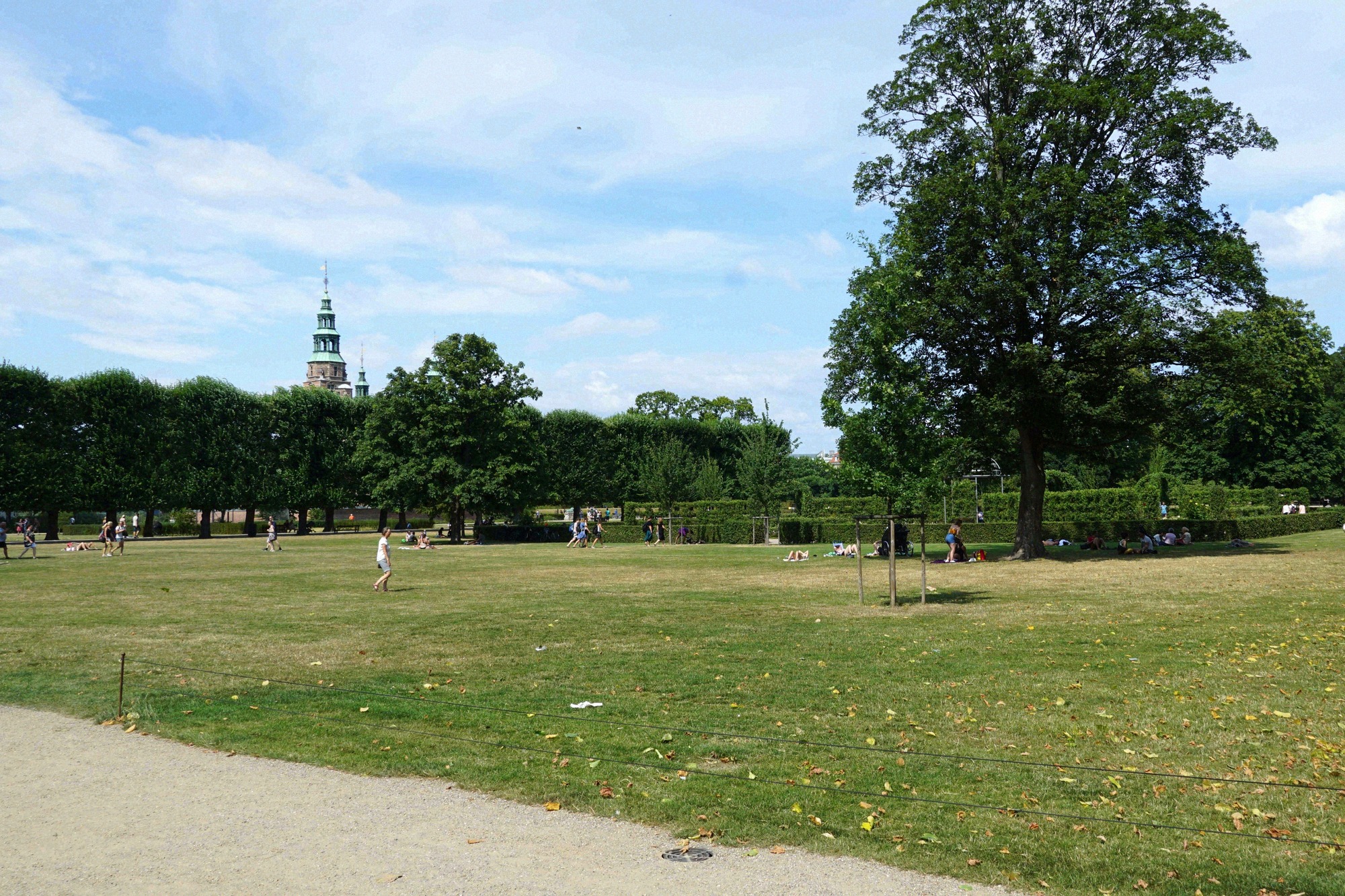

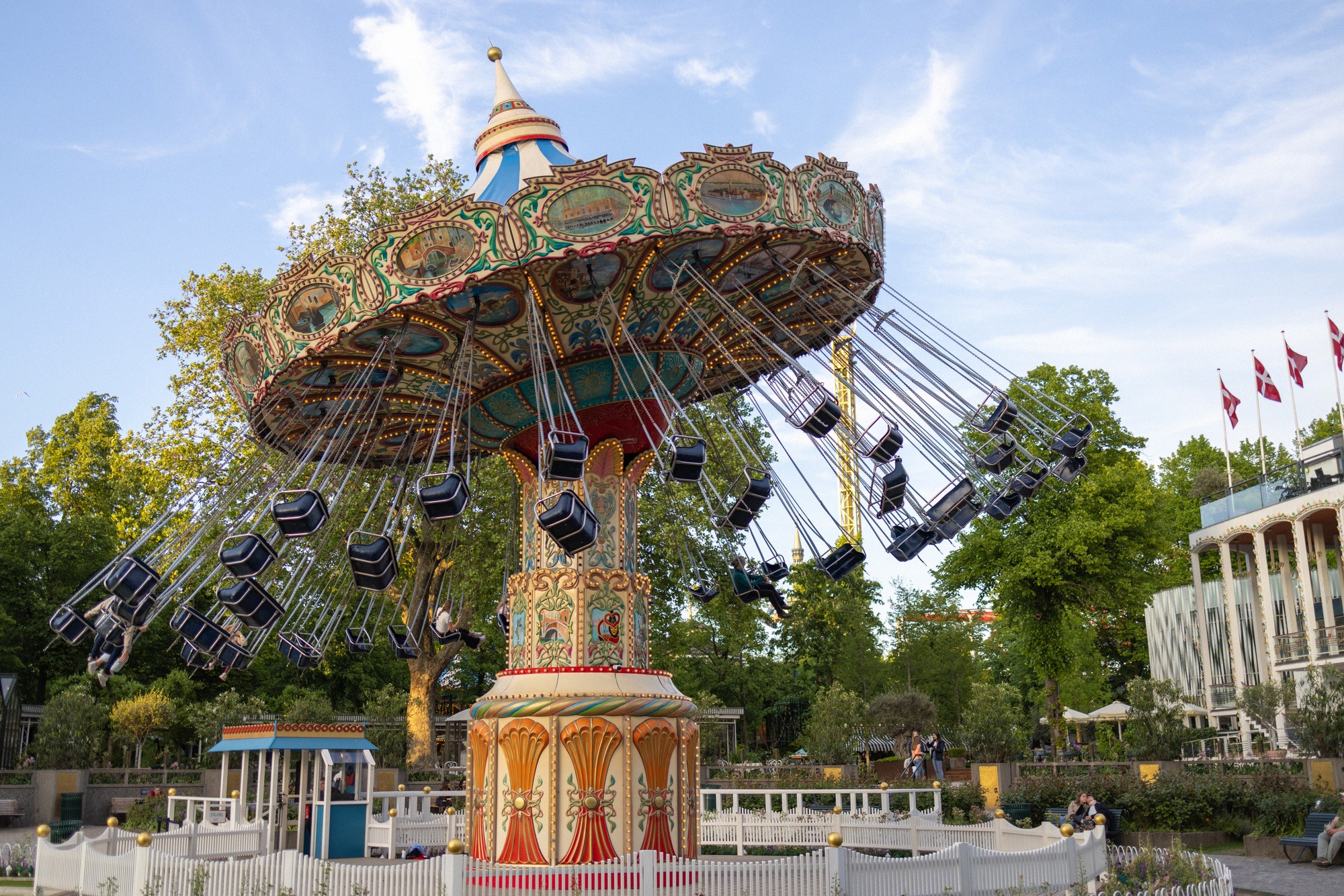
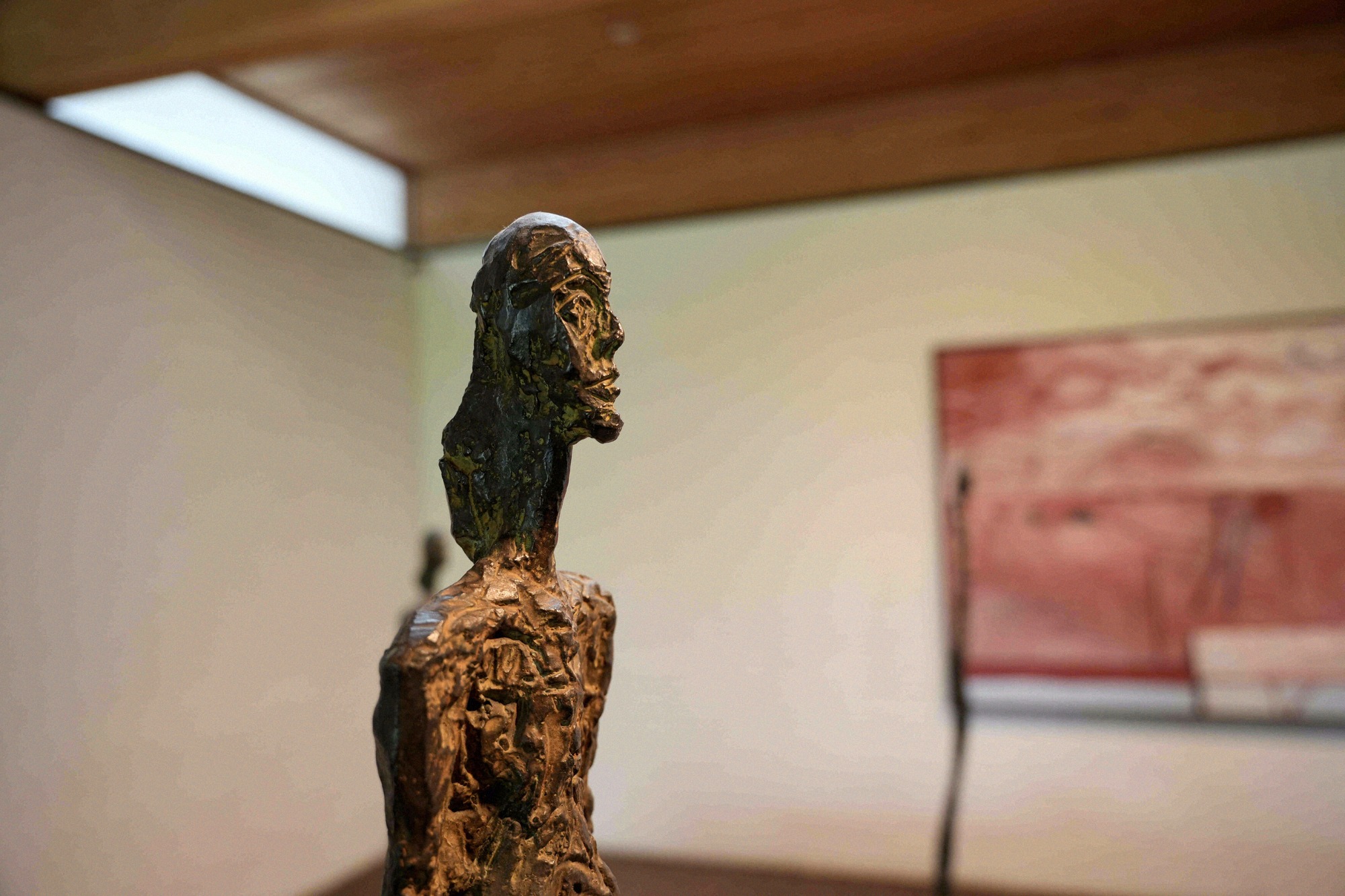
Louisiana, Kronborg, Roskilde & Malmö
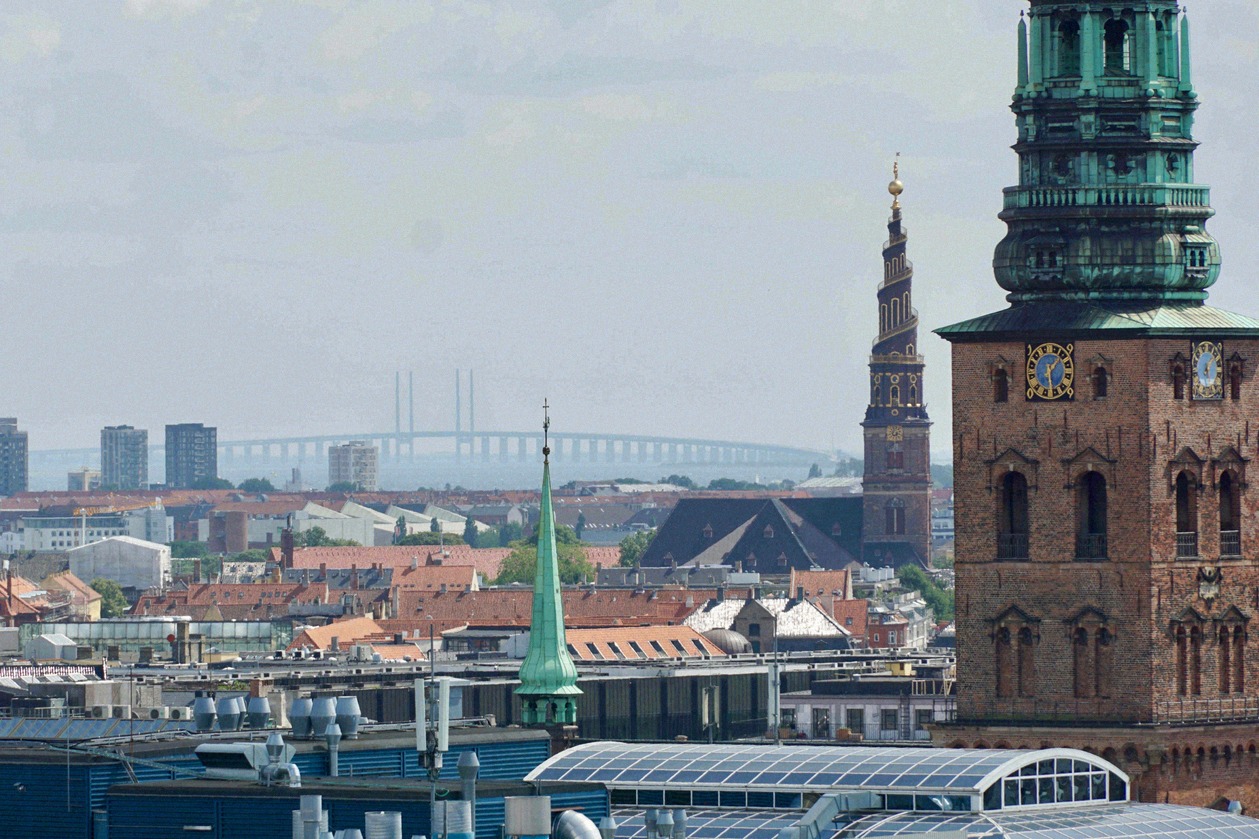
Copenhagen is a surprisingly affordable city to explore: its best moments are spread across public squares, parks and churches that are open to all, while the big-ticket attractions are worth the entry fee. This guide sorts thirty places by what they cost and shows you how to combine them into sensible days. For the full list, see Attractions, sorted by theme in Museums, Palaces and Churches.
Fourteen of the thirty places are completely free. At the core is a walk through the city centre: the Strøget pedestrian street, Kongens Nytorv square, and the colourful harbour arm of Nyhavn, whose promenade is free to walk - only the canal boat tour costs extra, from around 80 DKK. Right on Strøget you'll find two churches with no admission fee, Vor Frue Kirke (Copenhagen Cathedral) and Trinitatis Kirke; Holmens Kirke on the canal is also free. Helligåndskirken, reopened since March 2026, is a parish church and so is usually free to enter too, though the congregation makes no official statement on admission or donations.
Down at the harbour, head to the Royal Library (the Black Diamond), whose exhibitions - including TREASURES - are always free, and the Børsen visitor centre. Walking out to The Little Mermaid takes you through the free Kastellet fortress grounds. Green space comes courtesy of the Kongens Have palace garden and the alternative free town of Christiania. And at the Torvehallerne market hall, entry is free - you only pay for what ends up on your plate.
Sixteen places are generally paid, though many have a free element built in. The best single paid attraction is Tivoli: the amusement park is open in 2026 from 27 March to 20 September, followed by its Halloween and Christmas seasons. Entry starts at around 150 DKK; single ride tickets are bought day-by-day at kiosks or in the app, while the Turpas ride pass from 299 DKK pays off from around four or five rides. Among the palaces, Rosenborg (140 DKK online, 150 DKK at the door) is the best value with its crown jewels; the Amalienborg Museum (125 DKK online, 135 DKK at the door) pairs well with the free changing of the guard at noon, and at Christiansborg the lift to the top of the 106-metre tower is even free - the ideal money-saving alternative to the view from Round Tower (60 DKK). For all three palaces together, the Slotspas (345 DKK, valid three days) is usually the cheapest option.
Group the big museums by theme: the National Museum of Denmark and the Ny Carlsberg Glyptotek (135 DKK each online, 150 DKK at the door) sit near Tivoli and Central Station, while SMK (the National Gallery of Denmark) and the Hirschsprung Collection are in the Parkmuseerne quarter. Then there's the Designmuseum Danmark (140 DKK), Charlottenborg palace (90 DKK, free on Wednesdays from 17:00) and the underground art space Cisternerne (115 DKK, open mid-March to late November). Savvy visitors target the free windows: the Glyptotek is free on the last Wednesday of the month, and SMK on SMK Fridays. At the churches, you only pay for extras, such as the tower climb at Vor Frelsers Kirke (Church of Our Saviour, 70 DKK) or the dome tour at Marmorkirken (Marble Church, 50 DKK). At the Botanical Garden, only the Palm House (70 DKK) charges admission - the garden itself is free.
Whether a sightseeing pass pays off for your trip is covered in the Copenhagen Card comparison. For the bigger picture, see trip planning and the best time to visit; for where to stay, check where to stay and the best hotels. Families will find tried-and-tested routes and prices in Copenhagen with kids, and if you have an extra day, pair the city with a day trip to Louisiana, Kronborg, Roskilde or Malmö.