
Indre By
Historic old town around Strøget
The medieval heart of Copenhagen packs the city's big sights into a small area, the pedestrian street Strøget, the Round Tower, the harbour Nyhavn and Christiansborg Palace.
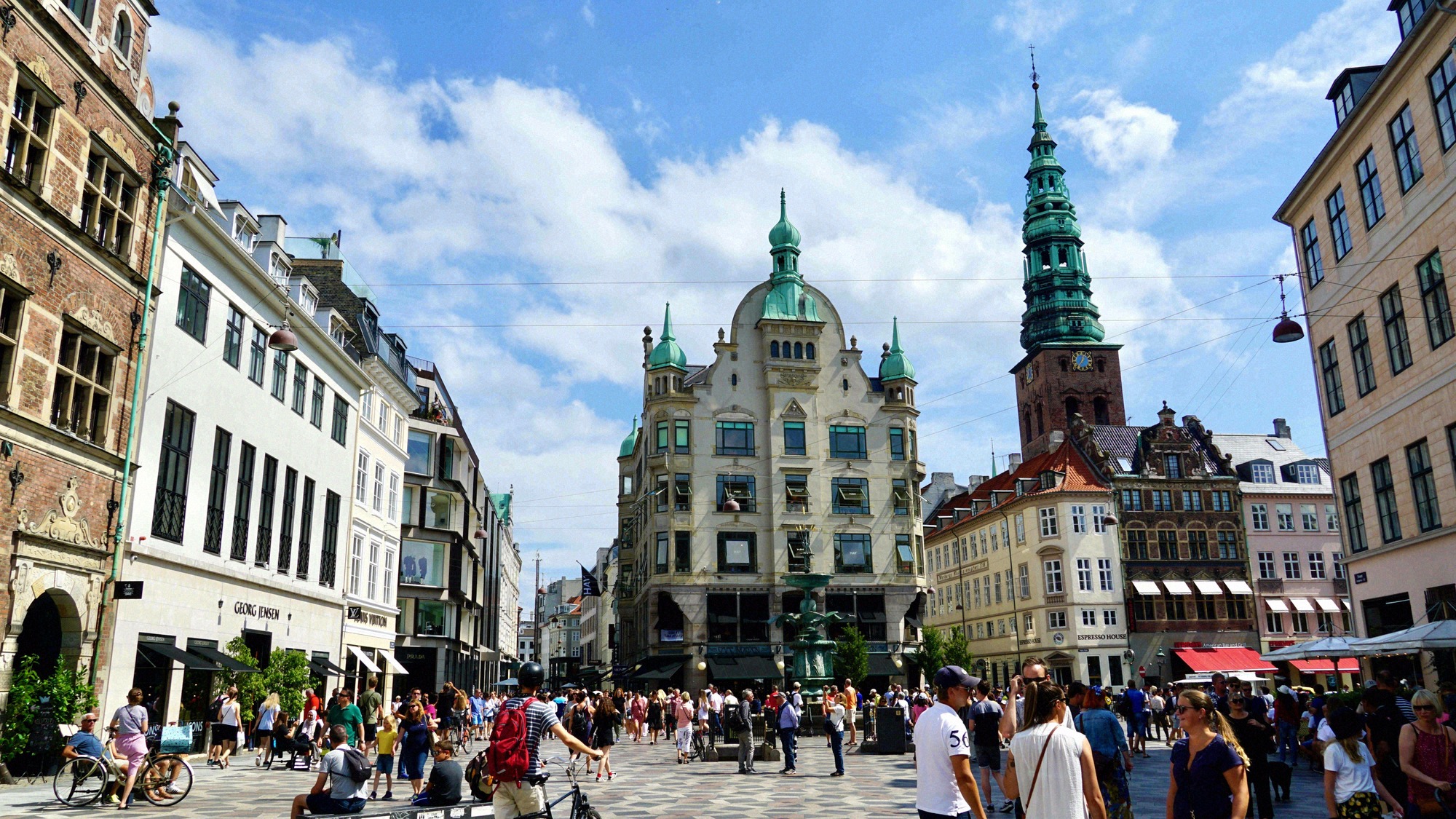
The historic heart of Copenhagen
Indre By ("inner city") is Copenhagen's medieval core and the best base for most first-time visitors. Between the pedestrian street Strøget, the Round Tower (Rundetårn), the harbour of Nyhavn and the palace island Slotsholmen with Christiansborg, the city's big sights sit close together, almost everything is an easy walk away.
Lanes, squares and canals
Beyond the busy main streets, it's worth losing yourself in the quiet lanes around the university and the Latin Quarter, past the cathedral and small bookshops. To the north lies the stately Frederiksstaden district with Amalienborg and the Marble Church; to the south, the canals of Slotsholmen.
An easy place to stay
For a first visit to Copenhagen, Indre By is the most convenient place to base yourself: all the main sights are within walking distance, and the nightlife districts are close by in the evening. That convenience comes at a price, though, accommodation here tends to cost more than in the outer neighbourhoods.
Around Indre By
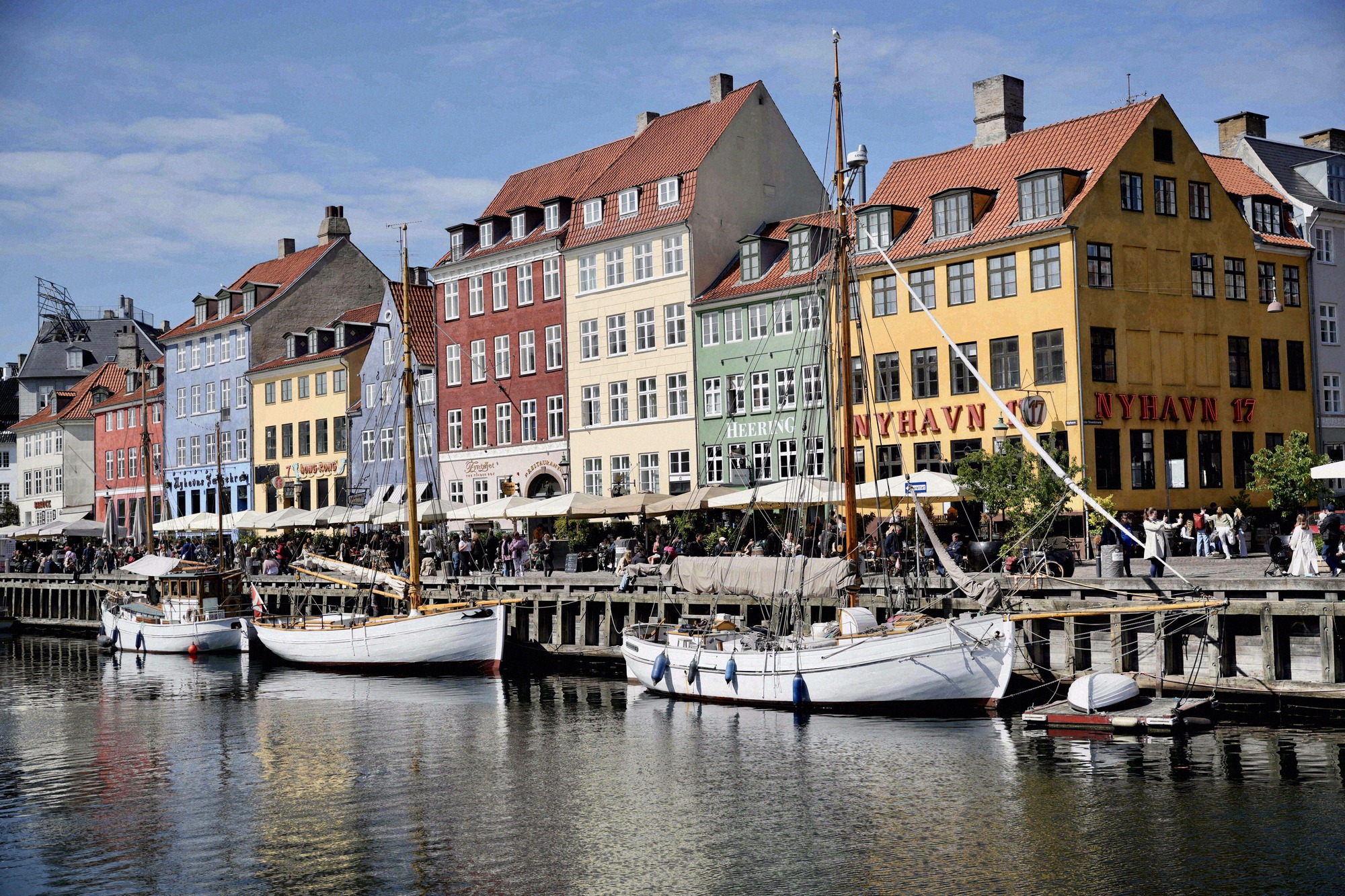
Nyhavn
Nyhavn, the "New Harbour" from 1670, is Copenhagen's most famous postcard view, a row of colourful houses along the canal, once a sailors' quarter, now a promenade of boats, bars and canal tours.
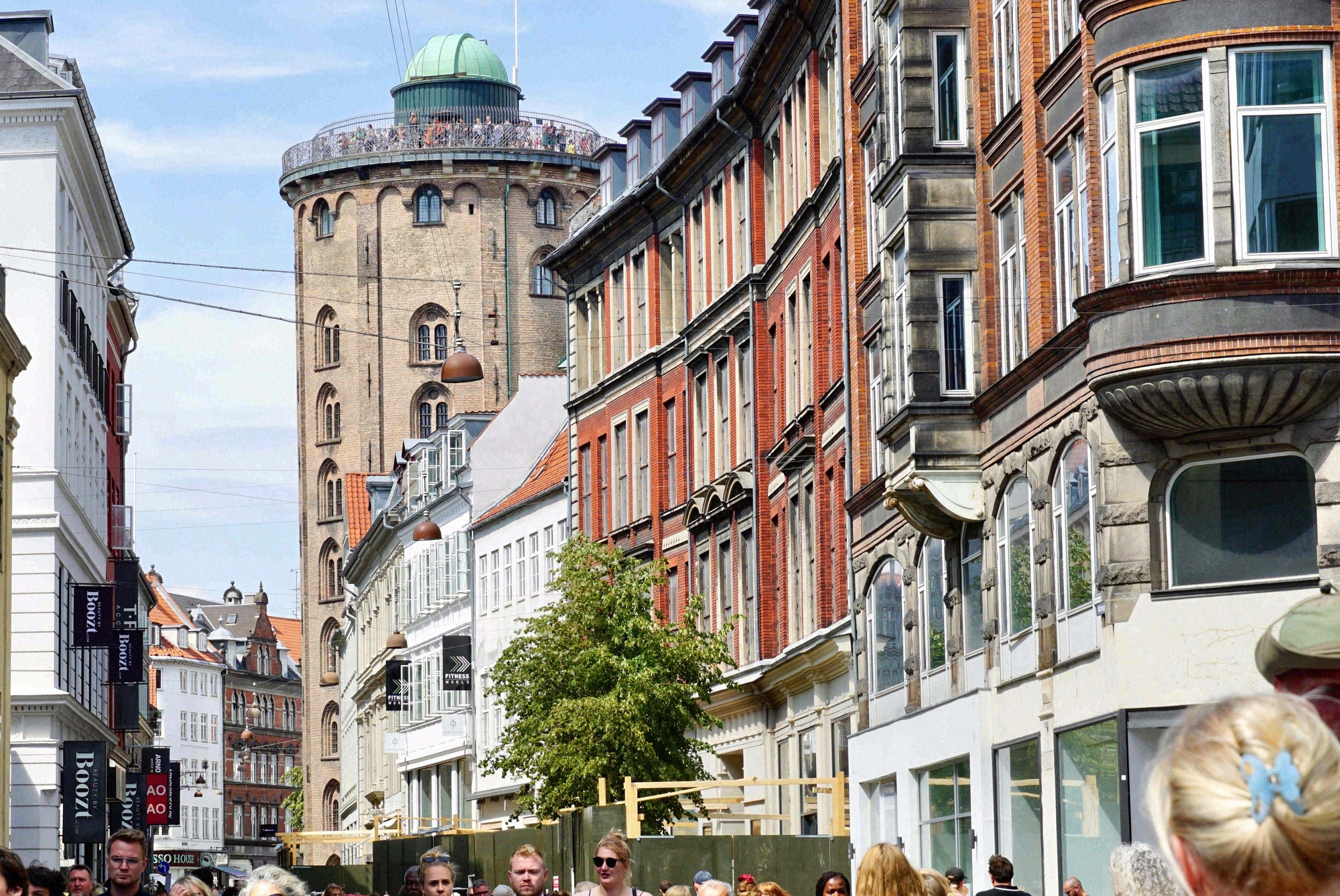
Round Tower
The Round Tower (Rundetårn), Copenhagen's tower from 1642, holds Europe's oldest working observatory. A spiral ramp with just over seven turns leads up to a view over the old town.
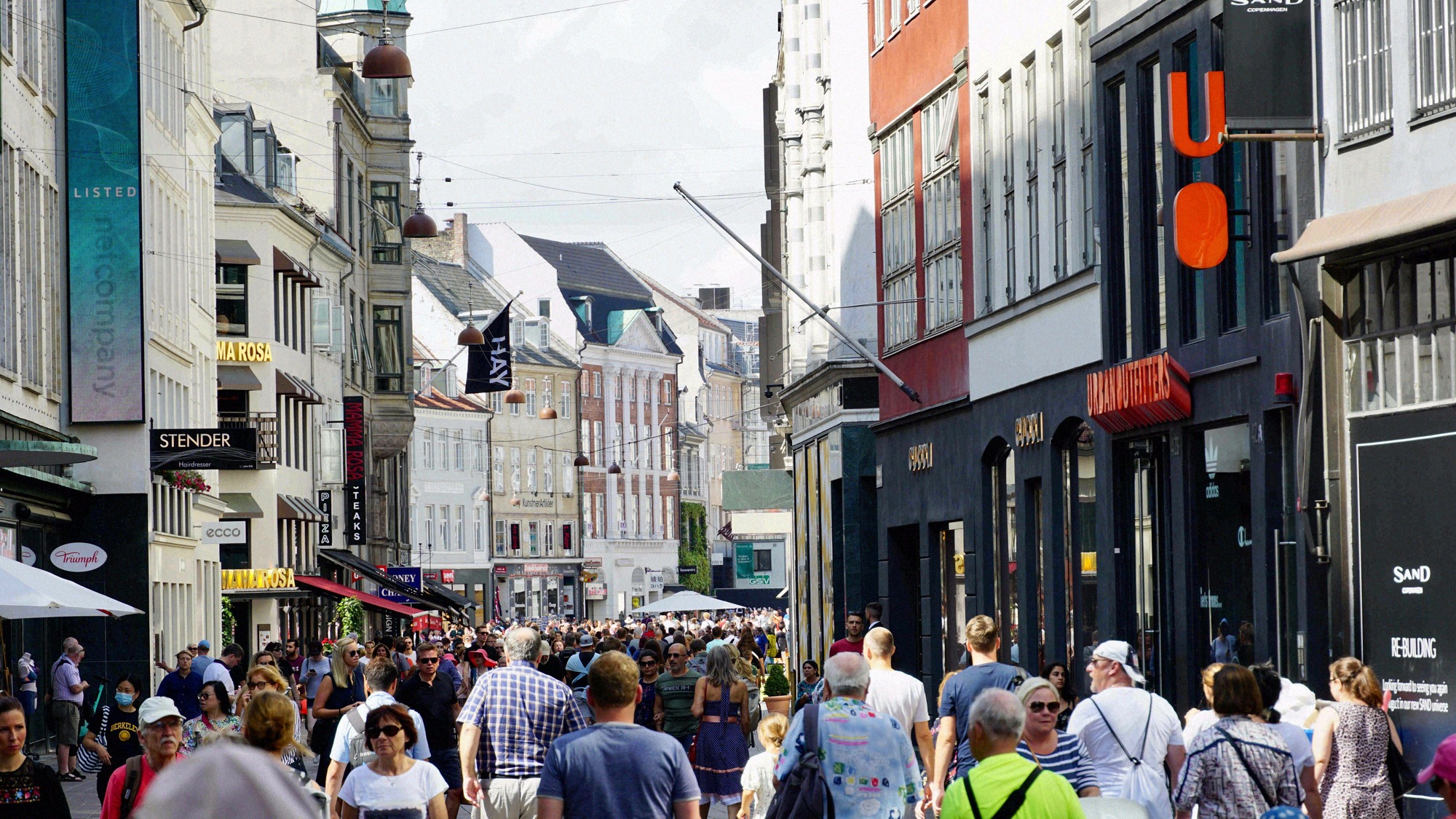
Strøget
Strøget is Copenhagen's main pedestrian axis, around 1.1km of car-free shopping street running from City Hall Square to Kongens Nytorv, one of Europe's longest.
Christiansborg Palace
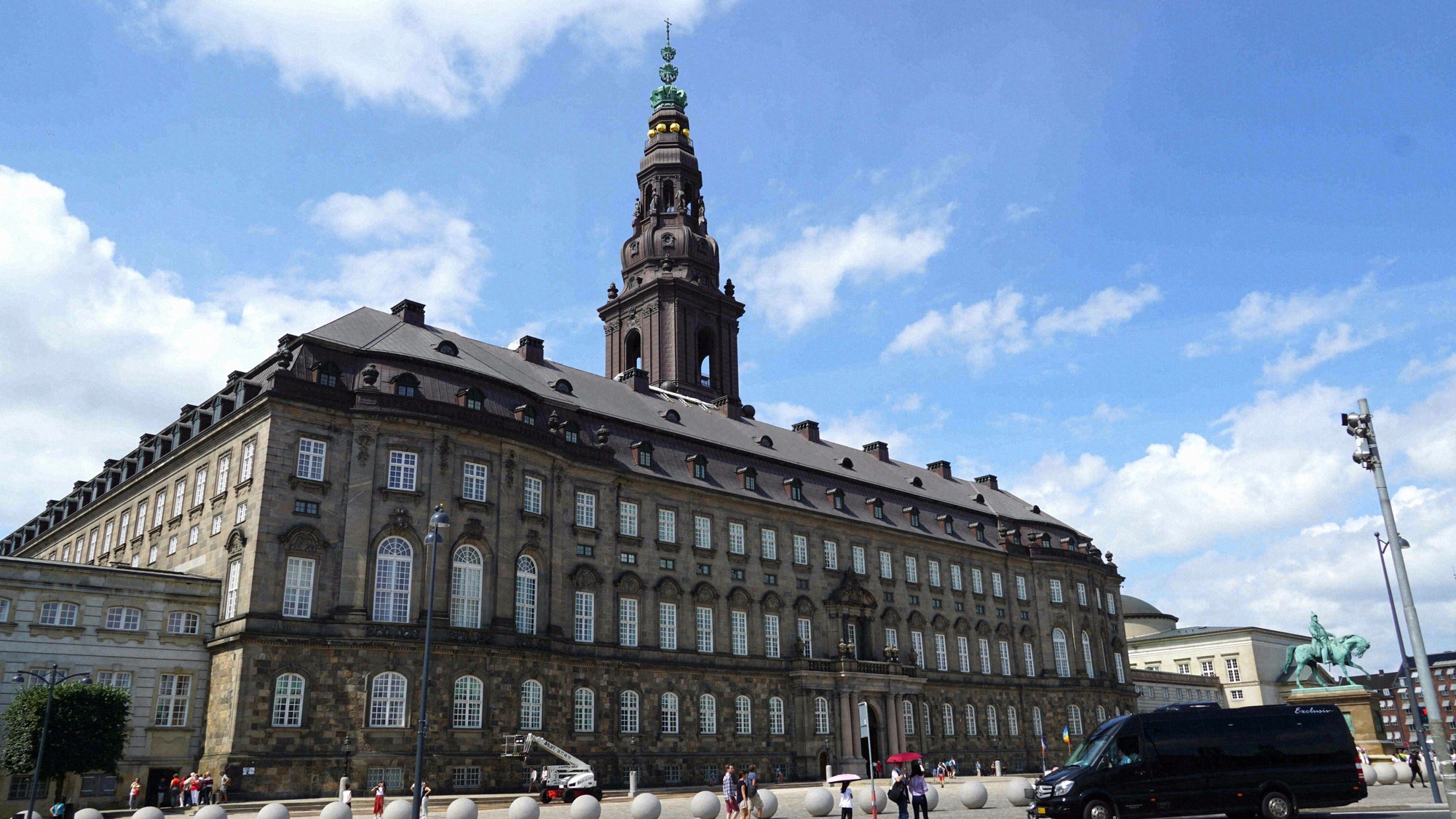
On Slotsholmen, Christiansborg houses Denmark's parliament, government and Supreme Court, plus royal reception rooms and the free, tallest tower in Copenhagen.
National Museum of Denmark
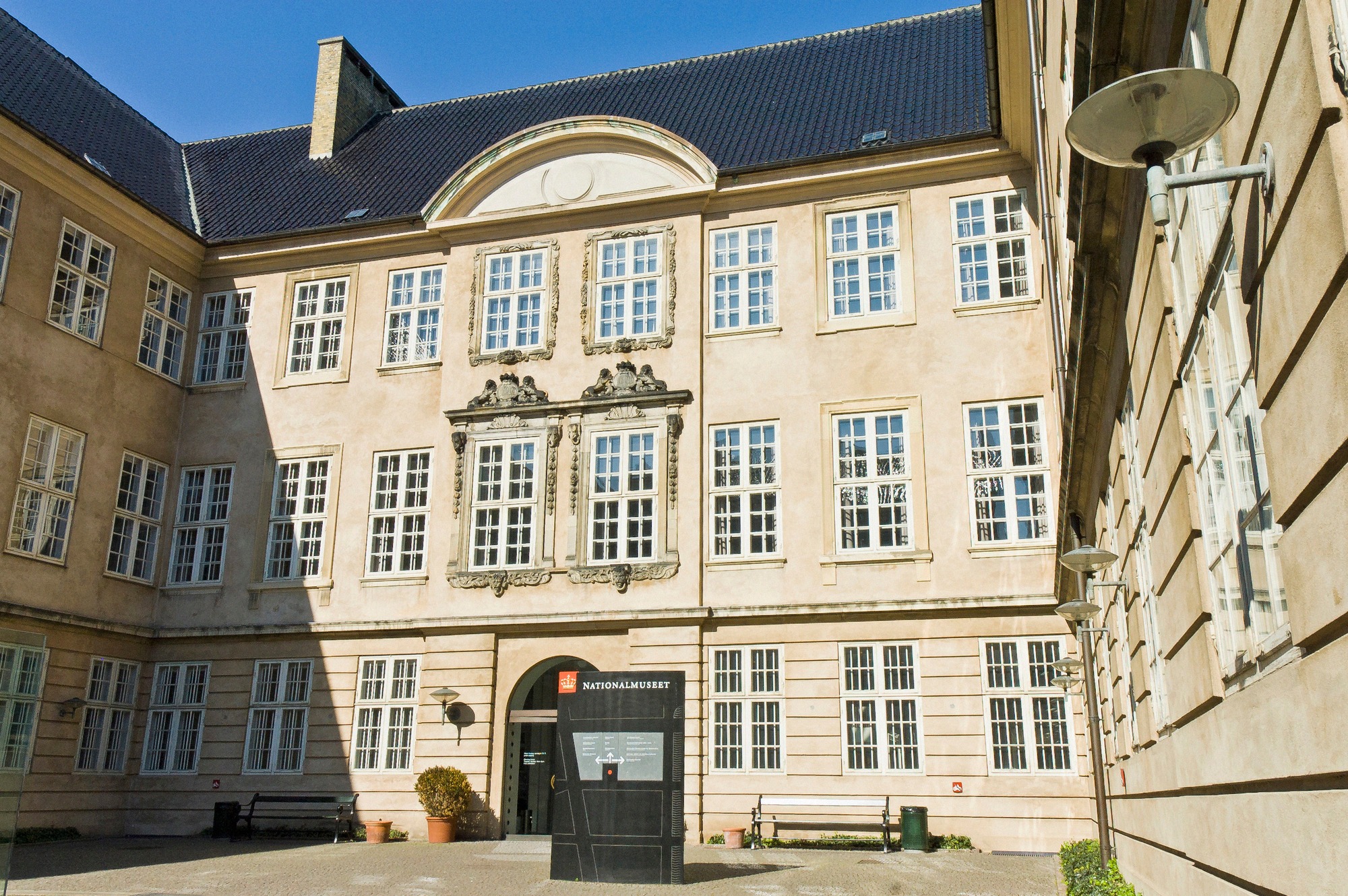
Denmark's largest museum of cultural history fills the former Prince's Palace with 14,000 years of the past, from the Trundholm Sun Chariot to Vikings and world cultures.
Amalienborg Palace
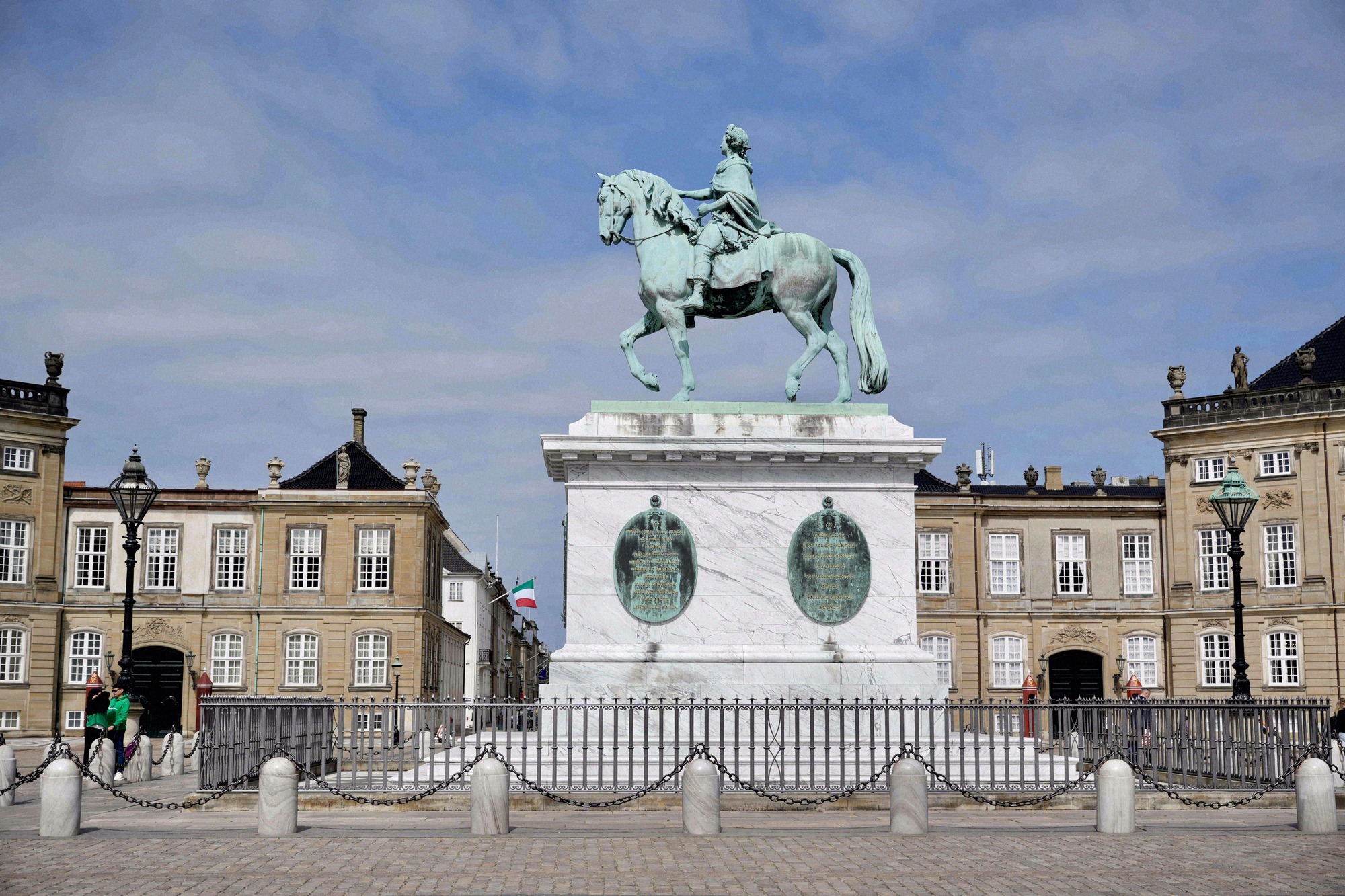
Amalienborg Slot, Denmark's royal residence since 1794, groups four rococo palaces around an octagonal square. Every day at 12:00 the bearskin-capped guards march in for the changing of the guard.
Botanical Garden
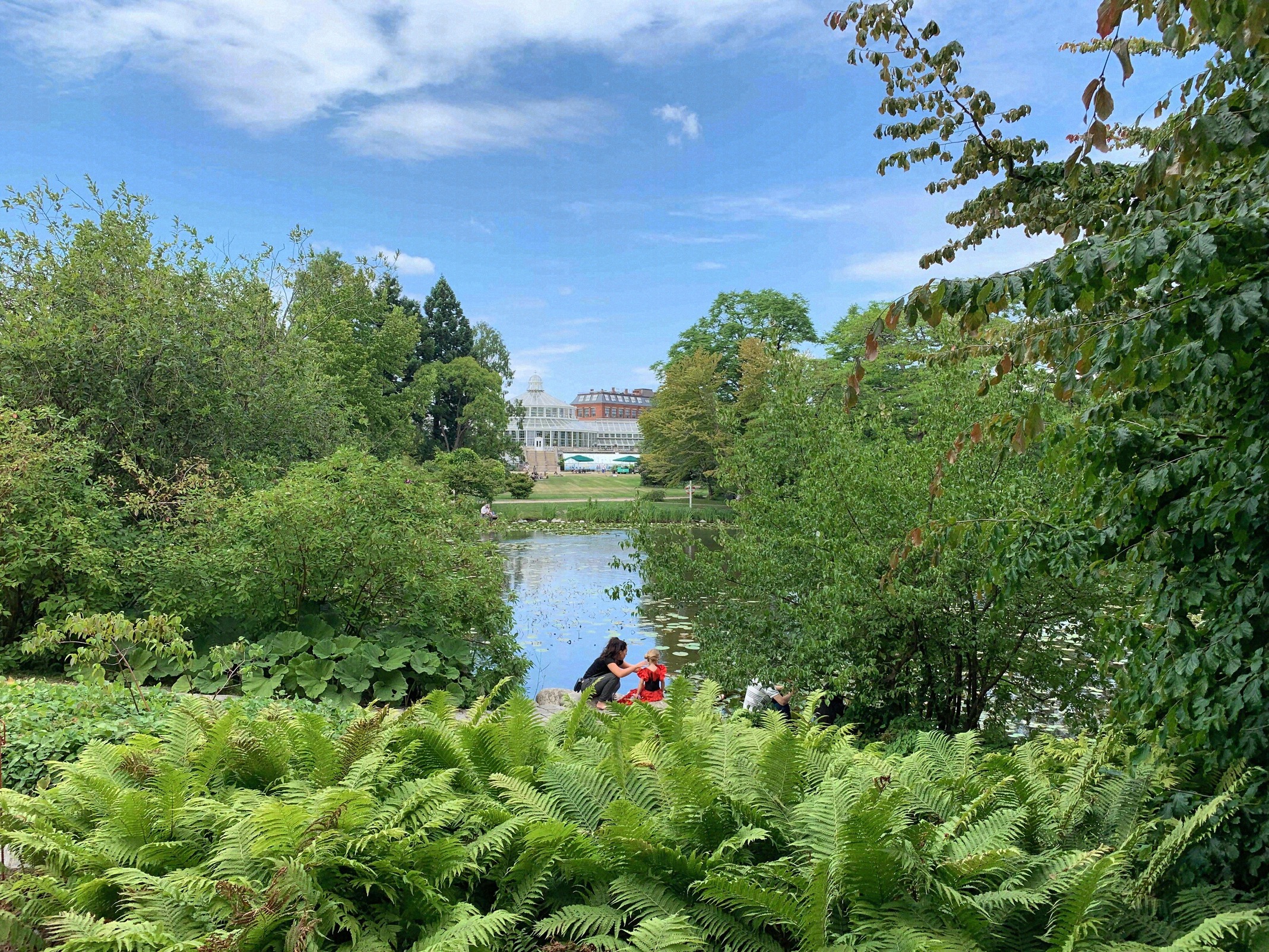
Botanisk Have, the University of Copenhagen's free garden at Nørreport, with a lake landscape, glasshouses and the historic glass-and-steel Palm House.
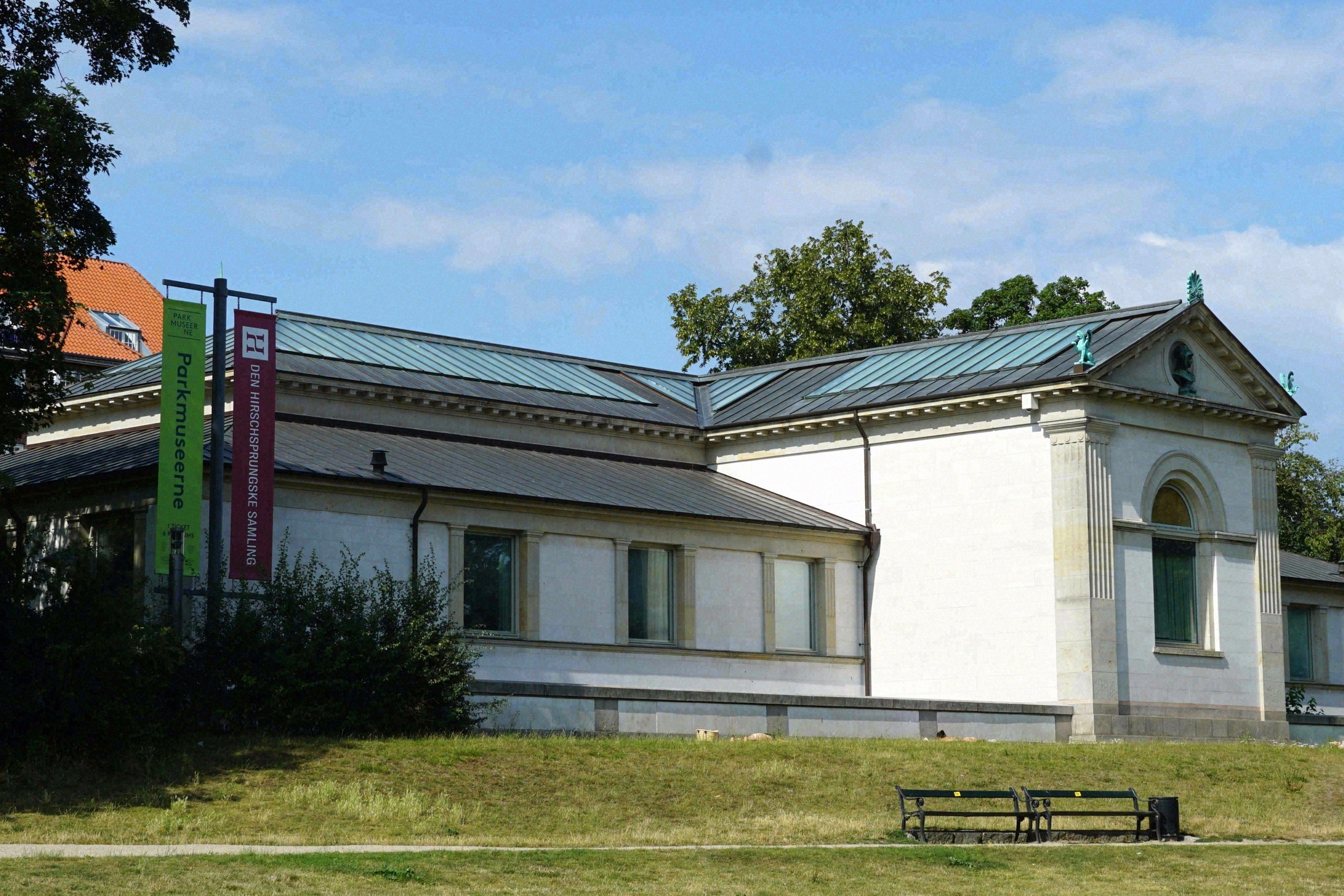
The Hirschsprung Collection
A purpose-built house for Heinrich Hirschsprung's collection of 19th-century Danish art, the Golden Age, the Skagen painters and Hammershøi, next to SMK.
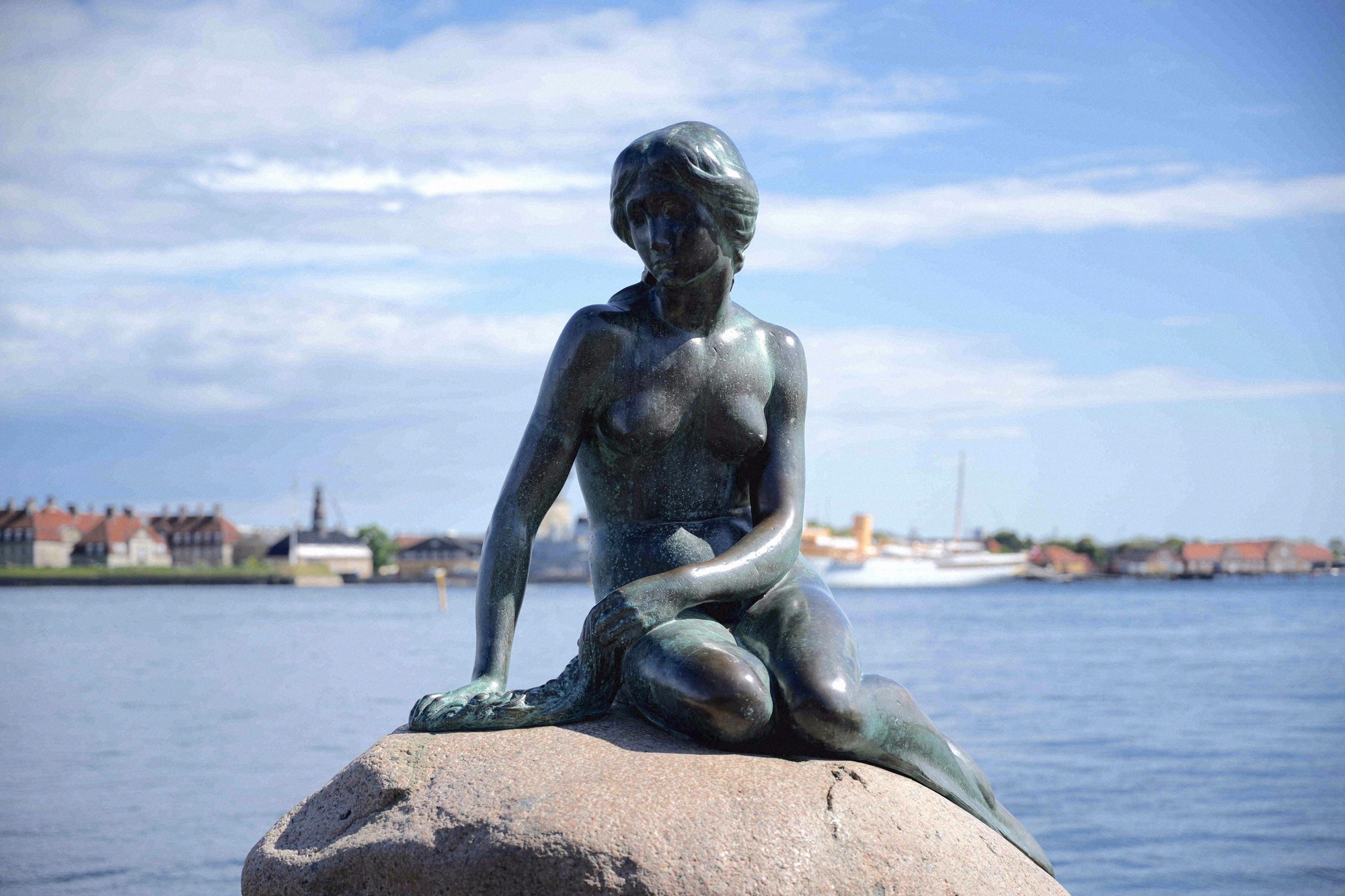
The Little Mermaid
Den lille Havfrue, Edvard Eriksen's bronze figure inspired by Andersen's fairy tale, has sat on the Langelinie quay since 1913 as Copenhagen's world-famous landmark.
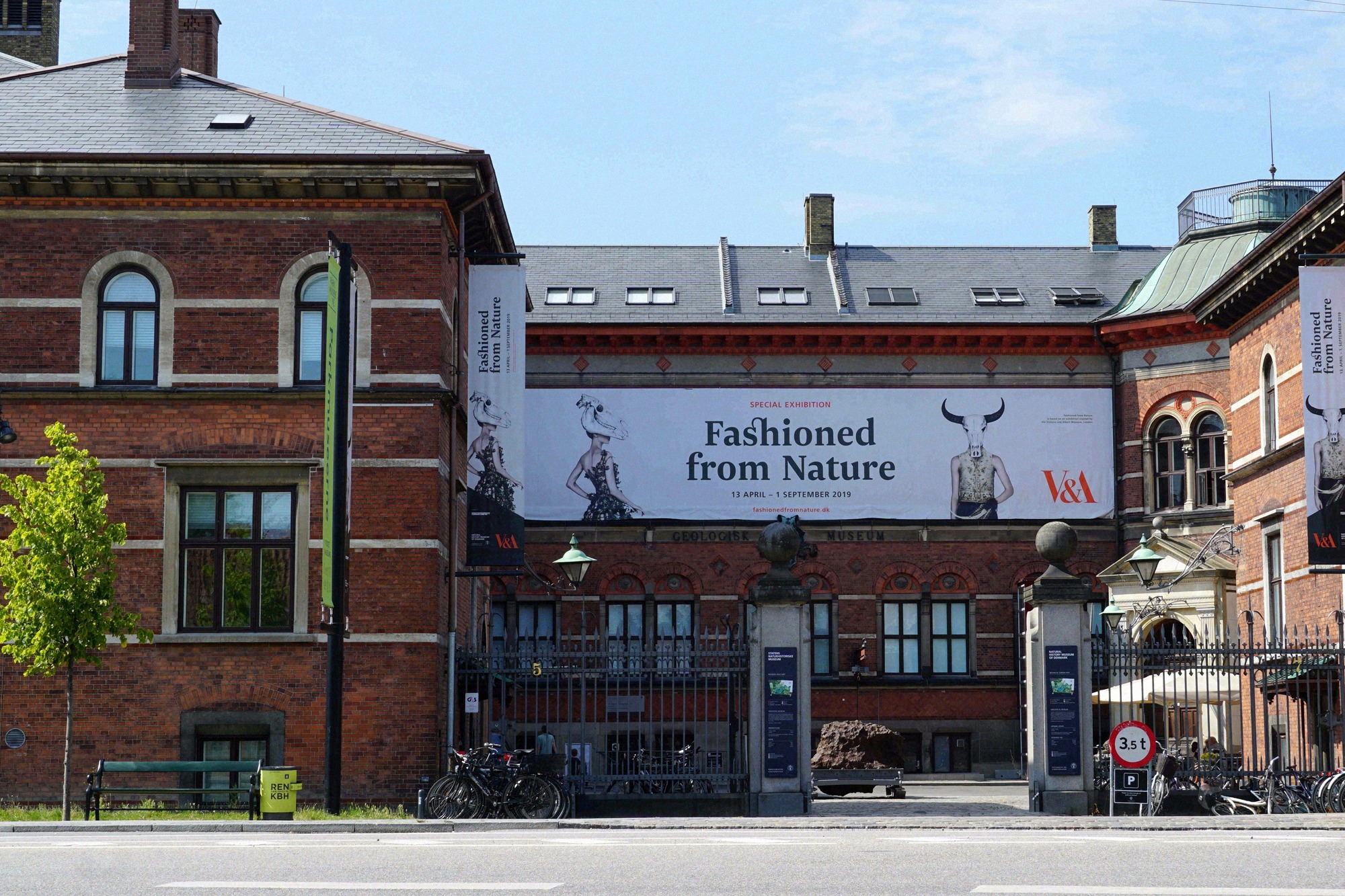
Designmuseum Danmark
From early craft to the chair gallery of Wegner and Jacobsen designs, the collection in this rococo building traces the story of Danish design.
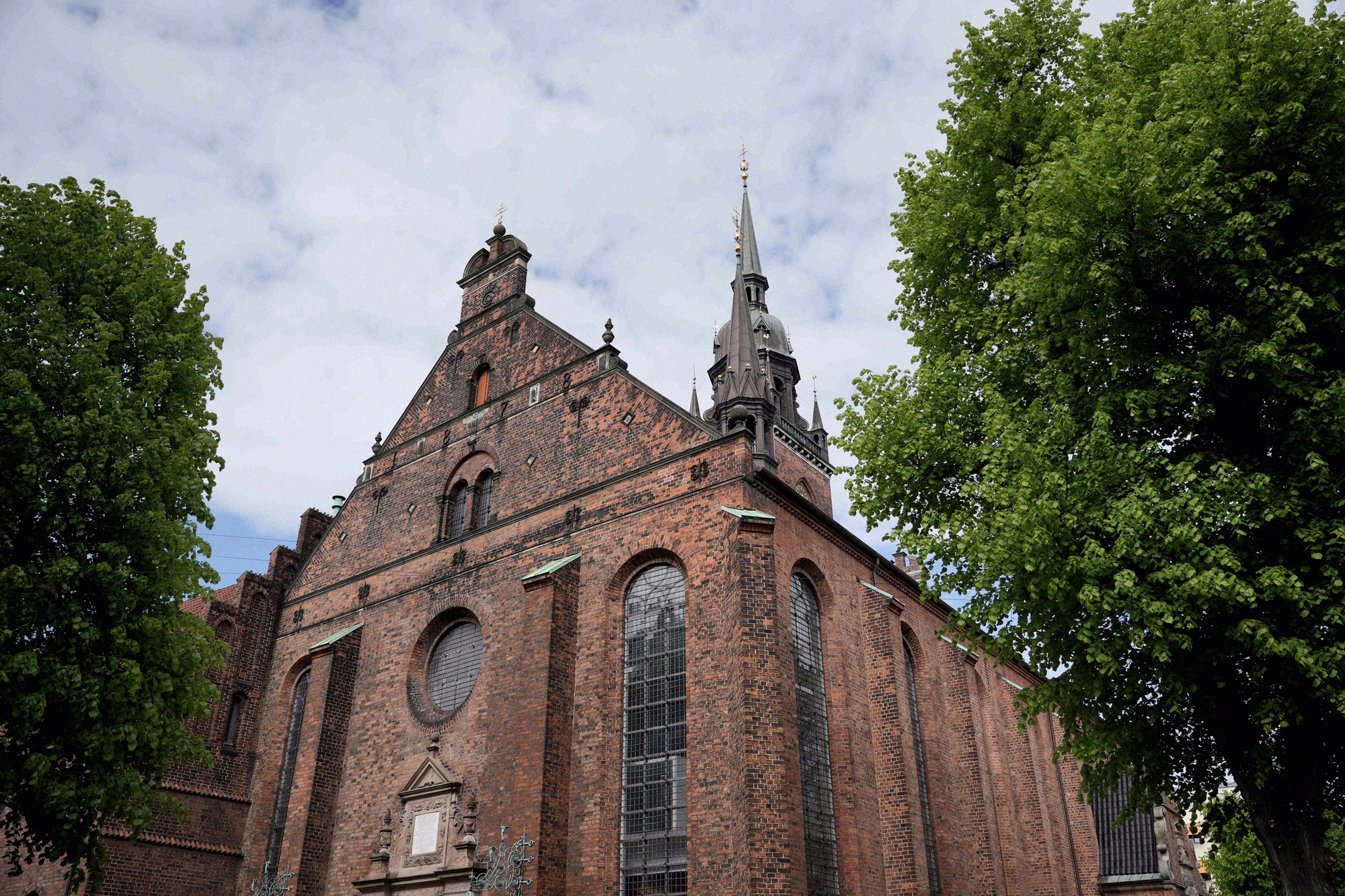
Helligåndskirken
Medieval Church of the Holy Spirit right on Strøget by Amagertorv. Reopened in March 2026 after a two-year renovation, with a Greenlandic congregation.
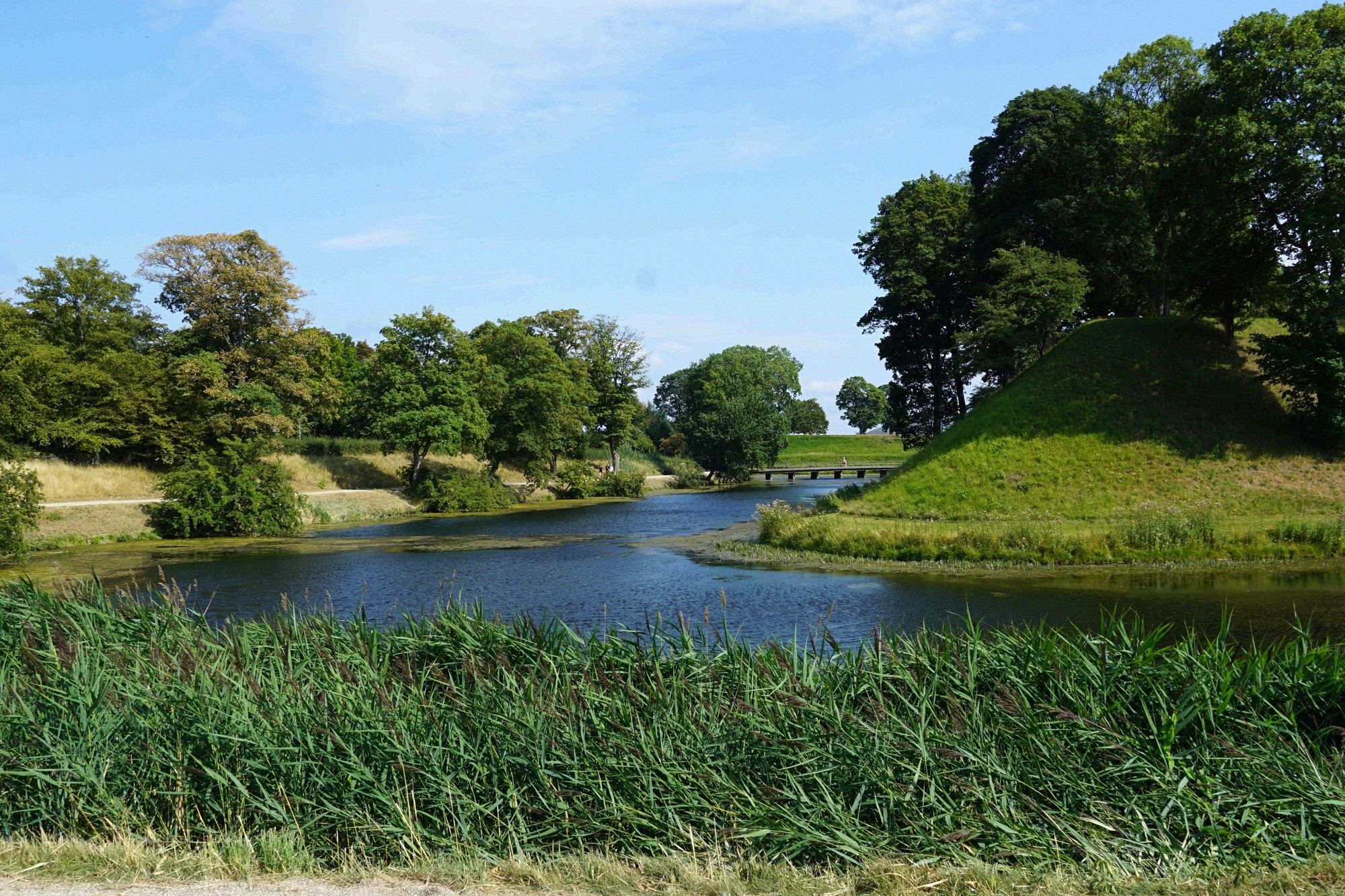
Kastellet
One of Northern Europe's best-preserved star fortresses, five-pointed ramparts, water-filled moats, red barracks and a windmill. Free public park and active barracks in one.
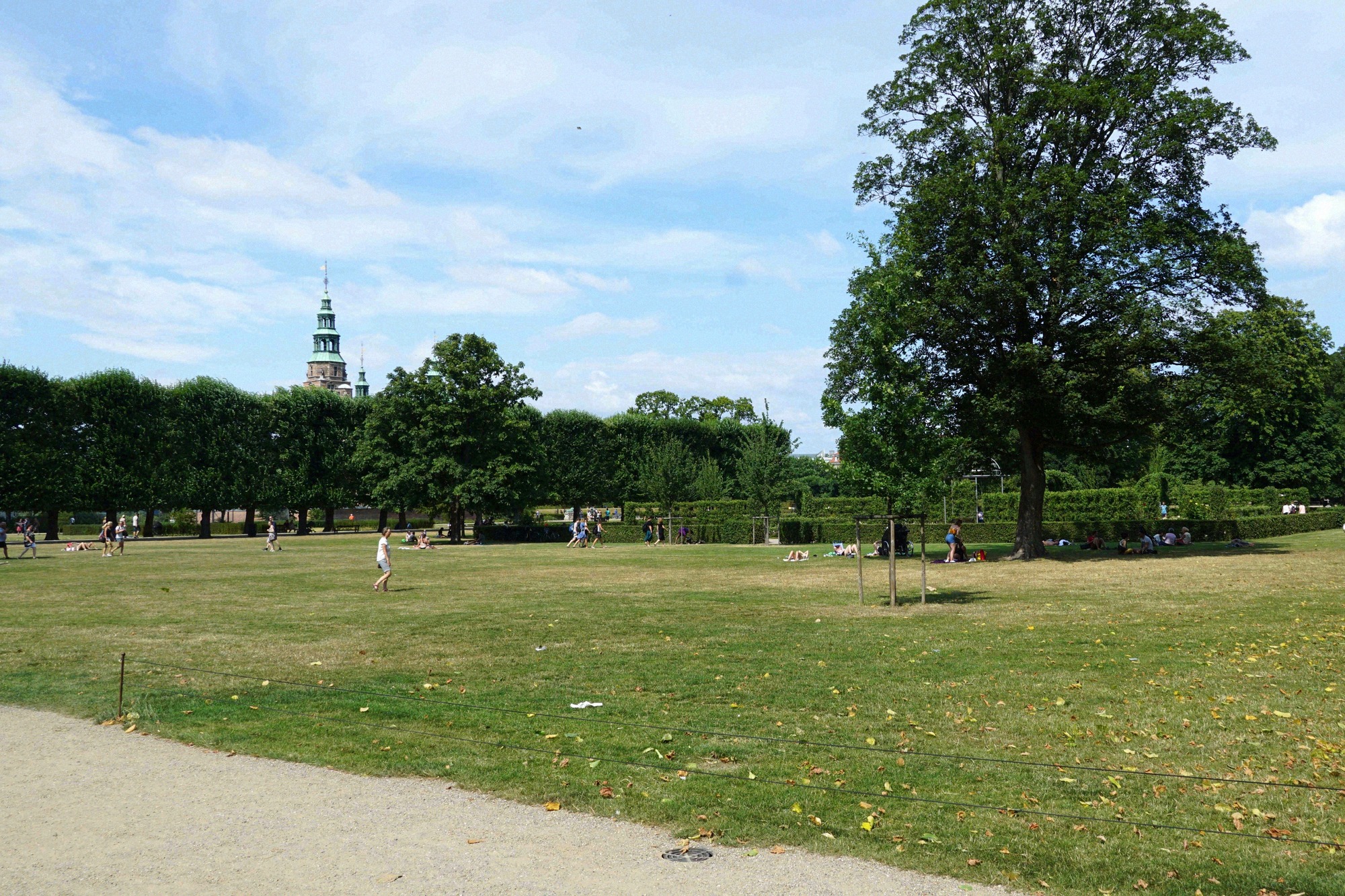
Kongens Have
Kongens Have is Copenhagen's oldest and most-visited park, laid out in 1606 by Christian IV. Rose garden, lime avenues and a puppet theatre around Rosenborg Castle.
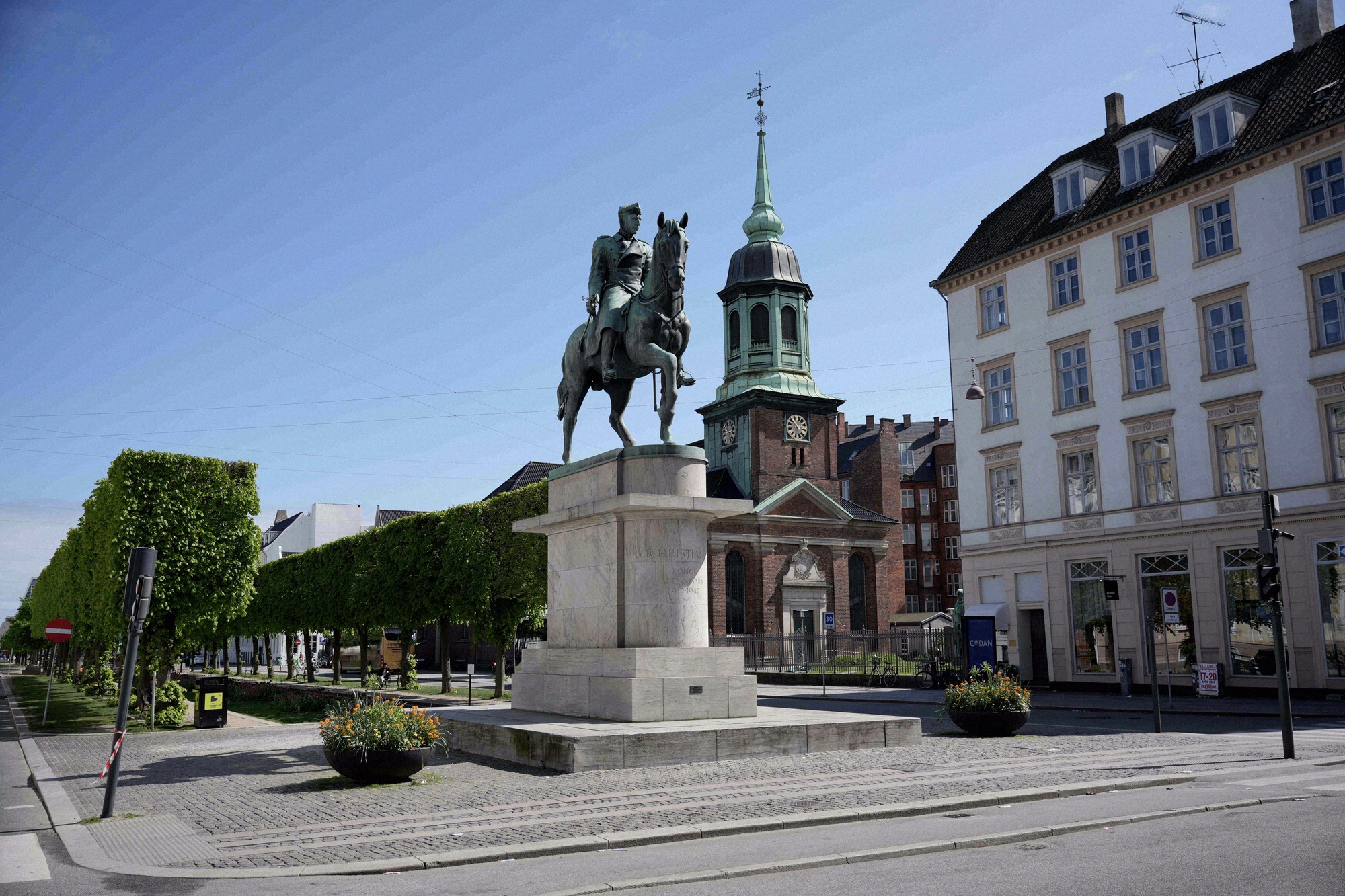
Kongens Nytorv
Copenhagen's largest square, with an equestrian statue, the Royal Theatre, Charlottenborg and Magasin du Nord, open around the clock, with an ice rink and Christmas market in winter.
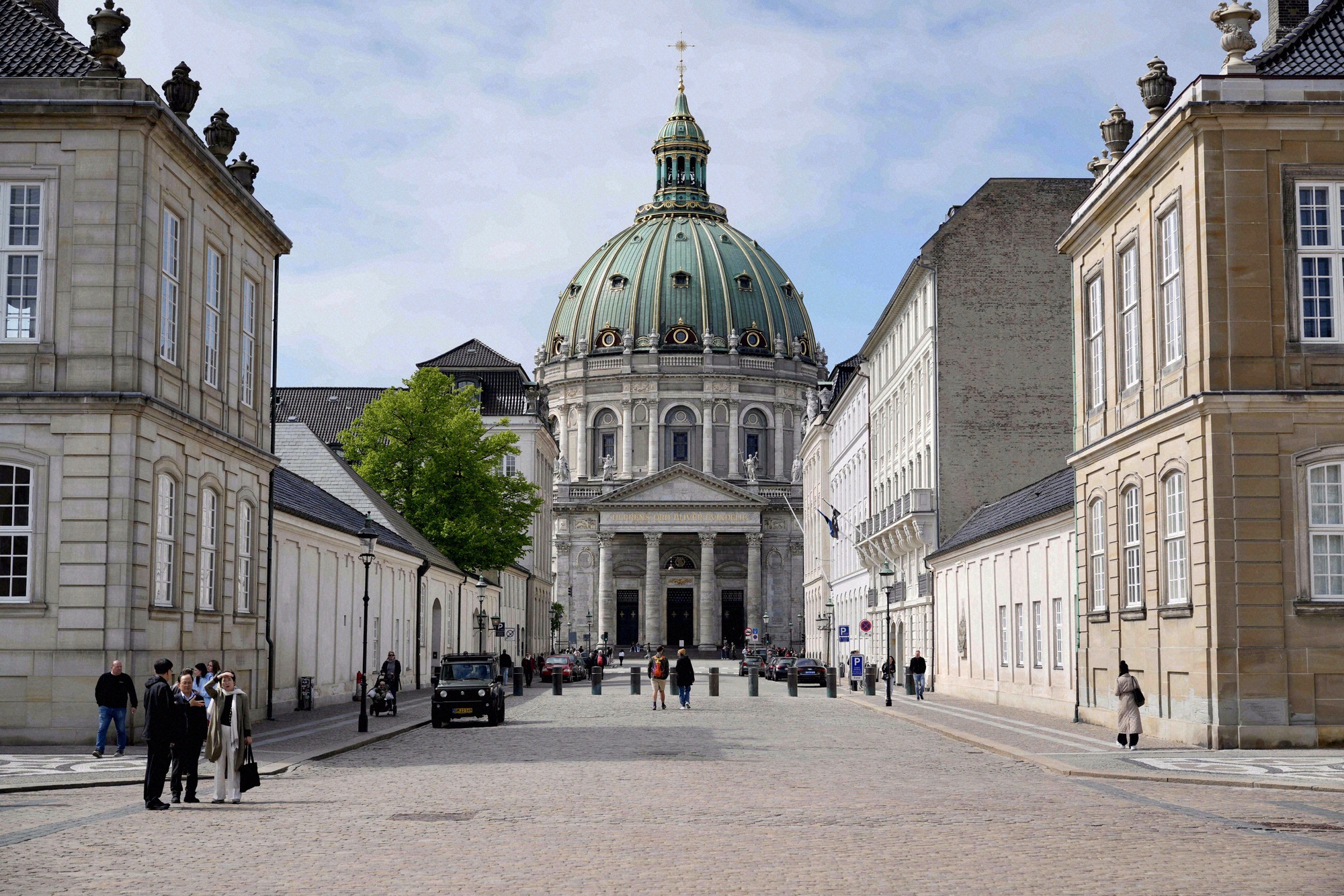
Marble Church
Frederik's Church, crowned by Scandinavia's largest church dome, stands on the sightline from Amalienborg. Free entry inside, with dome climbs at weekends.
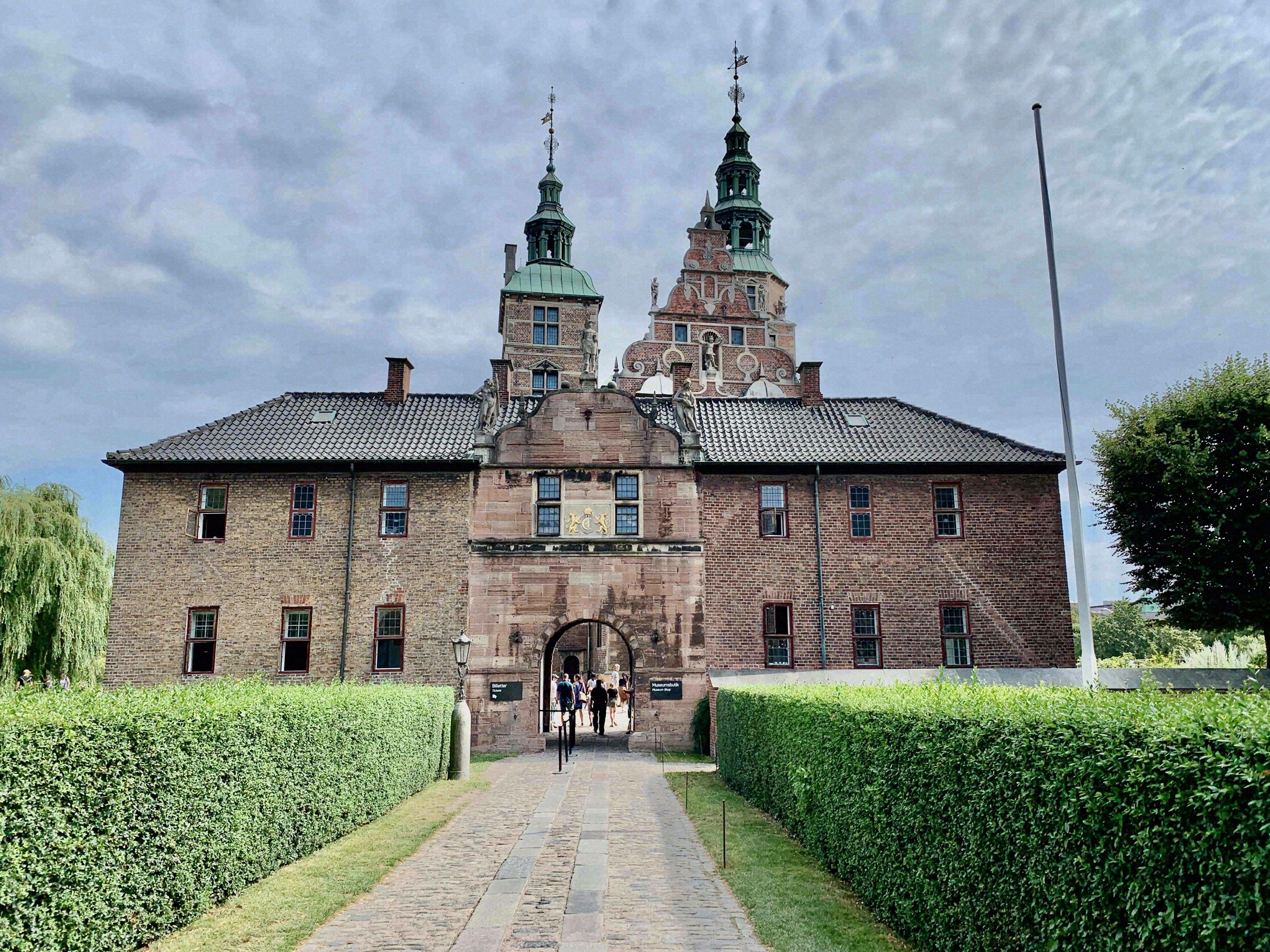
Rosenborg Castle
Rosenborg Slot, Christian IV's Renaissance pleasure palace, keeps the Danish Crown Jewels in its treasury, plus the Knights' Hall, set in the Kongens Have park.
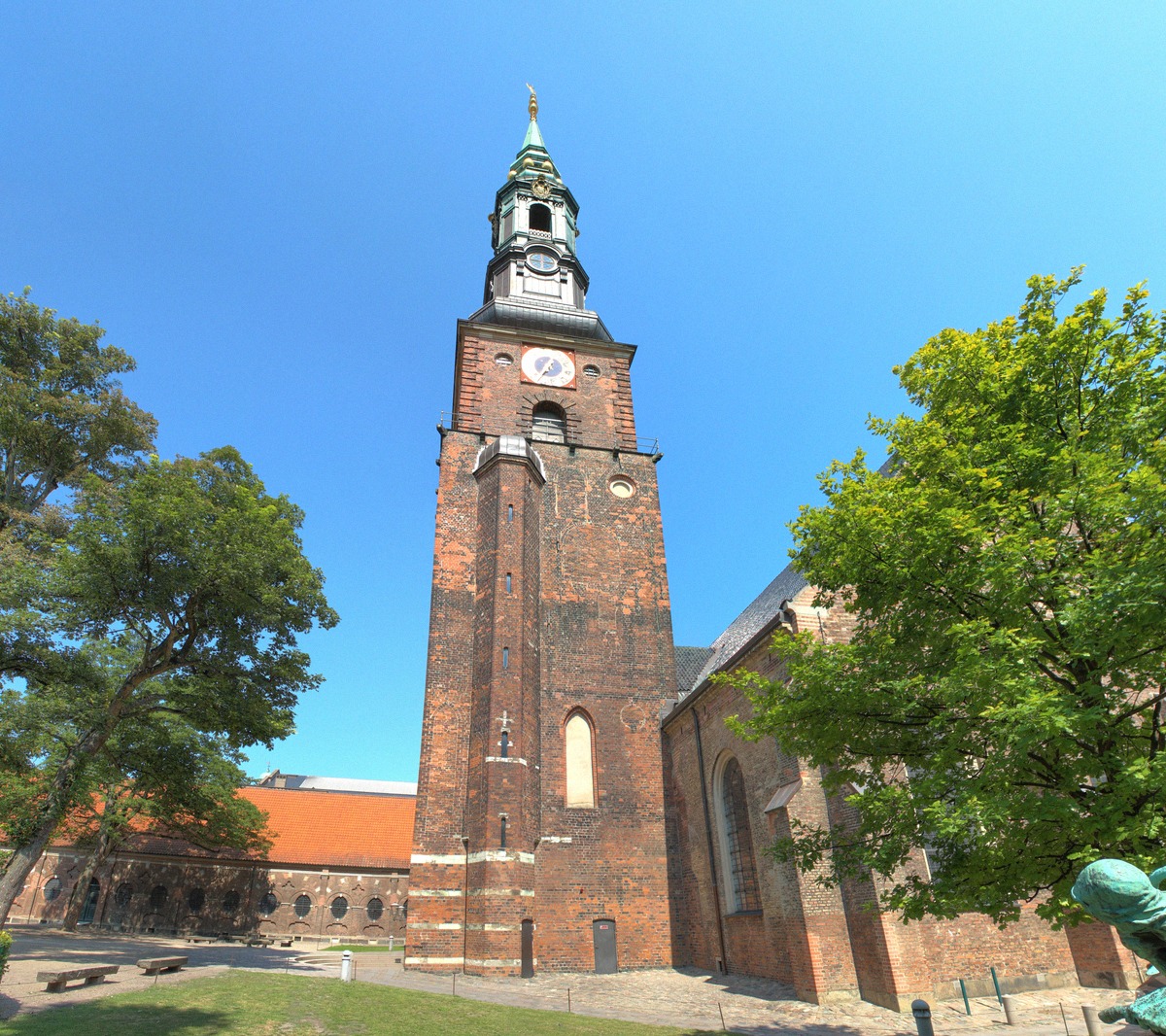
Sankt Petri Kirke
Sankt Petri Kirke is the oldest surviving church in central Copenhagen and home to the city's German congregation. Don't miss the baroque burial chapels with their herb garden.
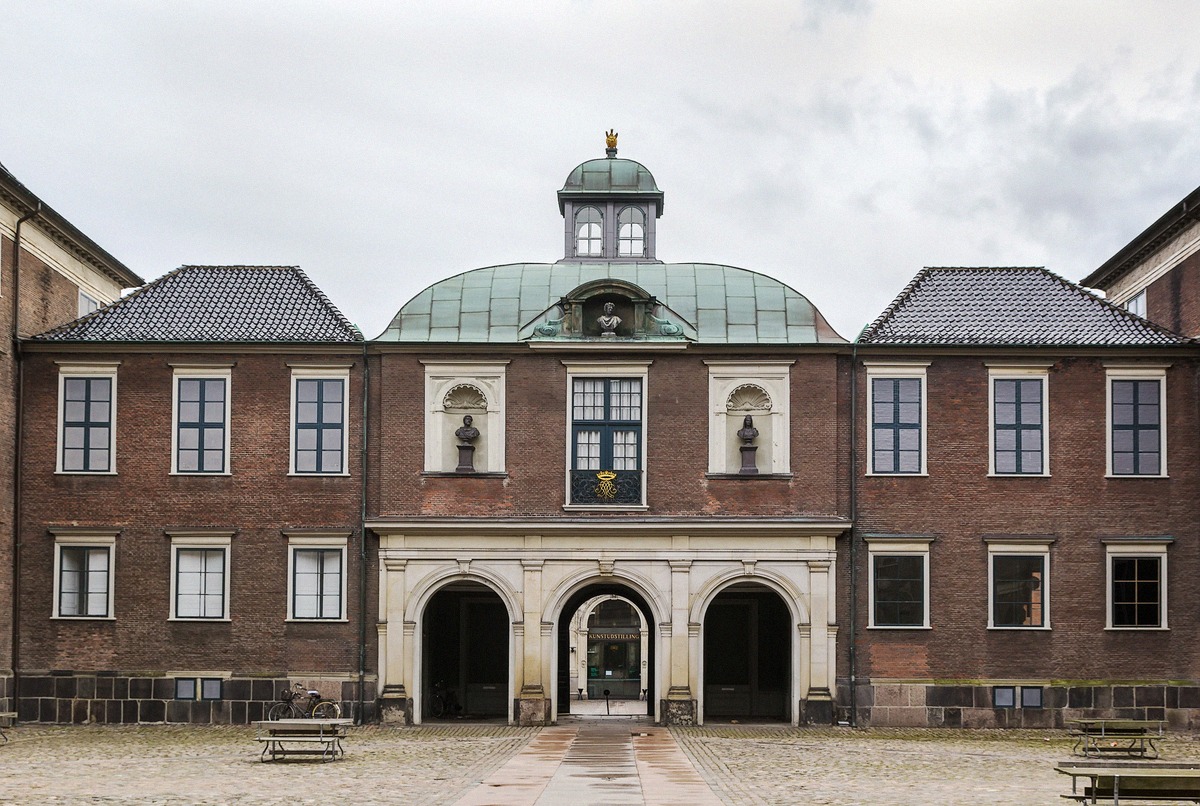
Charlottenborg Palace
Charlottenborg Palace on Kongens Nytorv houses Kunsthal Charlottenborg, a major contemporary art hall in the Baroque Royal Danish Academy of Fine Arts.
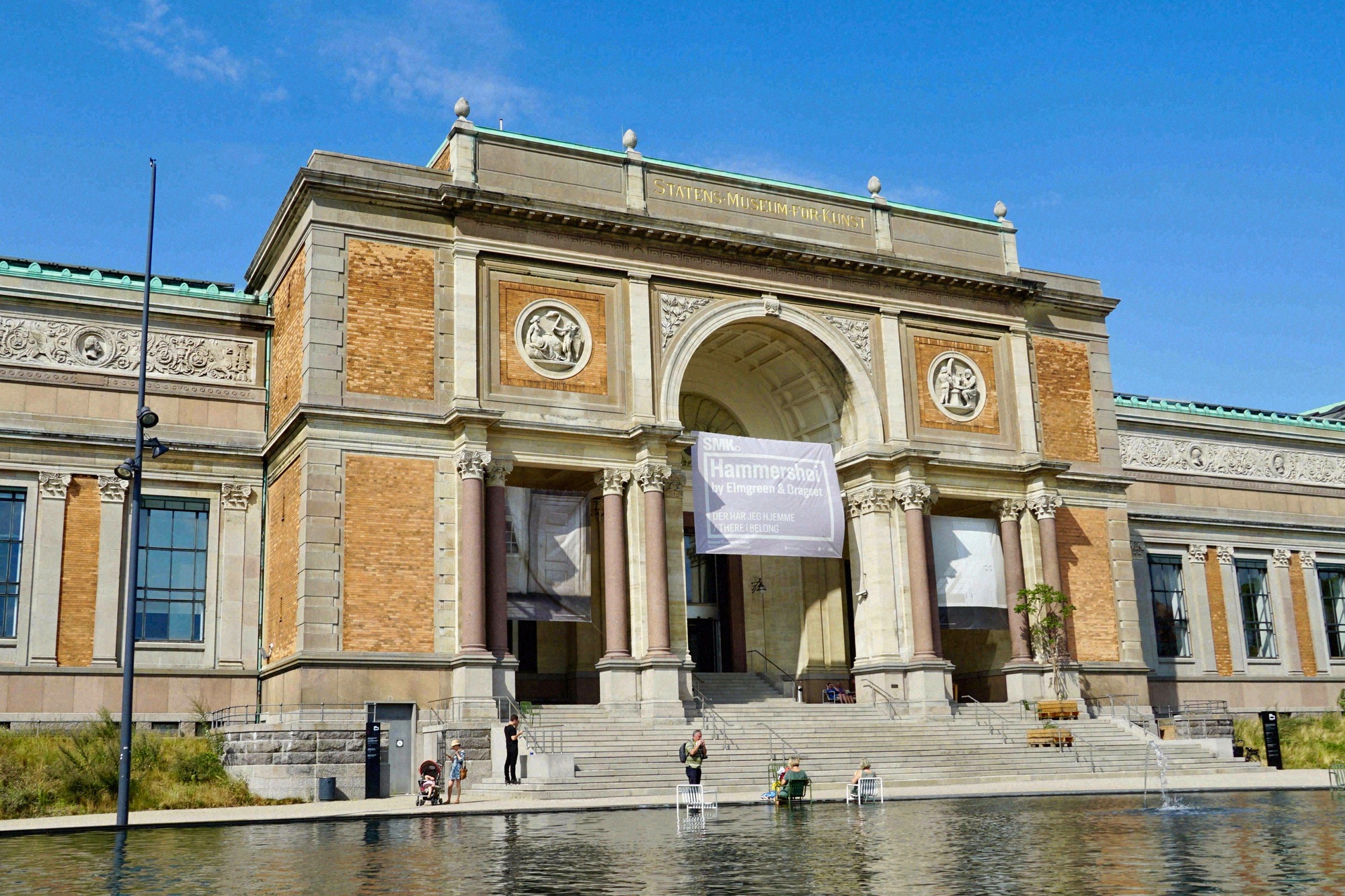
SMK
The Statens Museum for Kunst (SMK) is Denmark's national gallery, spanning seven centuries of art, from the Golden Age to Hammershøi, Matisse and Picasso.
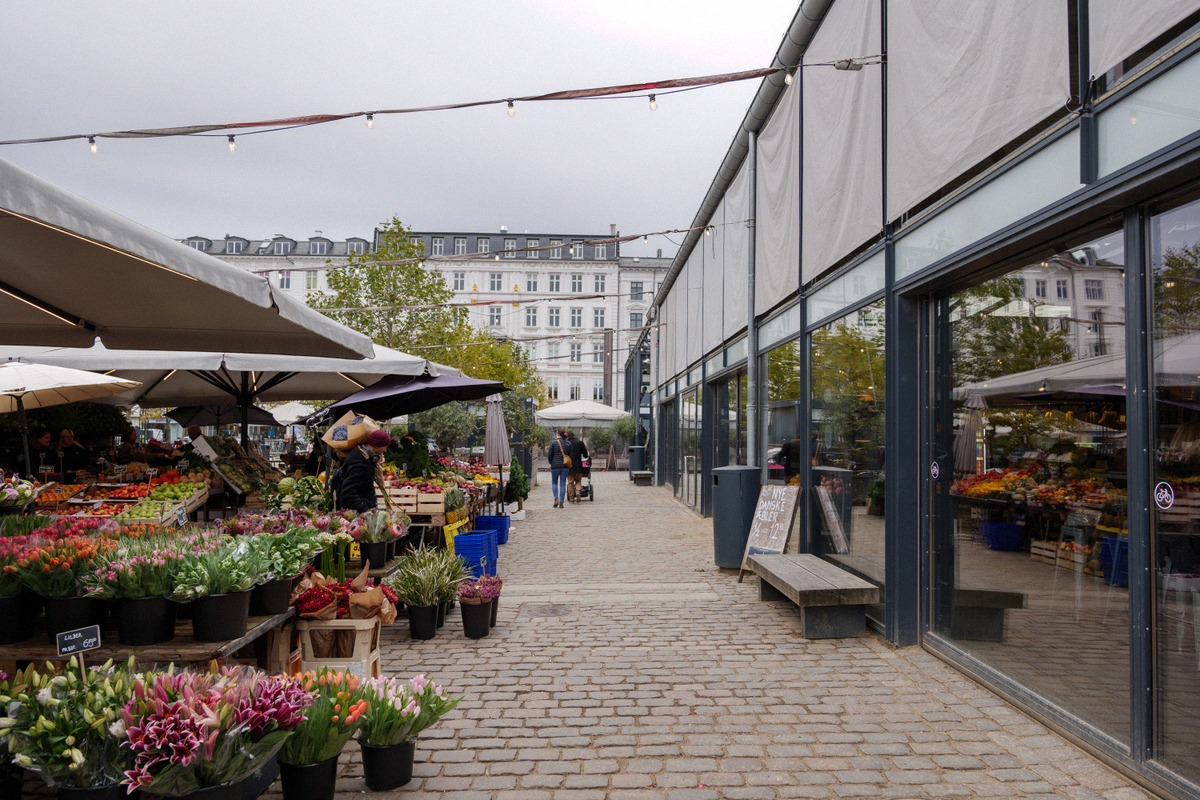
Torvehallerne
Two glass-roofed market halls on Israels Plads with over 60 stalls, smørrebrød, specialty coffee, tacos, chocolate and fresh produce - Copenhagen's foodie hub near Nørreport.
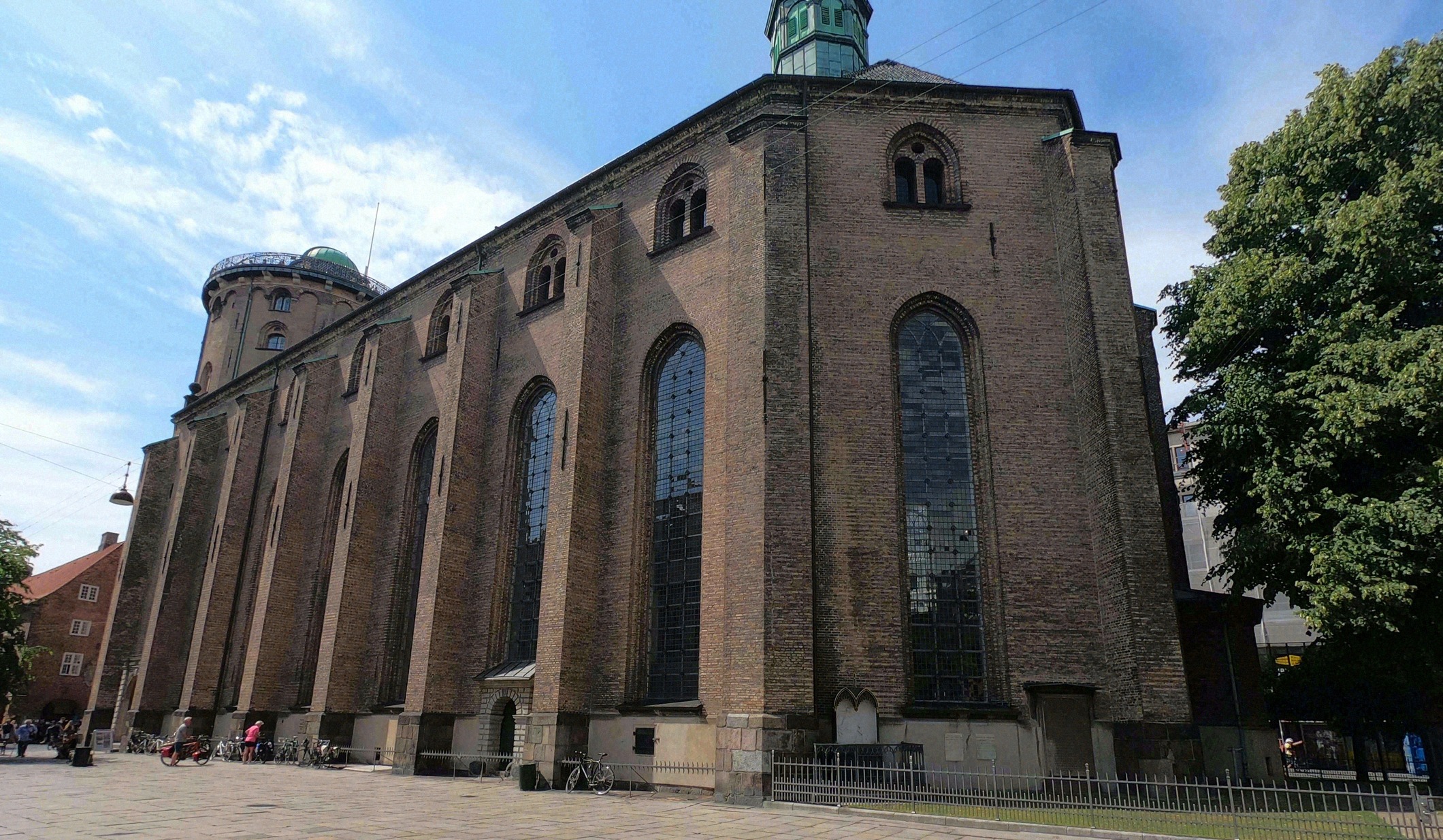
Trinitatis Kirke
University church of Christian IV in the old town, physically joined to the Round Tower. Bright interior, active music programme, free admission.
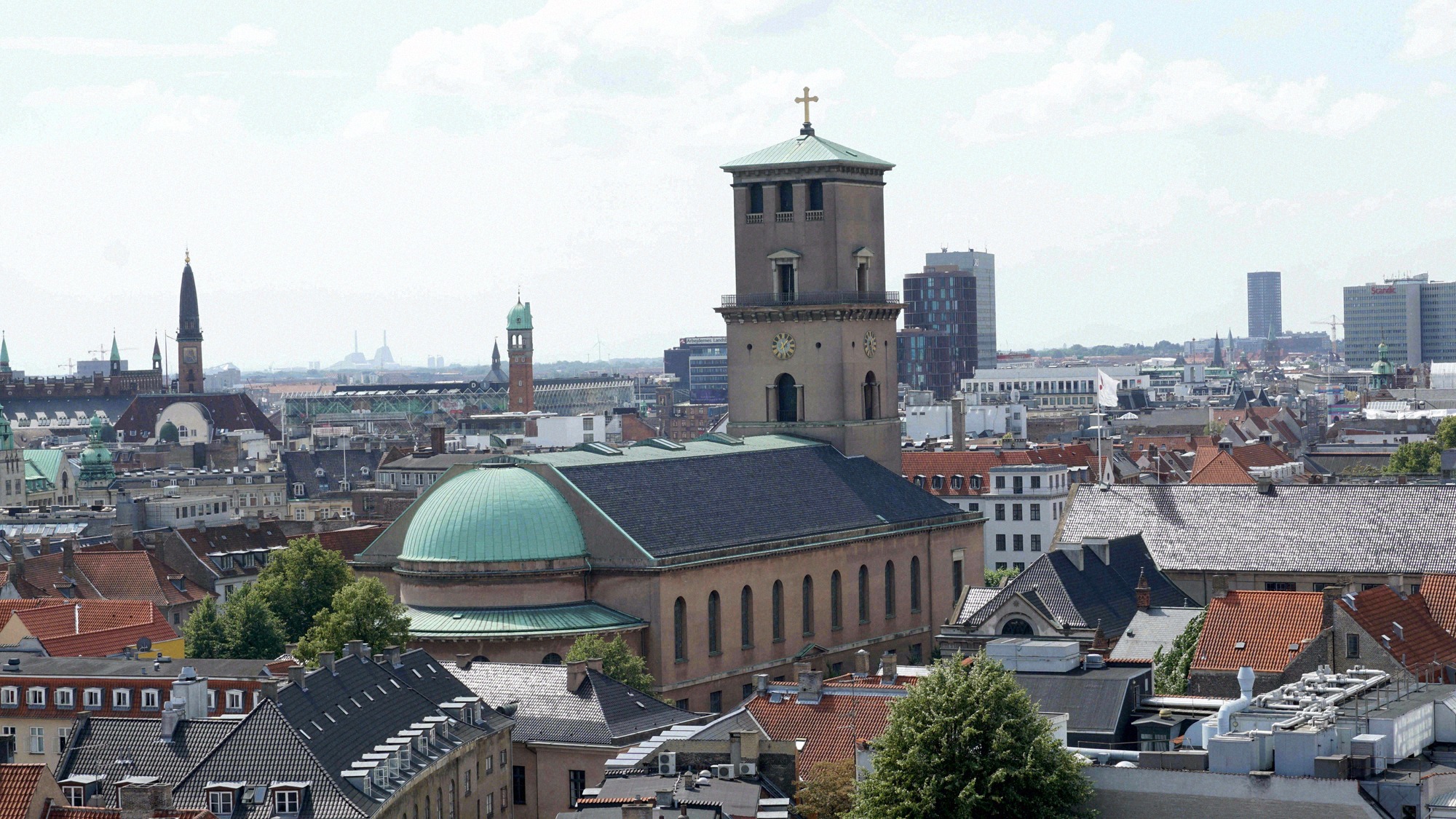
Copenhagen Cathedral (Vor Frue Kirke)
Vor Frue Kirke on Frue Plads is Copenhagen Cathedral: a neoclassical church by C. F. Hansen with Thorvaldsen's Christ figure and row of apostles. Free entry.