
Botanical Garden
University garden with a historic Palm House
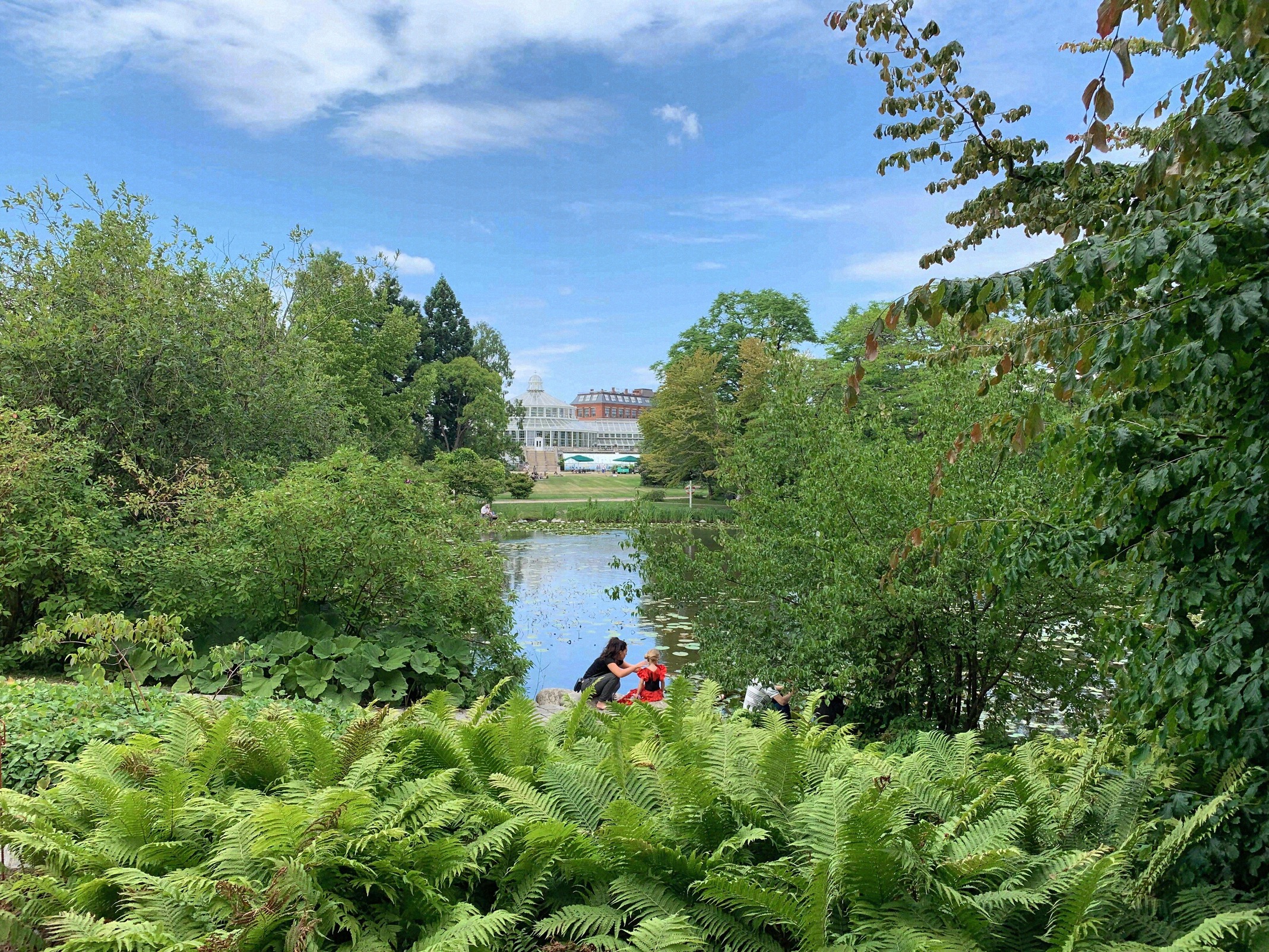
Botanisk Have, the University of Copenhagen's free garden at Nørreport, with a lake landscape, glasshouses and the historic glass-and-steel Palm House.
Contents
A university garden
The Botanical Garden is part of the Statens Naturhistoriske Museum, the Natural History Museum of Denmark at the University of Copenhagen. It sits on the remains of the old city ramparts at Gothersgade 128, just a short walk from Nørreport station, making it one of the most central green spaces in the city. Unlike an ordinary park, it still serves research and teaching today - for instance as a gene bank for wild plants - while remaining free and open to everyone.
The garden as it stands today dates back to the 19th century. In 1871, members of the Danish parliament planted the first tree on the former ramparts, with the layout inspired by gardens in England and Belgium. What began as a simple teaching garden grew into a landscaped collection with a lake, hills and glasshouses.
What to expect
The garden combines an open, freely accessible landscape park with a series of glasshouses:
- The park, with an artificial lake, a rock garden and old trees - free to enter and a good spot to catch your breath in the middle of the city.
- The Palm House, the architectural centrepiece: a historic glass-and-steel structure with tropical and subtropical plants spread over several levels. Admission applies here.
- The Butterfly House, included in the Palm House ticket.
- More glasshouses with collections ranging from alpine and arctic plants to cacti, orchids and carnivorous plants.
If you only want to walk through the park, you don't need a ticket. The glasshouses require a Palm House ticket. Note that parts of the Palm House currently have restricted access due to renovation work - it's worth checking the official website before your visit.
Admission, hours and tickets
The garden is free and open year-round: in summer (1 March to 24 October) daily from 08:30 to 18:00, in winter (25 October to 28 February) daily from 08:30 to 16:00. The Palm House charges admission and keeps its own, shorter hours:
- Palm House summer: Tue-Sun 10:00-17:00, Mondays only in July and August.
- Palm House winter: Tue-Sun 10:00-15:30, closed Mondays.
- Last admission is 15 minutes before closing.
Admission costs 70 DKK for adults, 40 DKK each for children aged 3 to 17 and students, with children up to 2 free (as of 2026, confirm in the webshop). Tickets are sold online with a time slot; booking ahead through the official webshop is recommended. The entire garden is closed on 24, 25, 26 and 31 December and on 1 January.
Visiting & best time
Allow 1 to 1.5 hours for the park, or closer to 2 to 3 hours with the Palm House and Butterfly House. The garden is at its best from spring to early summer, when the plants are in bloom. Mornings shortly after opening are quietest - especially worth it for the Palm House. In bad weather, the glasshouses make a good fallback plan.
If you're short on time, the garden makes a pleasant stop but isn't essential: to skip the admission fee, enjoy the park for free and leave the Palm House for another visit.
Getting there & combining your visit
The main entrance is at Gothersgade 128 in Indre By (the city centre), just a short walk from Nørreport station, a hub for the metro, S-train, regional trains and buses. The garden has no car park of its own.
Directly opposite are Rosenborg Castle, home to the crown jewels, and the city's oldest park, Kongens Have - both combine well with the garden for a green morning out. For a break, the nearby Torvehallerne market at Nørreport is a good option. If you'd like some art afterwards, pair your visit with the Hirschsprung Collection of Danish painting at Østre Anlæg. For planning ahead, see the attractions overview and the Copenhagen with kids guide.
Frequently asked questions
Is there an entrance fee for the Botanical Garden? +
When is the Palm House open? +
How much time should you allow? +
How do you get to the Botanical Garden? +
Nearby
Torvehallerne
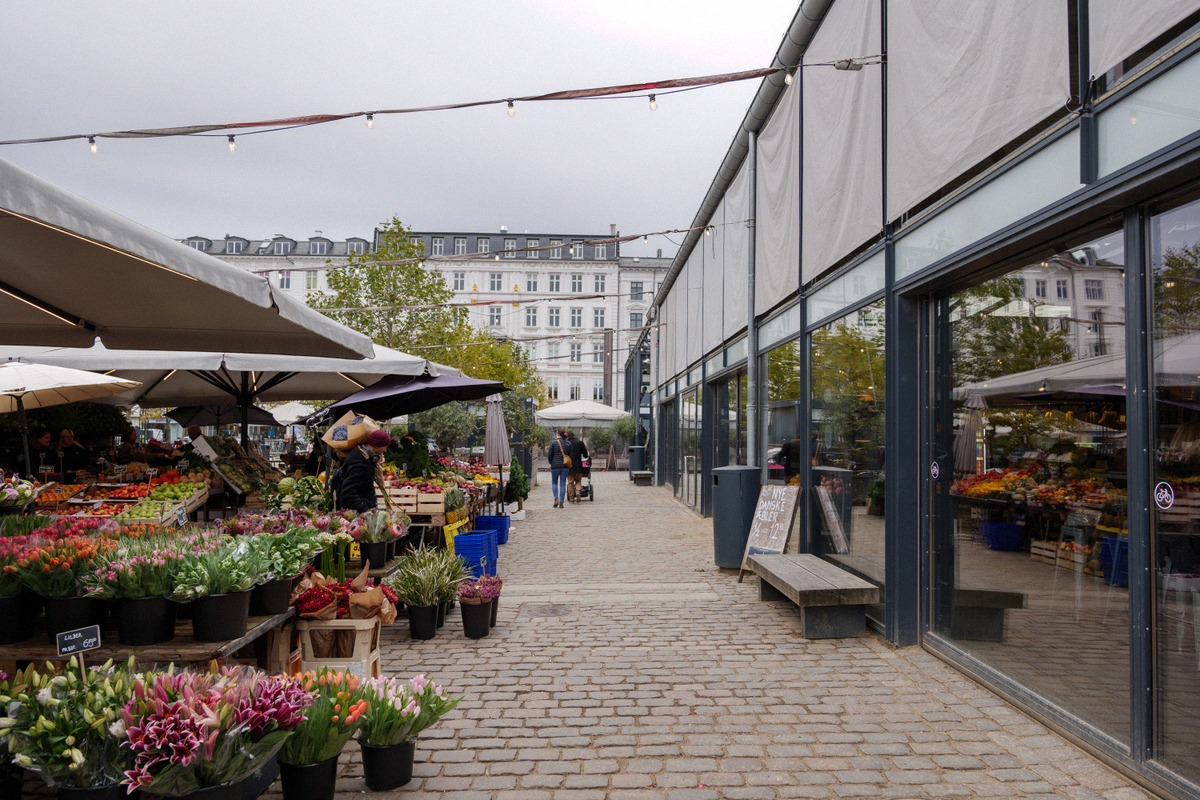
Two glass-roofed market halls on Israels Plads with over 60 stalls, smørrebrød, specialty coffee, tacos, chocolate and fresh produce - Copenhagen's foodie hub near Nørreport.
Rosenborg Castle
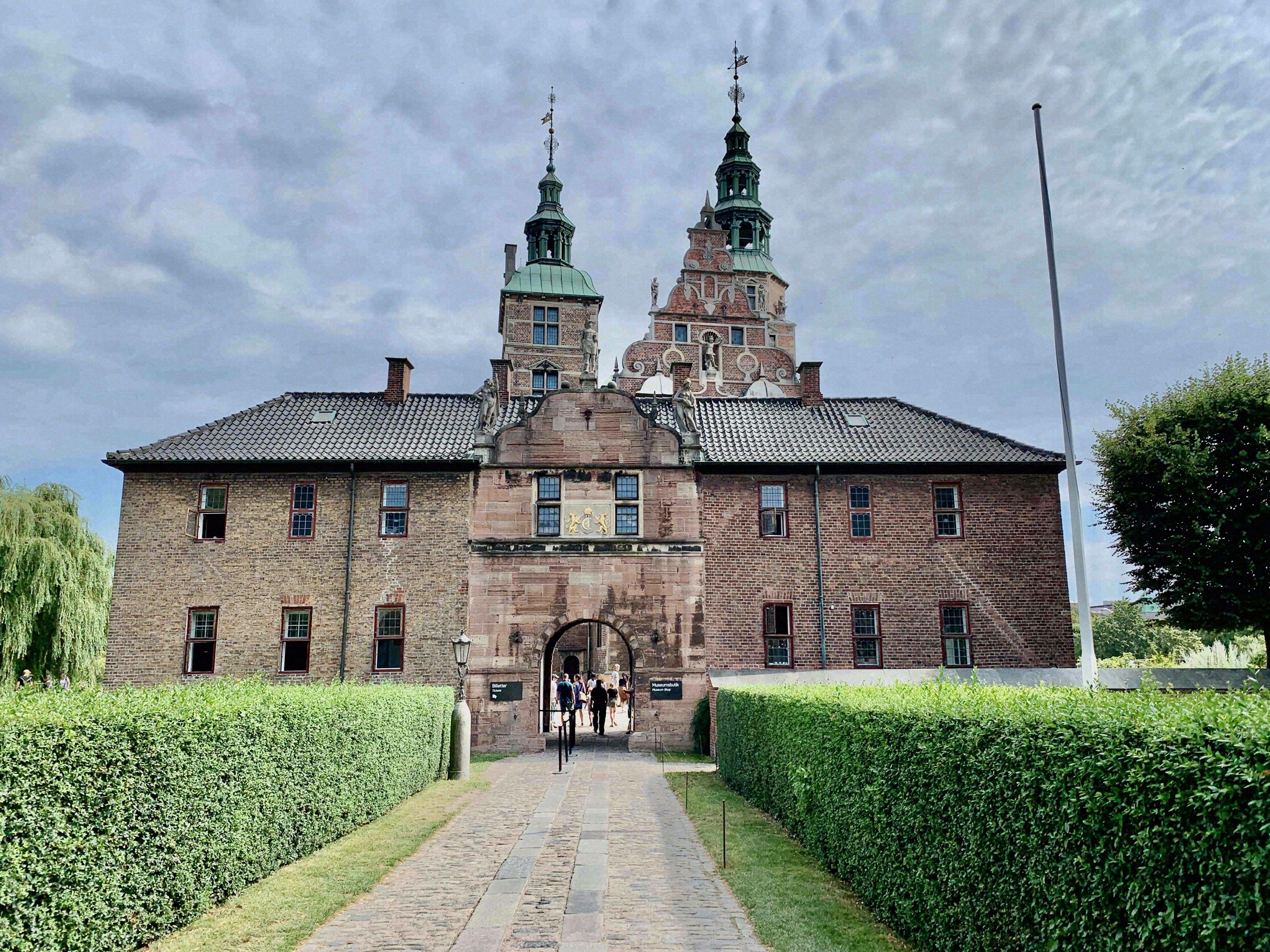
Rosenborg Slot, Christian IV's Renaissance pleasure palace, keeps the Danish Crown Jewels in its treasury, plus the Knights' Hall, set in the Kongens Have park.
Trinitatis Kirke
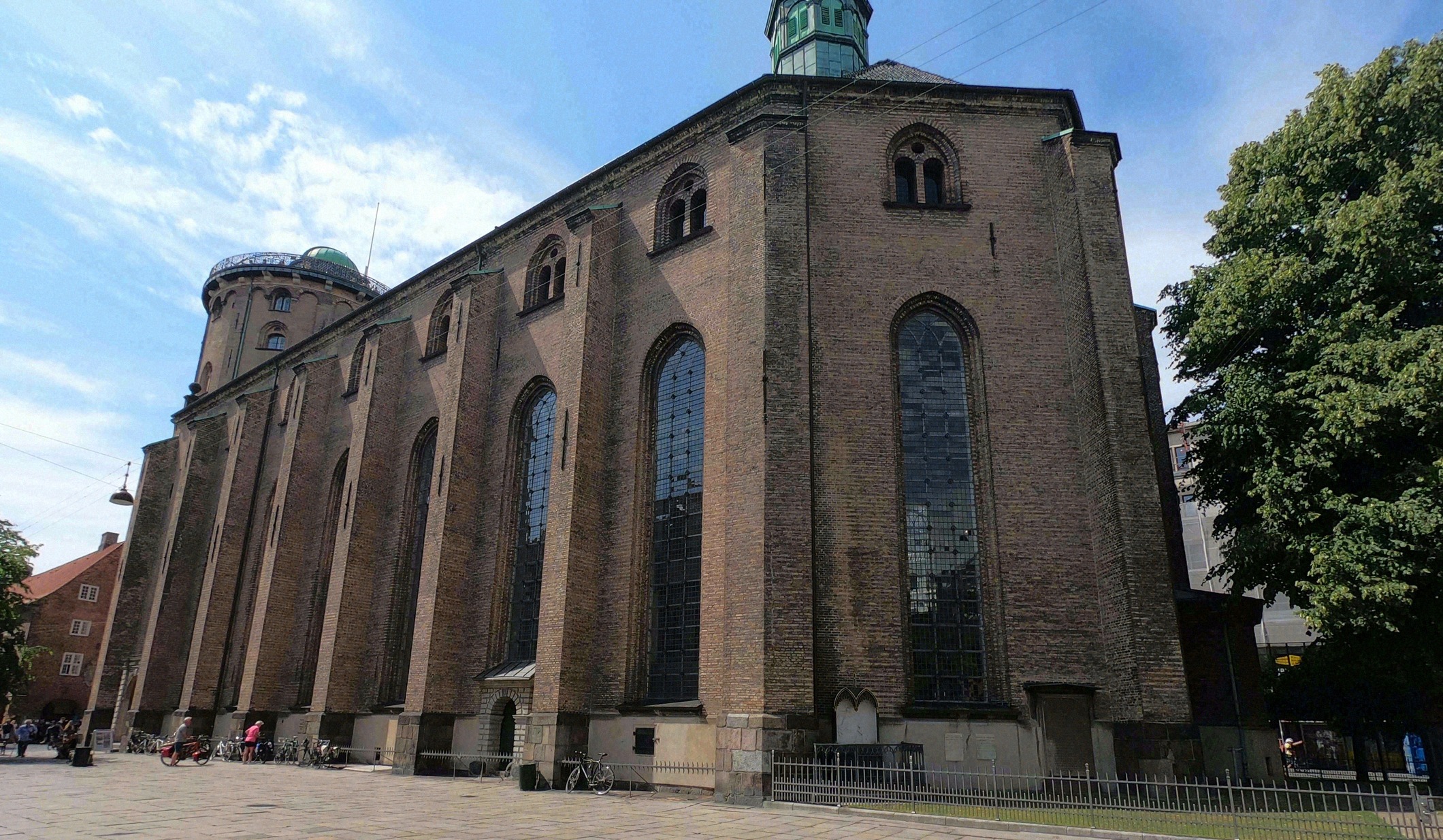
University church of Christian IV in the old town, physically joined to the Round Tower. Bright interior, active music programme, free admission.
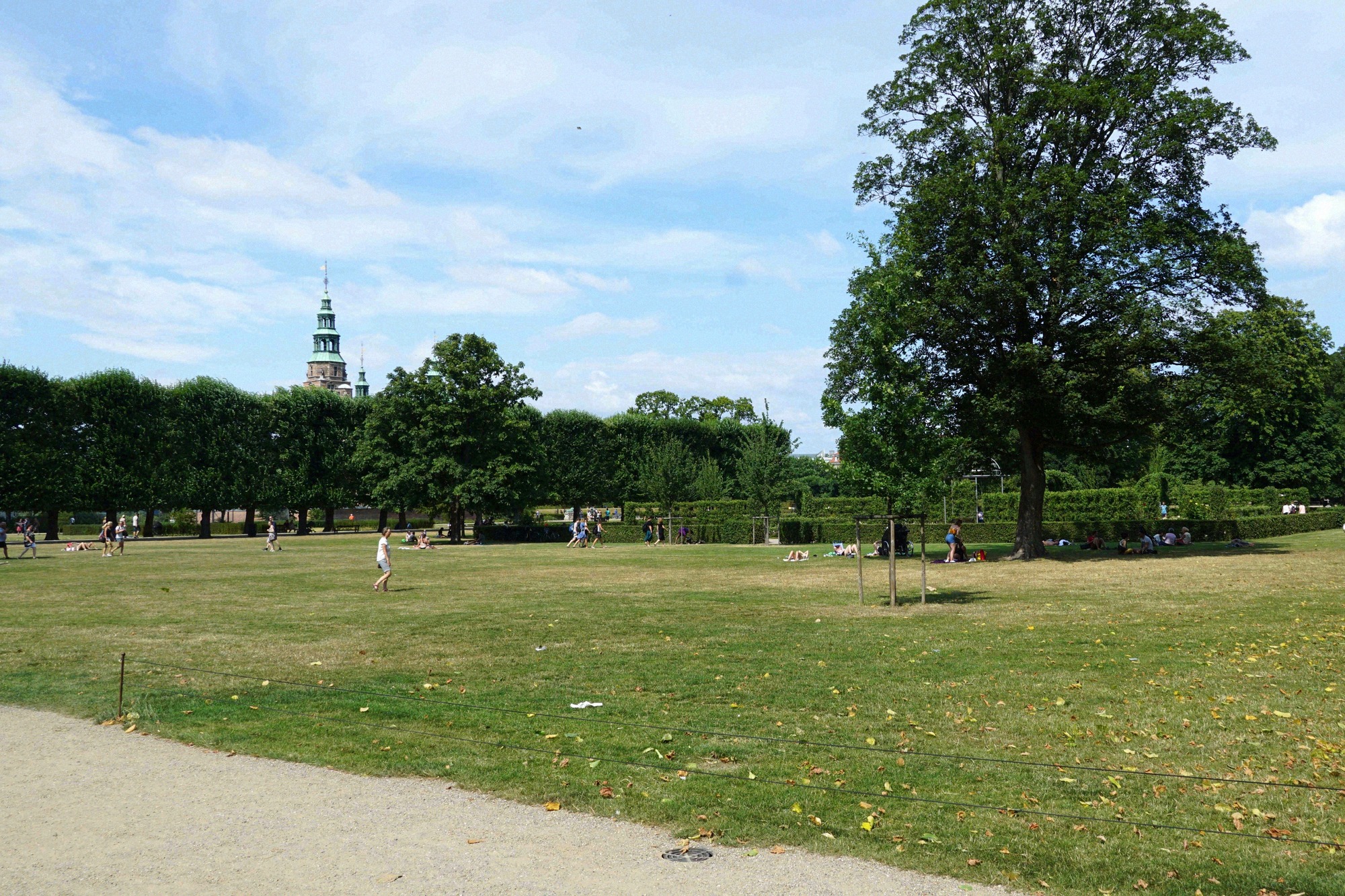
Kongens Have
Kongens Have is Copenhagen's oldest and most-visited park, laid out in 1606 by Christian IV. Rose garden, lime avenues and a puppet theatre around Rosenborg Castle.
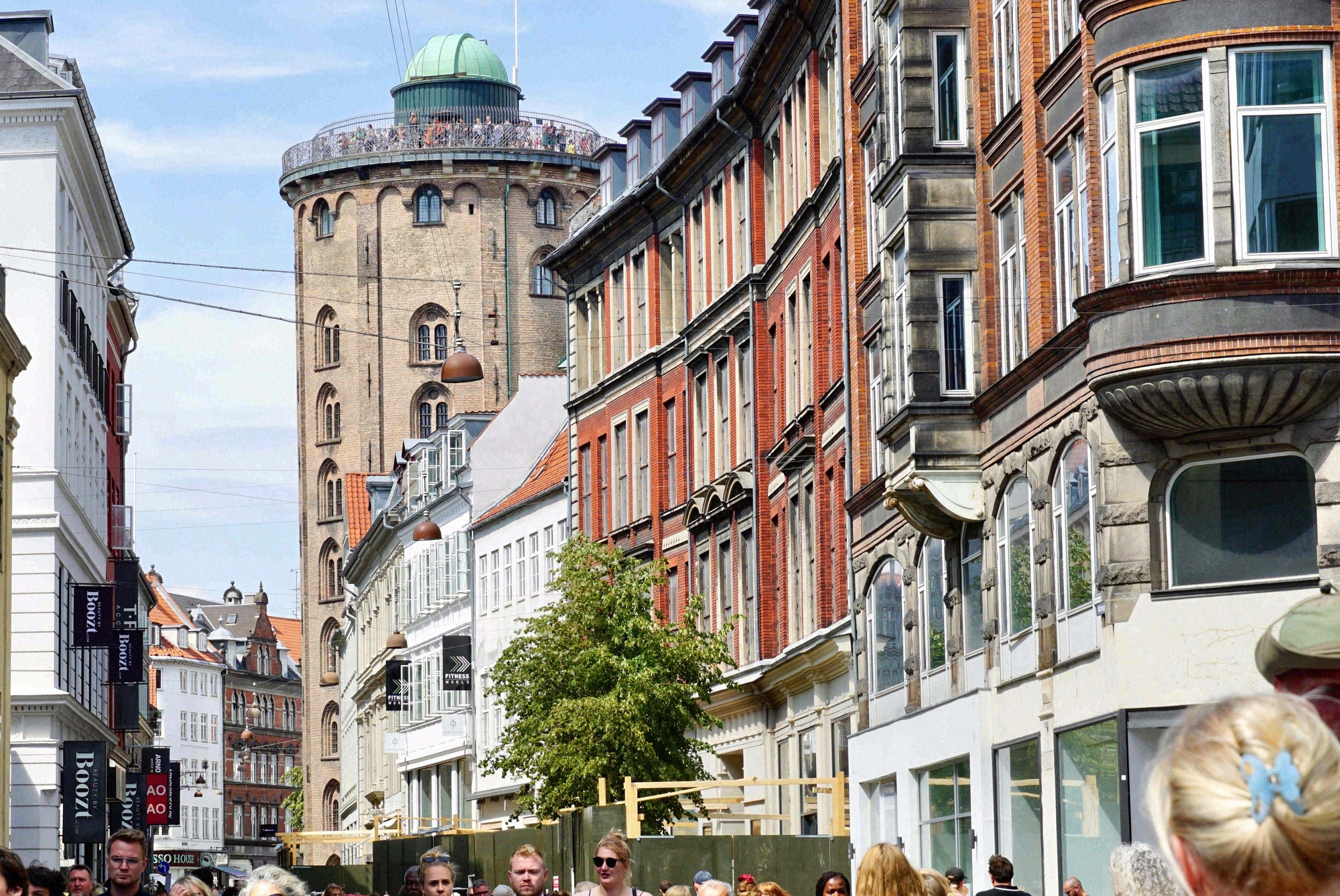
Round Tower
The Round Tower (Rundetårn), Copenhagen's tower from 1642, holds Europe's oldest working observatory. A spiral ramp with just over seven turns leads up to a view over the old town.
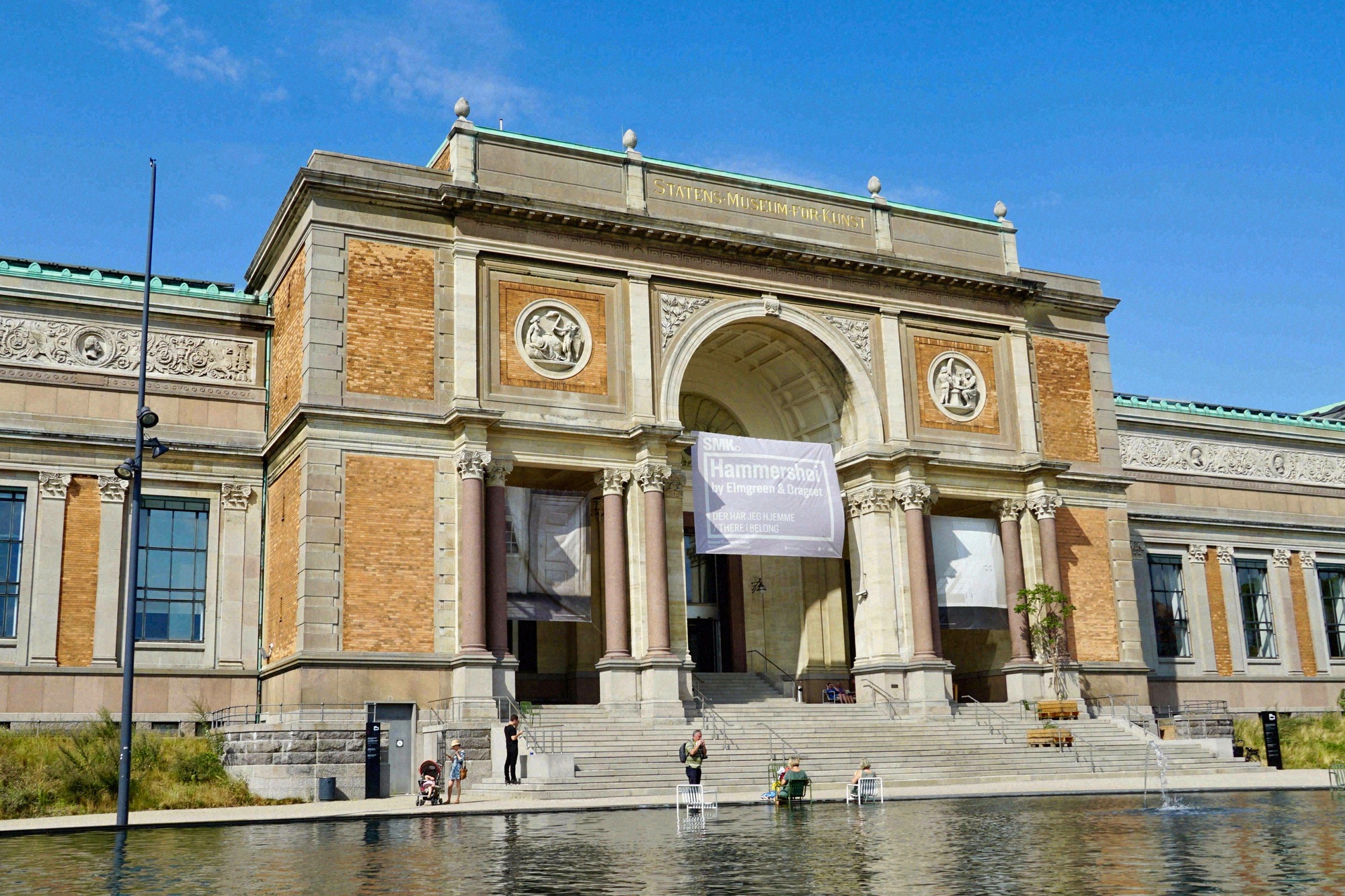
SMK
The Statens Museum for Kunst (SMK) is Denmark's national gallery, spanning seven centuries of art, from the Golden Age to Hammershøi, Matisse and Picasso.