
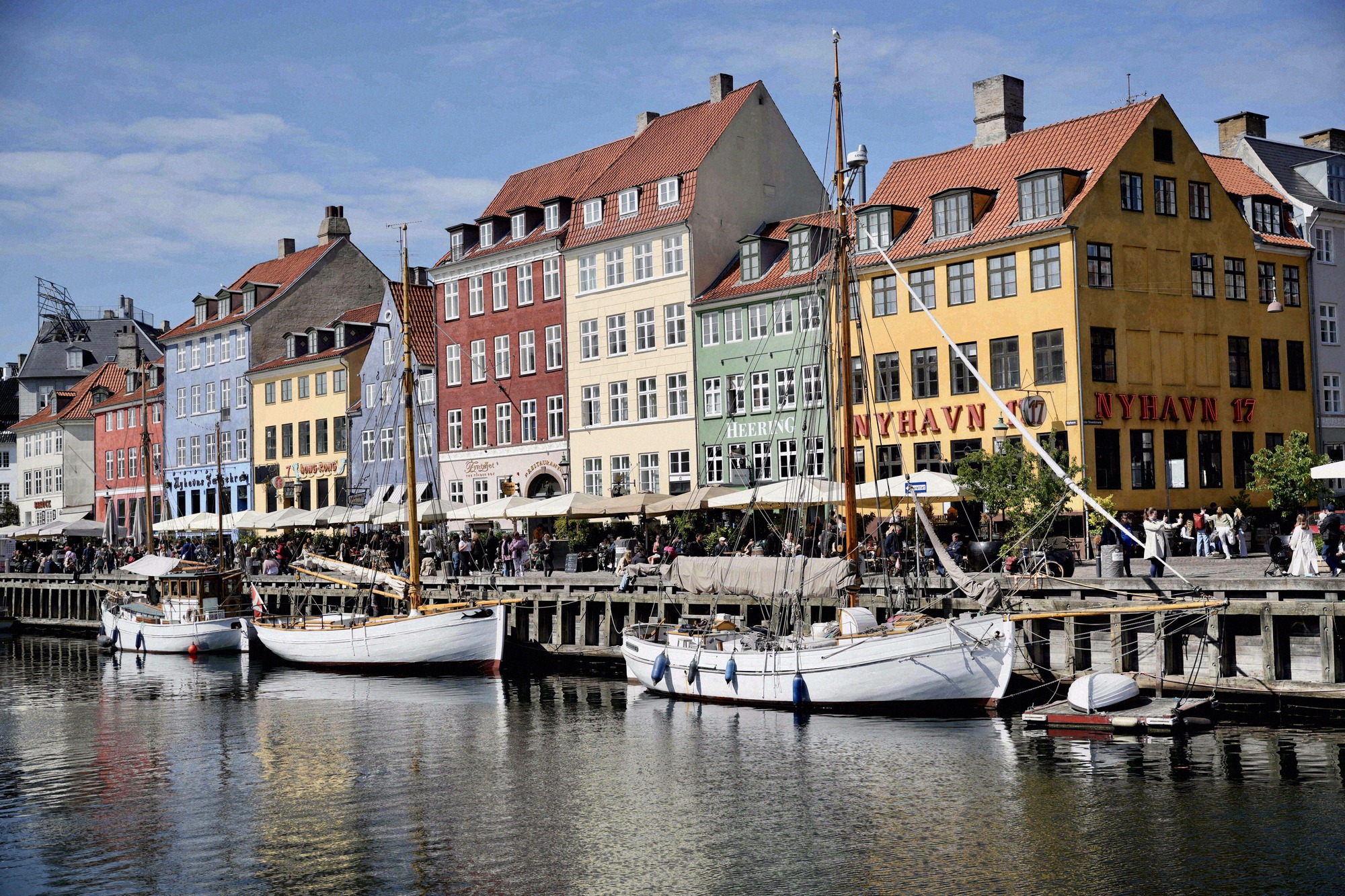
Nyhavn
Copenhagen's colourful old harbour
Overview
Copenhagen's attractions at a glance, from Nyhavn to Tivoli and the Little Mermaid, with prices in DKK, free sights and nine top highlights.
Copenhagen's colourful old harbour
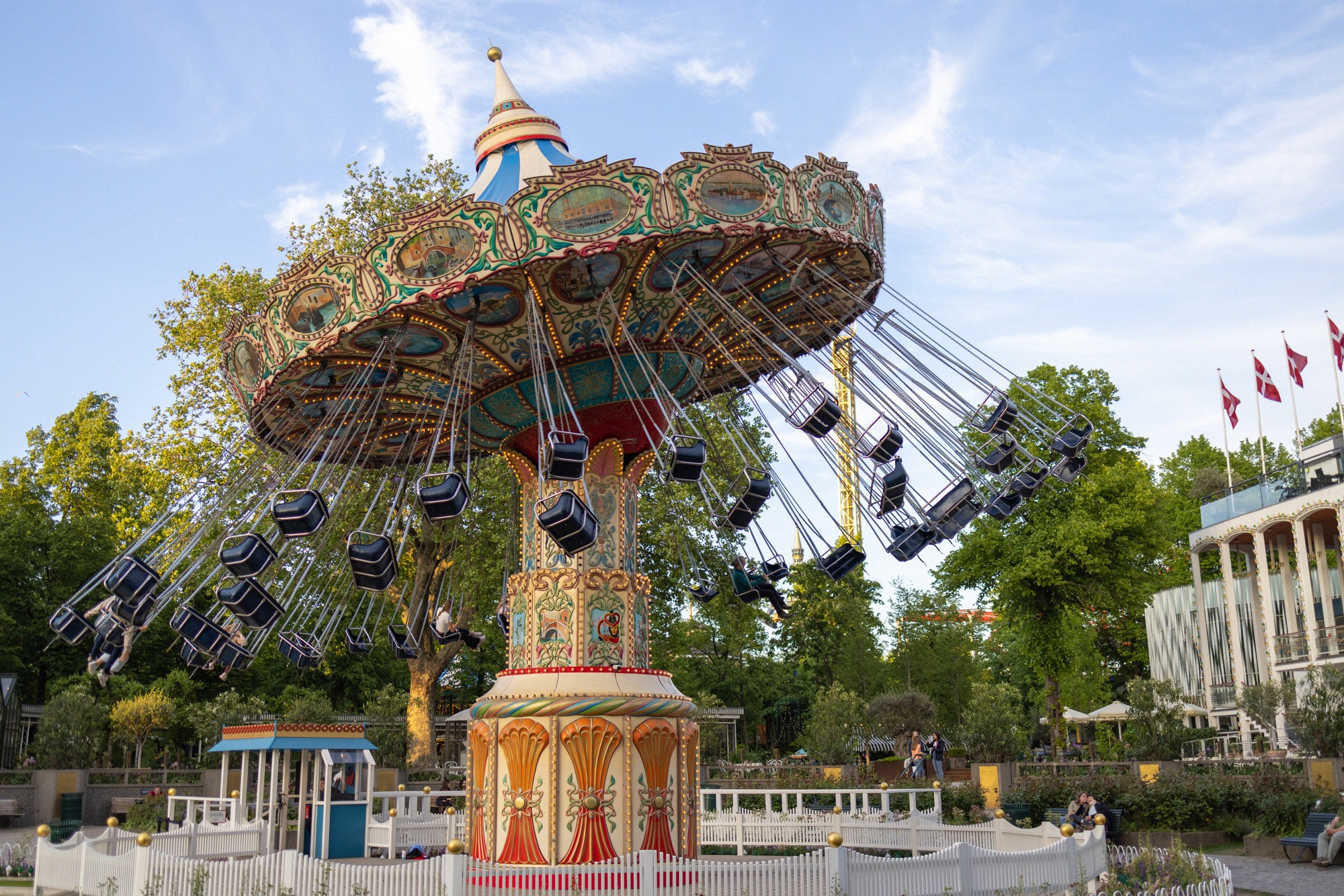
Amusement park, gardens & fairy lights
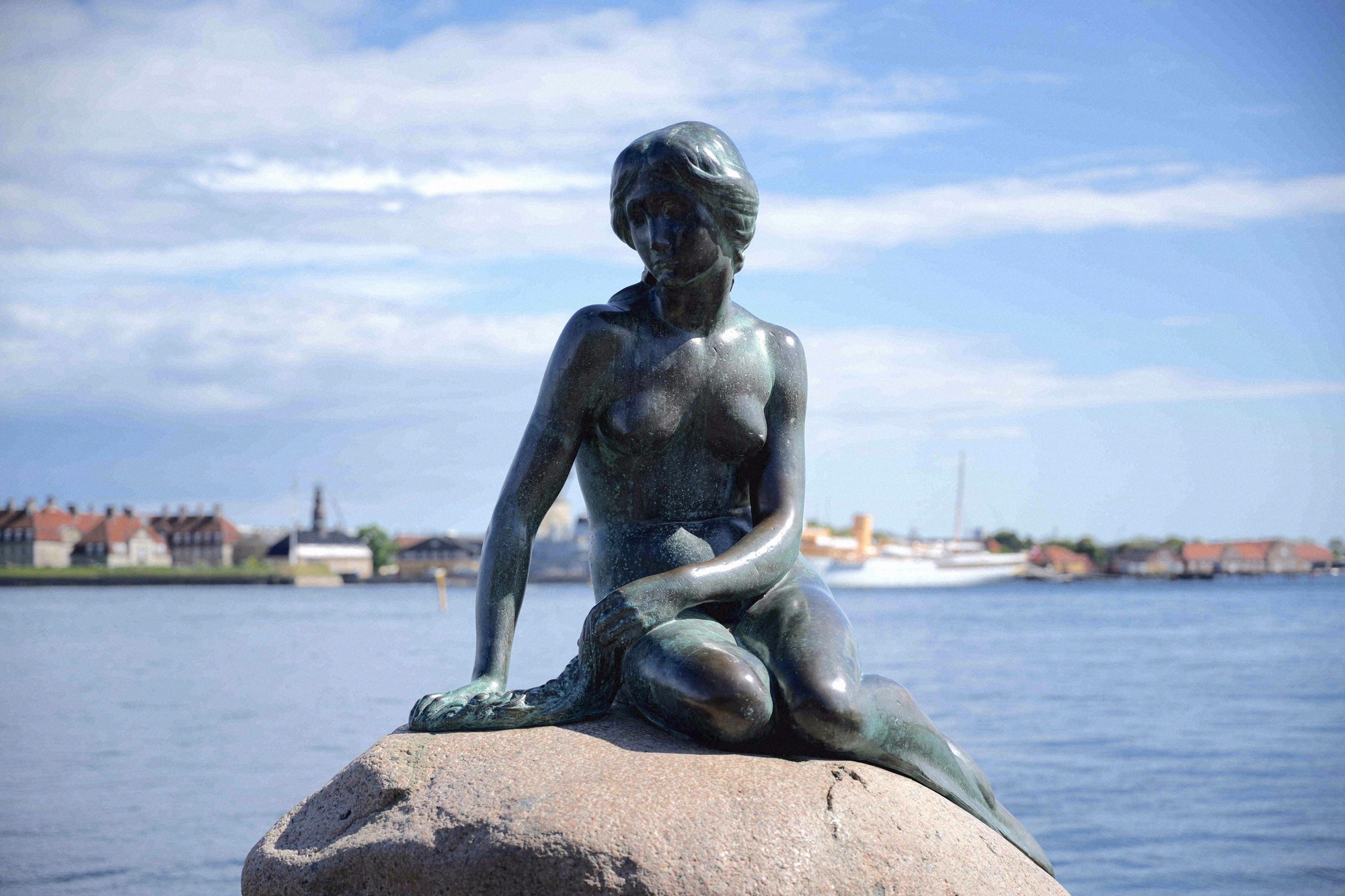
Bronze landmark on the Langelinie waterfront
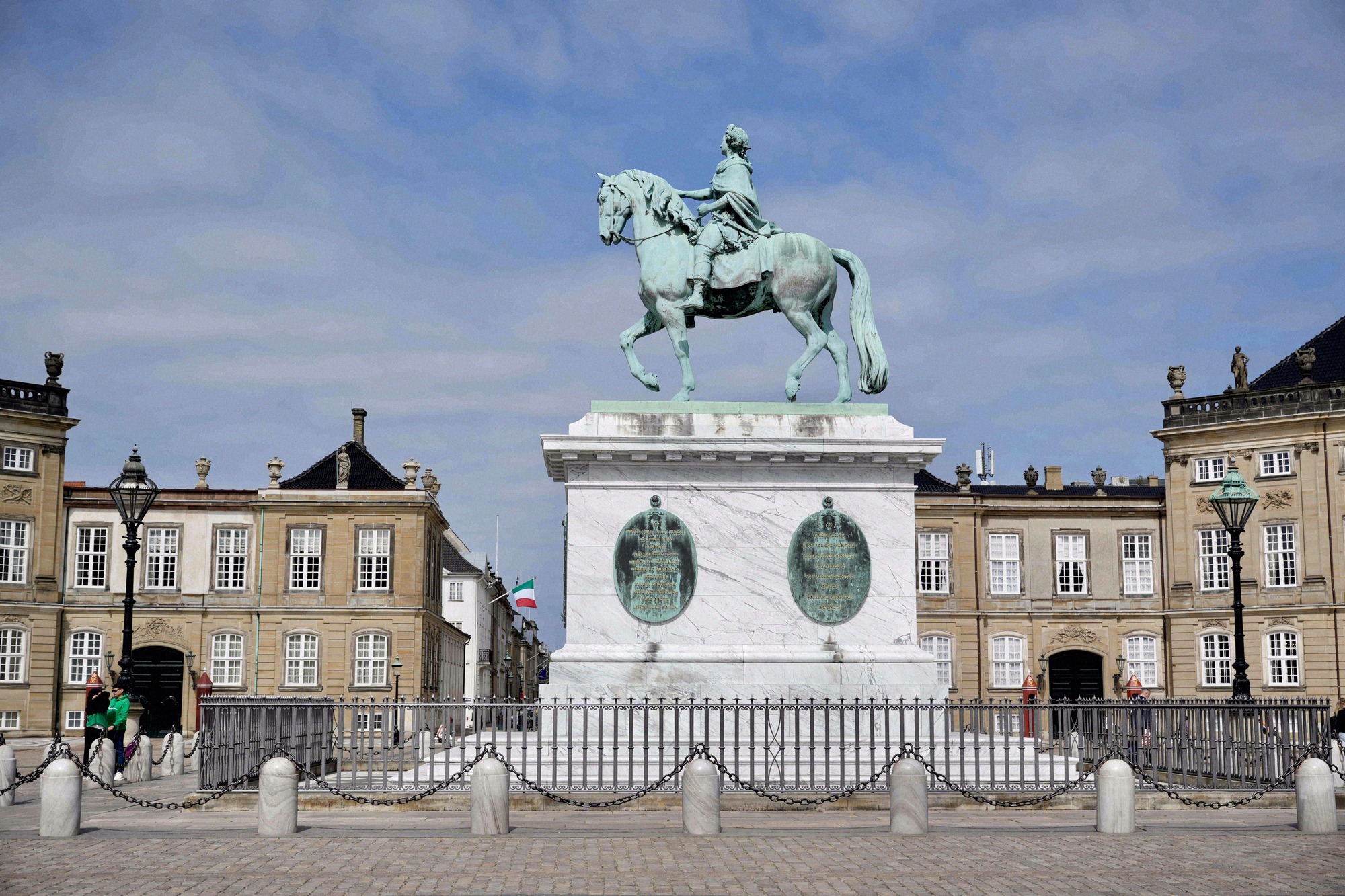
Royal Residence & Changing of the Guard
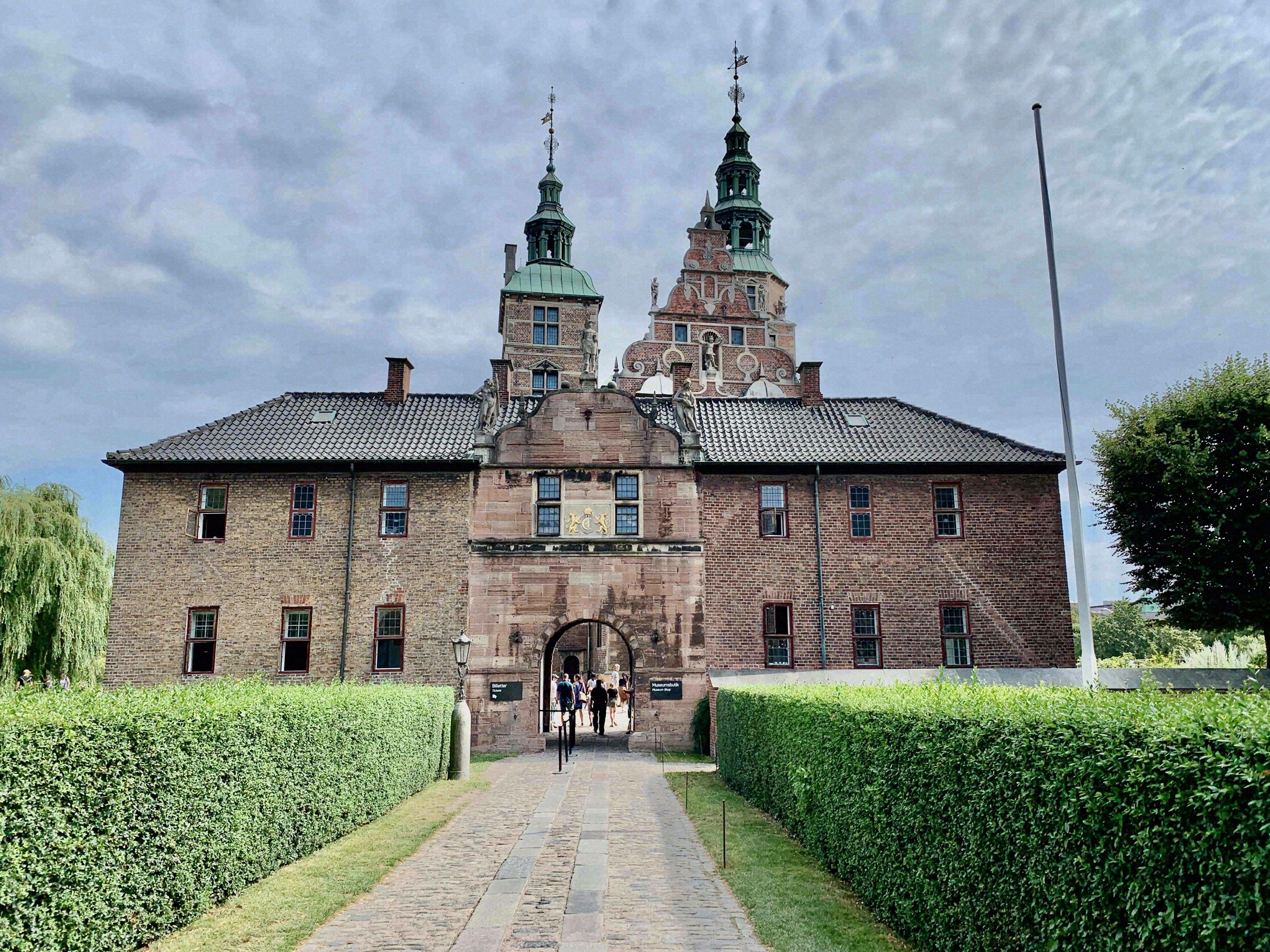
Renaissance castle with the Danish Crown Jewels
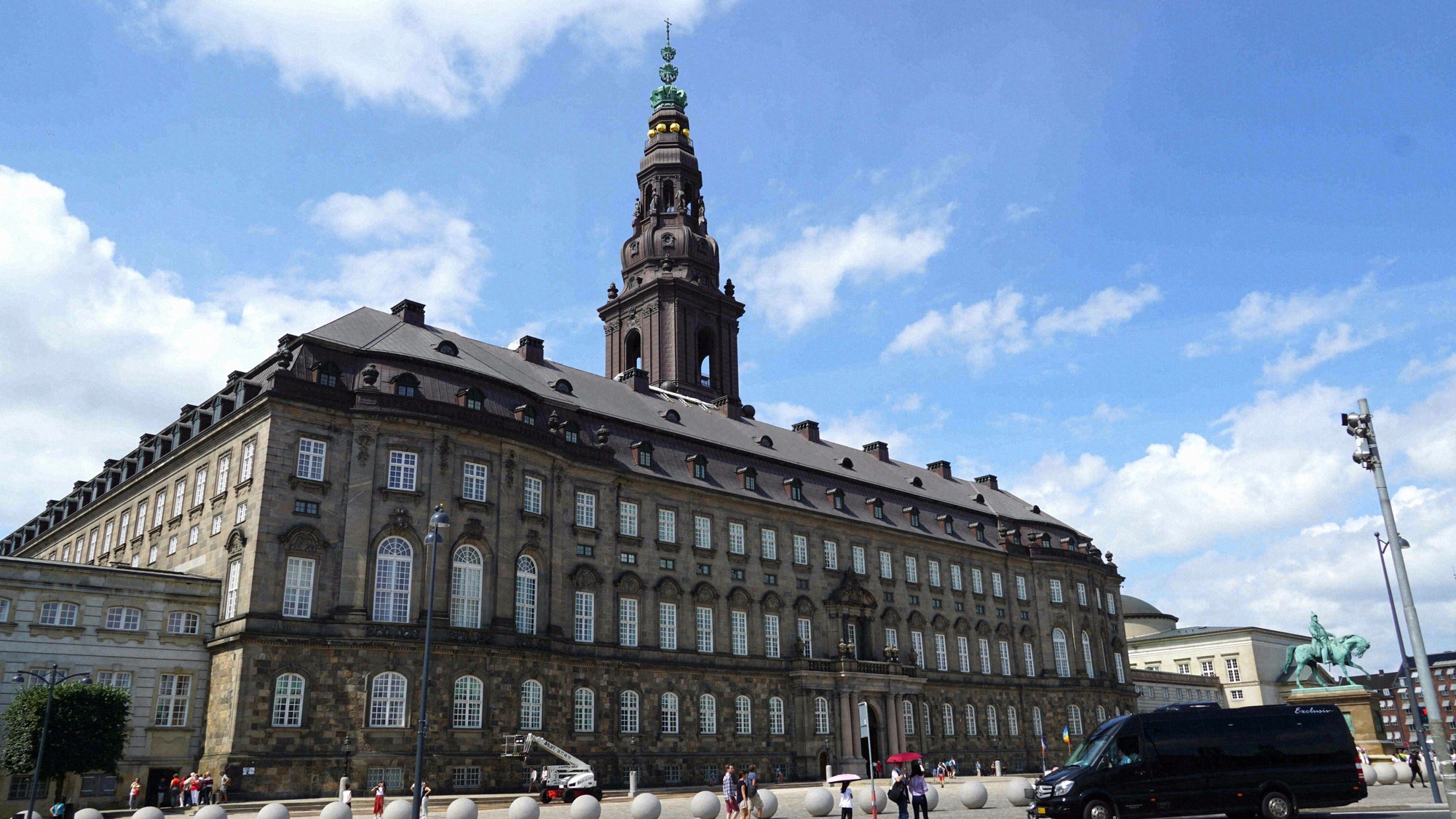
Seat of government & royal reception rooms
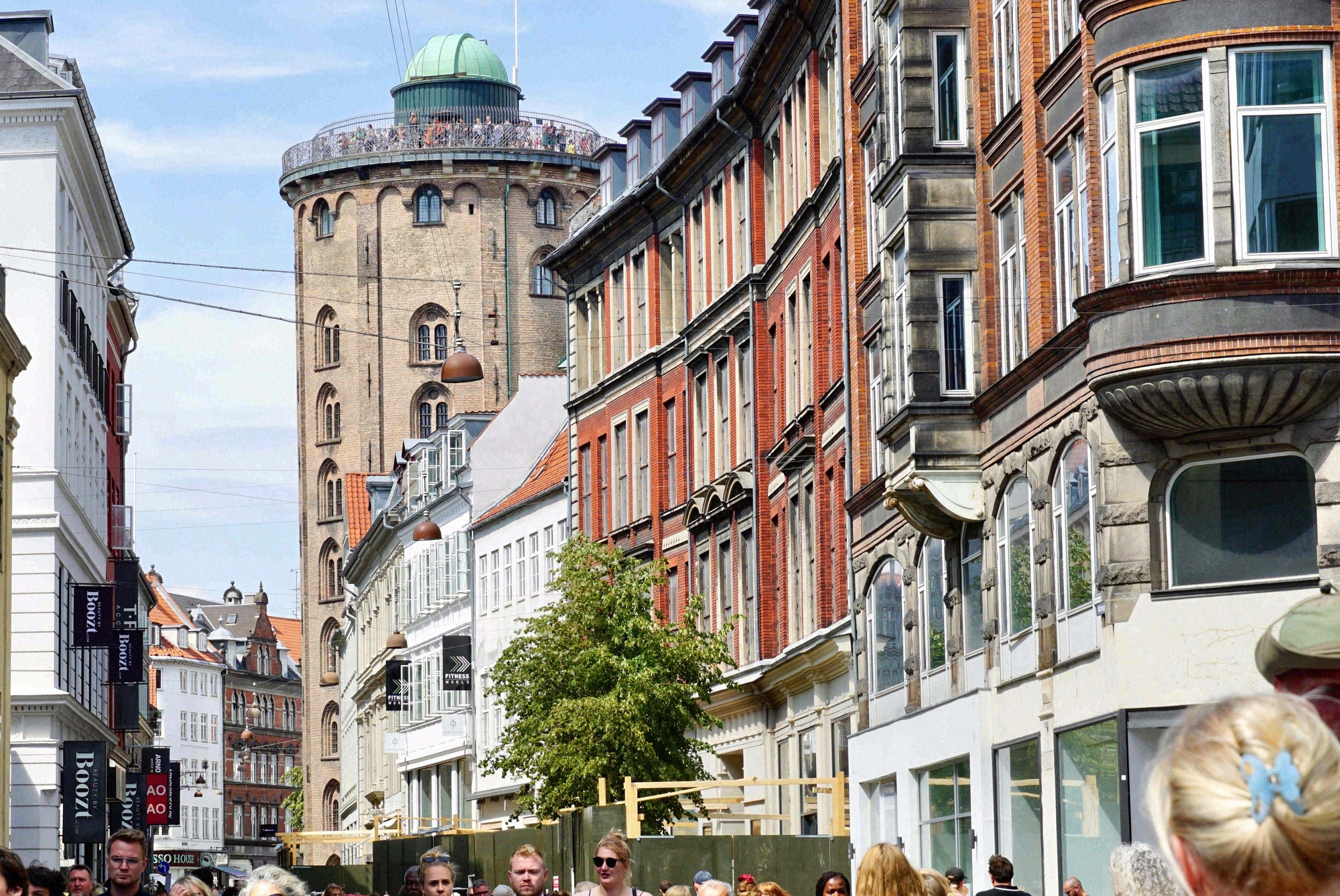
Viewing tower with observatory and spiral ramp
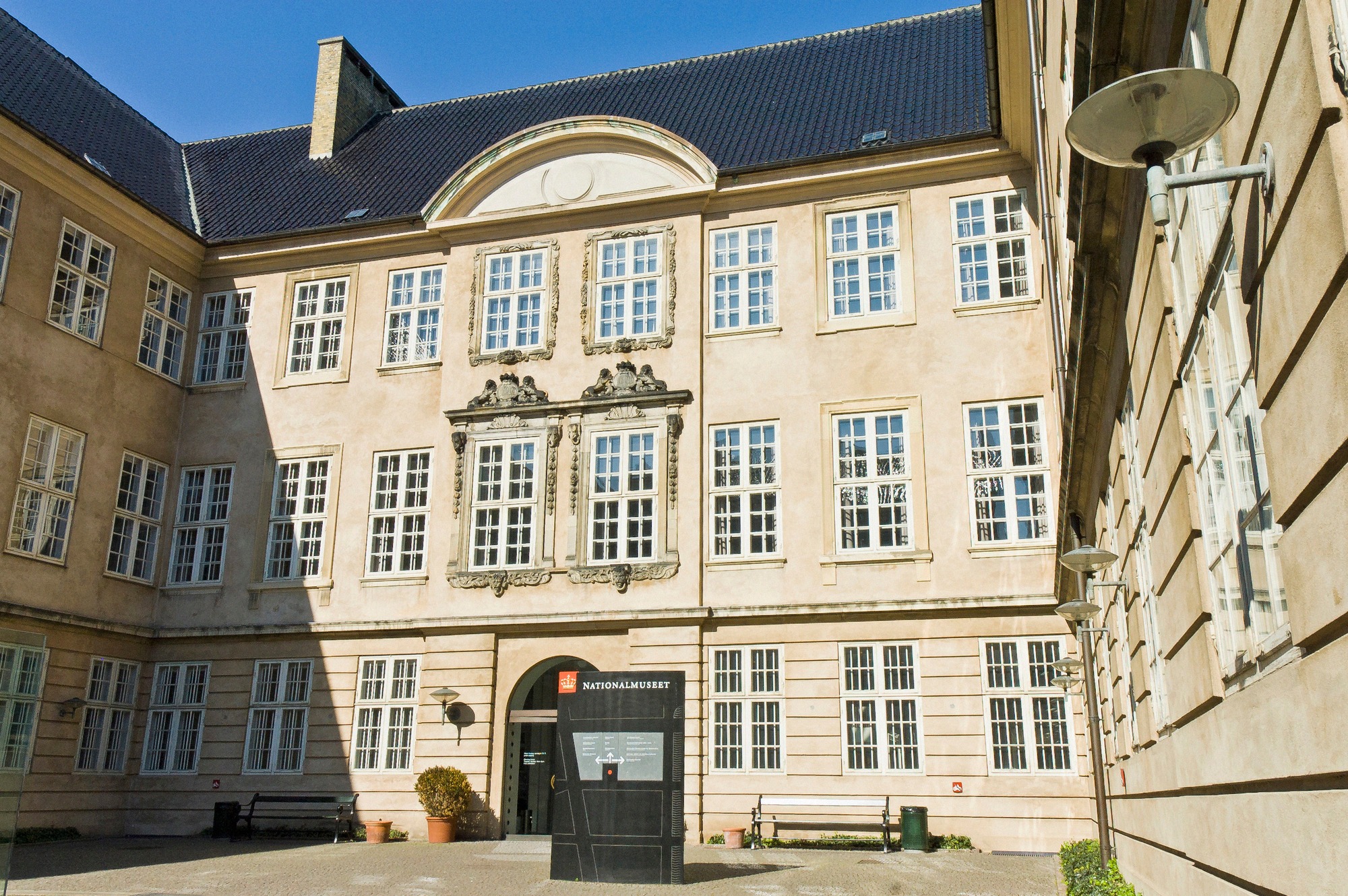
Vikings, the Sun Chariot & 14,000 years of history
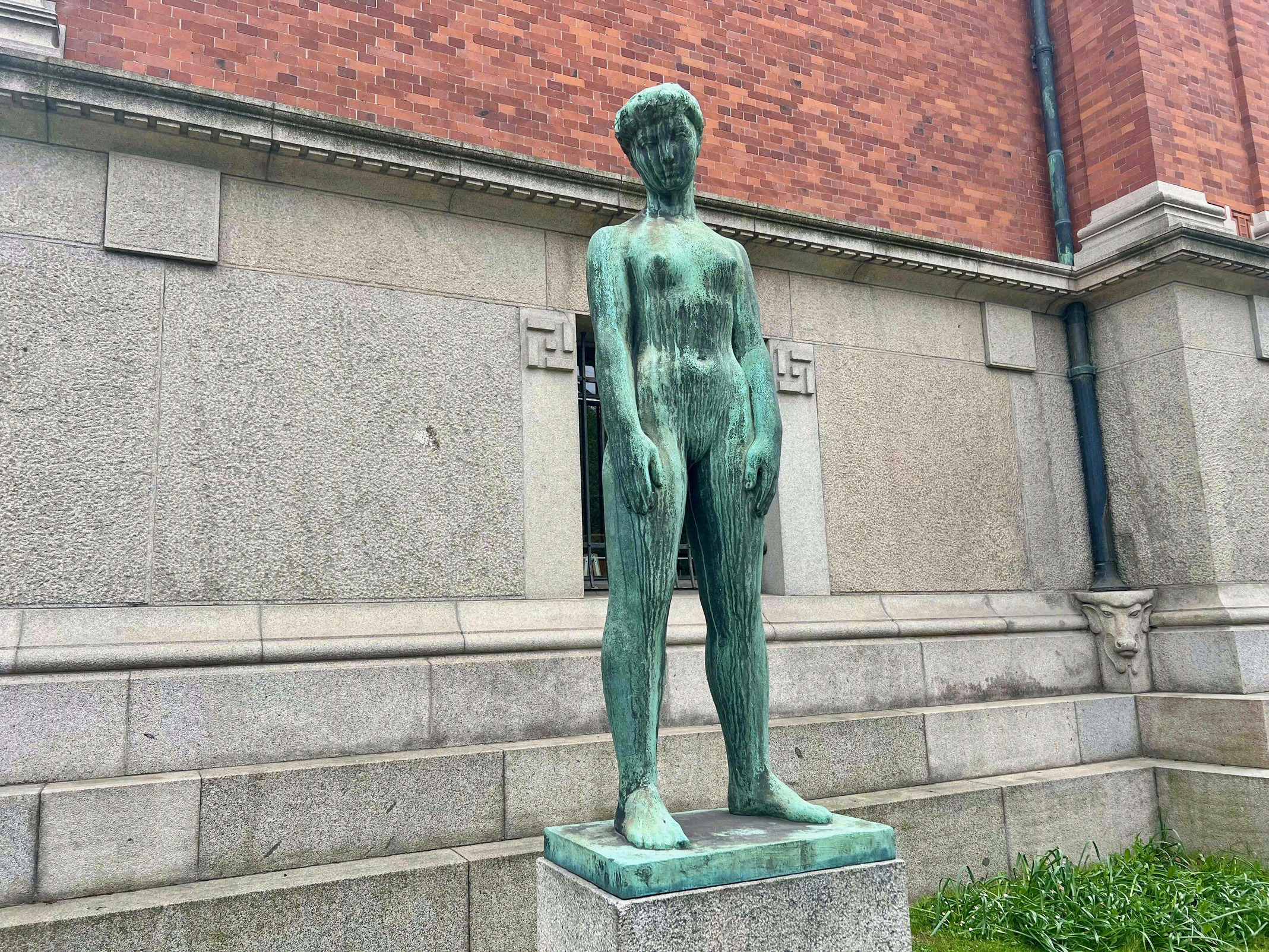
Antiquity and modernity under palm trees
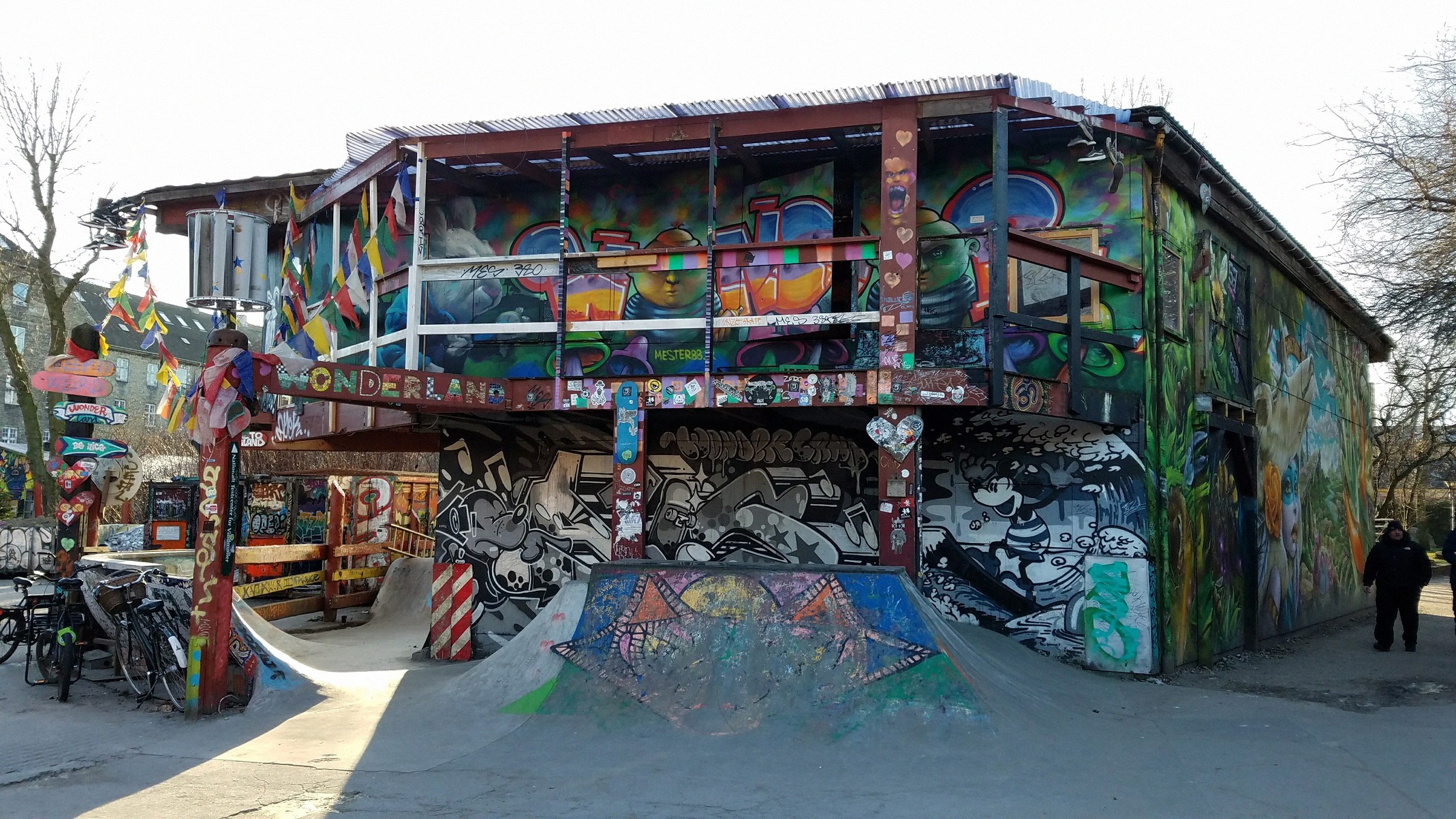
Copenhagen's free town
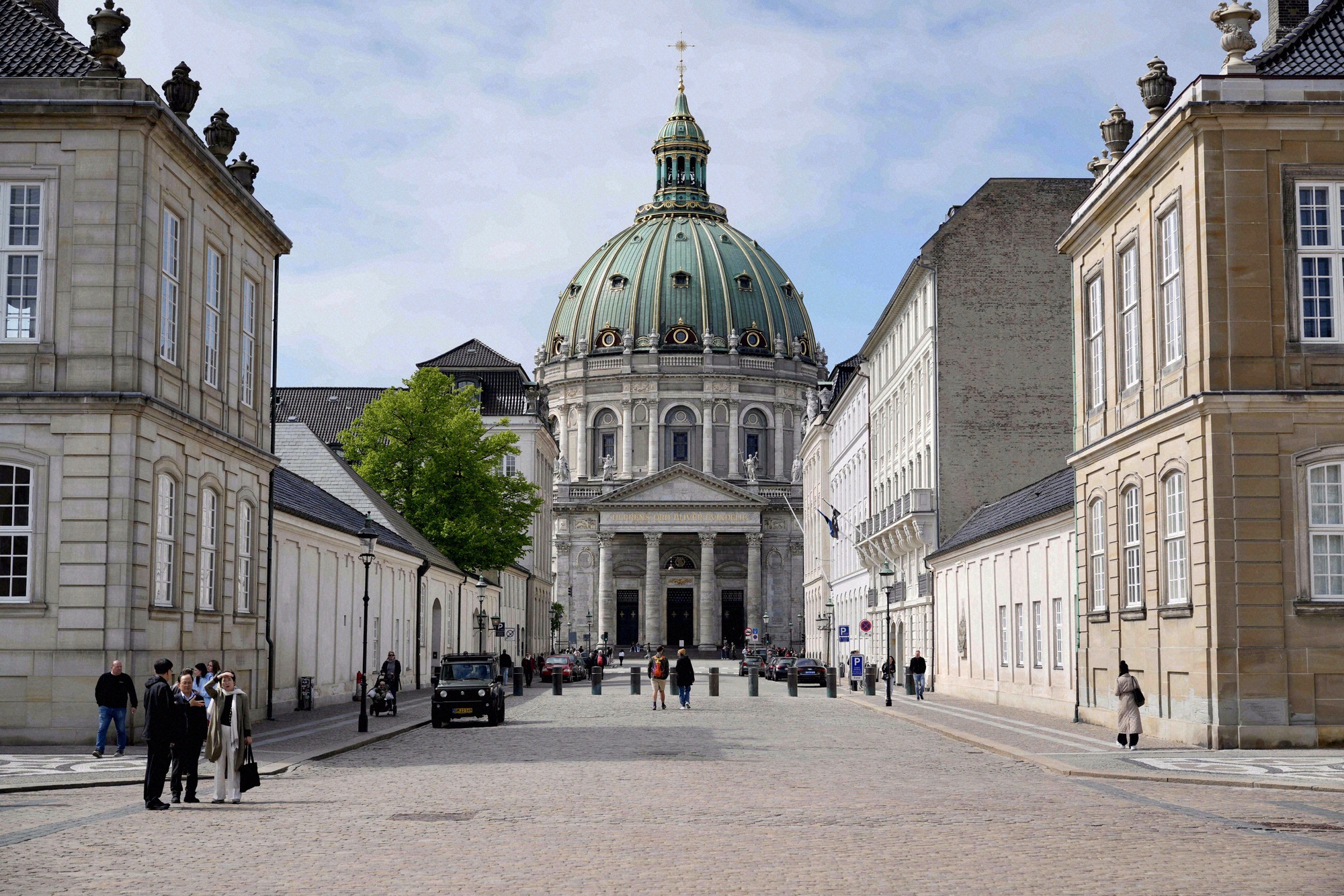
Domed church with Scandinavia's largest dome
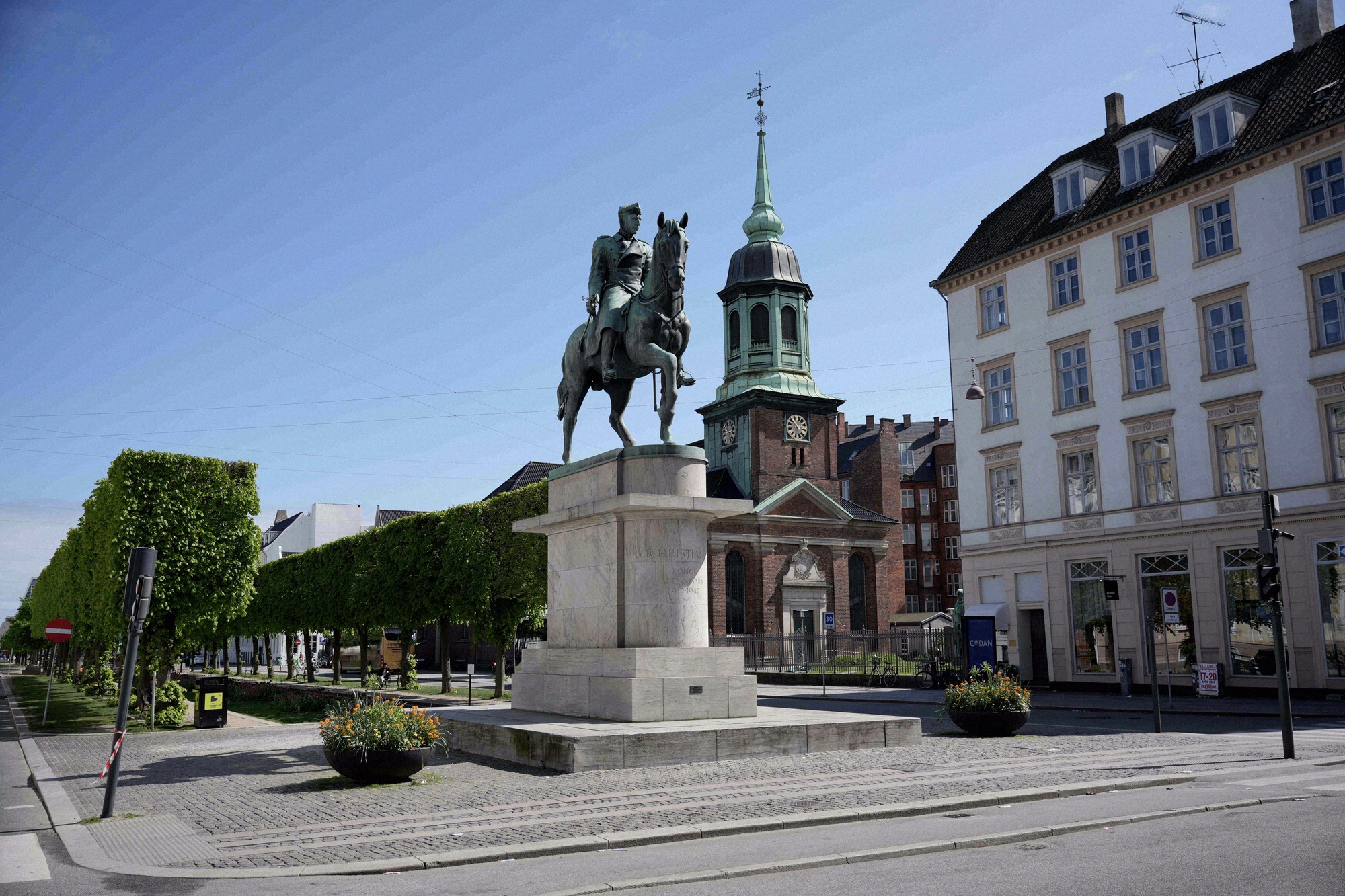
Copenhagen's grand royal square
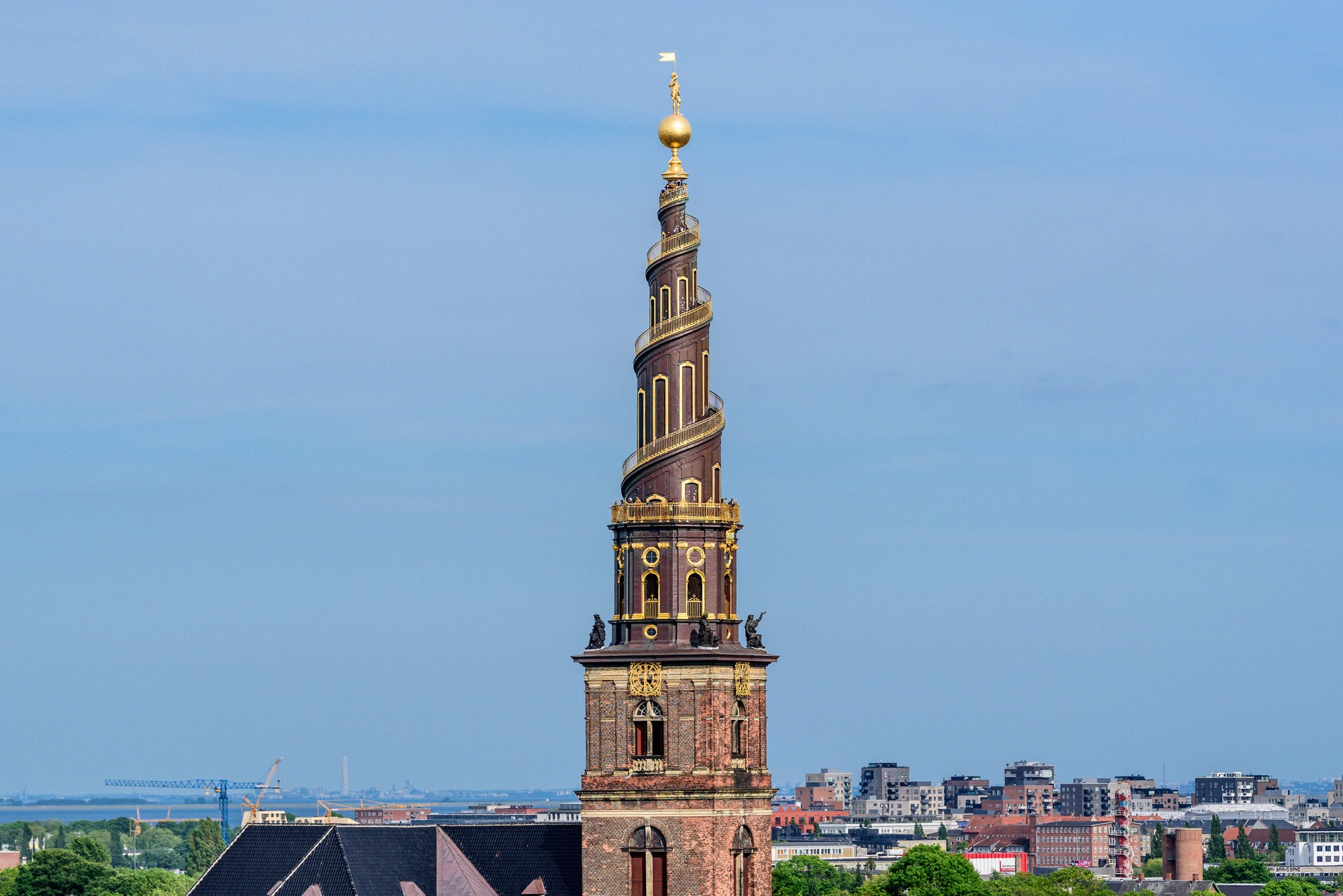
Baroque church with a spiralling gilded tower
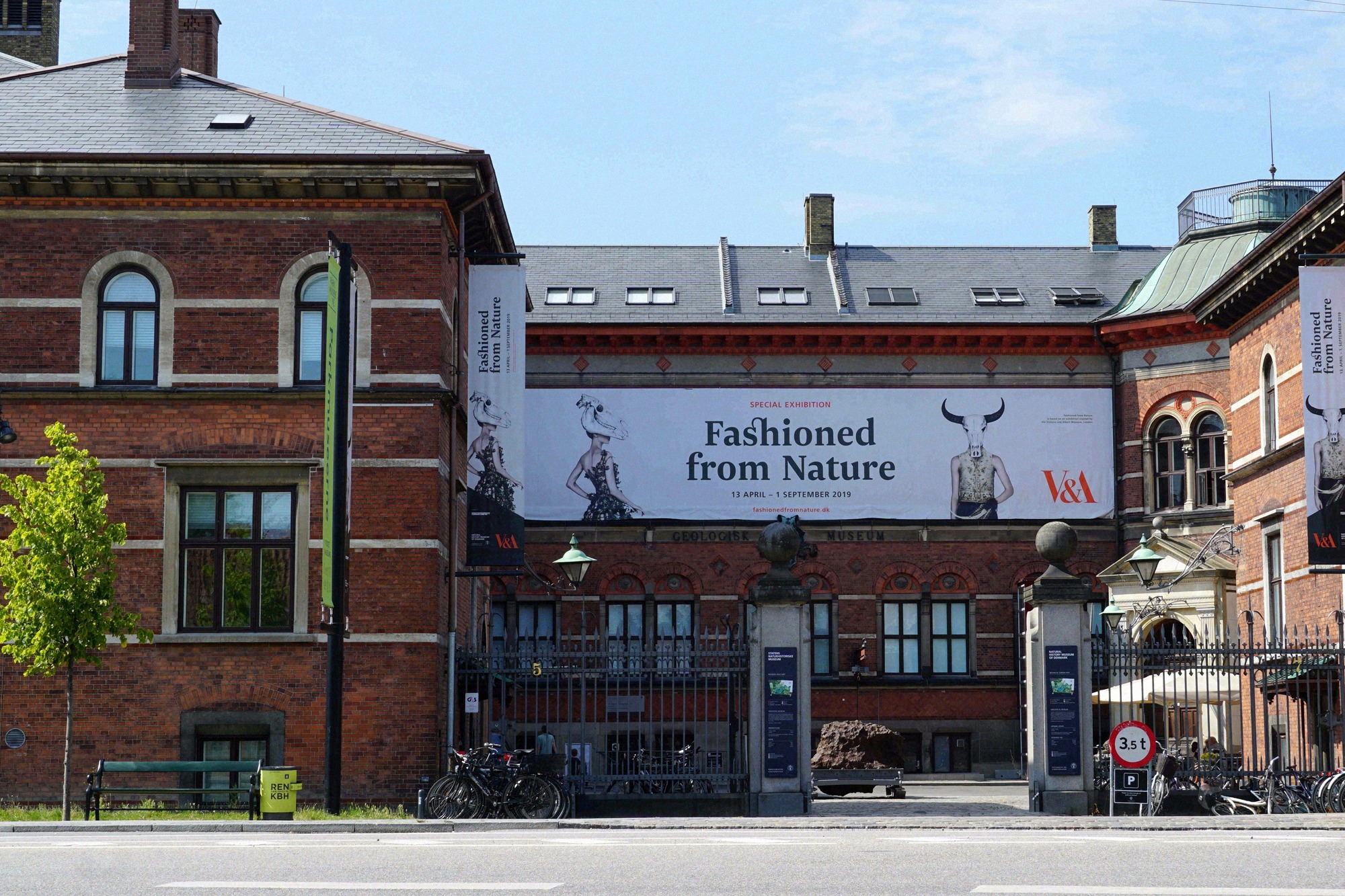
Danish Design in Frederiksstaden
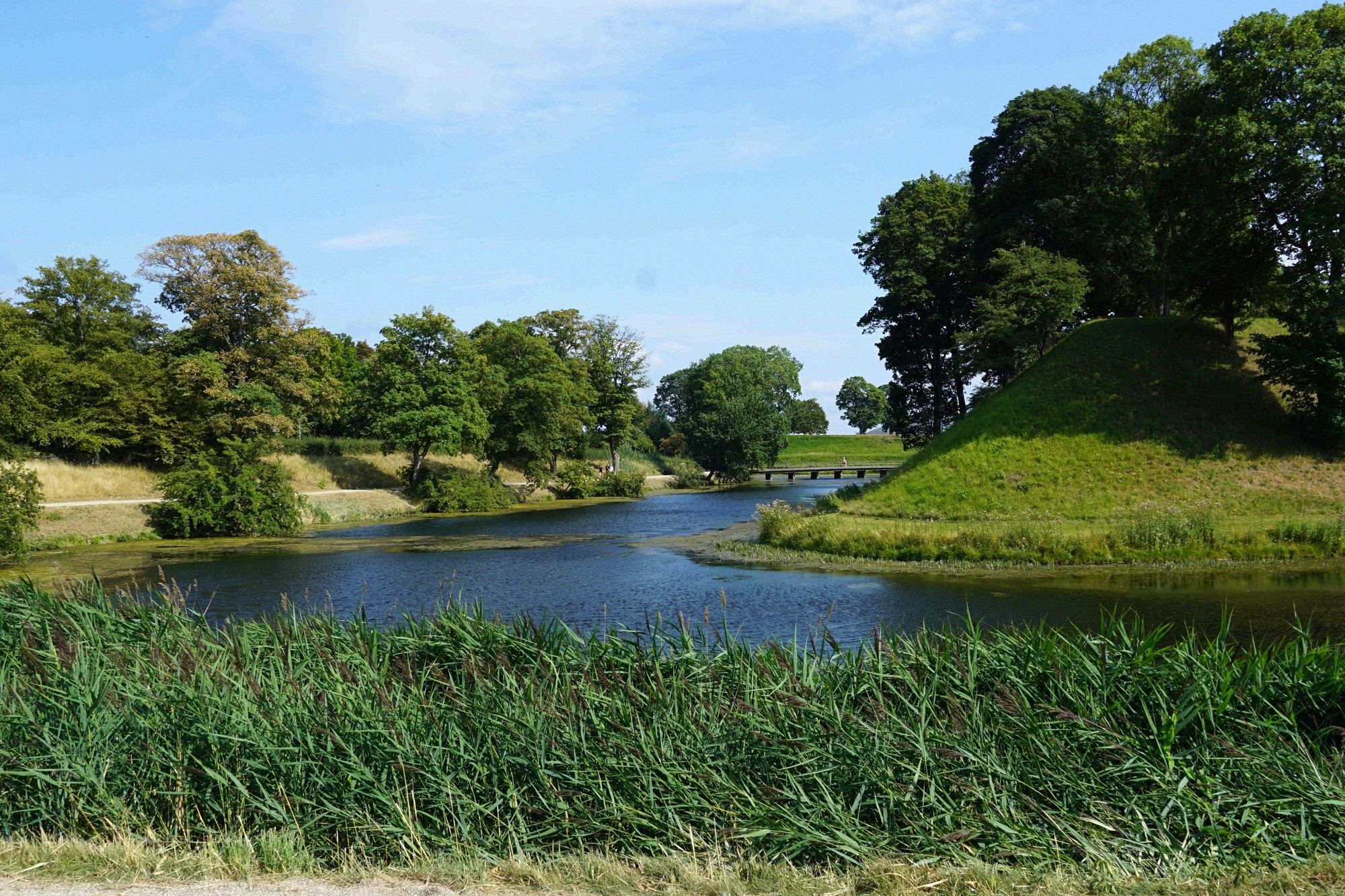
Star fortress from 1664 with ramparts and a windmill
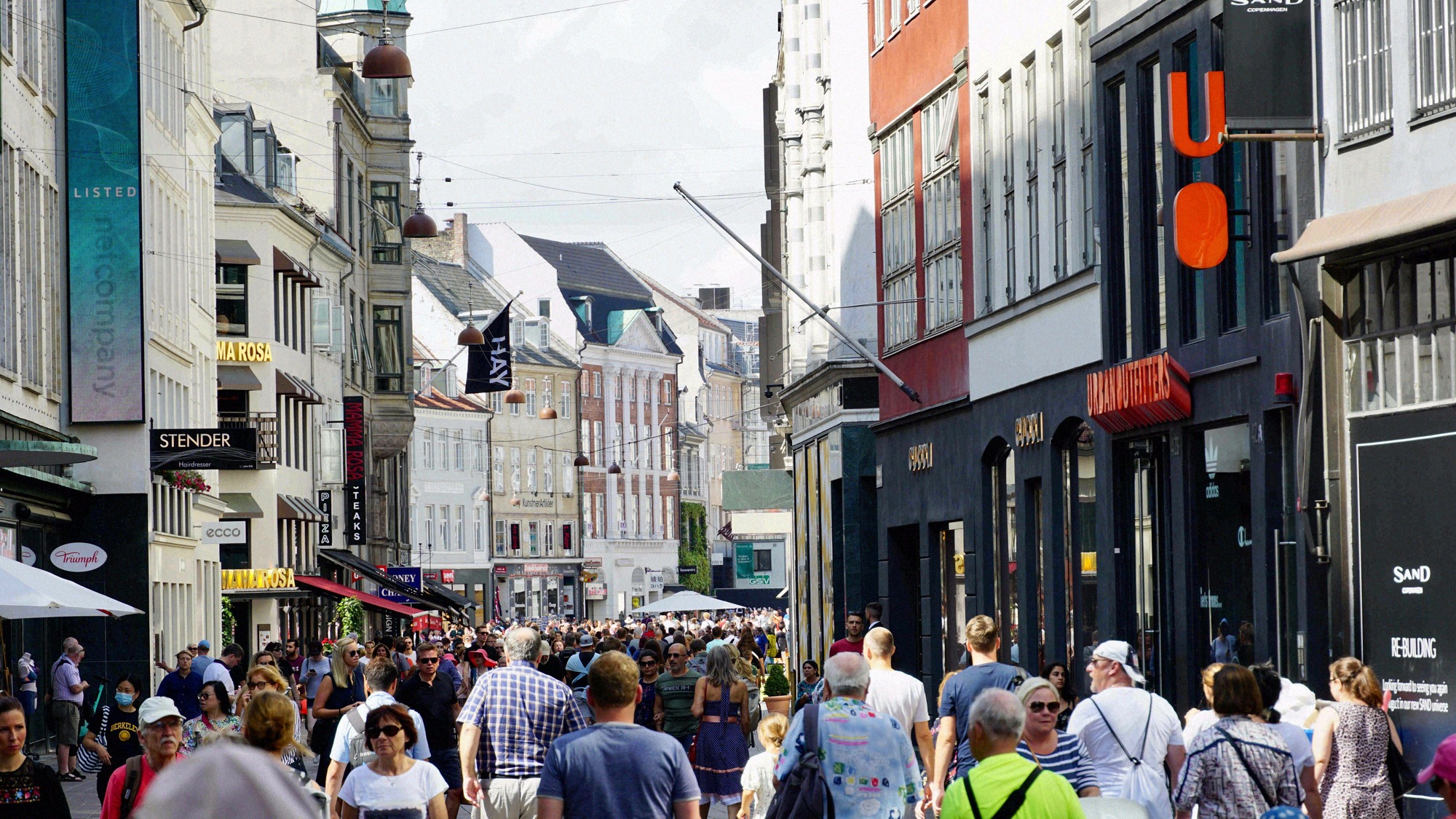
One of Europe's longest pedestrian shopping streets
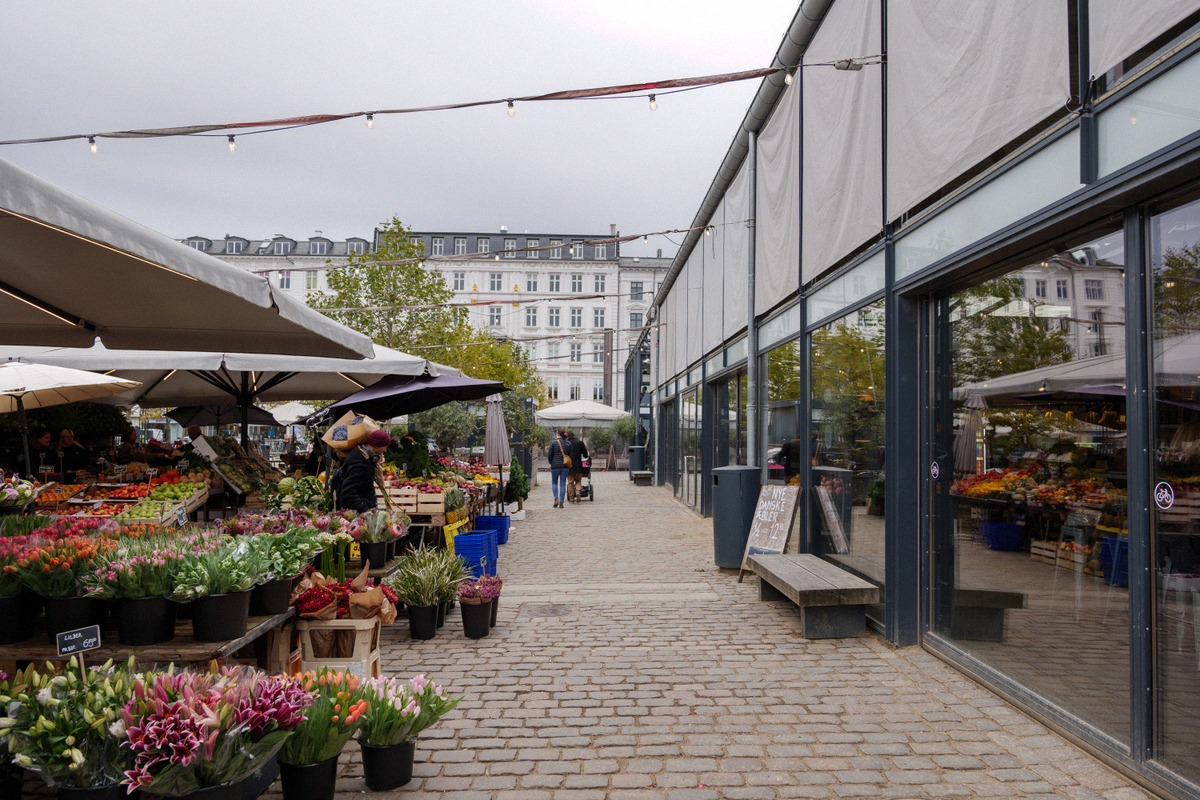
Copenhagen's market halls
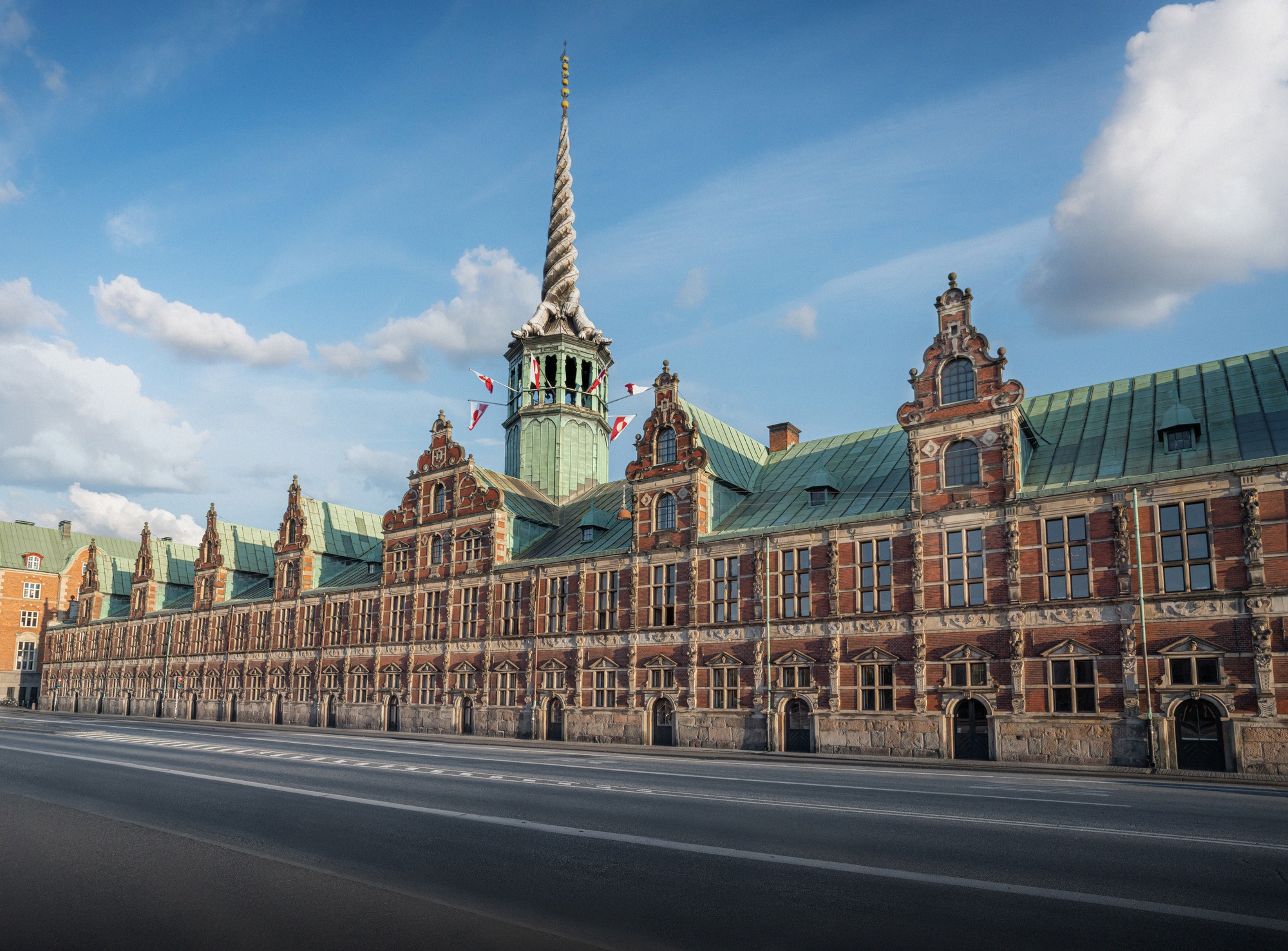
Old stock exchange with the dragon-tail spire
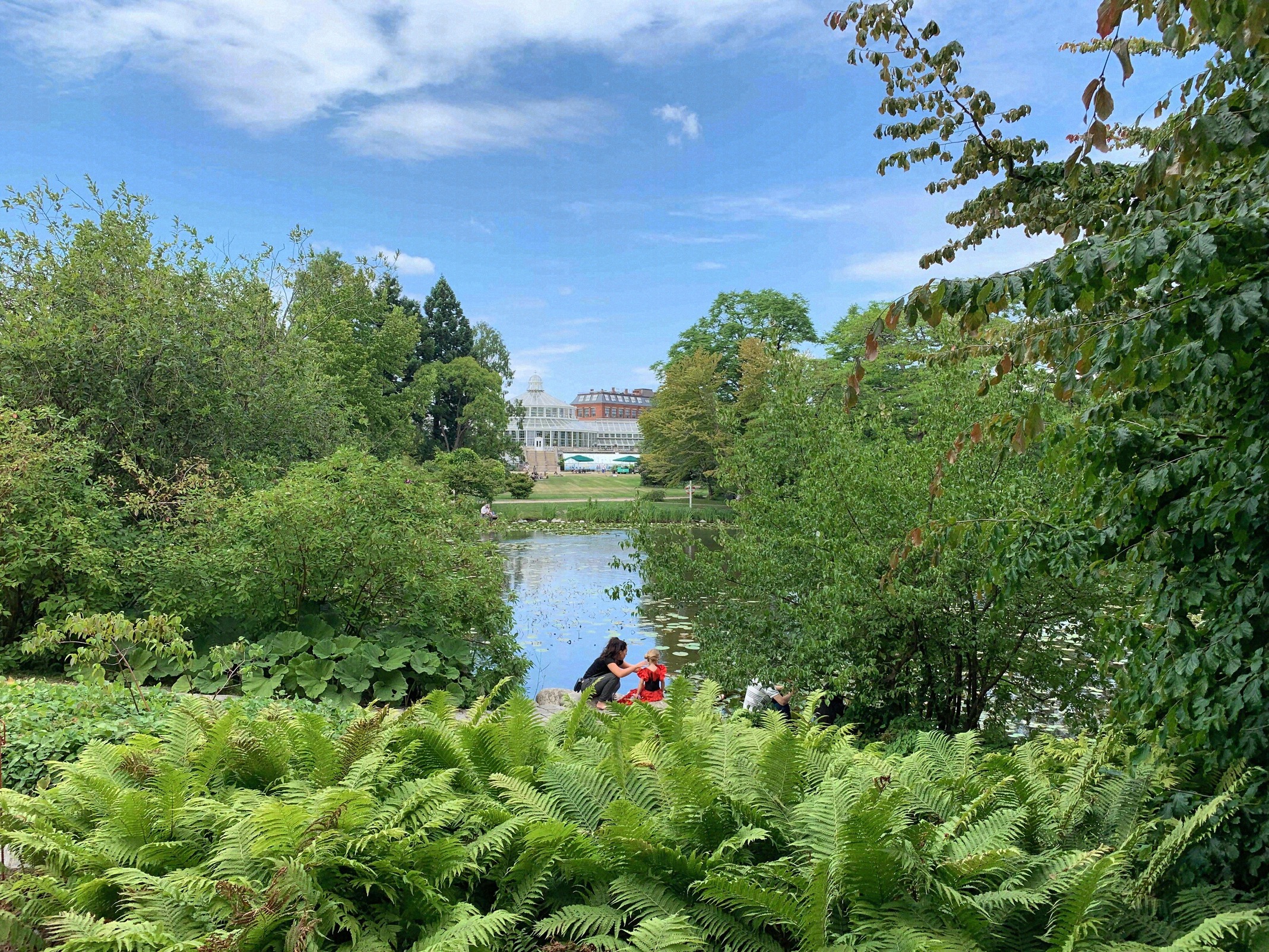
University garden with a historic Palm House
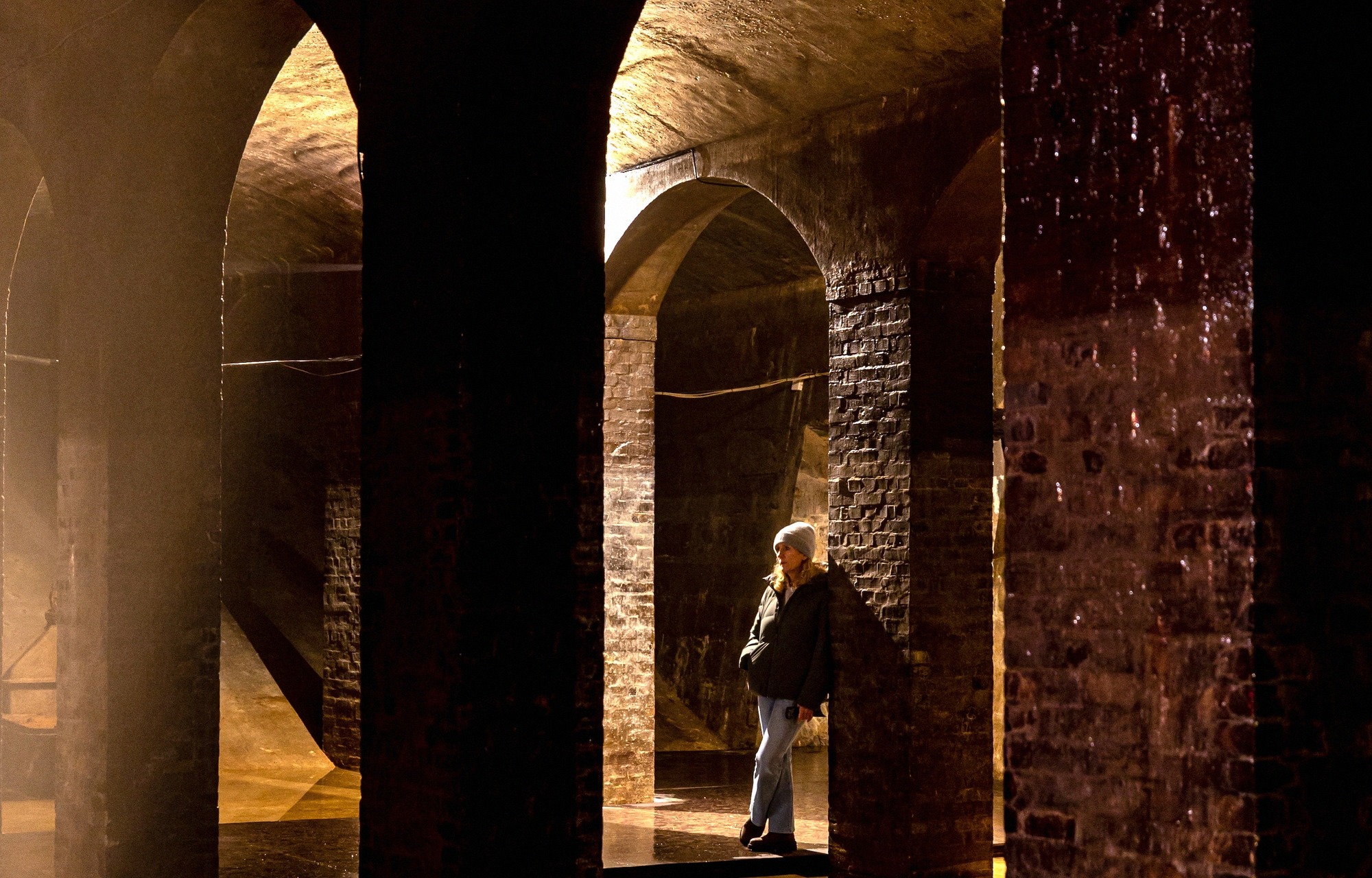
Art in an underground water reservoir
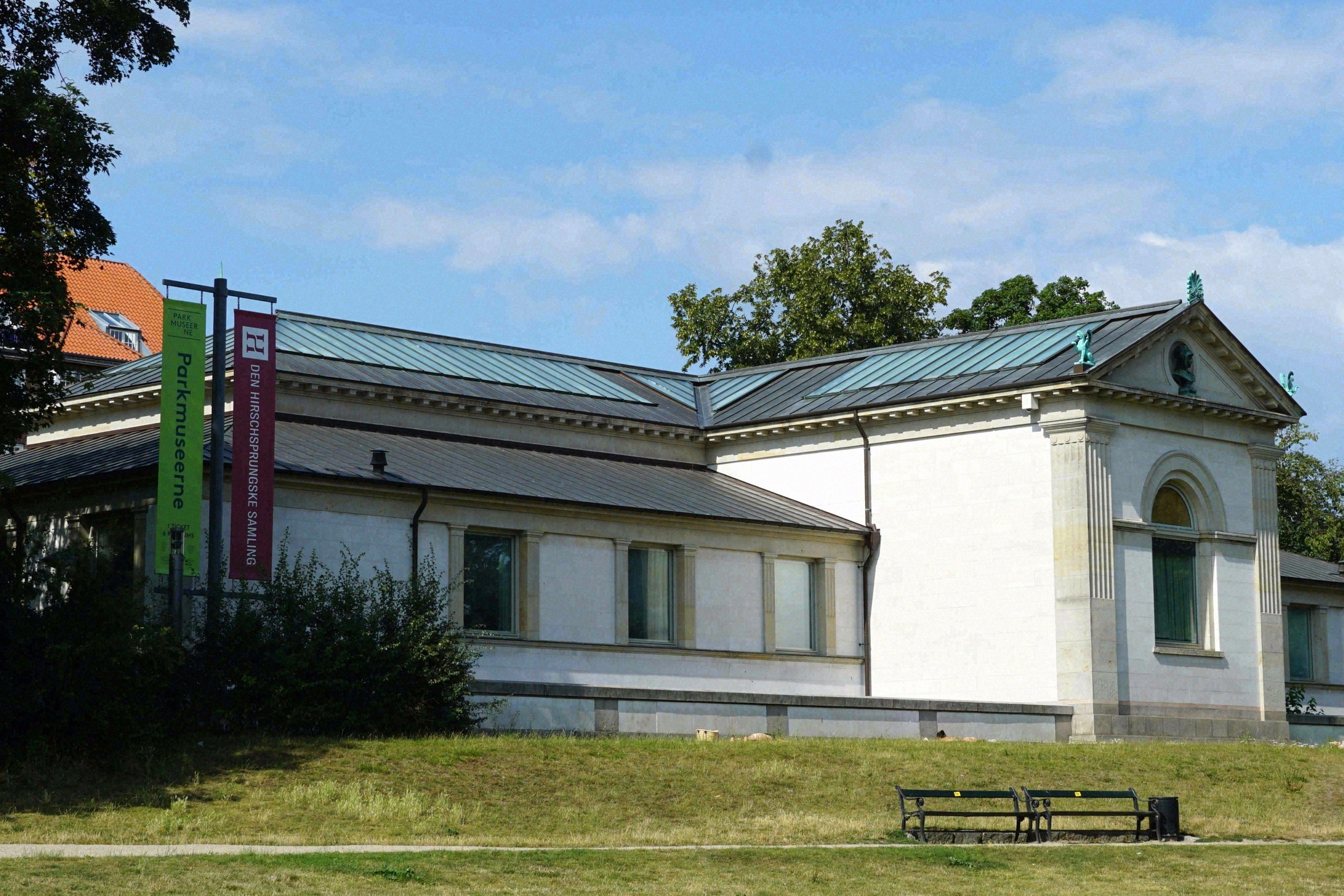
Art museum in Østre Anlæg
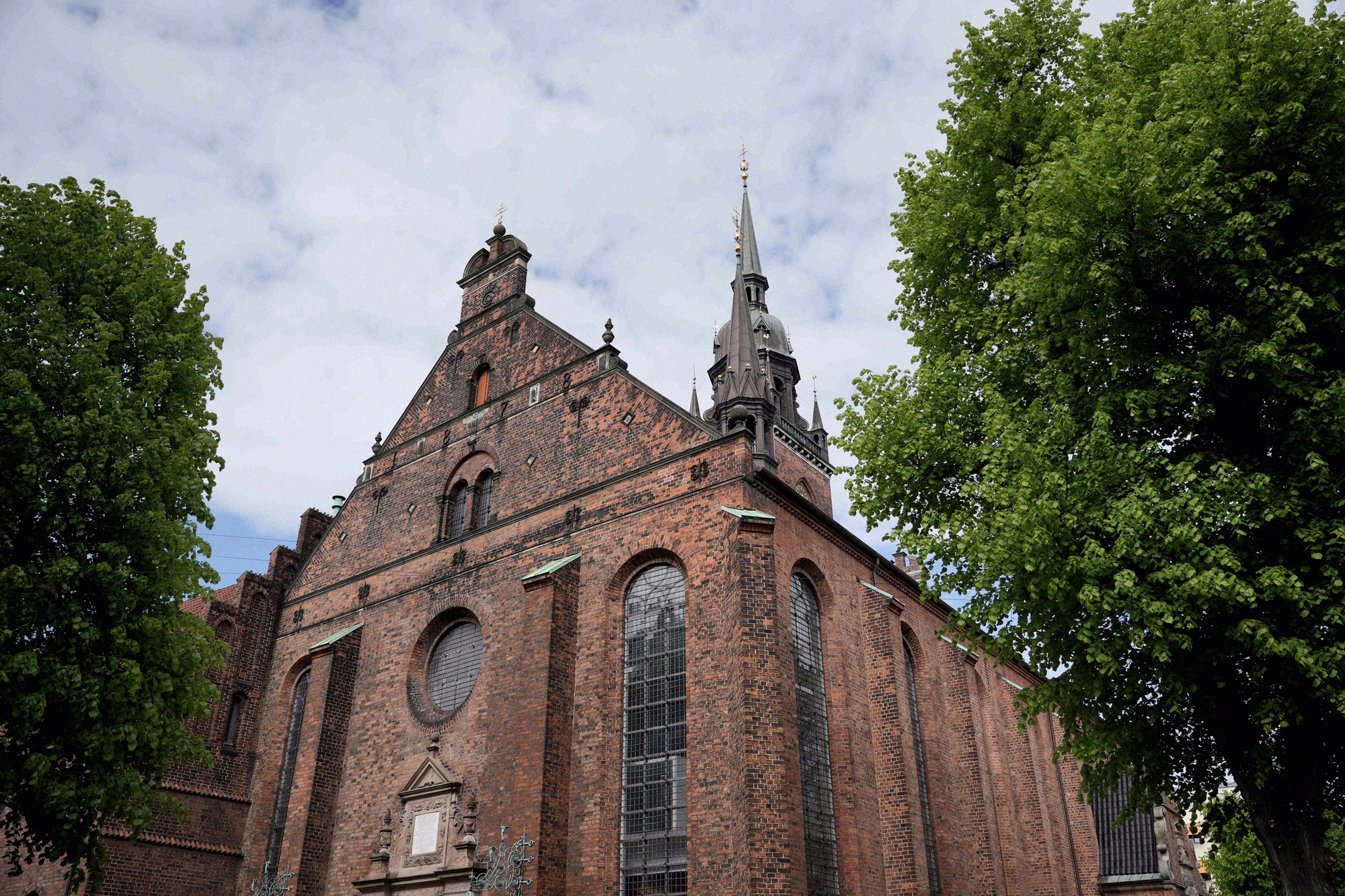
Medieval church on Strøget
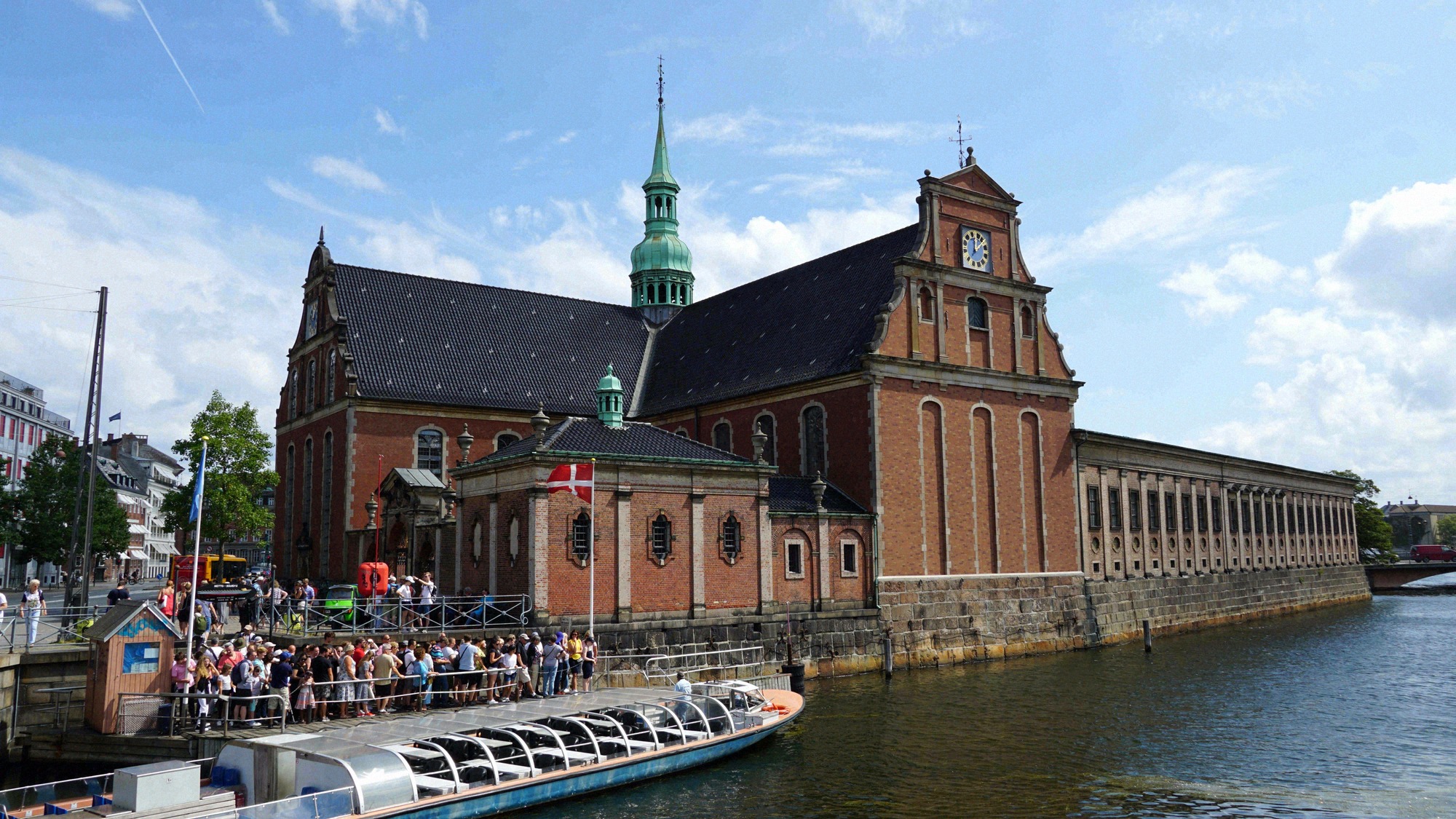
Naval church of the Danish crown
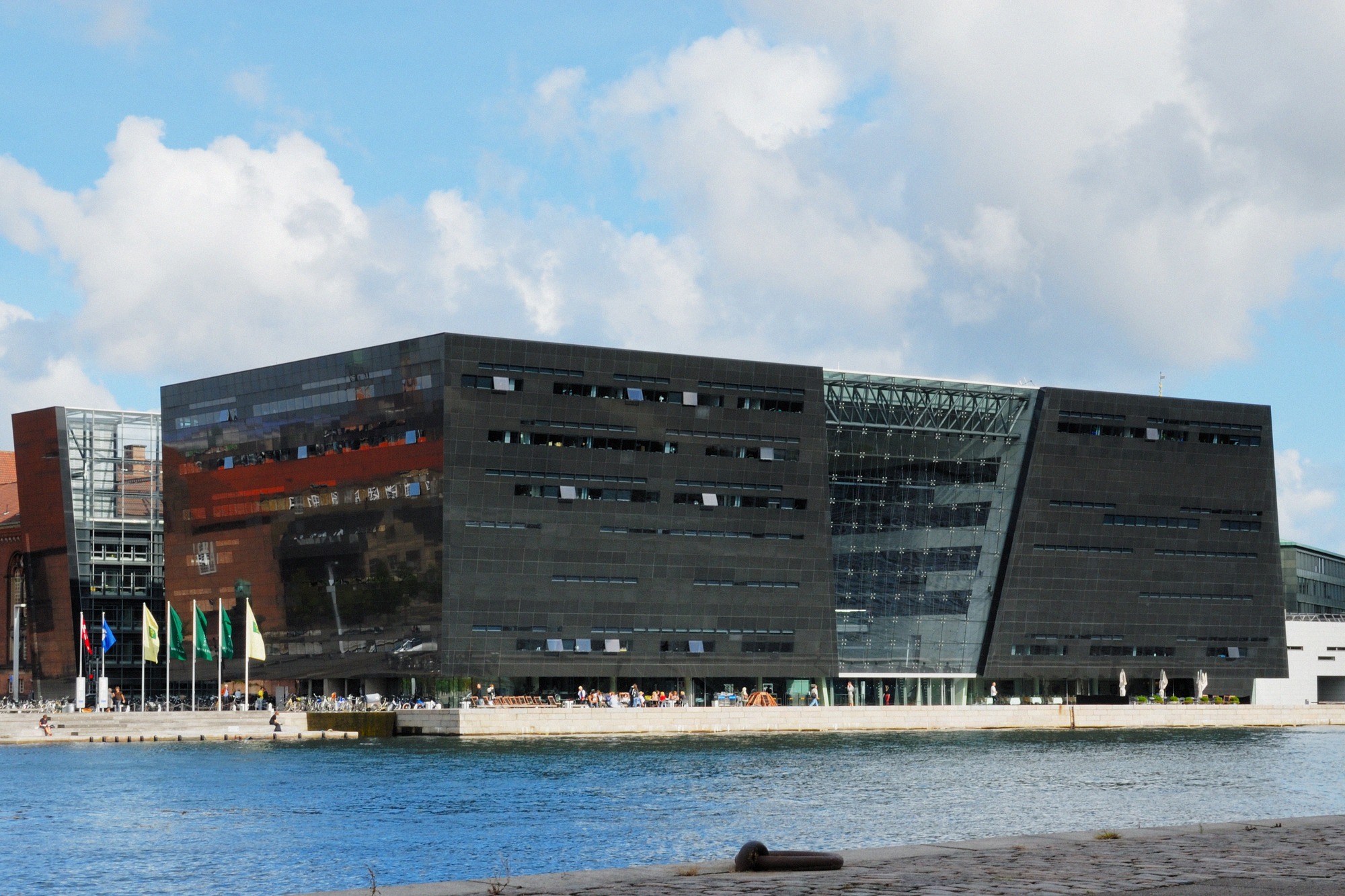
Danish National Library with the Black Diamond
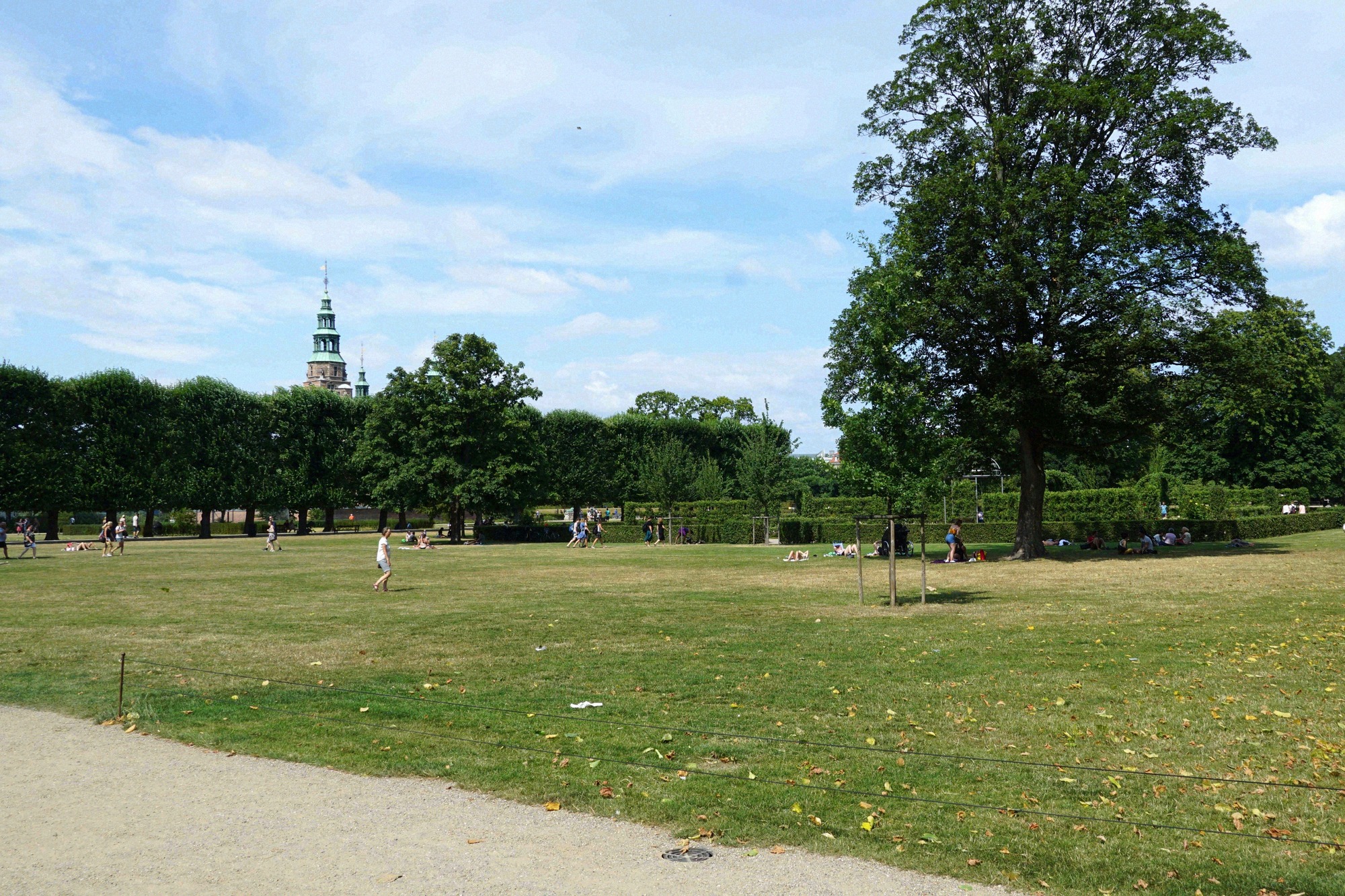
Royal park with a rose garden and lime-tree avenues
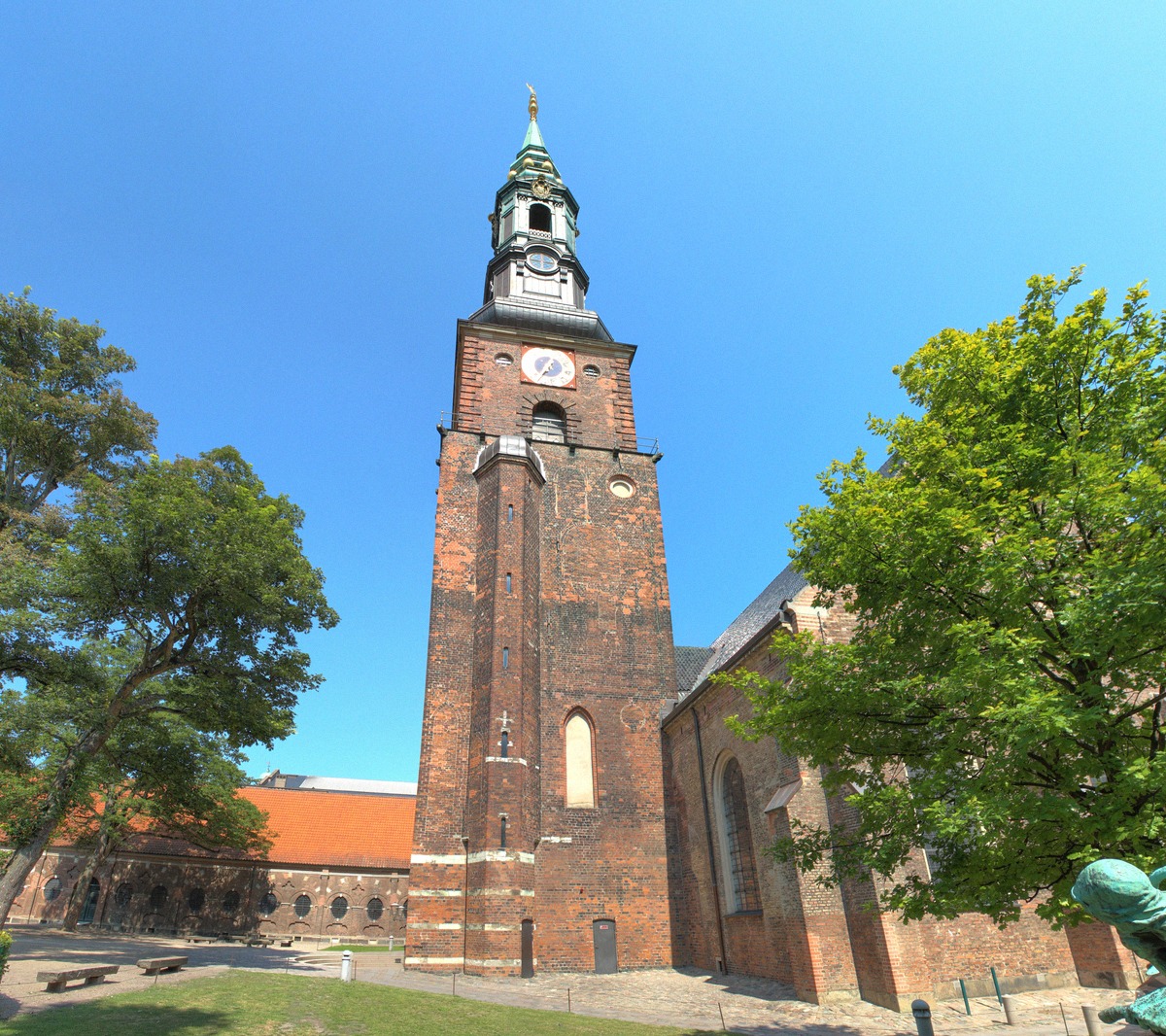
Copenhagen's German church with baroque burial chapels
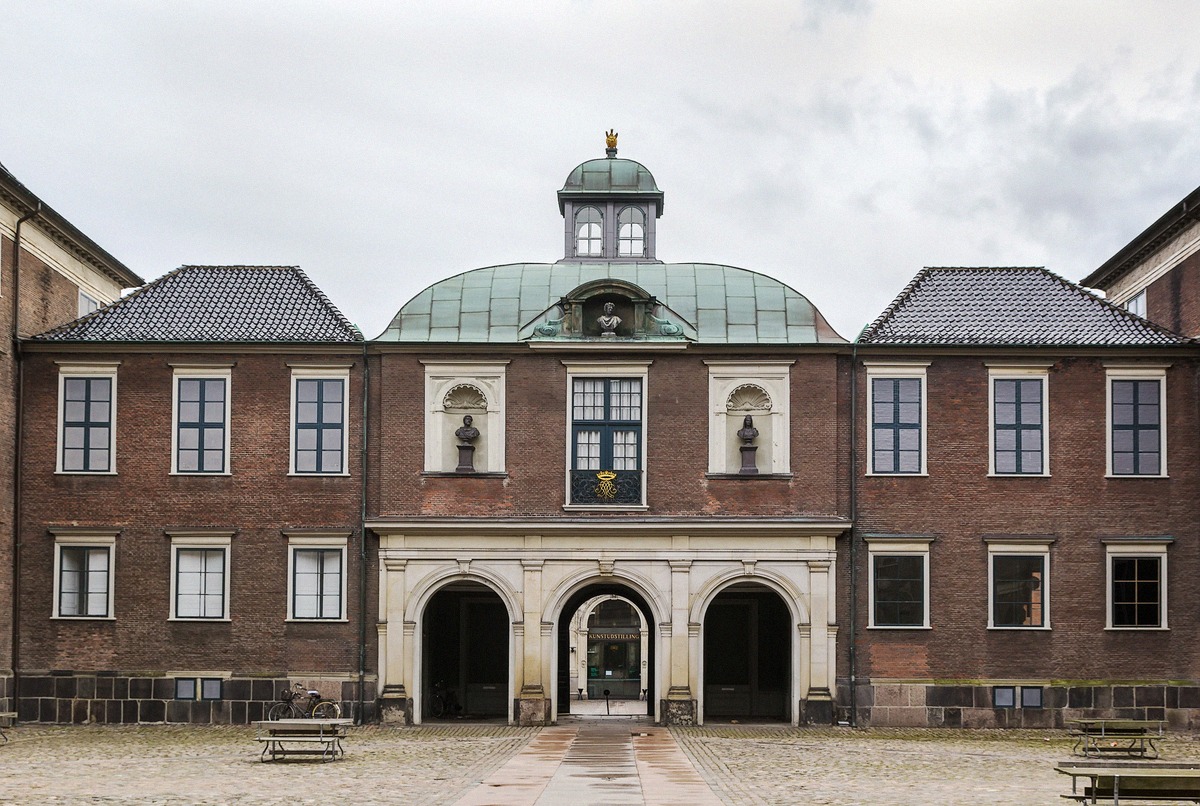
Contemporary art hall in a Baroque palace
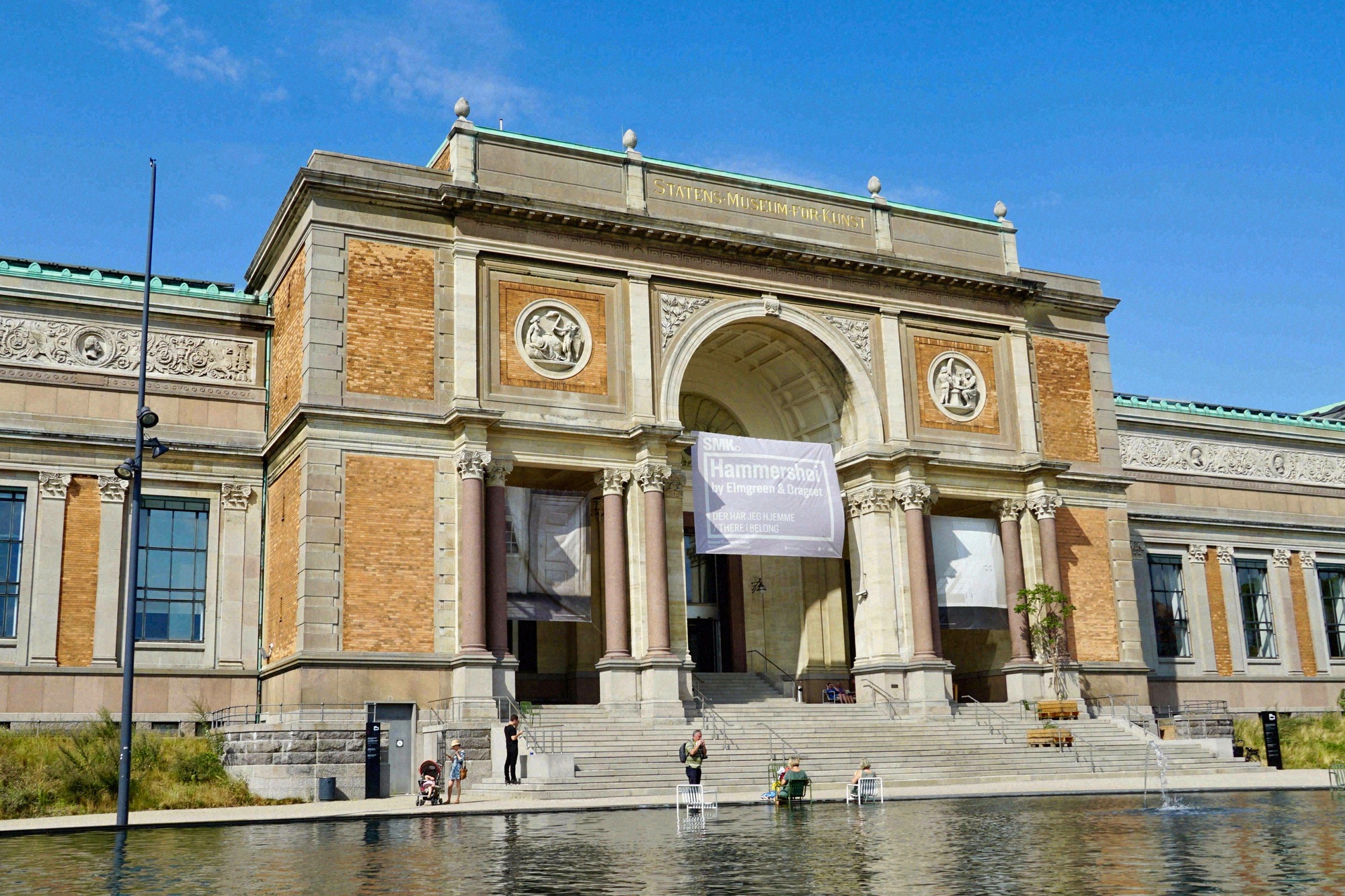
Denmark's national gallery in Østre Anlæg
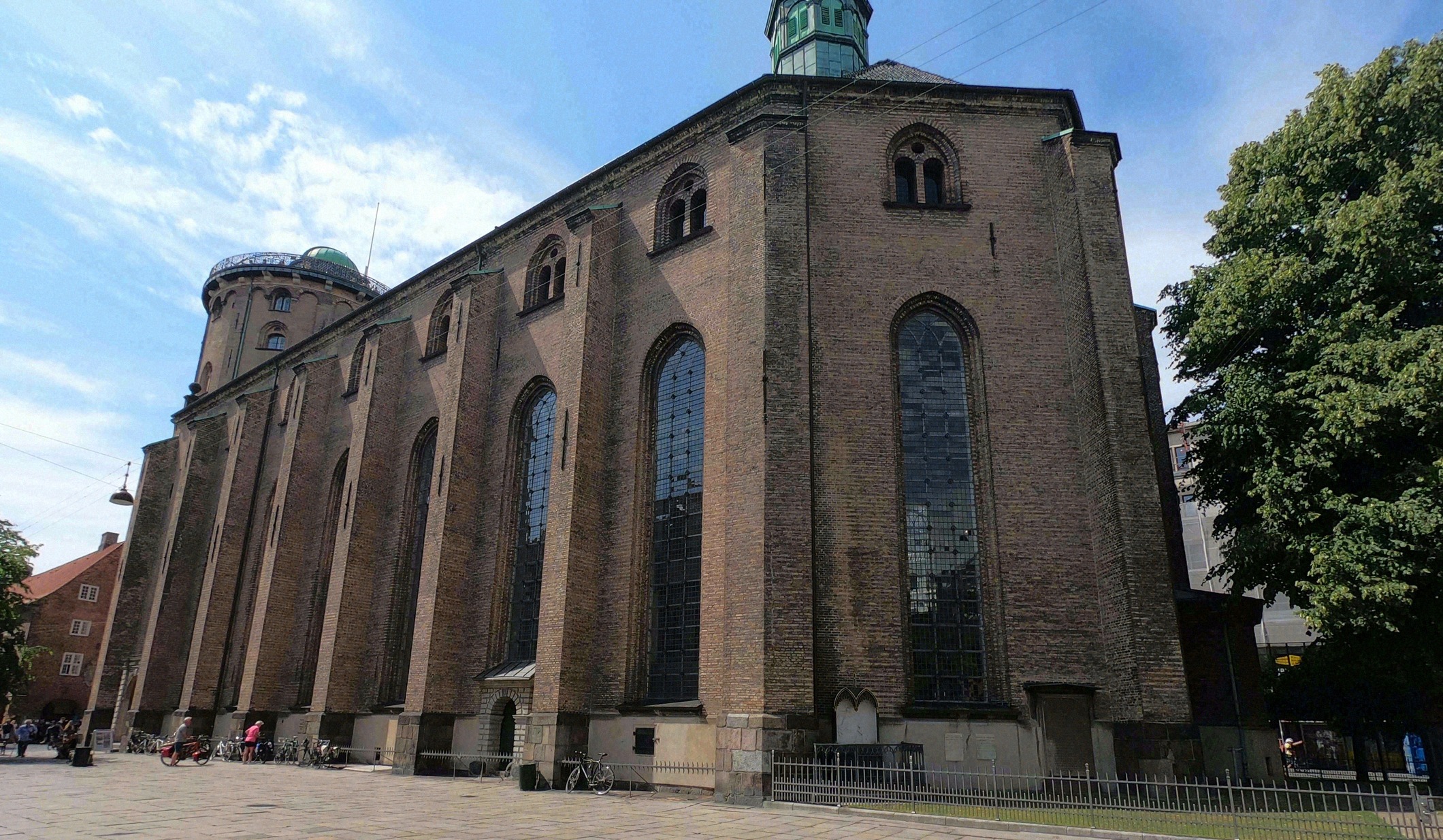
University church with music and the Round Tower
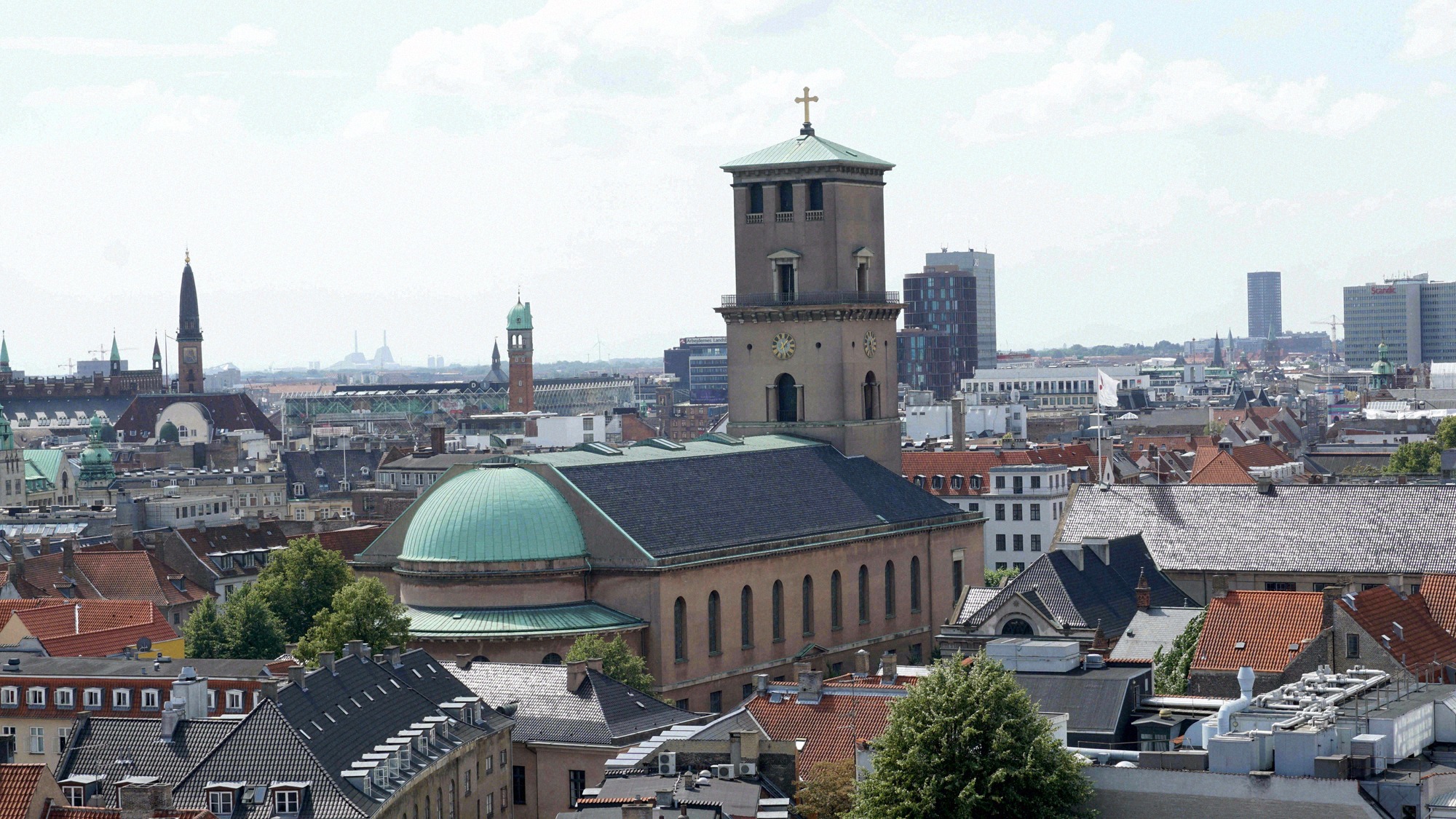
Neoclassical cathedral with Thorvaldsen's sculptures
No results found.
Copenhagen is easy to explore on foot and with short canal trips, most sights cluster closely together around the old harbour, Slotsholmen and the city centre. This overview lists all 30 attractions we cover in detail, sorted by what they cost and when a visit is worthwhile. For how to link them into a well-paced route, see our trip plans.
Leading the list is Nyhavn, the colourful old harbour and the most popular starting point for canal tours. The canal was dug between 1670 and 1673 under Christian V, the oldest house (number 9) dates from 1681, and Hans Christian Andersen lived in three of the houses in turn, his first fairy tales were written at number 20 in 1835. Then there's the pleasure garden Tivoli, opened in 1843 and the world's second-oldest amusement park, the landmark The Little Mermaid, Edvard Eriksen's 1913 bronze statue based on Andersen's fairy tale on the Langelinie quay, and the royal residence Amalienborg: four rococo palaces around an octagonal square, home to the Danish royal family since 1794. The Changing of the Guard takes place daily at 12:00; the guards set off from the barracks near Rosenborg Castle around 11:30.
History and art are covered by Rosenborg Castle - Christian IV's Renaissance pleasure palace, with the Danish Crown Jewels in the treasury and the Knights' Hall -, the parliament building Christiansborg (one of the few buildings in the world housing all three branches of government under one roof), the Round Tower from 1642 with Europe's oldest surviving observatory, the National Museum of Denmark, spanning 14,000 years of Danish history, from the Trundholm sun chariot to the Vikings, and the Ny Carlsberg Glyptotek, built on the private collection of Carlsberg brewer Carl Jacobsen, which pairs antique sculpture with Rodin and over 40 works by Gauguin around a glass-roofed winter garden. Together they form a well-rounded two-day route through the city.
If you want to see Copenhagen from above, you're spoilt for choice, the towers differ considerably. The Christiansborg palace tower is the city's tallest at 106 metres and reached by lift; access is free (Tuesday to Saturday 11:00-21:00, Sunday 11:00-17:30, closed Mondays), one of the best free views in the city. The Round Tower is the easiest climb: instead of stairs, a spiral ramp winds just over seven times around the tower's core to the top, with just two short flights of steps near the platform (DKK 60, students DKK 40, under-18s free).
More spectacular but more strenuous is the 90-metre tower of the Church of Our Saviour in Christianshavn, with its external spiral staircase winding around the spire - 400 steps, the last 150 or so outdoors (DKK 70, the church itself is free). The fourth option is the Marble Church, with Scandinavia's largest church dome: the guided dome climb runs on Saturdays and Sundays at 13:30, costs DKK 50 and is limited to 15 people per tour, tickets are sold on site only.
A pleasing number of sights are free: Nyhavn, the Little Mermaid, Kastellet, Christiania, the pedestrian street Strøget, Kongens Nytorv, the park Kongens Have, the market halls Torvehallerne, the palace square at Amalienborg, the Royal Library with its permanent exhibition, the visitor centre at Børsen, and several churches such as Vor Frue Kirke (Copenhagen Cathedral), Holmens Kirke, Trinitatis Kirke or the Marble Church (only the dome climb costs DKK 50).
Three of the free sights are worth a small trip in their own right: Kastellet, a star fortress dating from 1664 with origins under Christian IV in 1626, remains active military ground yet is freely open every day, and it's on the way to the Little Mermaid anyway. In the free town of Christiania, things have been noticeably calmer since Pusher Street was dismantled in April 2024; photography is allowed in most areas. And Strøget links the town hall square with Kongens Nytorv over roughly 1.1 kilometres, one of the longest pedestrian streets in Europe and the natural spine connecting many of the sights in this overview.
Admission fees are charged mainly by the museums and palaces. The Round Tower costs DKK 60 for adults, the National Museum of Denmark DKK 150 at the door or DKK 135 online (the ticket is valid for a year and covers all permanent and special exhibitions). The Glyptotek also costs DKK 150 at the door or DKK 135 online, with free admission on the last Wednesday of the month. Rosenborg charges DKK 140 online or DKK 150 at the door (under-18s free), the Amalienborg Museum DKK 125 online or DKK 135 at the door, and Christiansborg bundles its areas into a combined ticket for DKK 215, while the tower stays free. At the Church of Our Saviour, the church is free and the tower climb costs DKK 70.
Among the art museums, prices range from DKK 90 to DKK 140: the Designmuseum Danmark, with its famous Chair Tunnel, costs DKK 140 (under-27s and students DKK 90, under-18s free), the SMK also DKK 140 (ages 18 to 27 DKK 95), Den Hirschsprungske Samling DKK 110 (under-29s DKK 75), the underground Cisternerne in Søndermarken park DKK 115, and the Kunsthal at Charlottenborg Palace DKK 90, free from 17:00 on Wednesdays. At the Botanical Garden, the grounds are free and only the Palm House costs DKK 70. Tivoli is a special case: entry (without rides) is for ages 8 and up and starts in 2026 at DKK 145 on weekdays or DKK 155 at weekends, children aged 3 to 7 pay around DKK 65, under-3s are free; on Friday evenings the price rises to DKK 210. Prices vary by day (the Tivoli calendar is the reference), and rides require a separate multi-ride pass from DKK 299.
Many museums close on Mondays: the Glyptotek (Tuesday to Sunday 10:00-17:00, Thursdays until 21:00), the Designmuseum (10:00-18:00, Thursdays until 20:00), the SMK (10:00-18:00, Wednesdays until 20:00) and Den Hirschsprungske Samling (10:00-17:00); the Christiansborg tower also rests on Mondays. The National Museum of Denmark opens daily 10:00-17:00, closed Mondays from November to March. Rosenborg is normally open daily 10:00-17:00, from as early as 9:00 in high summer, and Tuesday to Sunday 10:00-16:00 in winter. The Round Tower is open daily, 10:00-20:00 from April to September, otherwise 10:00-18:00. Tivoli opens only seasonally, usually from 11:00 until around 23:00 (later on Fridays and Saturdays), check the Tivoli calendar for exact daily times.
If you're looking for a specific theme, you'll find sights grouped into dedicated overviews: Churches & Towers covers eight sights from the Marble Church to the Round Tower, Museums & Design covers another eight, from the Glyptotek to the Designmuseum, and Palaces & Royals brings together five royal addresses around Slotsholmen and Frederiksstaden.