
Admission
National Museum of Denmark
Admission to Denmark's largest museum of cultural history, from the Viking Age to the present day.
4.5 (1,200) · GetYourGuide
From €18.06
Book TicketVikings, the Sun Chariot & 14,000 years of history
Denmark's largest museum of cultural history fills the former Prince's Palace with 14,000 years of the past, from the Trundholm Sun Chariot to Vikings and world cultures.
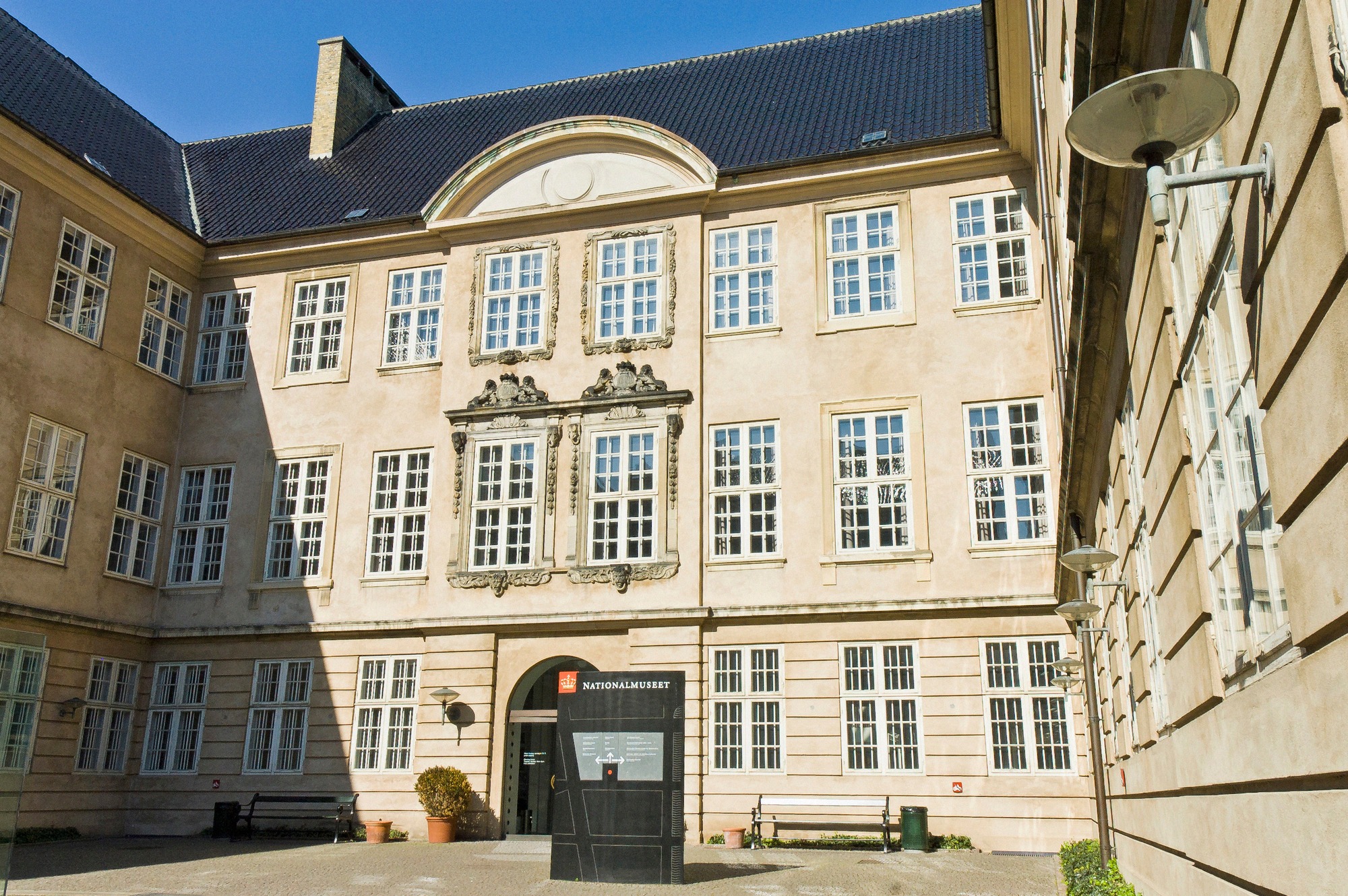
Admission
Admission to Denmark's largest museum of cultural history, from the Viking Age to the present day.
4.5 (1,200) · GetYourGuide
From €18.06
Book TicketThe National Museum of Denmark is the country's largest museum of cultural history, housed in the former Prince's Palace on Ny Vestergade, just a few steps from Christiansborg. Spread across several floors, it spans everything from the Stone Age through the Vikings and the Middle Ages into the modern era, a compact, well-organised introduction to Danish history that also opens a window onto cultures from around the world.
The museum's most famous piece is the Trundholm Sun Chariot, a gilded bronze figure from the Bronze Age. The Viking collection, with its rune stones, weapons and jewellery, is one of the most-visited sections, alongside the strikingly well-preserved bog finds. Beyond that, you'll find the Middle Ages and Renaissance, collections from outside Europe, and a classical antiquities department.
Rotating special exhibitions are included in the ticket at no extra charge. In 2026 these include The Viking Sorceress (running until August 2027) and Land Unknown (opening March 2026), alongside KA-CHING!, Arctic and Voices from the Colonies. A few older exhibitions close in April 2026, check the official website for the current programme before you go.
Unlike in the past, a visit is no longer free: admission has applied since 2016, and adults currently pay 150 DKK at the ticket desk or 135 DKK online (10 percent off). Under-18s go free. The single ticket covers every exhibition, including the Children's Museum, and stays valid for a year; an annual pass costs 285 DKK (1 person) or 495 DKK (2 people).
Free English-language guided tours are included in the ticket (April to August, on weekends): Meet the Danes runs 11:00-12:00 and Viking runs 14:00-15:00; in July and August there's also a Danish-language tour, Victorian Home, at 12:30. The free National Museum Audio Guide app (iOS and Android) includes ten stories about Denmark; its Samlyt feature lets a group listen together.
The museum is especially family-friendly: a large Children's Museum is included in the ticket and invites hands-on exploration, from a Viking ship to a recreated historical classroom. Personal prams and buggies aren't allowed inside the exhibitions but can be left at the entrance (lockable, on loan); the museum also has its own prams available to borrow.
The building is fully wheelchair-accessible; wheelchairs and rollators can be borrowed, a companion travels free with a Companion Card, and assistance dogs are welcome. Free, lockable lockers and Café Daisy, serving Danish food including smørrebrød, round out a visit, the café is open even without a museum ticket, and there's a separate lunch room for anyone bringing their own food.
The National Museum sits centrally in Indre By, Copenhagen's inner city, just a few minutes' walk from Christiansborg and the Glyptotek. A visit pairs well with the neighbouring art museum Ny Carlsberg Glyptotek or a stroll down the shopping street Strøget. In bad weather, the museum's many floors make it one of the best places to head in the city.
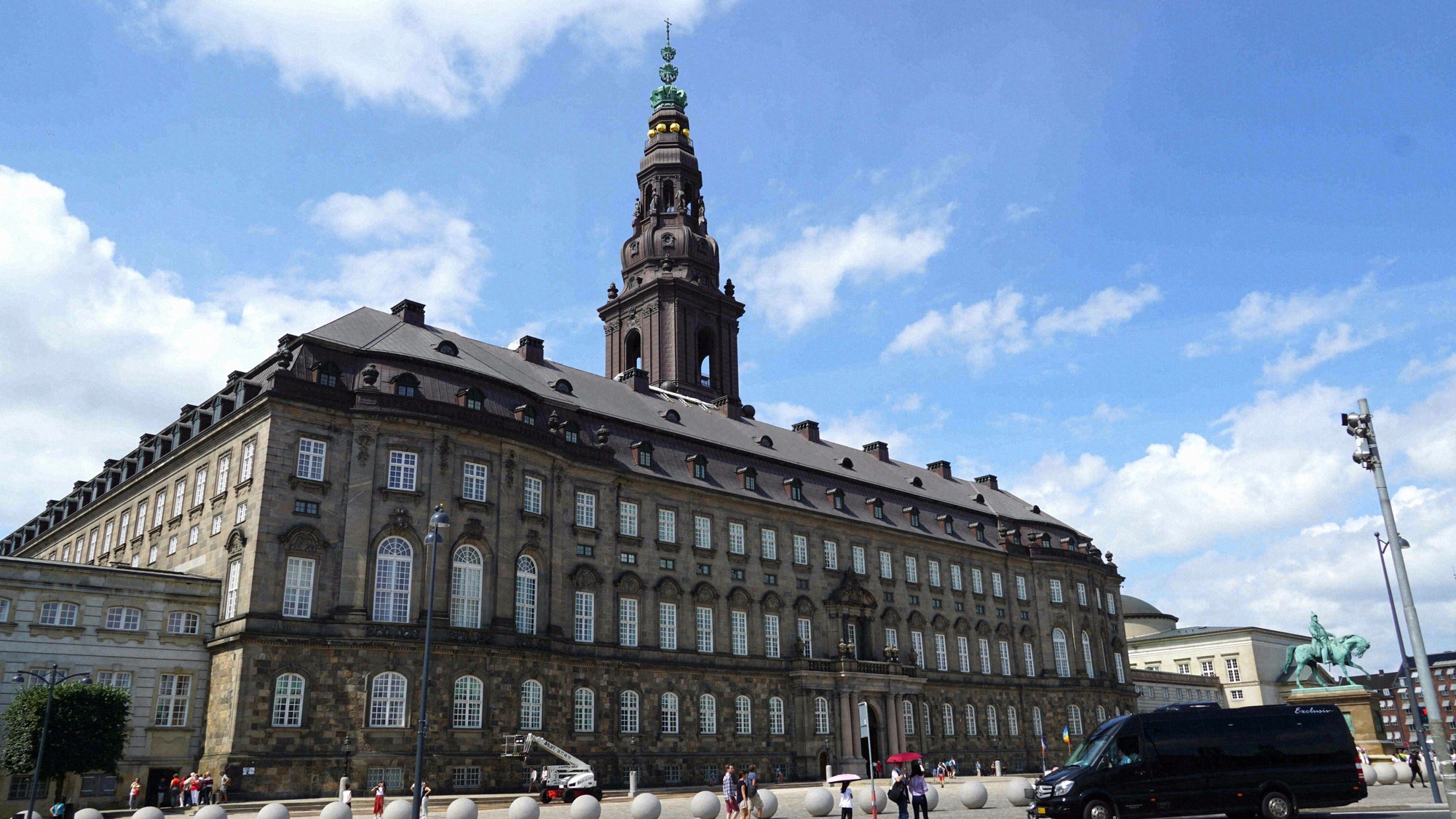
On Slotsholmen, Christiansborg houses Denmark's parliament, government and Supreme Court, plus royal reception rooms and the free, tallest tower in Copenhagen.
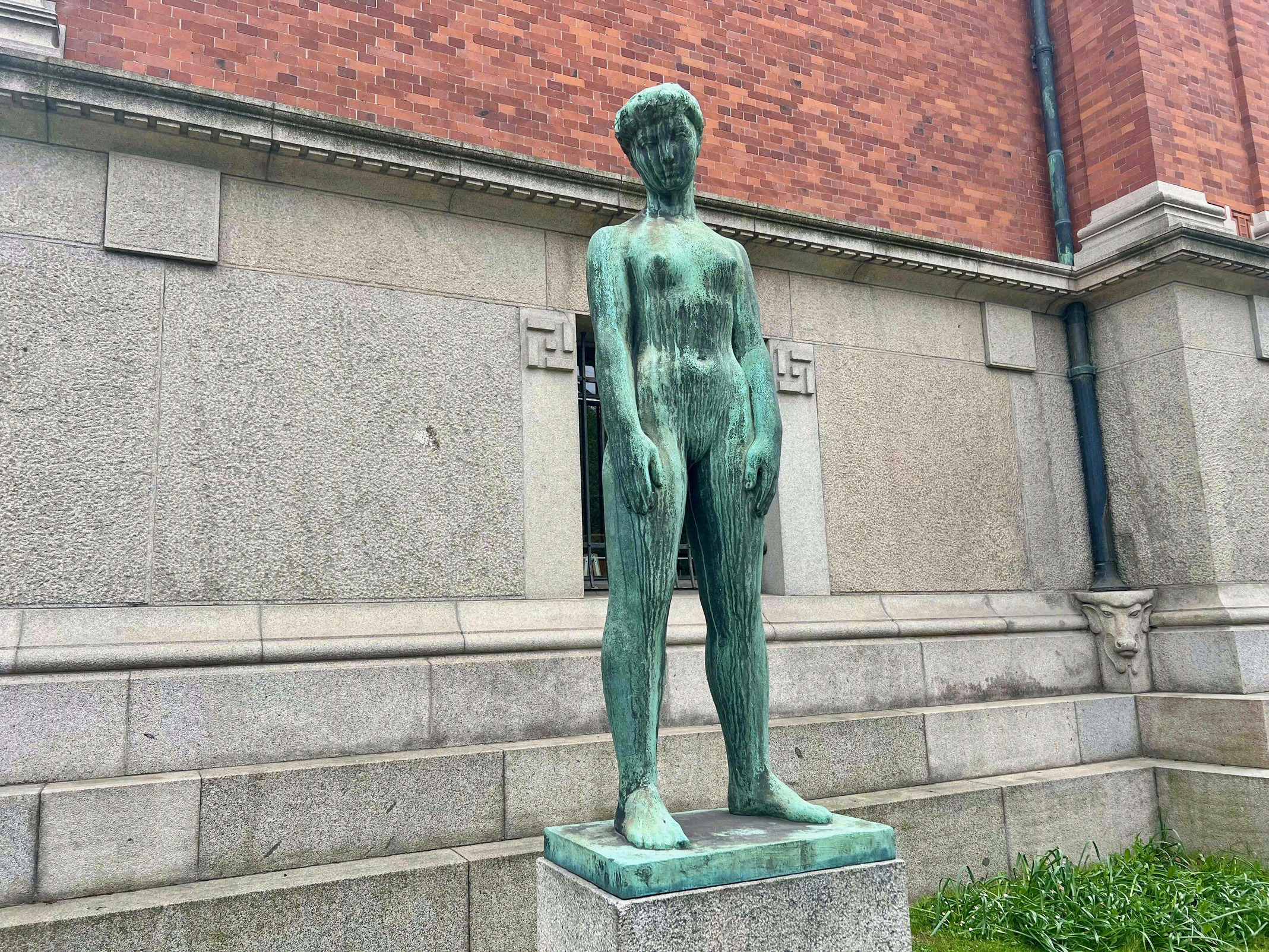
Brewer Carl Jacobsen's art museum brings together ancient sculpture, over 40 Gauguin works and one of the largest Rodin collections, around a glazed winter garden.
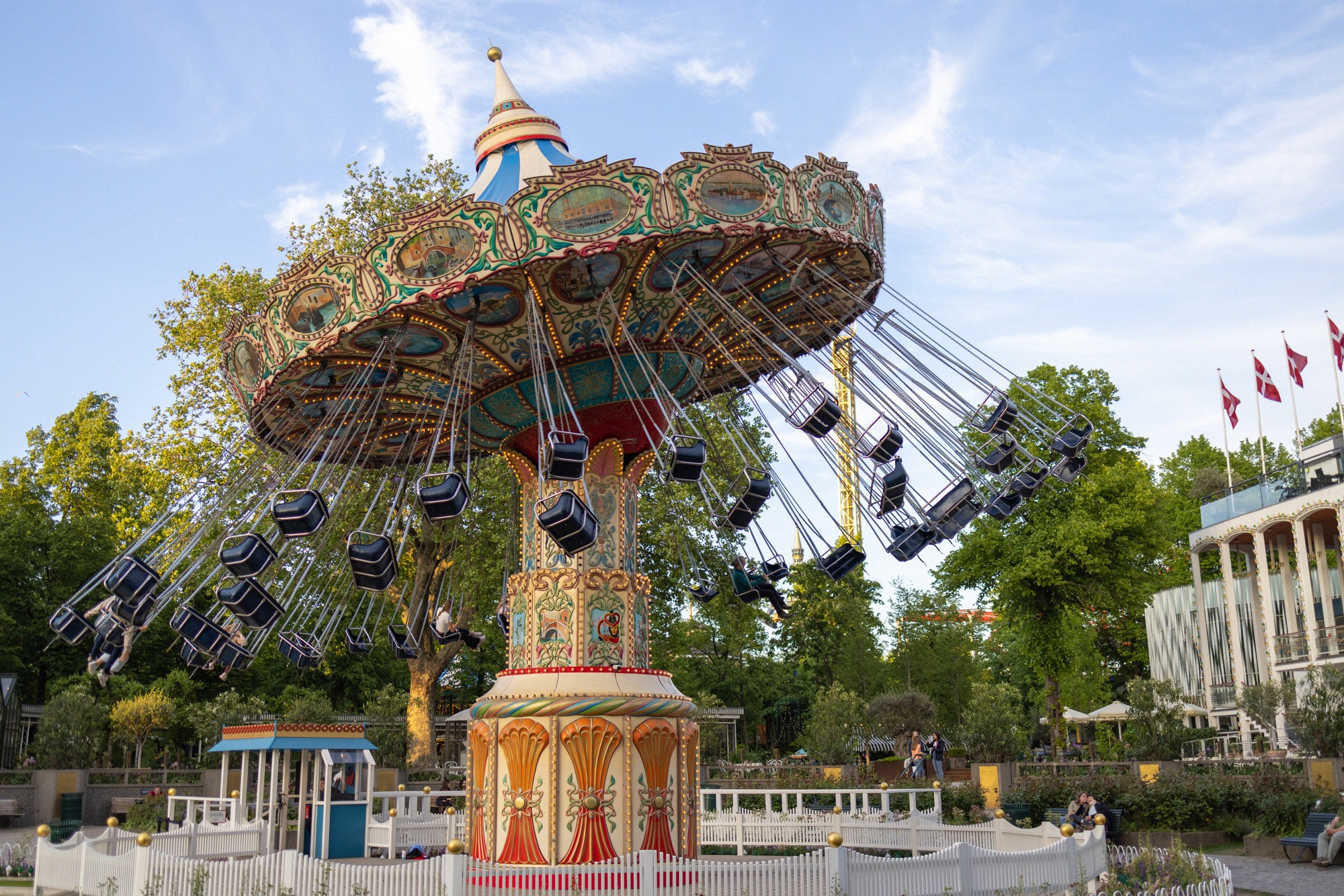
Opened in 1843 by Copenhagen Central Station, Tivoli is the world's second-oldest amusement park, with a historic wooden roller coaster, gardens, concerts and hundreds of thousands of lights.
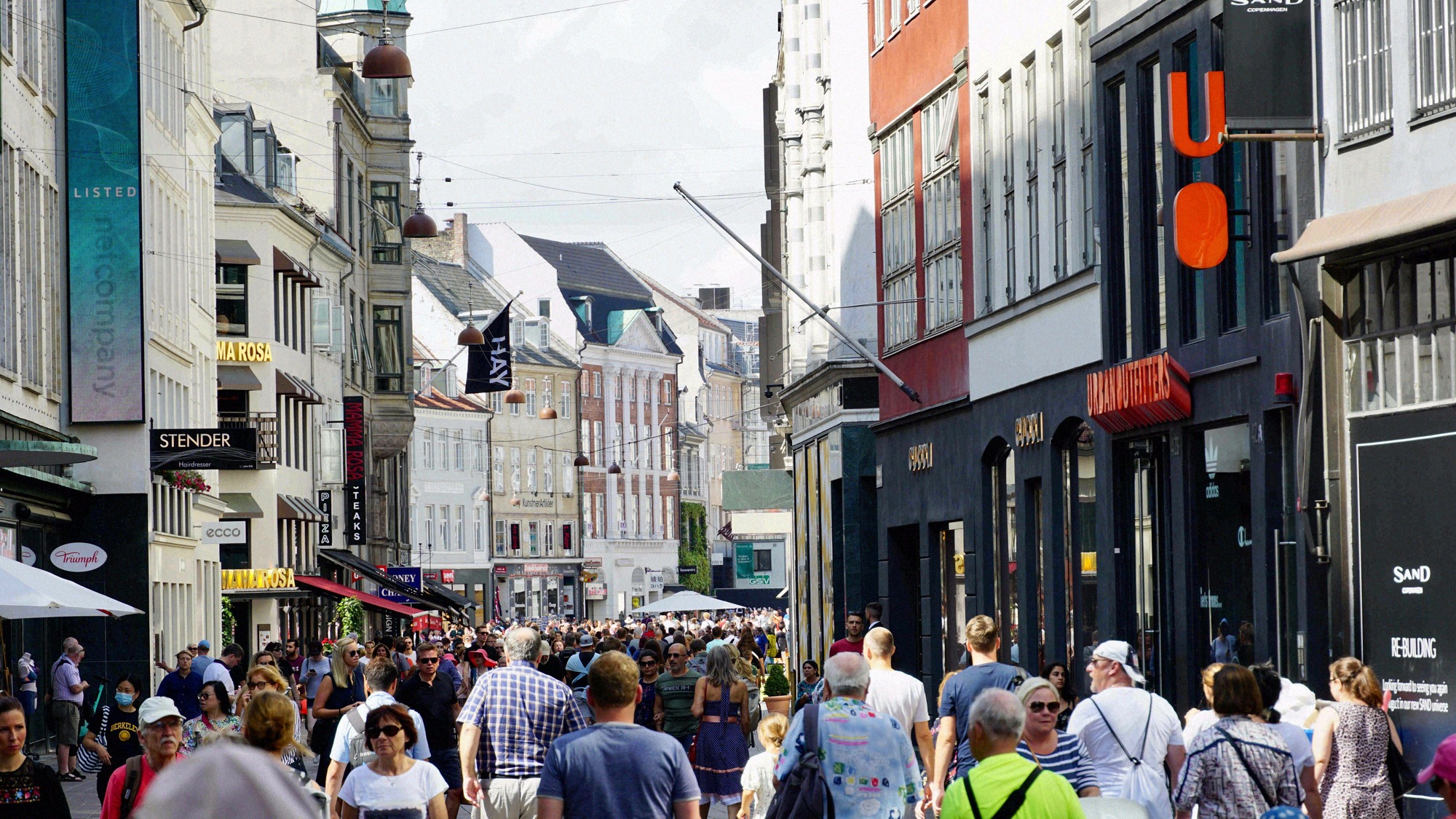
Strøget is Copenhagen's main pedestrian axis, around 1.1km of car-free shopping street running from City Hall Square to Kongens Nytorv, one of Europe's longest.
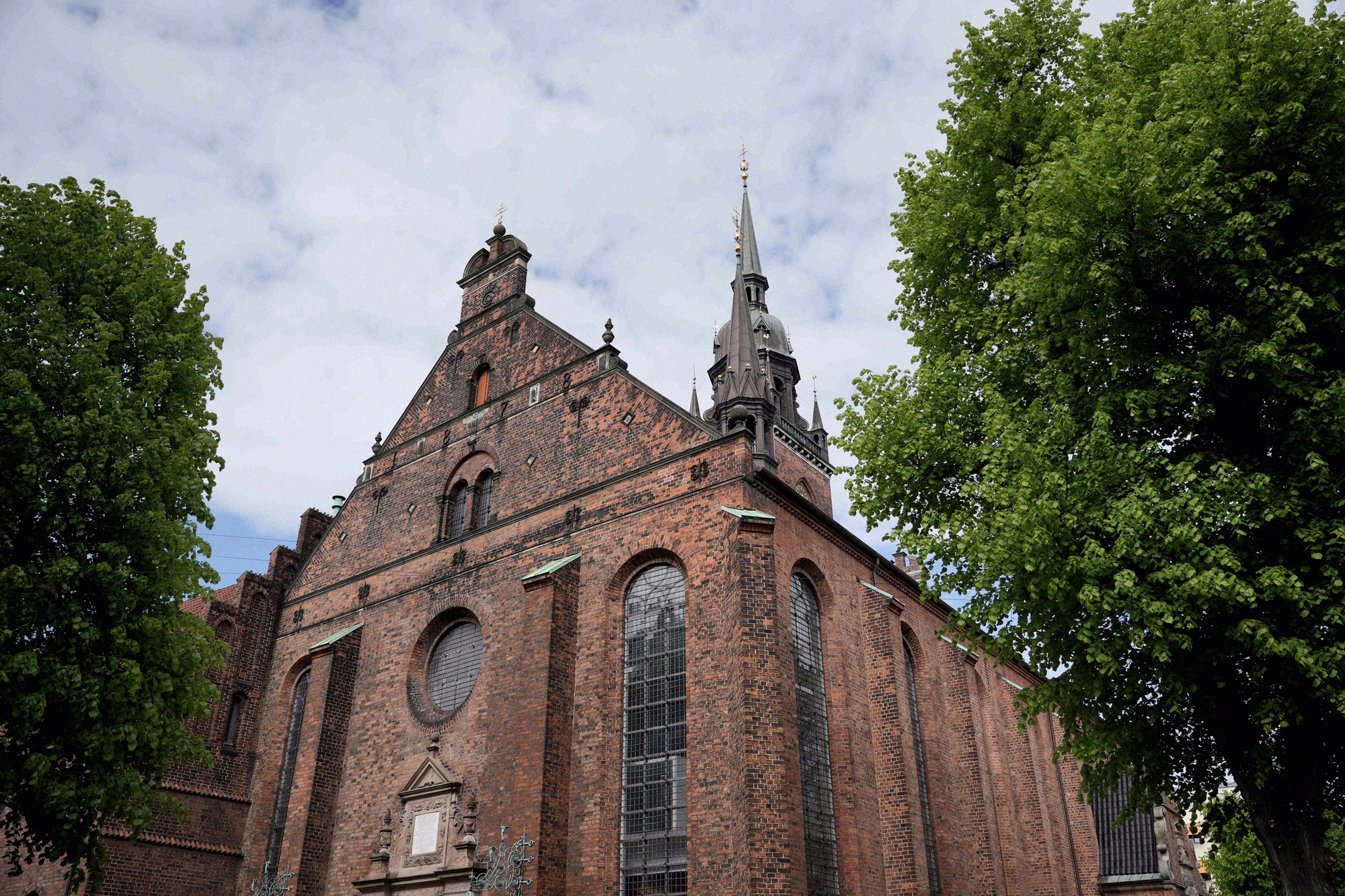
Medieval Church of the Holy Spirit right on Strøget by Amagertorv. Reopened in March 2026 after a two-year renovation, with a Greenlandic congregation.
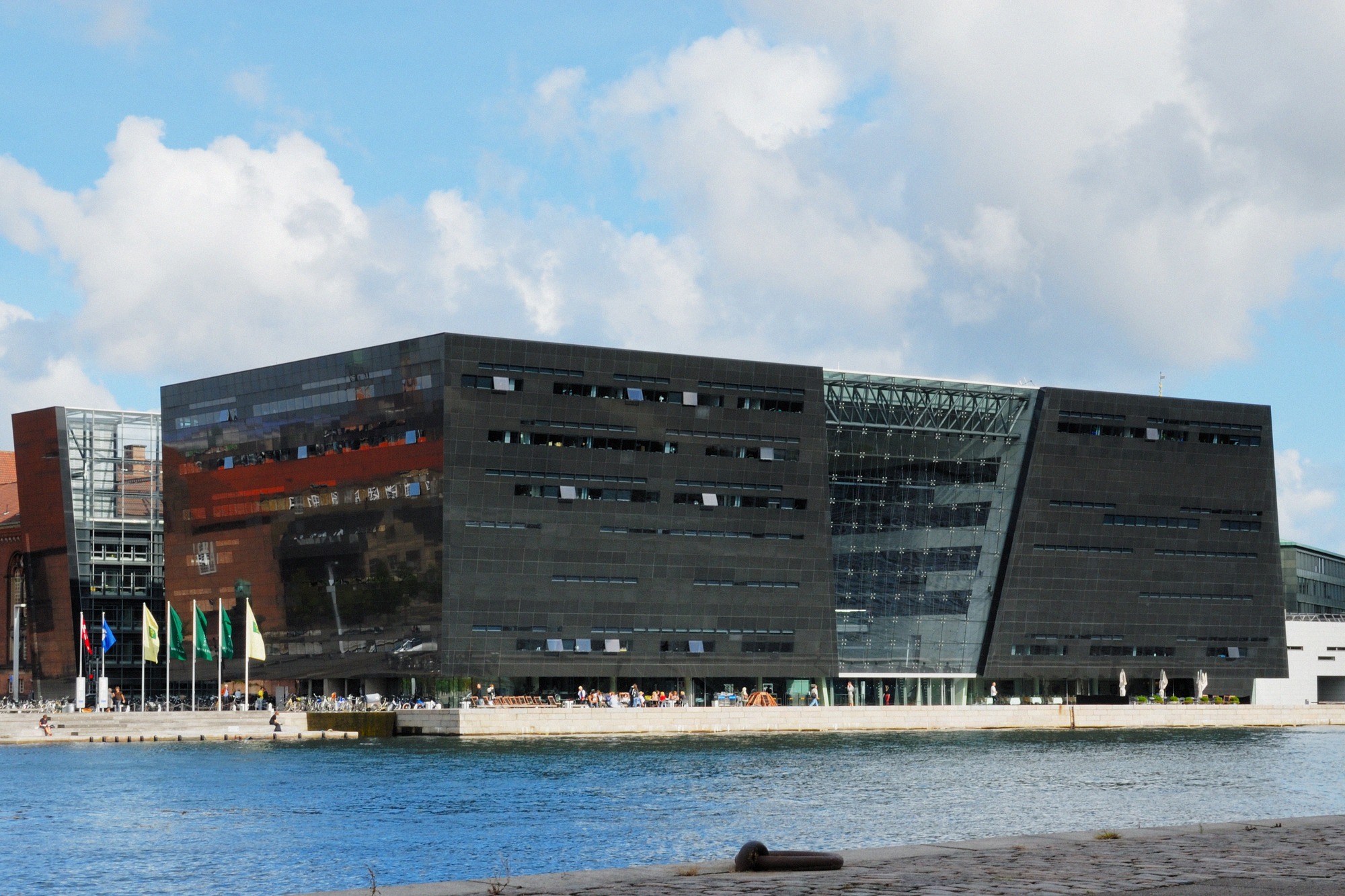
Det Kongelige Bibliotek on Slotsholmen: Denmark's National Library with the Black Diamond from 1999, free exhibitions and a harbourside café.