
Strøget
One of Europe's longest pedestrian shopping streets
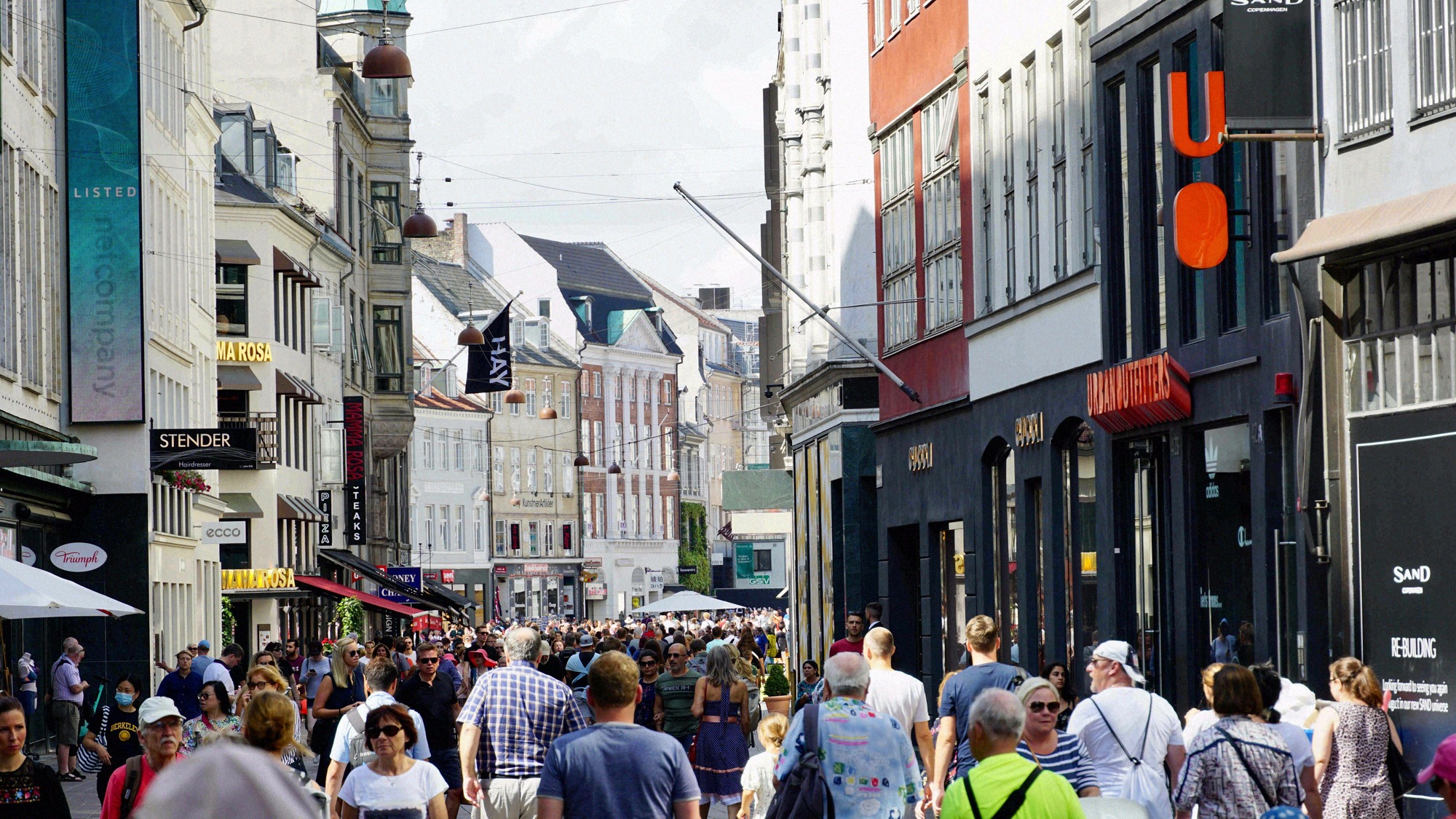
Strøget is Copenhagen's main pedestrian axis, around 1.1km of car-free shopping street running from City Hall Square to Kongens Nytorv, one of Europe's longest.
Contents
Europe's long shopping mile
Strøget is Copenhagen's main pedestrian axis and, at around 1.1 kilometres, one of the longest car-free shopping streets in Europe. Strictly speaking, the name isn't an official street name at all but a 19th-century nickname. In fact, Strøget is a sequence of several streets - Frederiksberggade, Nygade, Vimmelskaftet and Østergade, along with the squares Nytorv, Gammeltorv and Amagertorv. It runs from Rådhuspladsen (City Hall Square) to the elegant Kongens Nytorv, cutting right through Indre By, Copenhagen's old town centre.
Wander a little further and you'll rarely stay only on the core streets: the connected pedestrian network in the city centre also extends along Købmagergade, Fiolstræde and Jorcks Passage.
From traffic experiment to pedestrian zone
On 17 November 1962, Strøget was closed to cars on a trial basis, a bold experiment at a time when car-friendly urban planning was the norm across Europe. The trial worked, and in 1964 the pedestrian zone became permanent. Over the following decades the car-free network was extended several times (1968, 1973, 1992). Strøget is still regarded today as a pioneer of the European pedestrian street and a forerunner of the cycling- and pedestrian-friendly city Copenhagen later became known for.
From budget shopping to luxury
The mix of shops shifts along the route: near the western end at Frederiksberggade you'll find chain stores and budget shops, and the further east you go towards Kongens Nytorv, the more upmarket it gets, all the way to flagship stores of Danish brands and international luxury houses. In between sit the major department stores Illum and, on the adjoining Kongens Nytorv, Magasin du Nord.
Individual shops don't share a single set of opening hours. Typical hours run Monday to Friday roughly 10:00-18:00 (sometimes later on Fridays) and Saturday around 10:00-17:00; Sunday is mixed, with some shops closed and others open. If you're heading for a specific shop, it's worth checking its hours in advance.
More than a shopping street
Strøget is the natural spine for a stroll through the centre, even without any shopping plans. On Amagertorv, street performers regularly appear, acrobats, magicians and musicians. This is also where the Stork Fountain stands, while the older Caritas Fountain sits on Gammeltorv at the western end. Many of the city's top sights lie right on the route or just a short detour away: the Round Tower, Copenhagen Cathedral, and at the eastern end Kongens Nytorv with neighbouring Nyhavn.
A practical note: around Rådhuspladsen, the tourist board warns of con artists running shell/cup games. If someone on the street offers you a bet or a game of chance, keep walking.
Getting there & practical tips
Strøget begins at Rådhuspladsen, giving it a location as central as it gets. The metro stations Rådhuspladsen (M3/M4, at the western end) and Kongens Nytorv (M3/M4, at the eastern end) mark both ends, handy if you want to walk the length of the street in one direction without doubling back. From Copenhagen Central Station it's only a few minutes on foot.
- Best time: morning, shortly after the shops open, before the crowds build up. During Advent it's beautifully lit but very busy.
- Accessibility: Strøget itself is flat and paved throughout, and is considered good for wheelchair users. Away from it, expect cobblestones across the historic centre.
- Toilets: public loos directly on the street are scarce; the easiest option is to use the department stores (Illum, Magasin) or a café.
- Duration: the walk itself takes 30-45 minutes; with browsing, breaks and detours, allow one to two hours.
Strøget pairs well with almost any itinerary in Indre By, say, a visit to the National Museum of Denmark or a detour to Nyhavn. For more on what's worth seeing, check the guide to Copenhagen's top attractions.
Frequently asked questions
How long is Strøget? +
Is Strøget worth visiting if you don't want to shop? +
What does it cost to visit Strøget? +
When is Strøget most crowded? +
Nearby
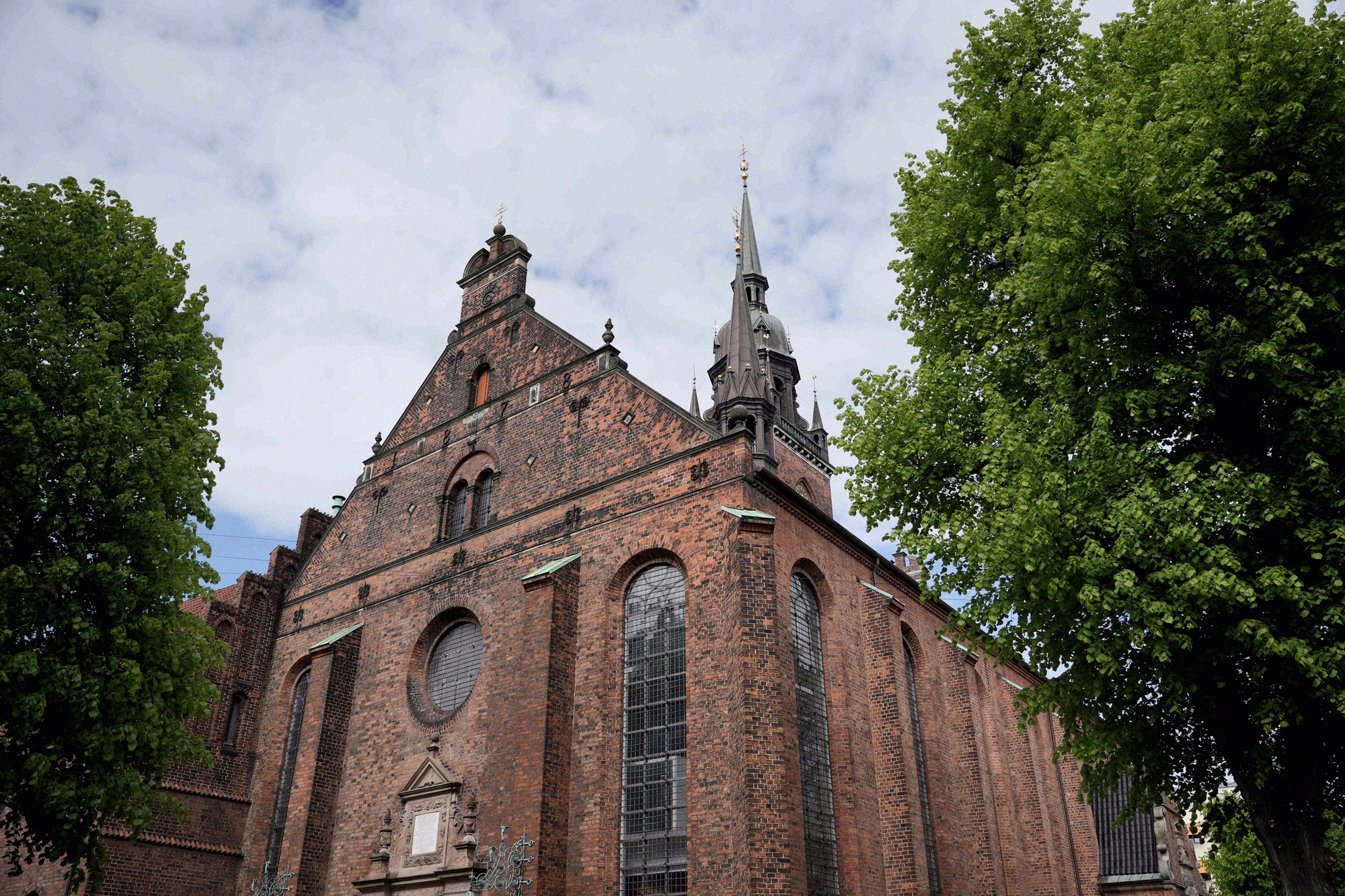
Helligåndskirken
Medieval Church of the Holy Spirit right on Strøget by Amagertorv. Reopened in March 2026 after a two-year renovation, with a Greenlandic congregation.
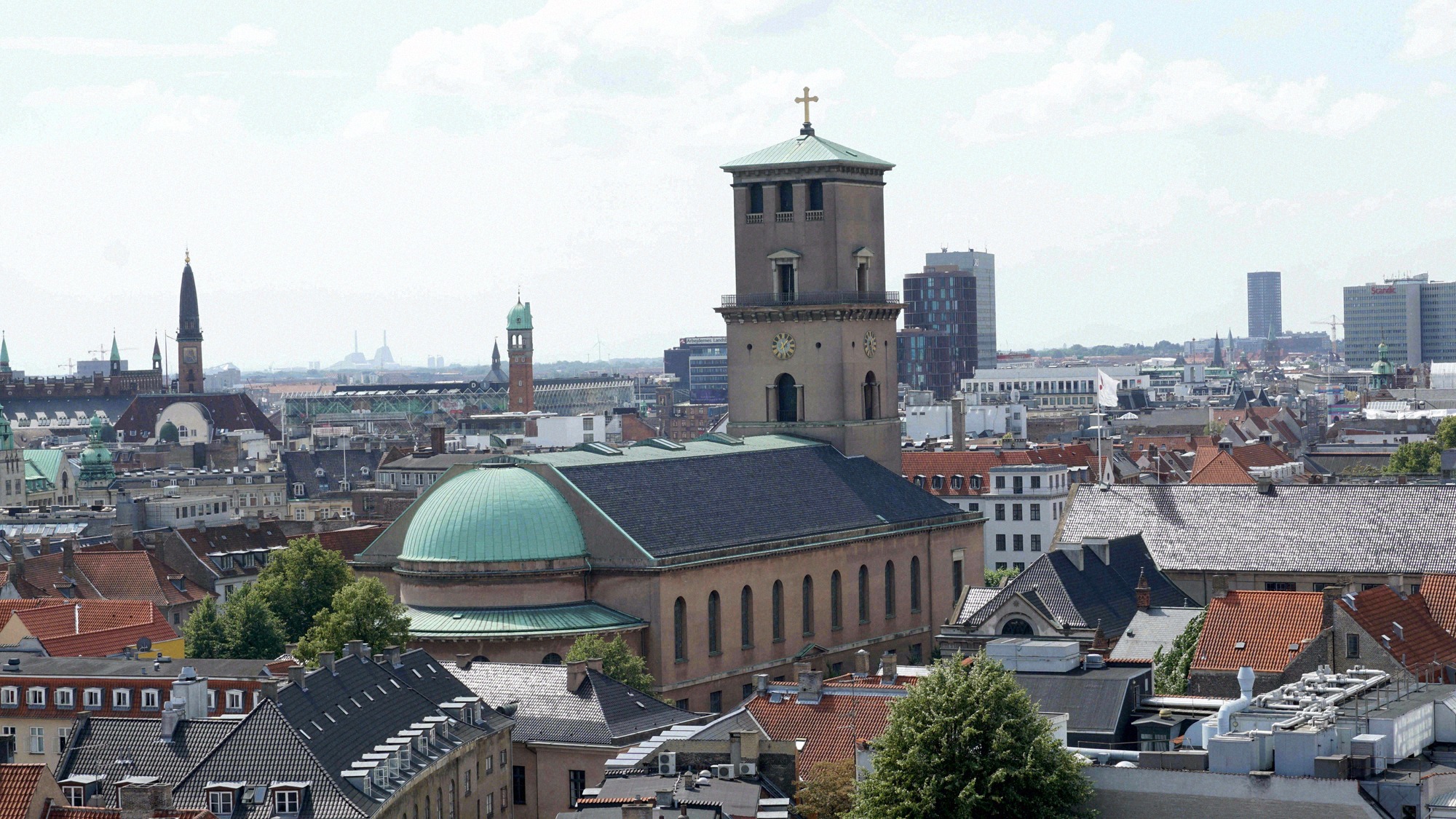
Copenhagen Cathedral (Vor Frue Kirke)
Vor Frue Kirke on Frue Plads is Copenhagen Cathedral: a neoclassical church by C. F. Hansen with Thorvaldsen's Christ figure and row of apostles. Free entry.
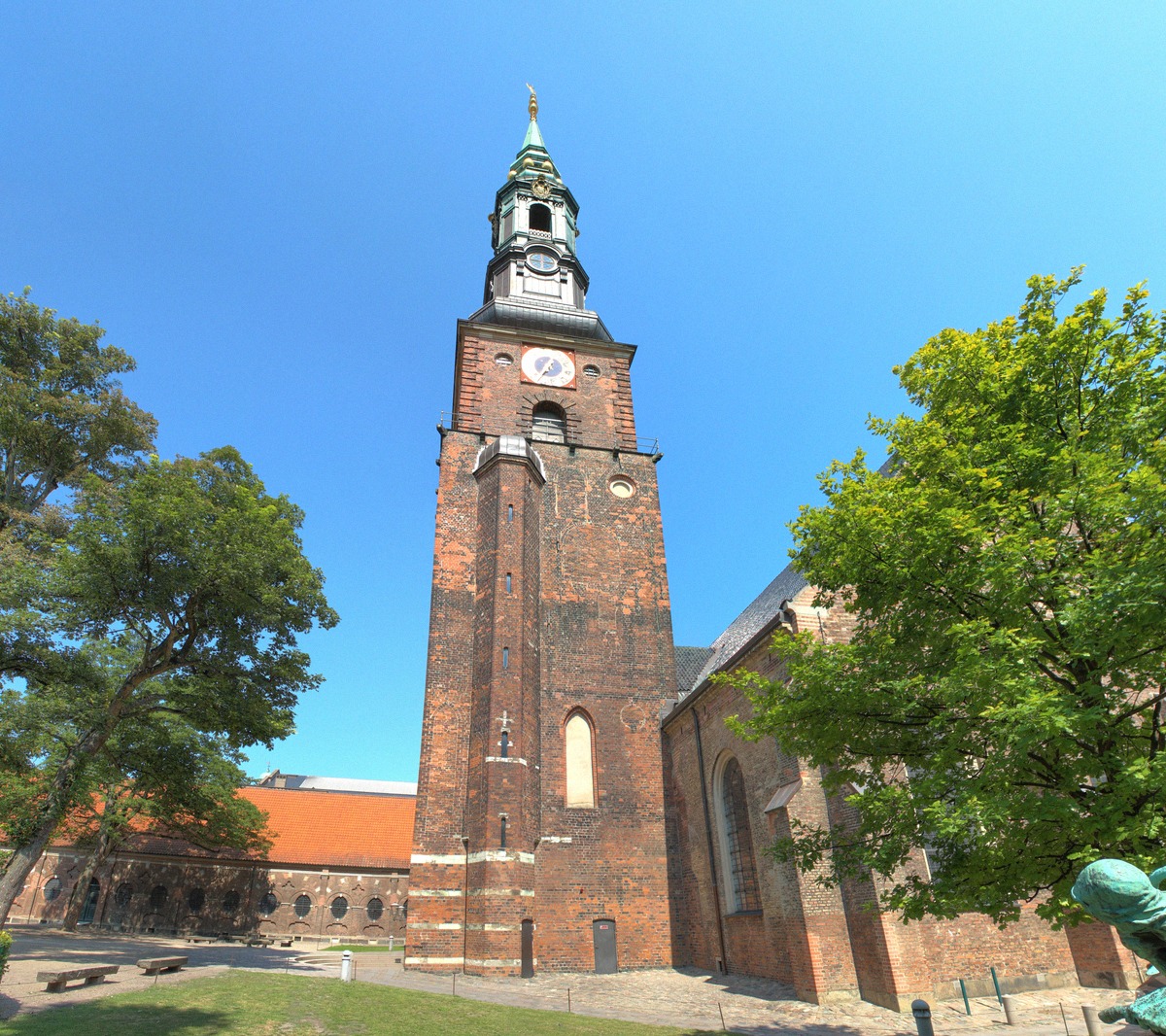
Sankt Petri Kirke
Sankt Petri Kirke is the oldest surviving church in central Copenhagen and home to the city's German congregation. Don't miss the baroque burial chapels with their herb garden.
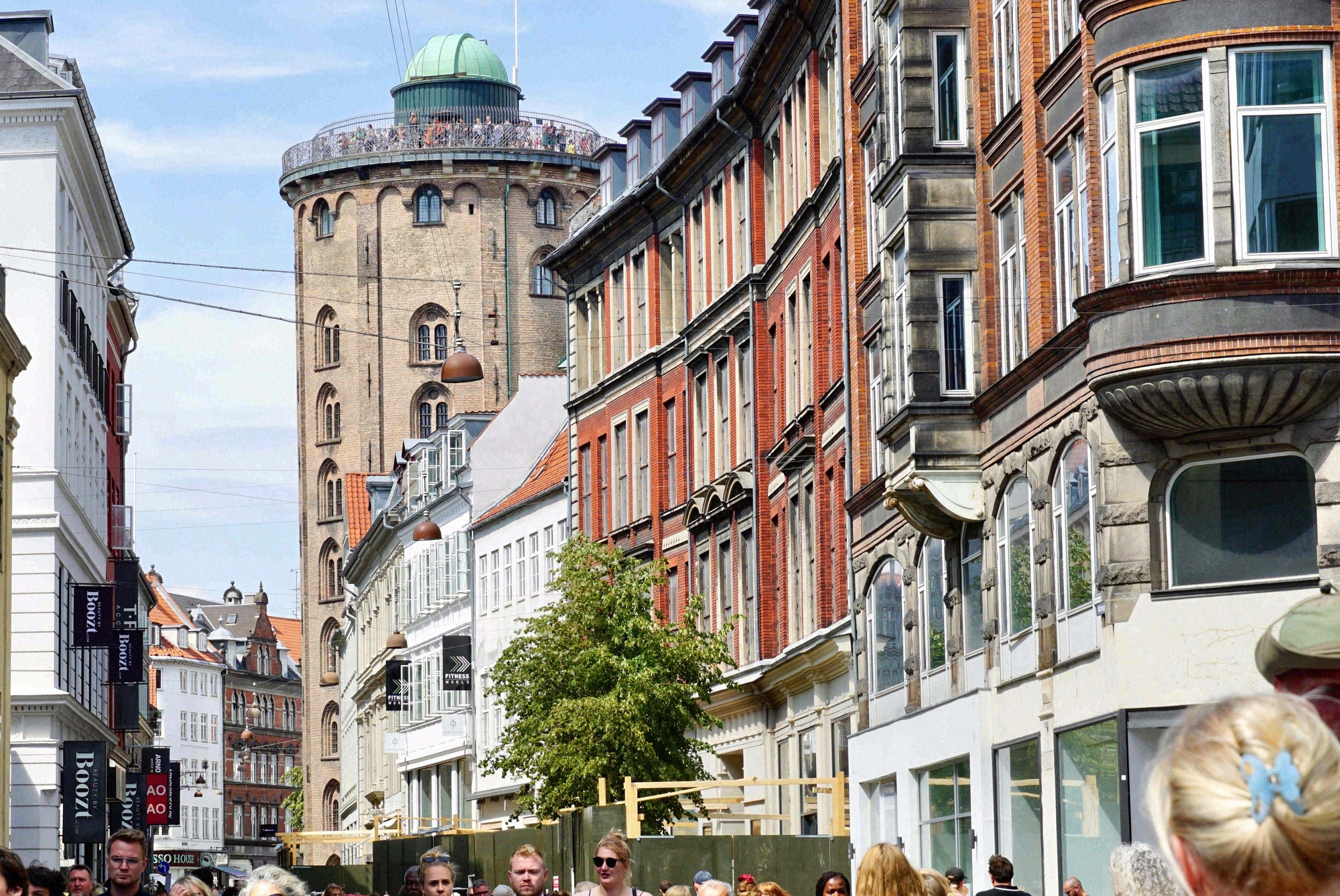
Round Tower
The Round Tower (Rundetårn), Copenhagen's tower from 1642, holds Europe's oldest working observatory. A spiral ramp with just over seven turns leads up to a view over the old town.
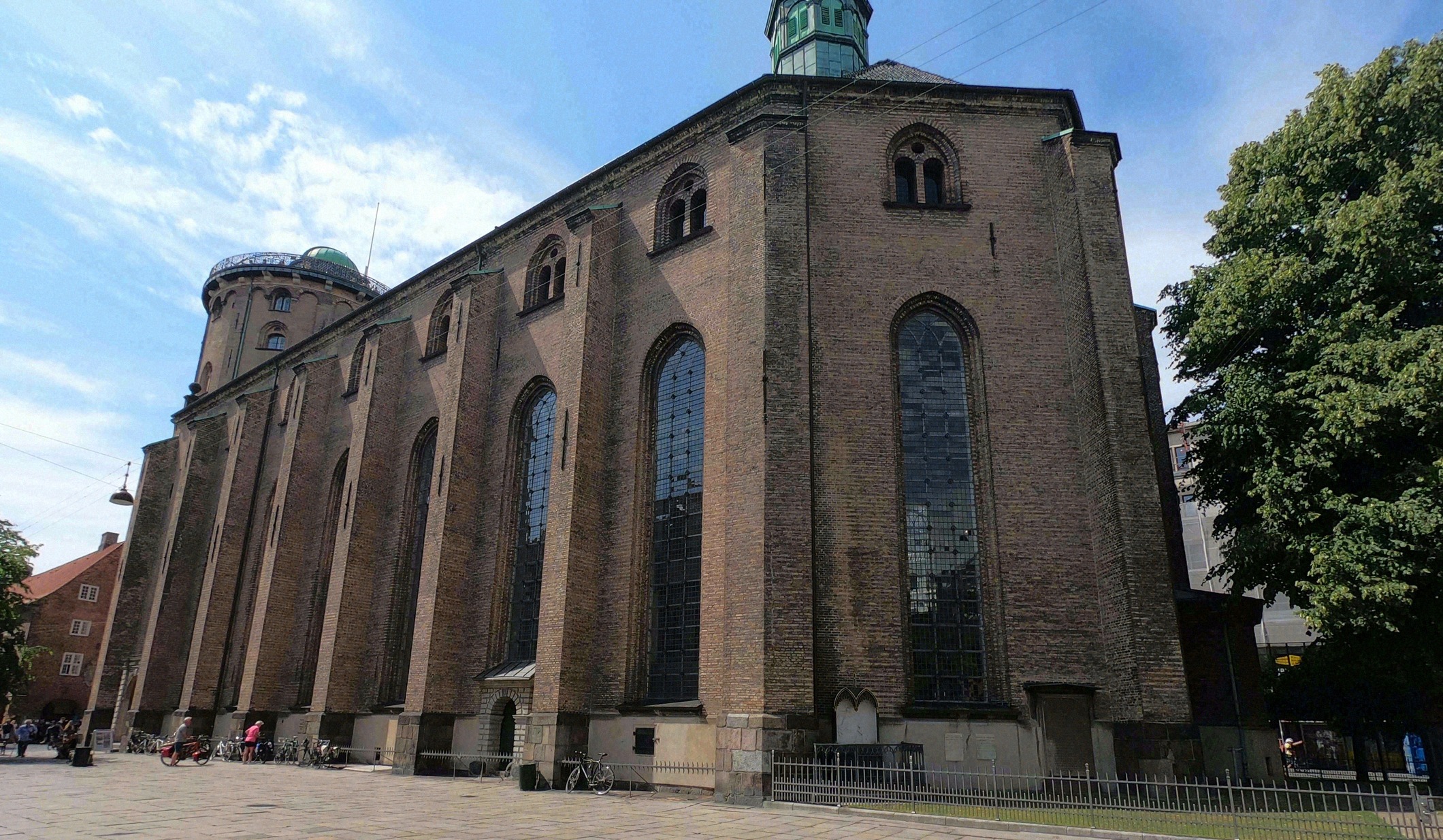
Trinitatis Kirke
University church of Christian IV in the old town, physically joined to the Round Tower. Bright interior, active music programme, free admission.
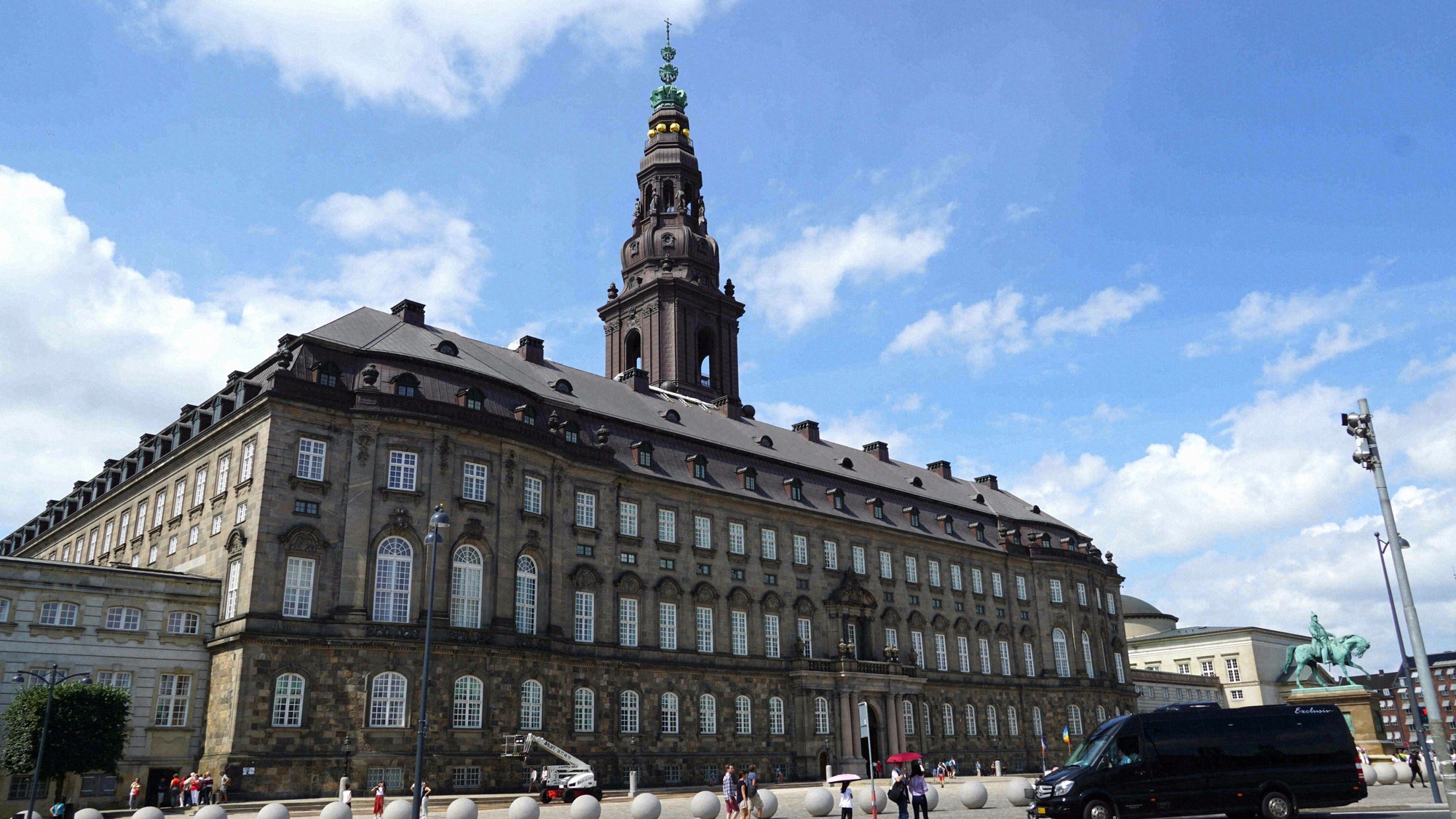
Christiansborg Palace
On Slotsholmen, Christiansborg houses Denmark's parliament, government and Supreme Court, plus royal reception rooms and the free, tallest tower in Copenhagen.