
Admission
Tivoli
Admission to the park, gardens, concerts and shows. Rides are not included.
4.5 (9,168) · GetYourGuide
From €26.75
Book TicketAmusement park, gardens & fairy lights
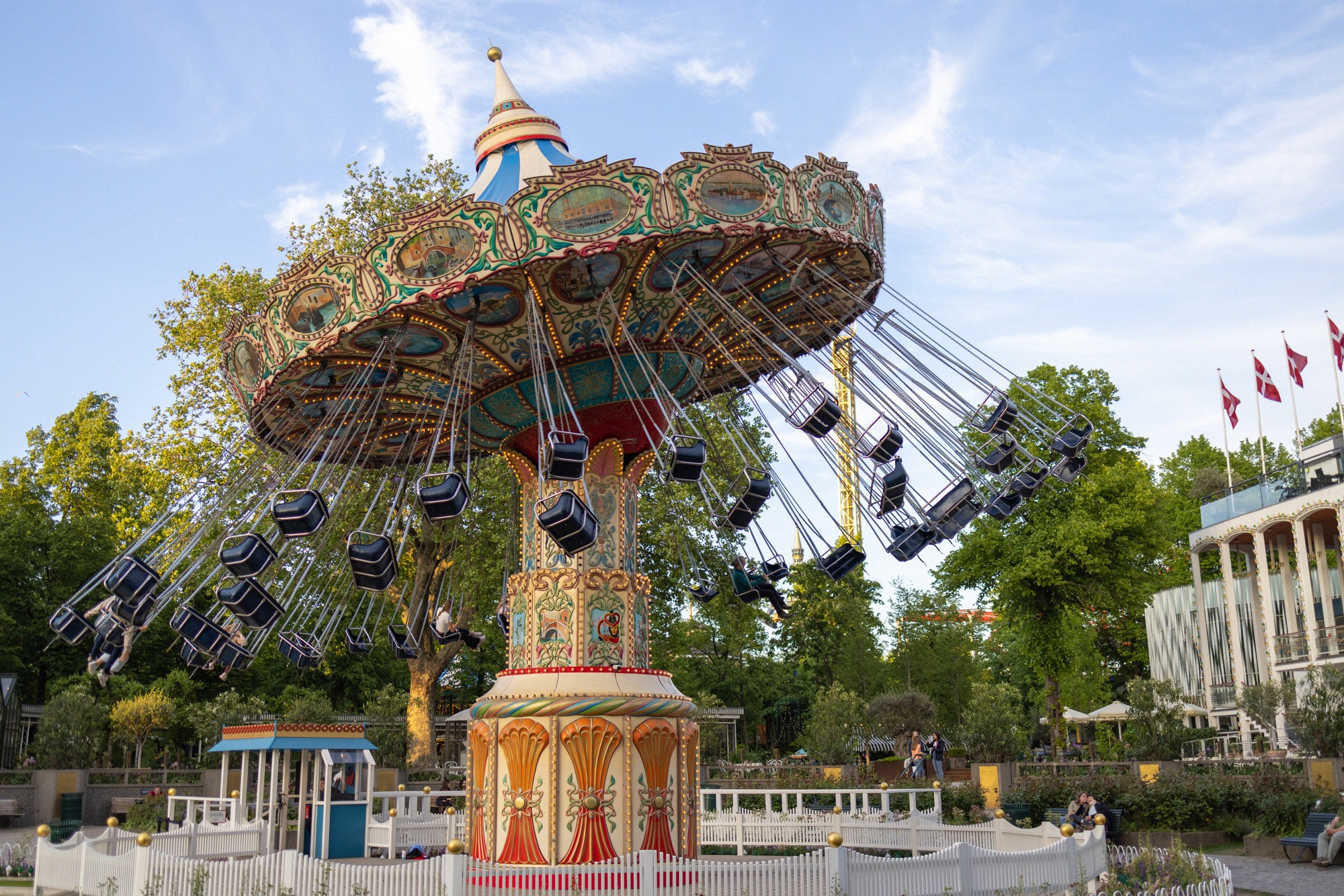
Opened in 1843 by Copenhagen Central Station, Tivoli is the world's second-oldest amusement park, with a historic wooden roller coaster, gardens, concerts and hundreds of thousands of lights.
Admission
Admission to the park, gardens, concerts and shows. Rides are not included.
4.5 (9,168) · GetYourGuide
From €26.75
Book TicketTivoli sits right in the centre of Copenhagen, next to Central Station, and opened on 15 August 1843, founded by Georg Carstensen. Only nearby Dyrehavsbakken (Bakken, 1583) is older, which makes Tivoli the world's second-oldest amusement park still in operation. According to legend, Carstensen won over King Christian VIII with the words: "When the people are amusing themselves, they do not think about politics." To this day the park is far more than a fairground: manicured gardens, a lake, an oriental-style concert hall and, after dark, hundreds of thousands of lights define its character.
The park's influence reaches well beyond Denmark. Walt Disney visited Tivoli in 1951, took notes and drew inspiration for Disneyland, the idea of a fully designed, atmospheric park rather than a simple fairground traces back in part to this Copenhagen original.
The star attraction is the wooden roller coaster Rutschebanen (also called Bjergbanen), opened on 12 June 1914. It's the oldest roller coaster still operating in Europe and the third-oldest in the world, and it still has one quirk: a brakeman rides along on every train, controlling the speed downhill by hand. Alongside it stands more modern thrills:
There are also carousels, a pantomime theatre and gentle rides for the youngest visitors. The Vertigo roller coaster is currently closed; a major new coaster is planned, though probably not before 2026. Important: rides are not included in admission, you pay per single chip or save with the Turpas multi-ride wristband.
Tivoli lives on its programme. In summer, Friday-Rock concerts take place on the open-air stage on Fridays (roughly 19:00-22:00), included with the Tivoli Pass; a regular admission ticket can be upgraded to a Tivoli Pass on the day of your visit. Under-16s may only enter the Friday-Rock area after 17:30 accompanied by an adult aged 25 or over.
The park opens only seasonally, and the seasons themselves are much of the appeal:
Between seasons, the park is closed. Tivoli is at its most atmospheric in the evening, when the lights come on and the gardens turn into a small, glowing realm.
Prices are dynamic and depend on the visit date. Admission starts at around 150 DKK, with adults usually from 200 DKK; children aged 3 to 7 pay roughly half, and under-3s go free. The Turpas multi-ride wristband costs from around 299 DKK, and admission combined with Turpas is available from around 389 DKK. Exact daily prices are listed in the official calendar at tivoli.dk and in the Tivoli app, worth checking before you go, since prices and opening hours vary from day to day.
The Copenhagen Card covers garden admission (one admission per card); rides aren't included, but a discounted Ride Pass can be added online. More on that in our guide to the Copenhagen Card.
Tivoli is at Vesterbrogade 3, right next to Copenhagen Central Station (København H, about a 3-minute walk via the Bernstorffsgade entrance). Metro line M3 stops at Rådhuspladsen, around 5 minutes away; both entrances have bicycle racks. Right next door is the Ny Carlsberg Glyptotek, a few minutes further the National Museum of Denmark and the shopping street Strøget, so Tivoli pairs well with a day in Indre By, Copenhagen's city centre. Travelling with family, take a look at our guide to Copenhagen with kids; for planning your visit, see our overview of Copenhagen's attractions.
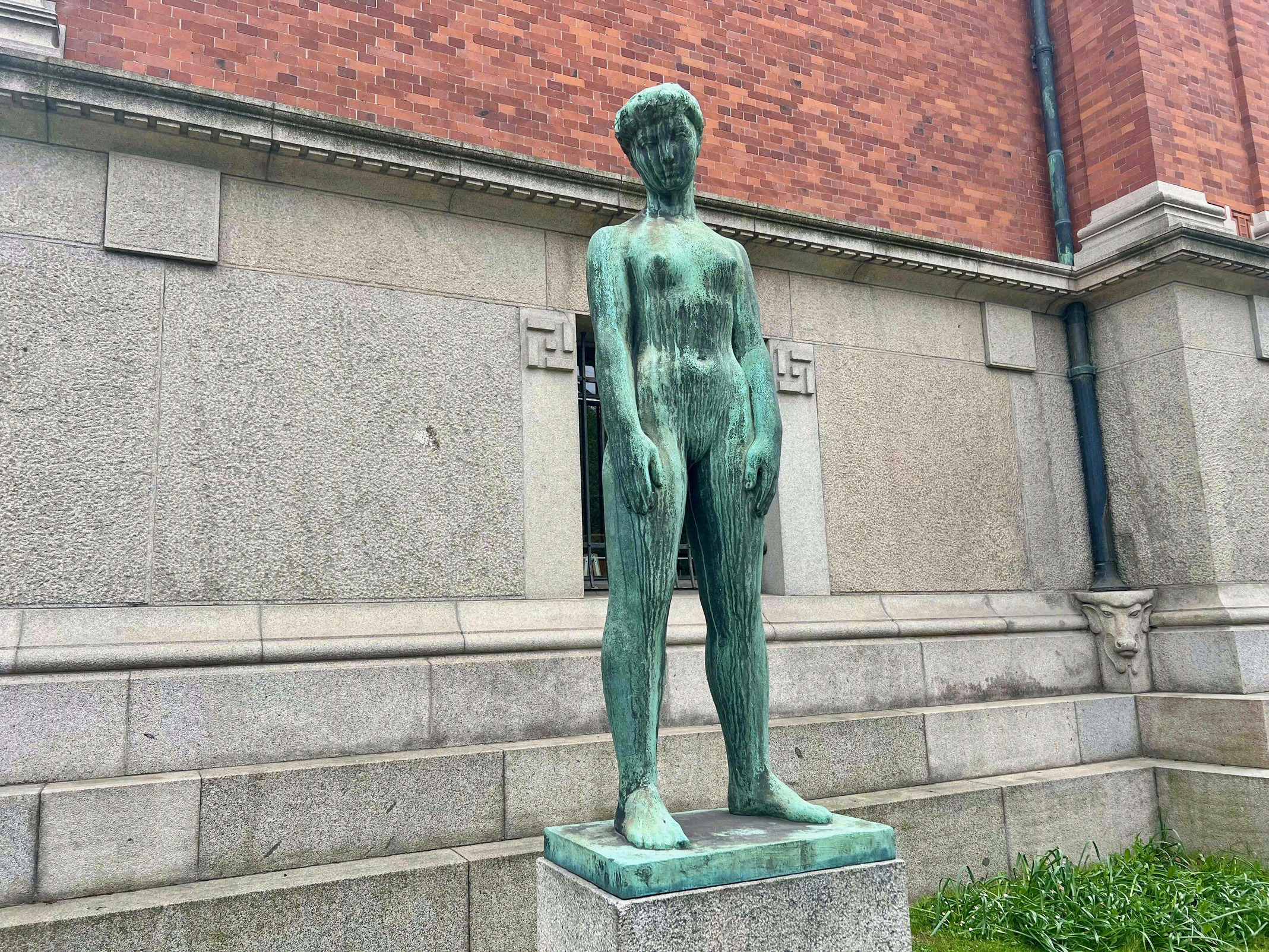
Brewer Carl Jacobsen's art museum brings together ancient sculpture, over 40 Gauguin works and one of the largest Rodin collections, around a glazed winter garden.
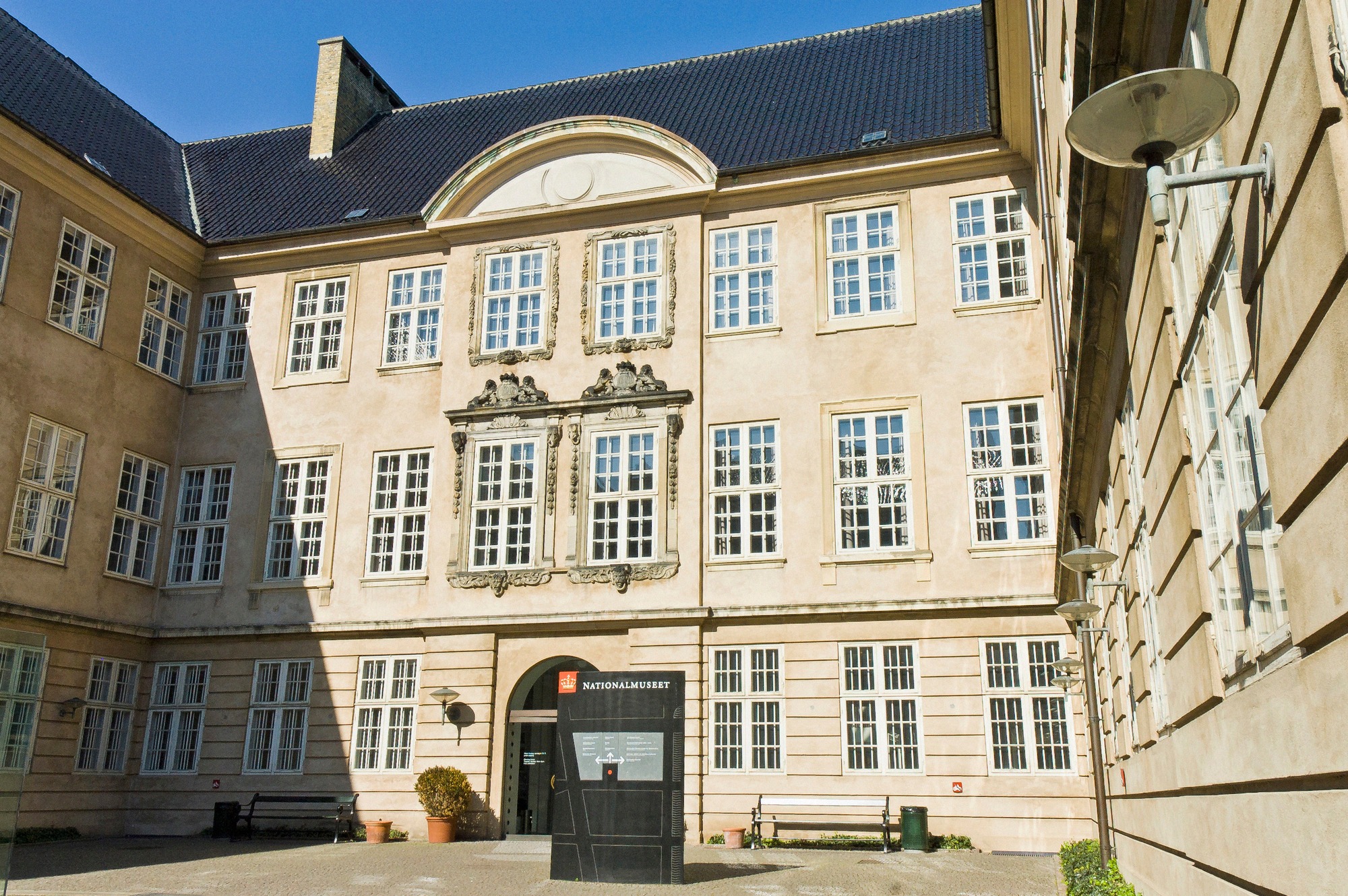
Denmark's largest museum of cultural history fills the former Prince's Palace with 14,000 years of the past, from the Trundholm Sun Chariot to Vikings and world cultures.
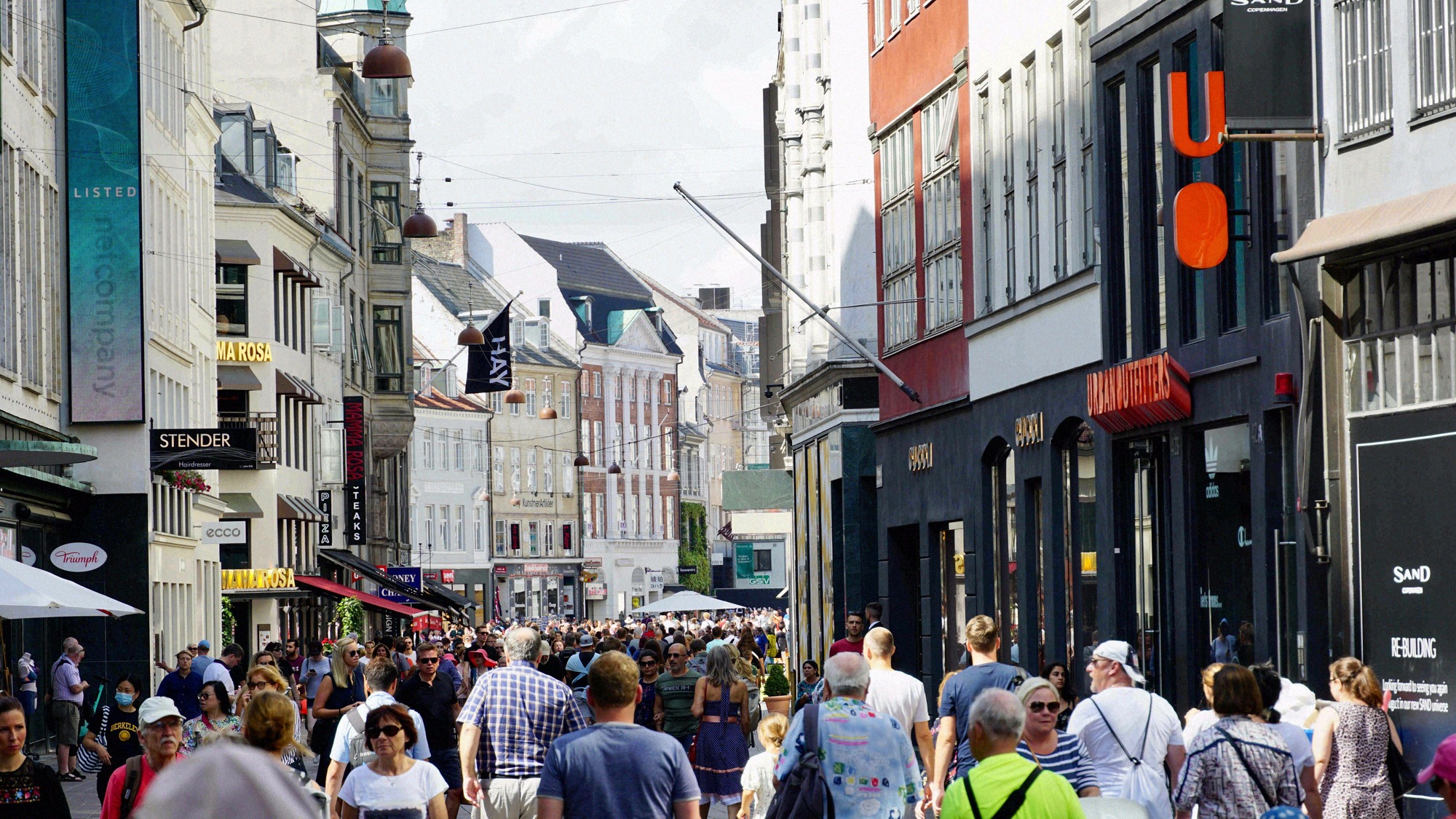
Strøget is Copenhagen's main pedestrian axis, around 1.1km of car-free shopping street running from City Hall Square to Kongens Nytorv, one of Europe's longest.
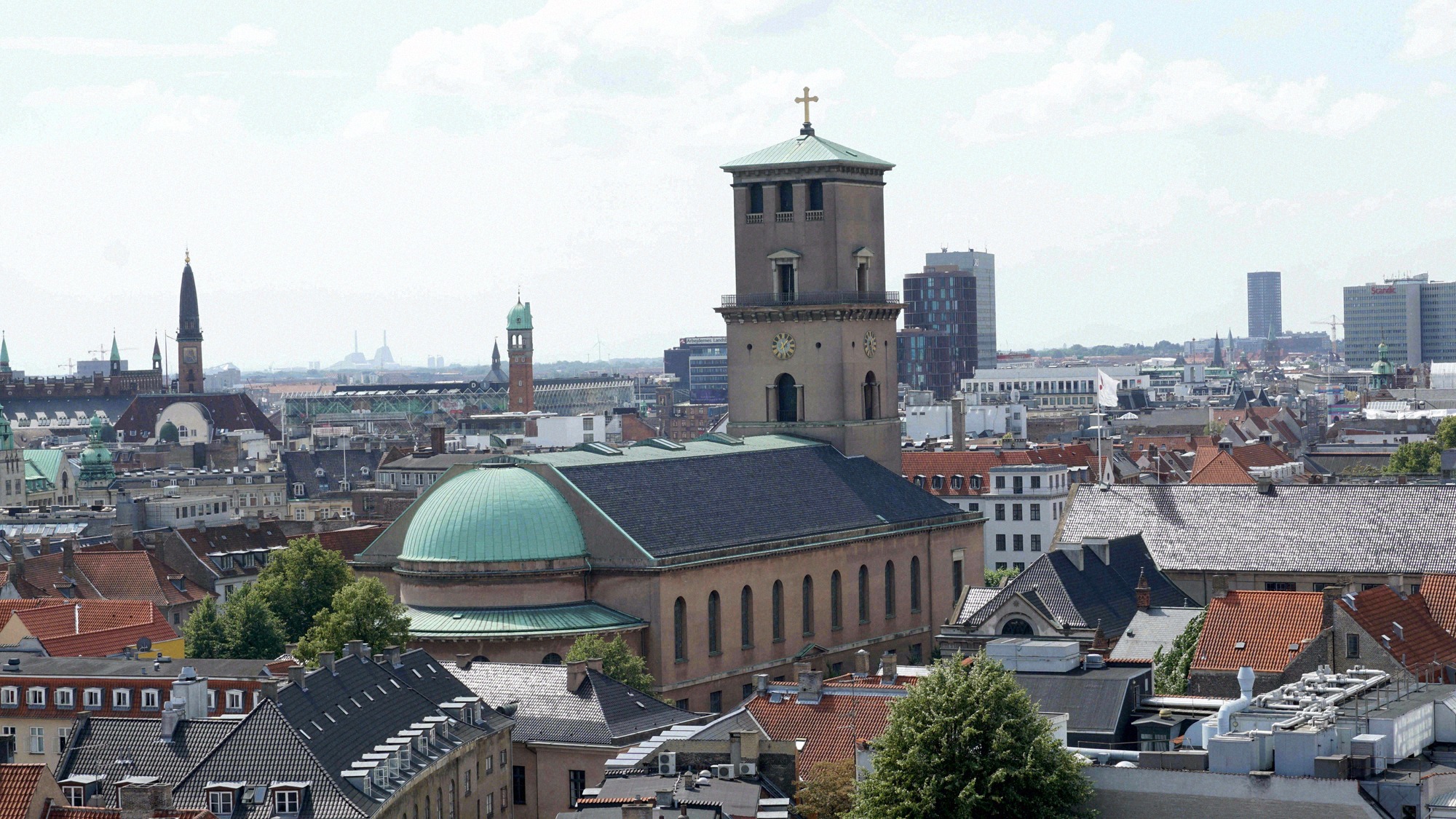
Vor Frue Kirke on Frue Plads is Copenhagen Cathedral: a neoclassical church by C. F. Hansen with Thorvaldsen's Christ figure and row of apostles. Free entry.
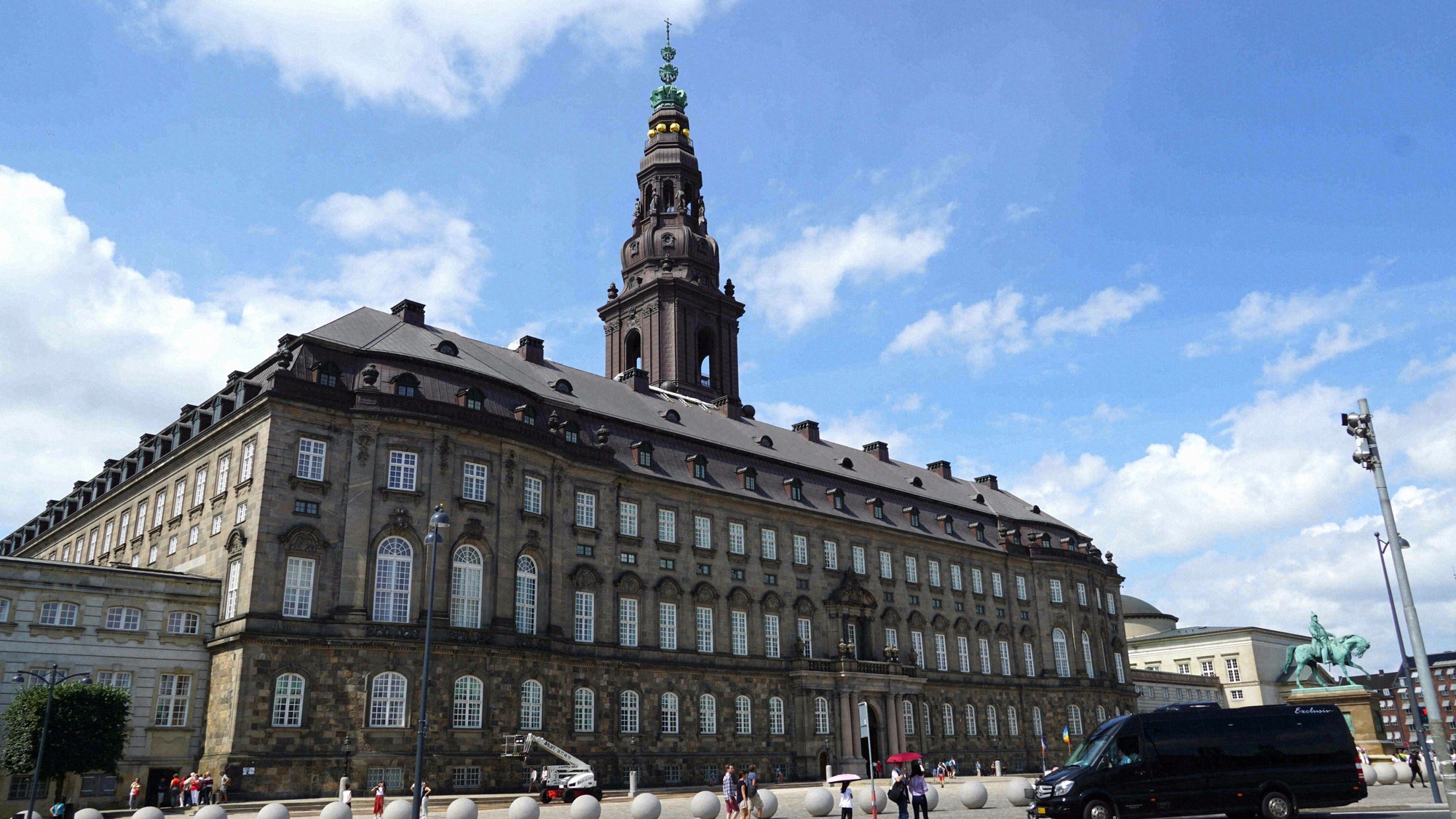
On Slotsholmen, Christiansborg houses Denmark's parliament, government and Supreme Court, plus royal reception rooms and the free, tallest tower in Copenhagen.
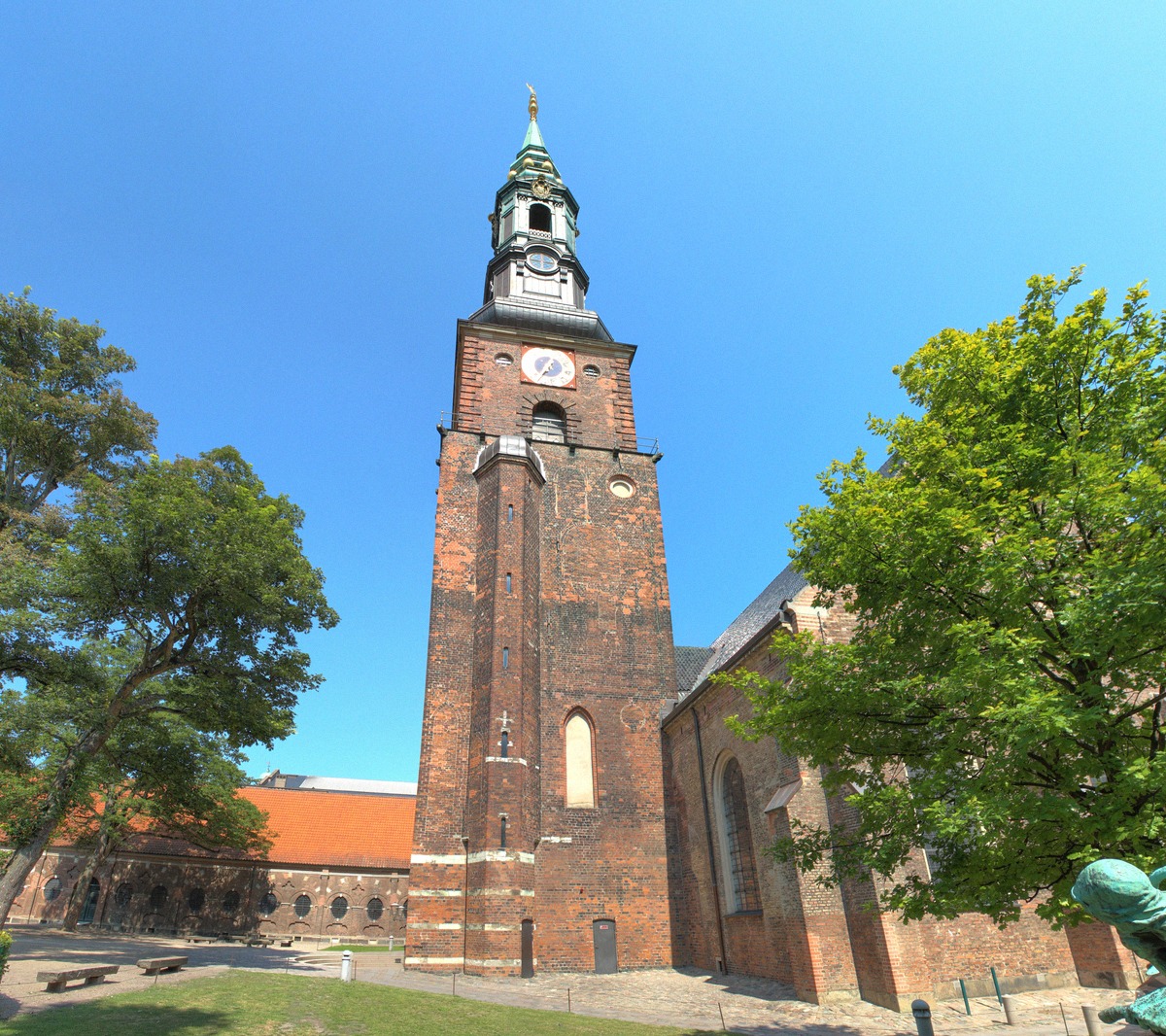
Sankt Petri Kirke is the oldest surviving church in central Copenhagen and home to the city's German congregation. Don't miss the baroque burial chapels with their herb garden.