
Ny Carlsberg Glyptotek
Antiquity and modernity under palm trees
Brewer Carl Jacobsen's art museum brings together ancient sculpture, over 40 Gauguin works and one of the largest Rodin collections, around a glazed winter garden.
Contents
Art from a brewing fortune
The Ny Carlsberg Glyptotek owes its existence to the collecting passion of Carl Jacobsen, heir to the Carlsberg brewery, who ploughed his fortune from the family business into art and opened the museum on 1 May 1897. "Glyptotek" means a collection of sculpture, and the antiquities department remains one of the most important in Northern Europe to this day. Altogether the house holds over 10,000 works of art and archaeological objects, spanning antiquity through to French modernism.
The museum sits on Dantes Plads, right next to Tivoli and just a five-minute walk from Copenhagen Central Station (København H) and the City Hall Square. It's easy to reach on foot, by bike or by public transport.
From antiquity to modernism
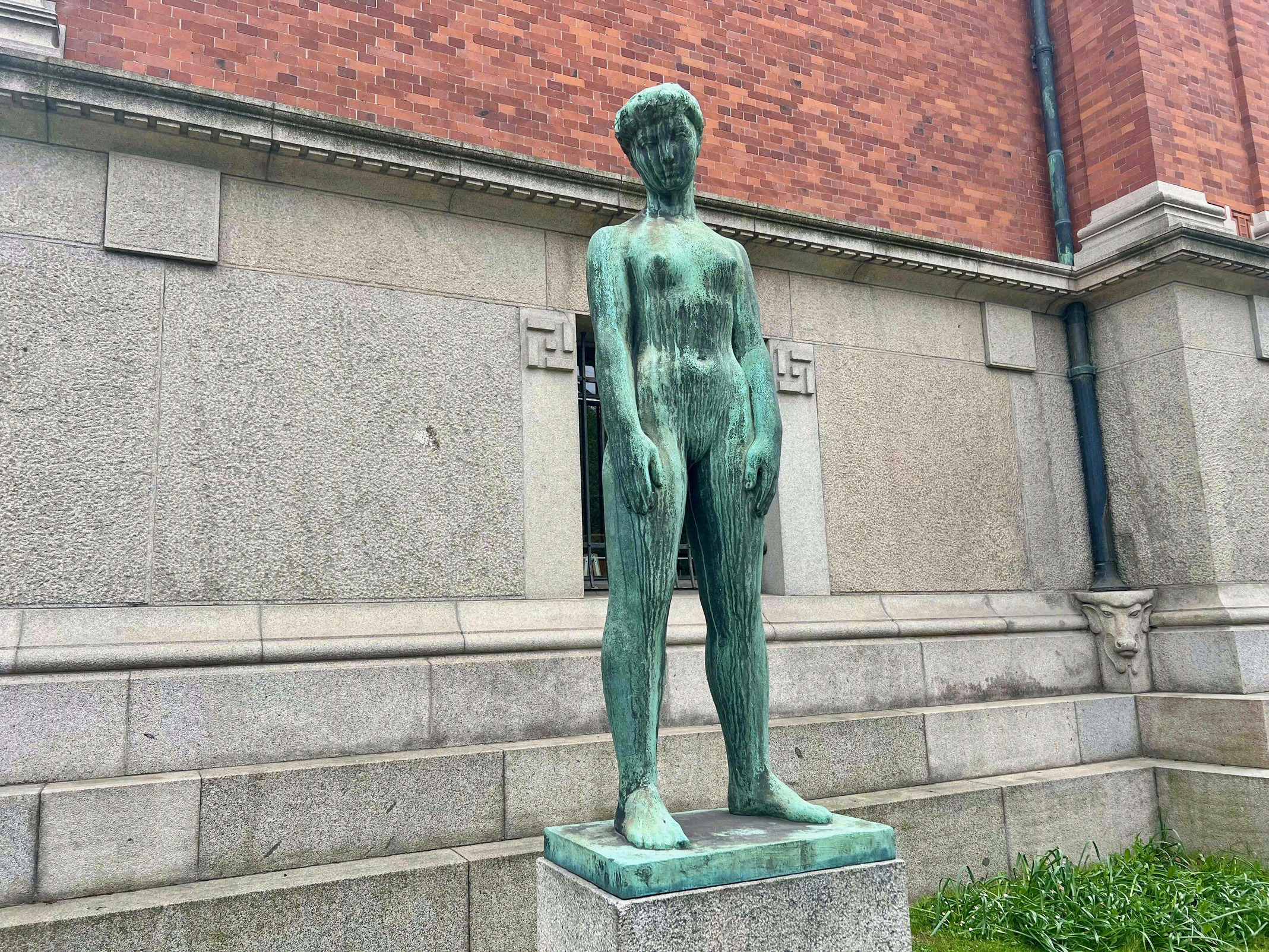
In the historic wing, Egyptian, Greek, Etruscan and Roman sculpture lines the rooms, including a large collection of Roman portrait busts. The counterpoint is 19th-century French art: with over 40 works, Paul Gauguin is the most strongly represented painter, many of them from his time in Tahiti. Alongside this sits one of the world's largest Rodin collections, including the bronze "The Shade".
A realistic estimate is 1.5 to 2.5 hours for a good overview, working through every detail of the house takes longer than that. If you're short on time, focus on the antiquities galleries, the Gauguin rooms and the winter garden.
The winter garden
The heart of the house is the winter garden under a glass dome, which links the three building wings by Vilhelm Dahlerup (1897), Hack Kampmann (1906) and Henning Larsen (1996). Palm trees, a fountain and marble sculptures create an almost Mediterranean atmosphere in the middle of Copenhagen. The attached café makes the Glyptotek one of the most pleasant museum visits in the city, a worthwhile place to pause, especially on a grey day, even if you're not particularly into art.
Admission, hours and tickets
A visit costs 150 DKK for adults at the door or 135 DKK online (a 10 percent saving); under-27s and students pay 120 DKK or 108 DKK online. Children and teenagers under 18 go free. Tickets bought online are valid once, on any opening day, for a year from the date of purchase.
- Open Tuesday, Wednesday, Friday, Saturday and Sunday 10:00-17:00, Thursday until 21:00; closed on Mondays. There are no separate seasonal hours.
- Since 1 January 2026, admission has been free on the last Wednesday of each month - this day is correspondingly busy. The earlier free Tuesday no longer applies.
- Booking ahead is not necessary to avoid queues; buying online only saves you the 10 percent.
- For a quieter visit, the Thursday evening extended opening until 21:00 is worth timing your trip around.
Accessibility and getting there
The listed historic building is only partly accessible: several exhibitions are reachable by lift, though not every floor without gaps. Because of the level changes and stairs, the museum recommends a baby carrier rather than a pram; baby-changing rooms are in the basement and at the Henning Larsen entrance.
The Glyptotek sits centrally in Indre By and pairs well with a visit to the neighbouring Tivoli or the nearby National Museum of Denmark. If you're planning a museum day, you'll find more houses in our overview of Copenhagen's attractions.
Frequently asked questions
What can you see at the Glyptotek? +
How much does admission to the Glyptotek cost? +
What are the Glyptotek's opening hours? +
Is the Glyptotek accessible? +
Nearby
Tivoli
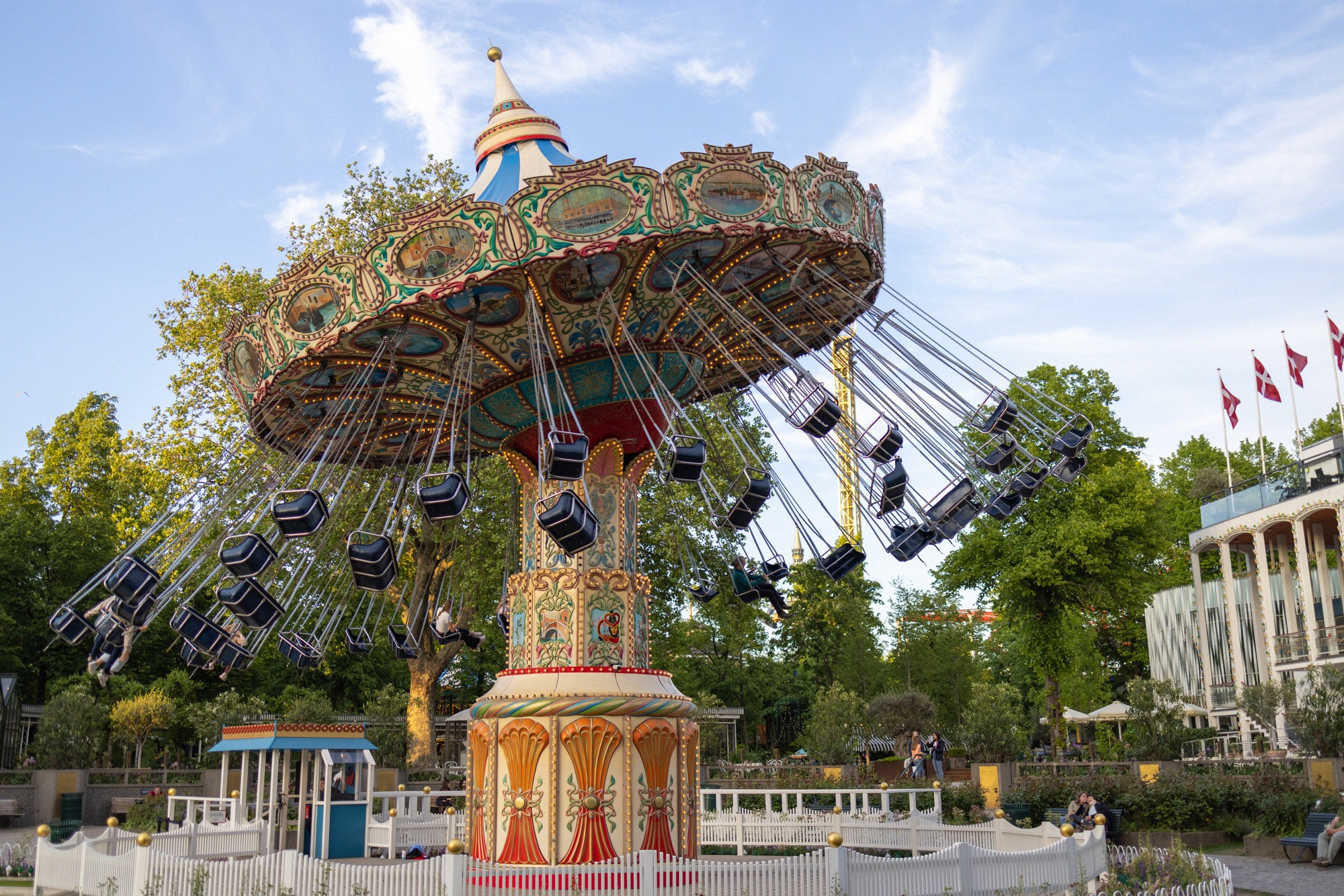
Opened in 1843 by Copenhagen Central Station, Tivoli is the world's second-oldest amusement park, with a historic wooden roller coaster, gardens, concerts and hundreds of thousands of lights.
National Museum of Denmark
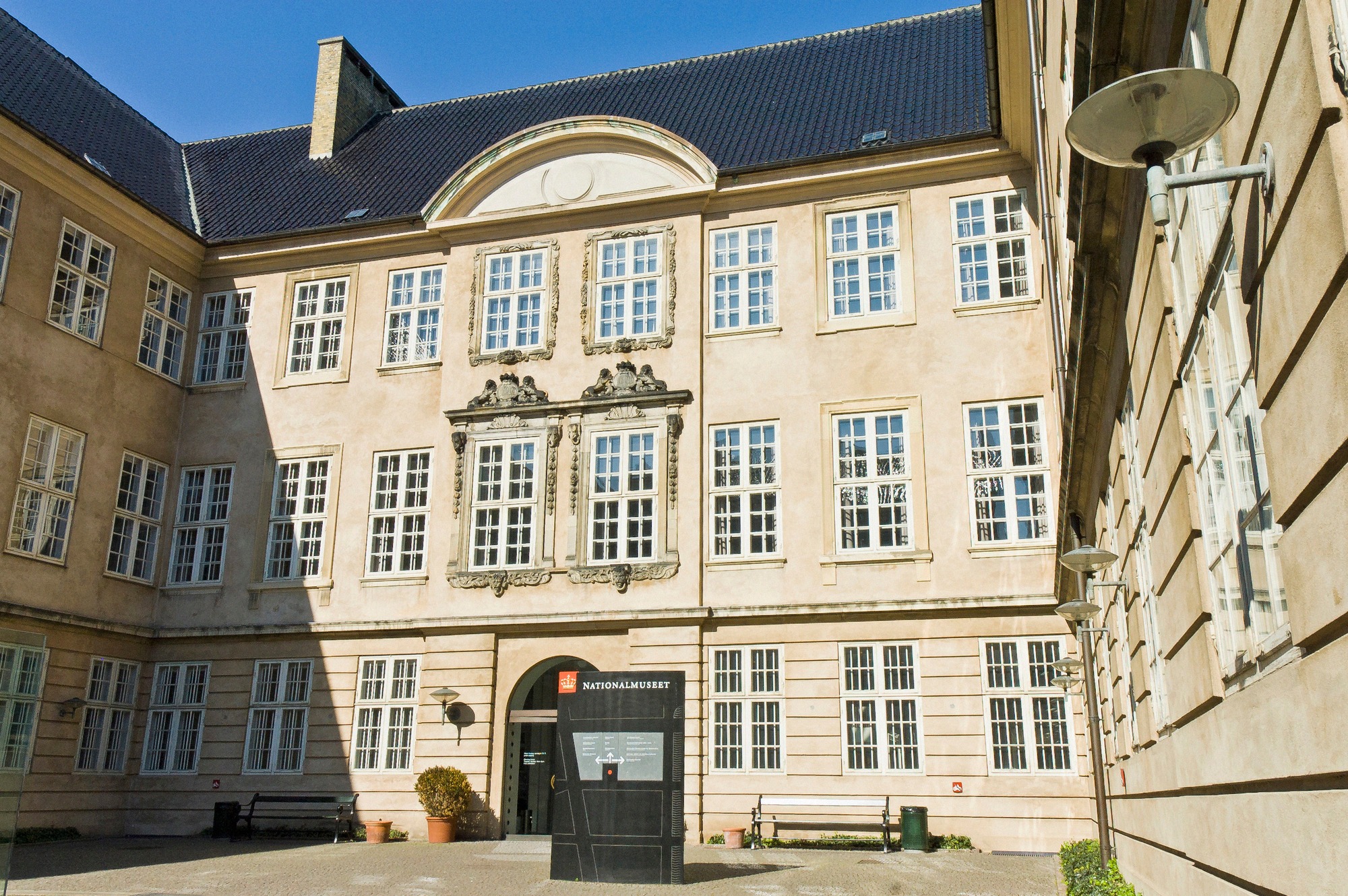
Denmark's largest museum of cultural history fills the former Prince's Palace with 14,000 years of the past, from the Trundholm Sun Chariot to Vikings and world cultures.
Christiansborg Palace
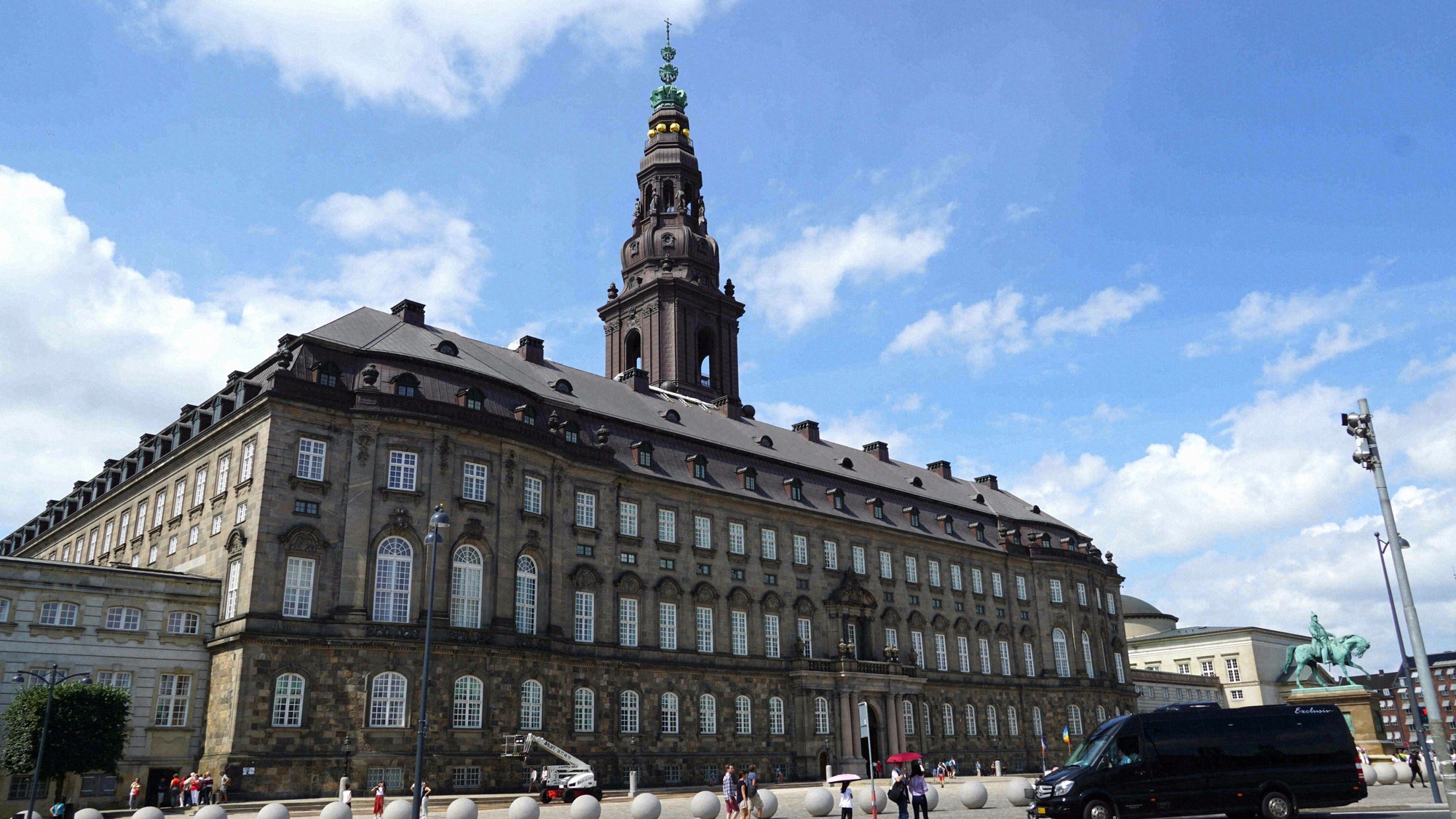
On Slotsholmen, Christiansborg houses Denmark's parliament, government and Supreme Court, plus royal reception rooms and the free, tallest tower in Copenhagen.
Royal Library
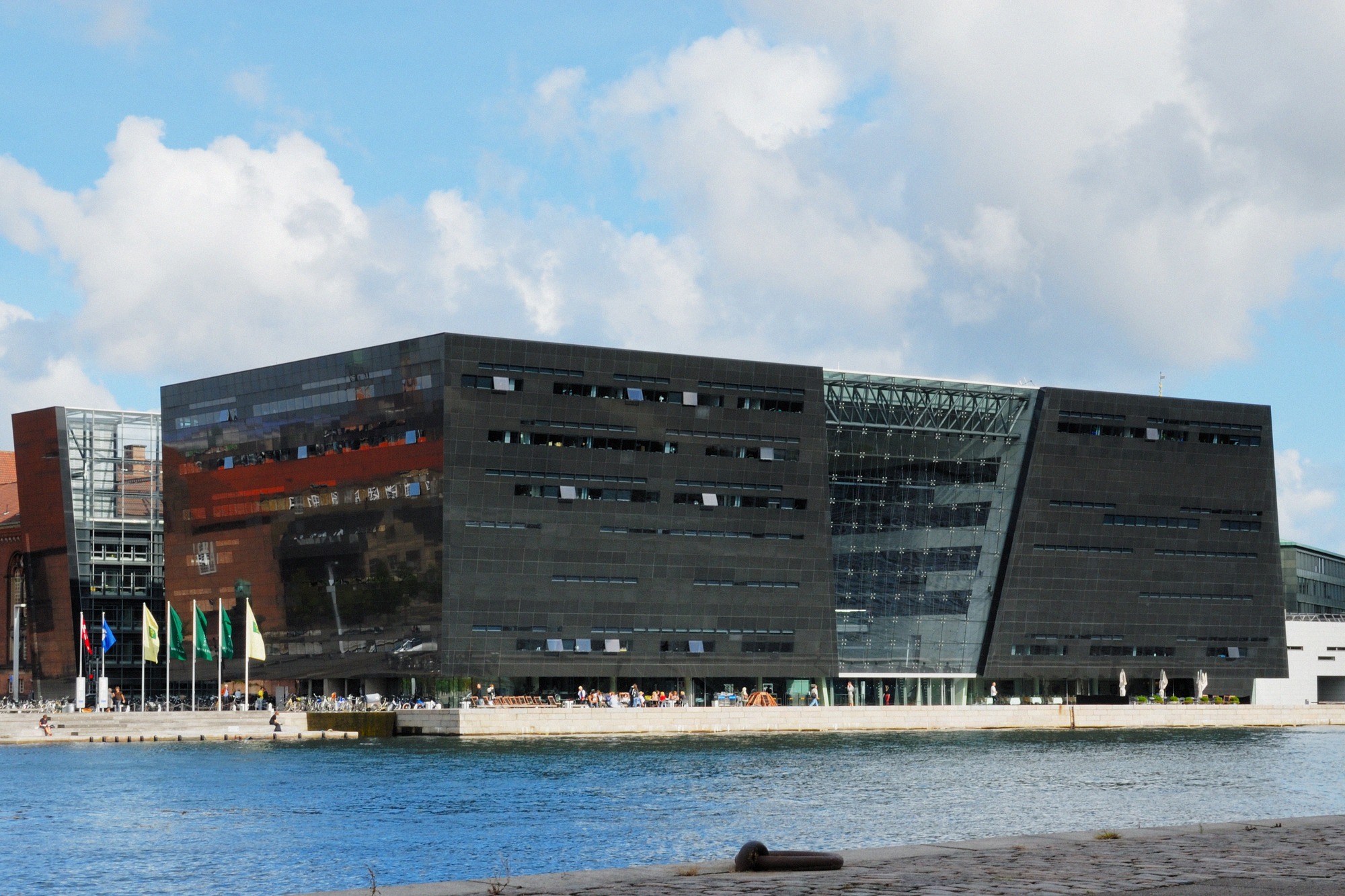
Det Kongelige Bibliotek on Slotsholmen: Denmark's National Library with the Black Diamond from 1999, free exhibitions and a harbourside café.
Strøget
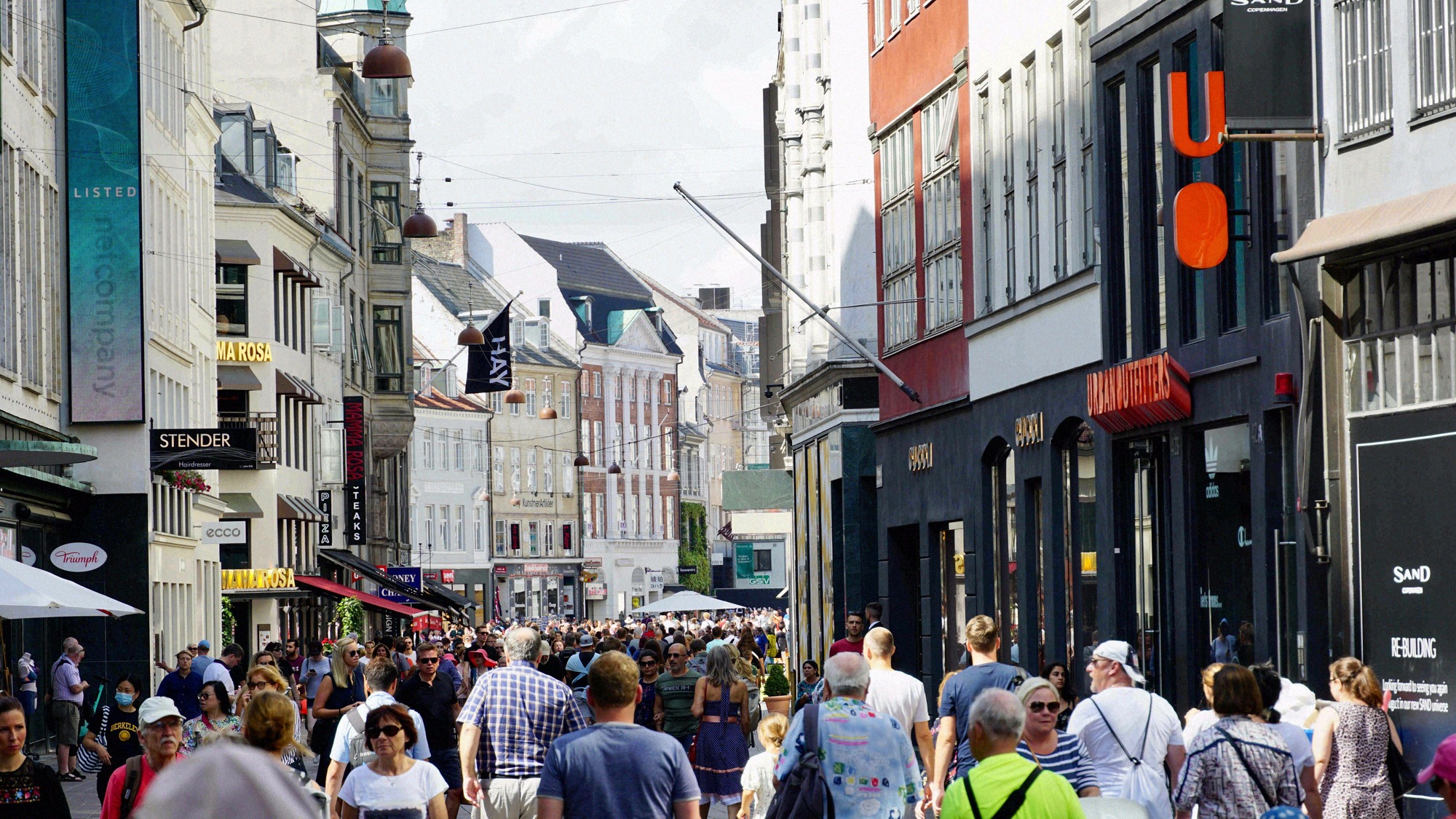
Strøget is Copenhagen's main pedestrian axis, around 1.1km of car-free shopping street running from City Hall Square to Kongens Nytorv, one of Europe's longest.
Copenhagen Cathedral (Vor Frue Kirke)
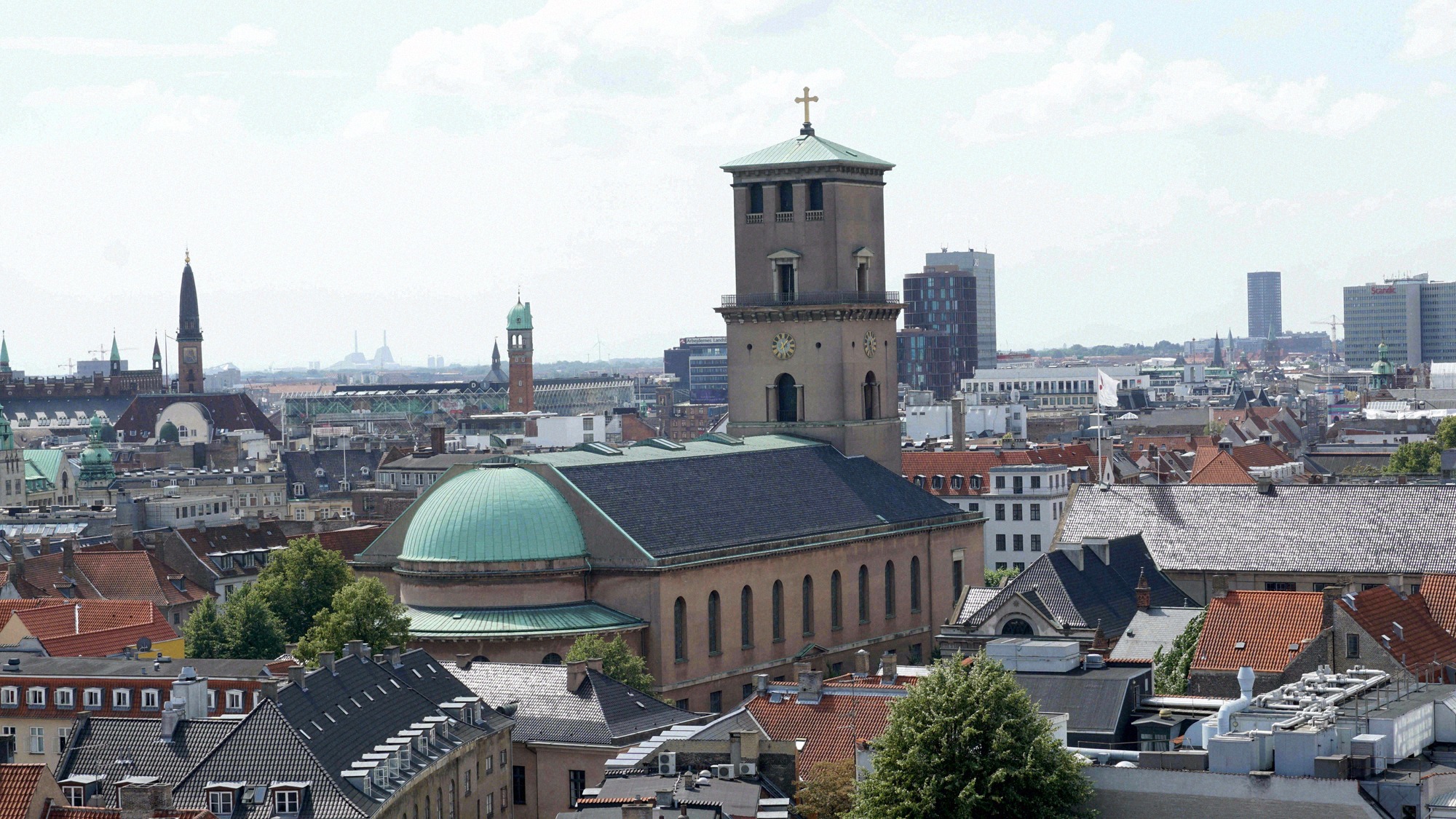
Vor Frue Kirke on Frue Plads is Copenhagen Cathedral: a neoclassical church by C. F. Hansen with Thorvaldsen's Christ figure and row of apostles. Free entry.