
Admission
Christiansborg Palace
Admission to Christiansborg Palace, including the Throne Room and the Royal Stables.
4.6 (1,042) · GetYourGuide
From €30.10
Book TicketSeat of government & royal reception rooms
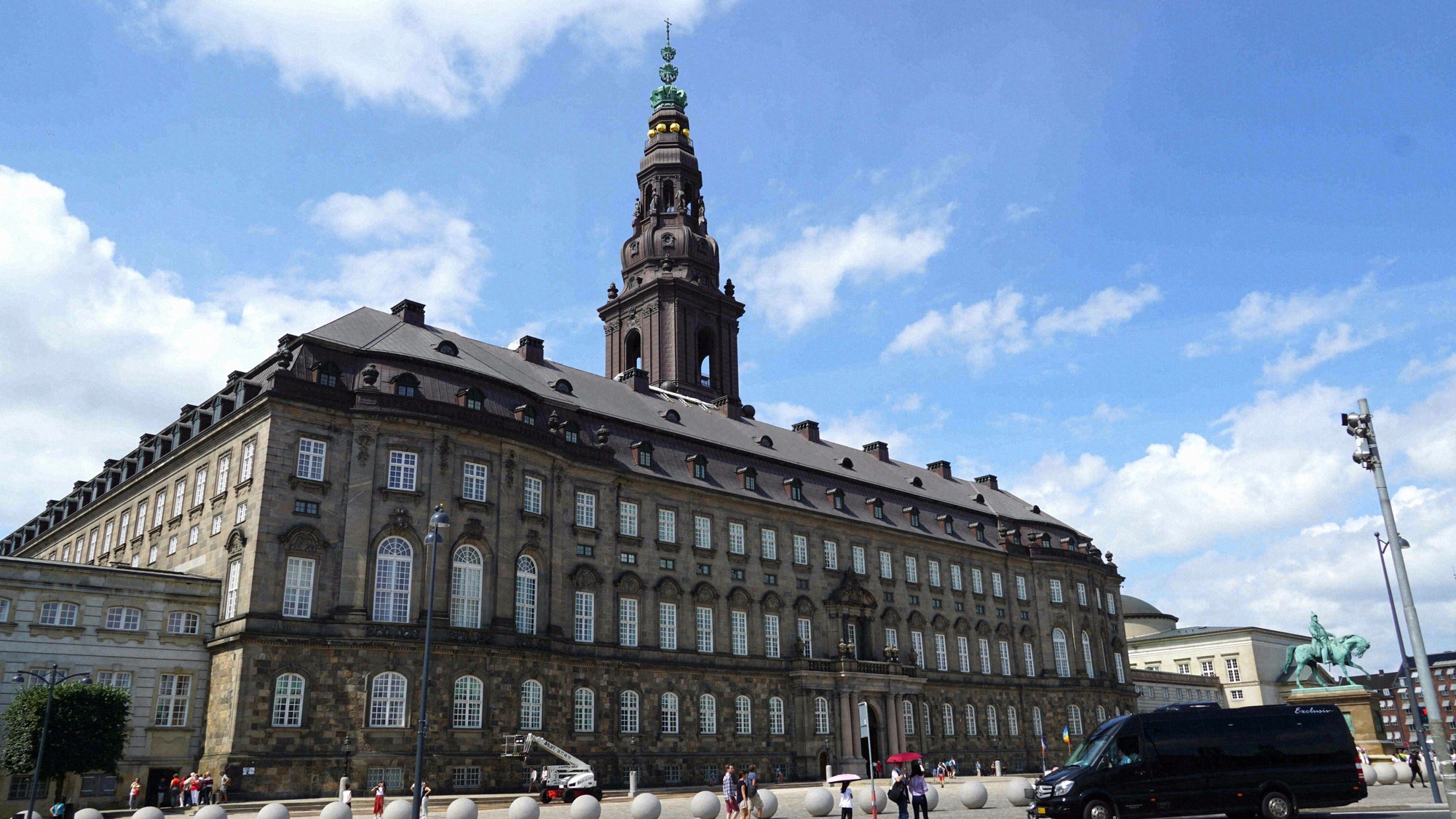
On Slotsholmen, Christiansborg houses Denmark's parliament, government and Supreme Court, plus royal reception rooms and the free, tallest tower in Copenhagen.
Admission
Admission to Christiansborg Palace, including the Throne Room and the Royal Stables.
4.6 (1,042) · GetYourGuide
From €30.10
Book TicketChristiansborg stands on the small island of Slotsholmen, Copenhagen's historic seat of power, where Bishop Absalon built his castle back in 1167. The current palace, the third on this site after two devastating fires, houses the Folketing parliament, the Prime Minister's office and the Supreme Court. That makes it one of the very few buildings anywhere in the world to combine all three branches of government under one roof.
The royal family still uses Christiansborg for receptions and state banquets today. Touring the interior means walking through an active government and ceremonial building, not a museum in the usual sense. One consequence: individual areas can close at short notice for official royal or state events, without warning. It's worth checking the official website before you go.
Christiansborg isn't a single ticket to tick off, it's made up of several separate areas:
One highlight is free: the 106-metre Palace Tower (Tårnet) belongs to the Folketing, is Copenhagen's tallest tower, and is easily reached by lift. From the top you look out over the old town and the canals, and on a clear day as far as Sweden, one of the city's best views, with no admission fee at all. The Folketing also runs free guided tours of the parliament that can be booked online in advance (around 45 minutes).
A combined ticket costing 215 DKK covers the reception rooms, ruins, stables and kitchen for adults (as of 2026). Under-18s go free, but each area still needs its own, free, ticket. Booking online saves 10 DKK per ticket, and the combined ticket stays valid for a year from issue, redeemable once per area. The palace administration recommends booking online in advance to avoid queues. The tower, on the other hand, is free to enter with no ticket needed at all.
The official site only lists high-season hours; for the winter months (2 November to 29 March) it's best to check times directly before you go. Closed on 24, 25 December and 1 January, with shorter hours on 31 December.
Christiansborg sits centrally on Slotsholmen in Indre By, Copenhagen's inner city, just a few minutes' walk from Central Station and Strøget. That makes the palace a natural starting point for exploring the historic centre on foot.
Right next door is the National Museum of Denmark, which pairs well with a palace visit, along with the Ny Carlsberg Glyptotek. If you want to go deeper into royal Copenhagen, combine Christiansborg with the royal residence Amalienborg and Rosenborg Castle with the crown jewels. For a second view over the city, head to the twisting spire of the Church of Our Saviour in Christianshavn.
When planning your trip, it's worth checking the overview of Copenhagen's attractions as well as the guide to the Copenhagen Card, which bundles admission to many of these sights.
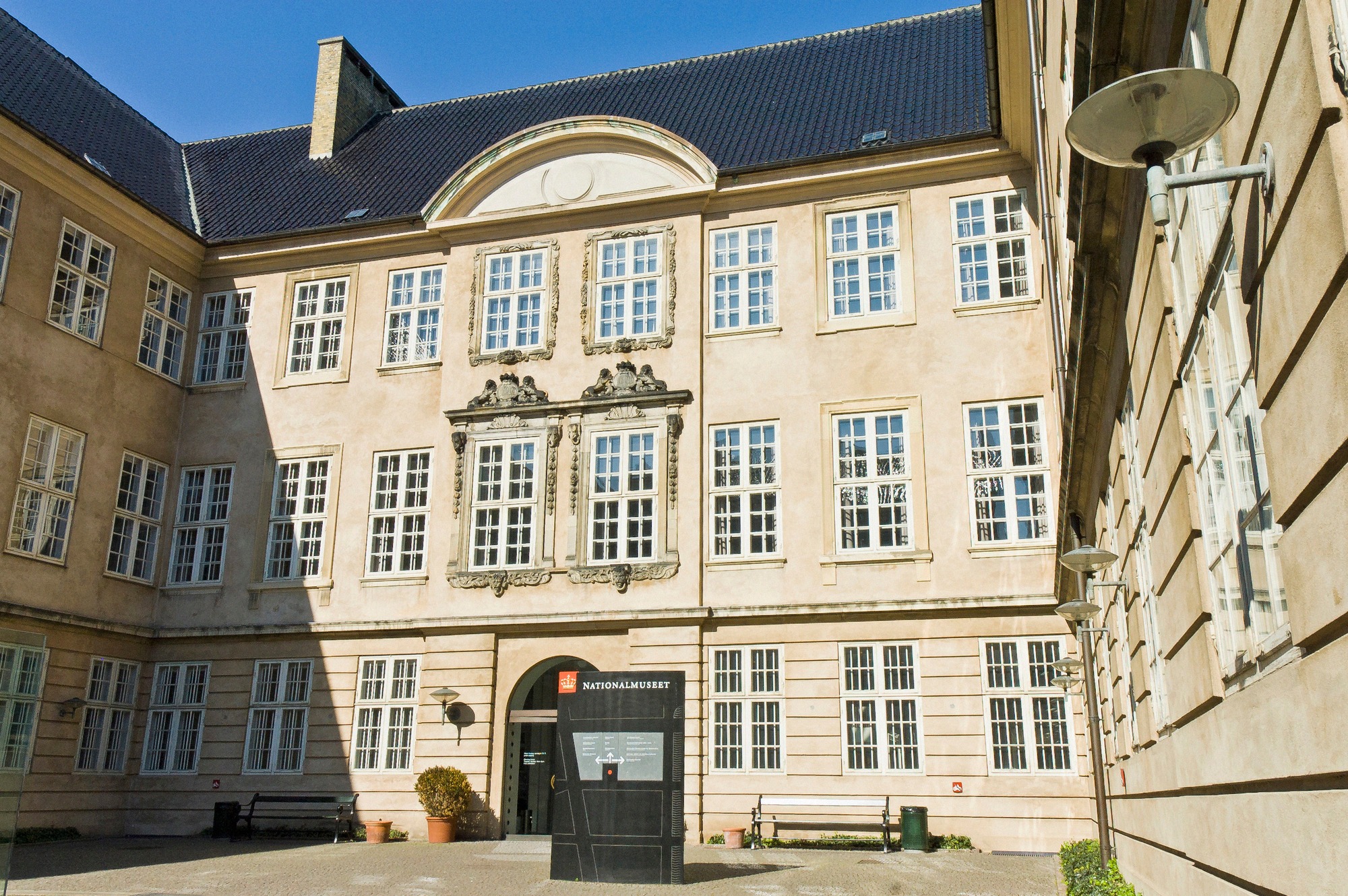
Denmark's largest museum of cultural history fills the former Prince's Palace with 14,000 years of the past, from the Trundholm Sun Chariot to Vikings and world cultures.
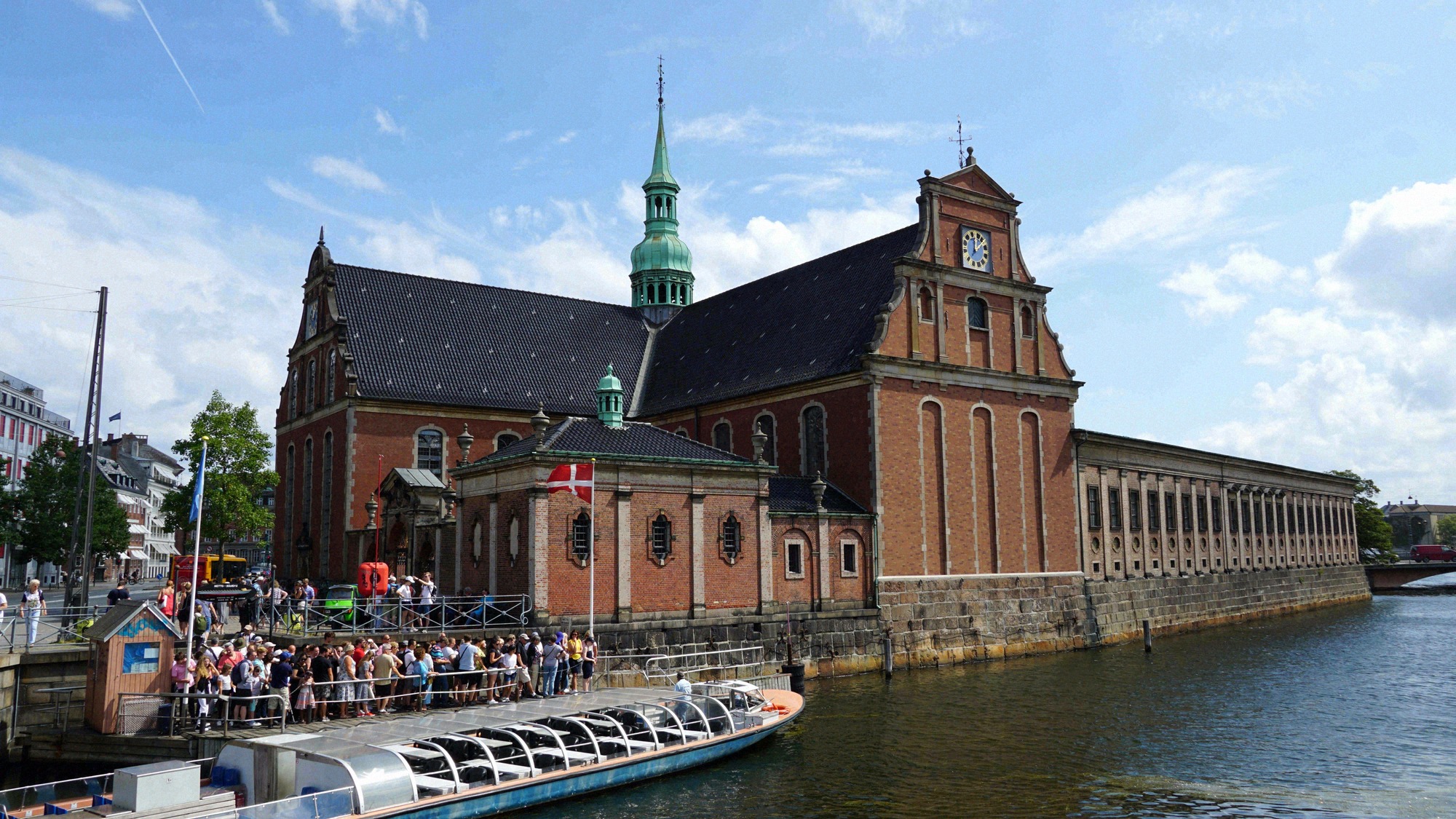
Baroque naval and royal church opposite Christiansborg, where Queen Margrethe II married in 1967. 1661 altar, tombs of naval heroes, free admission.
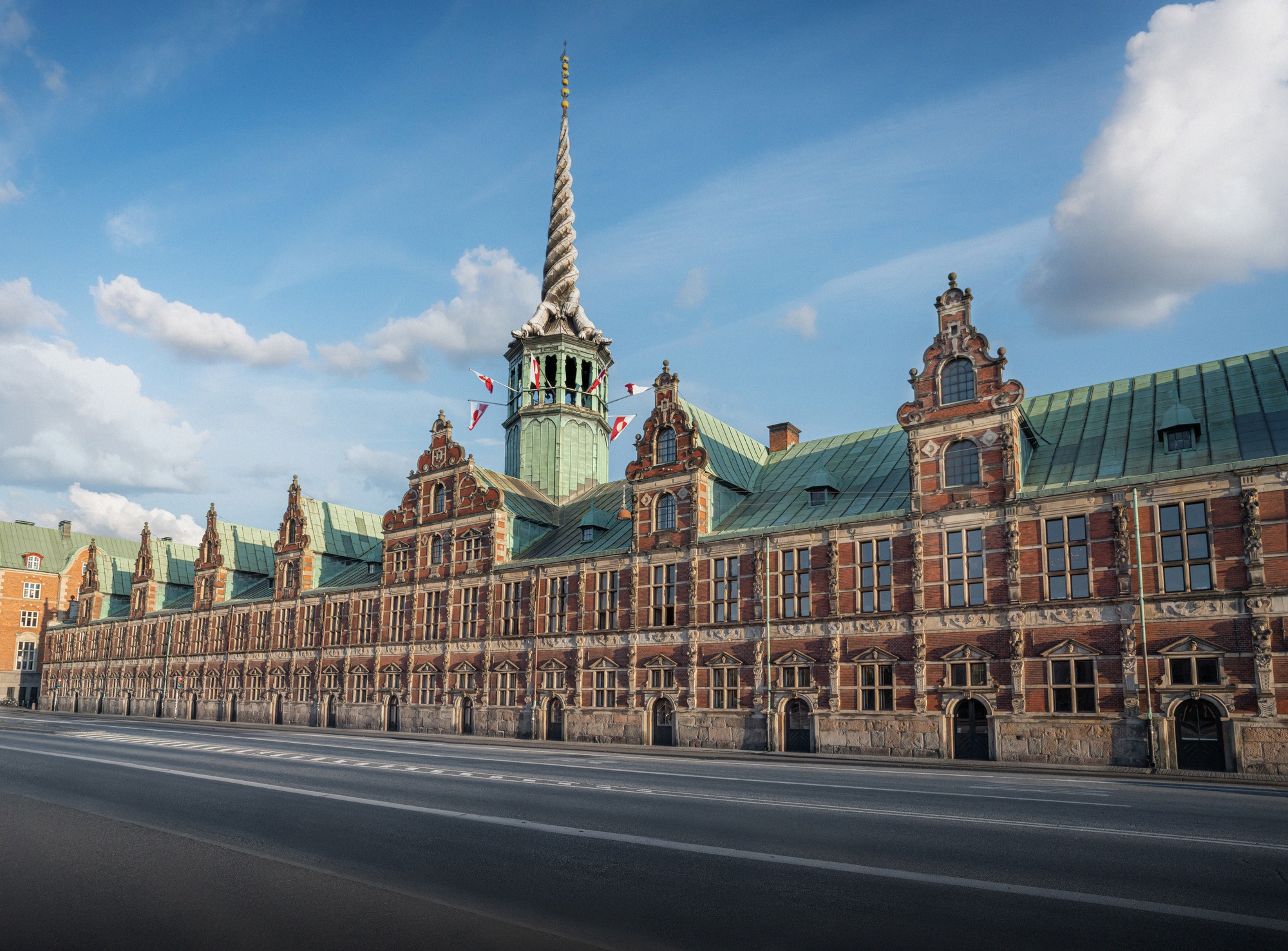
Børsen, Copenhagen's old stock exchange on Slotsholmen, is famed for its dragon-tail spire, lost in a 2024 fire. Now a rebuild site with a free visitor centre.
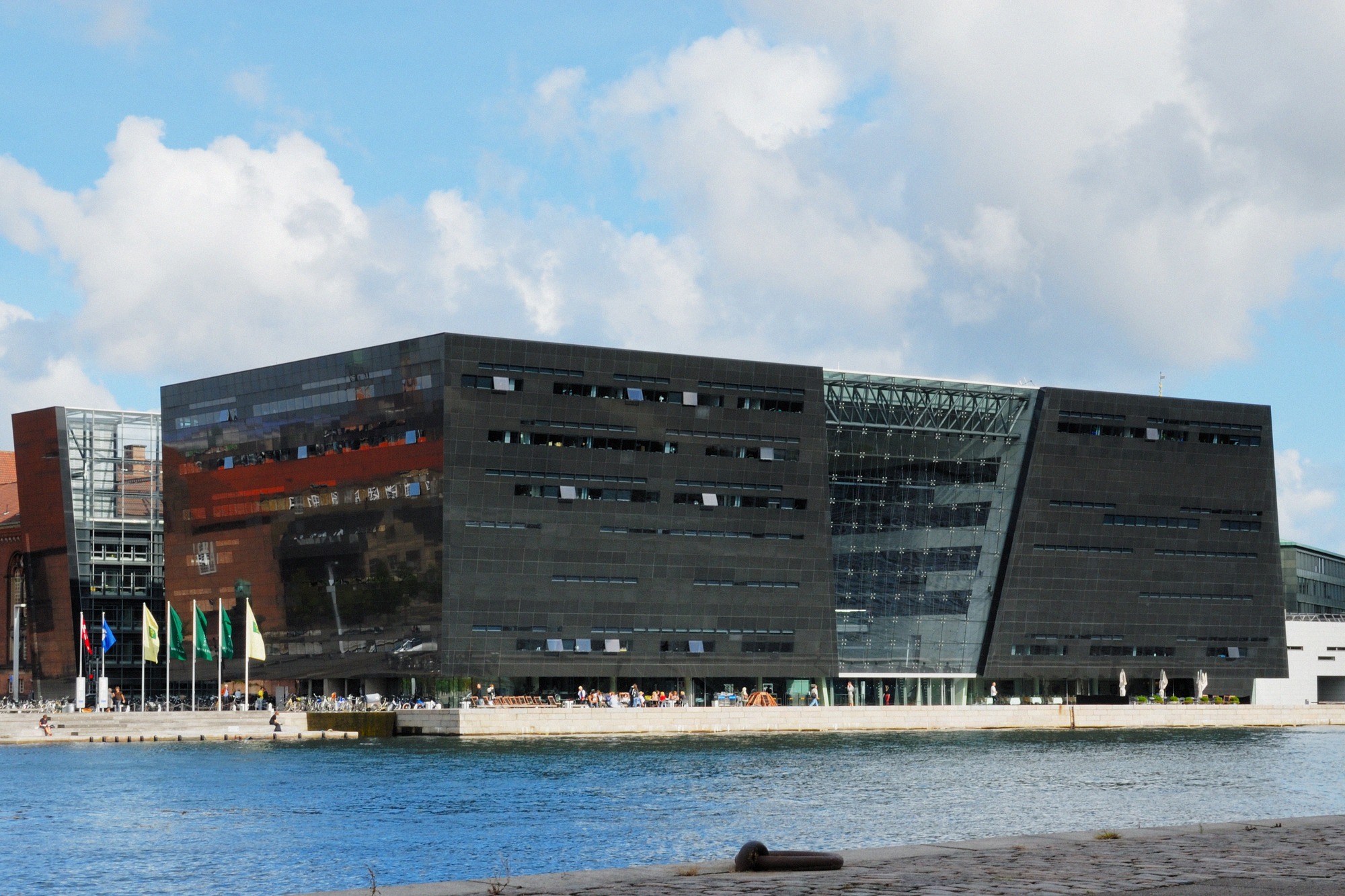
Det Kongelige Bibliotek on Slotsholmen: Denmark's National Library with the Black Diamond from 1999, free exhibitions and a harbourside café.
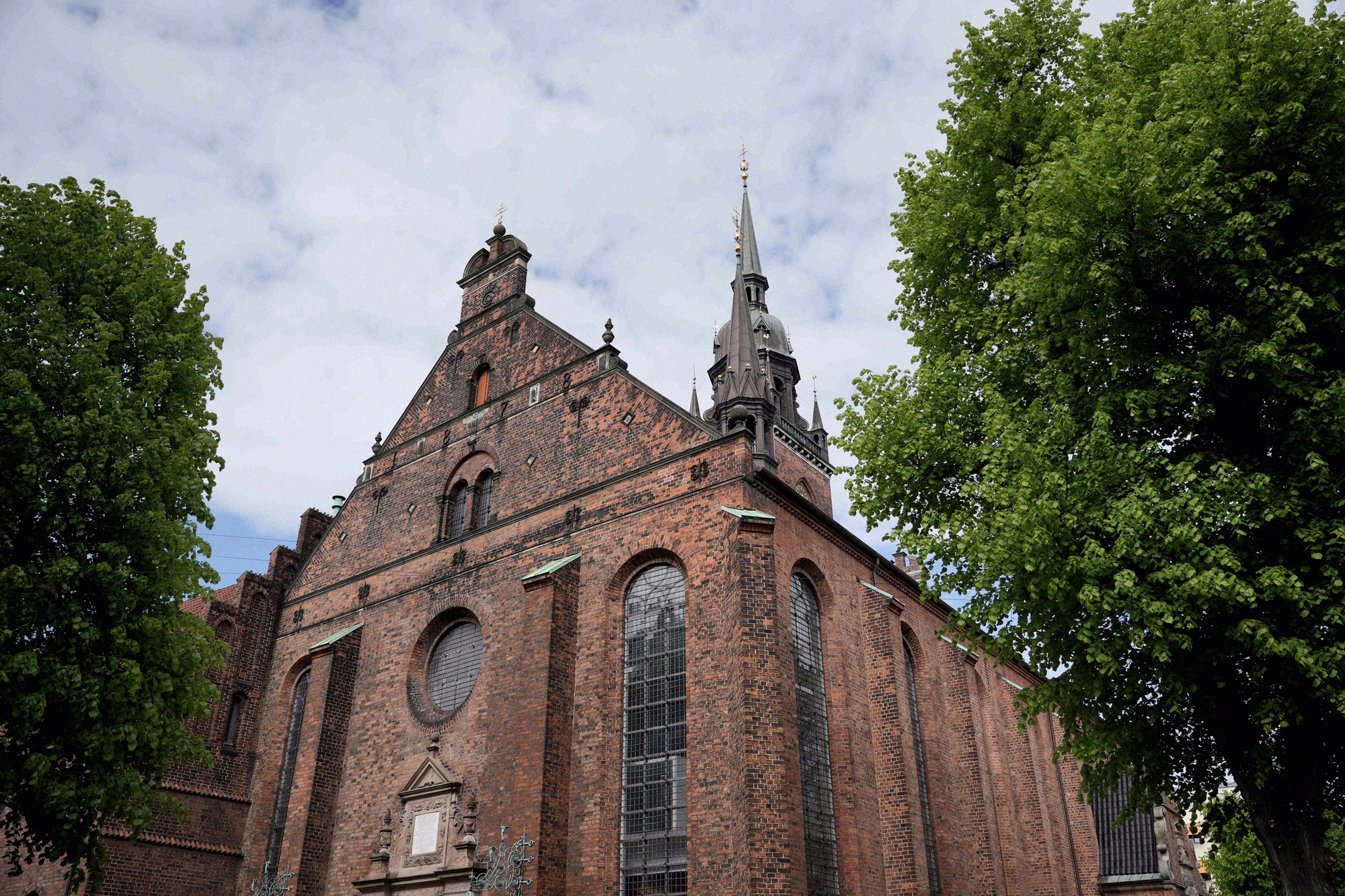
Medieval Church of the Holy Spirit right on Strøget by Amagertorv. Reopened in March 2026 after a two-year renovation, with a Greenlandic congregation.
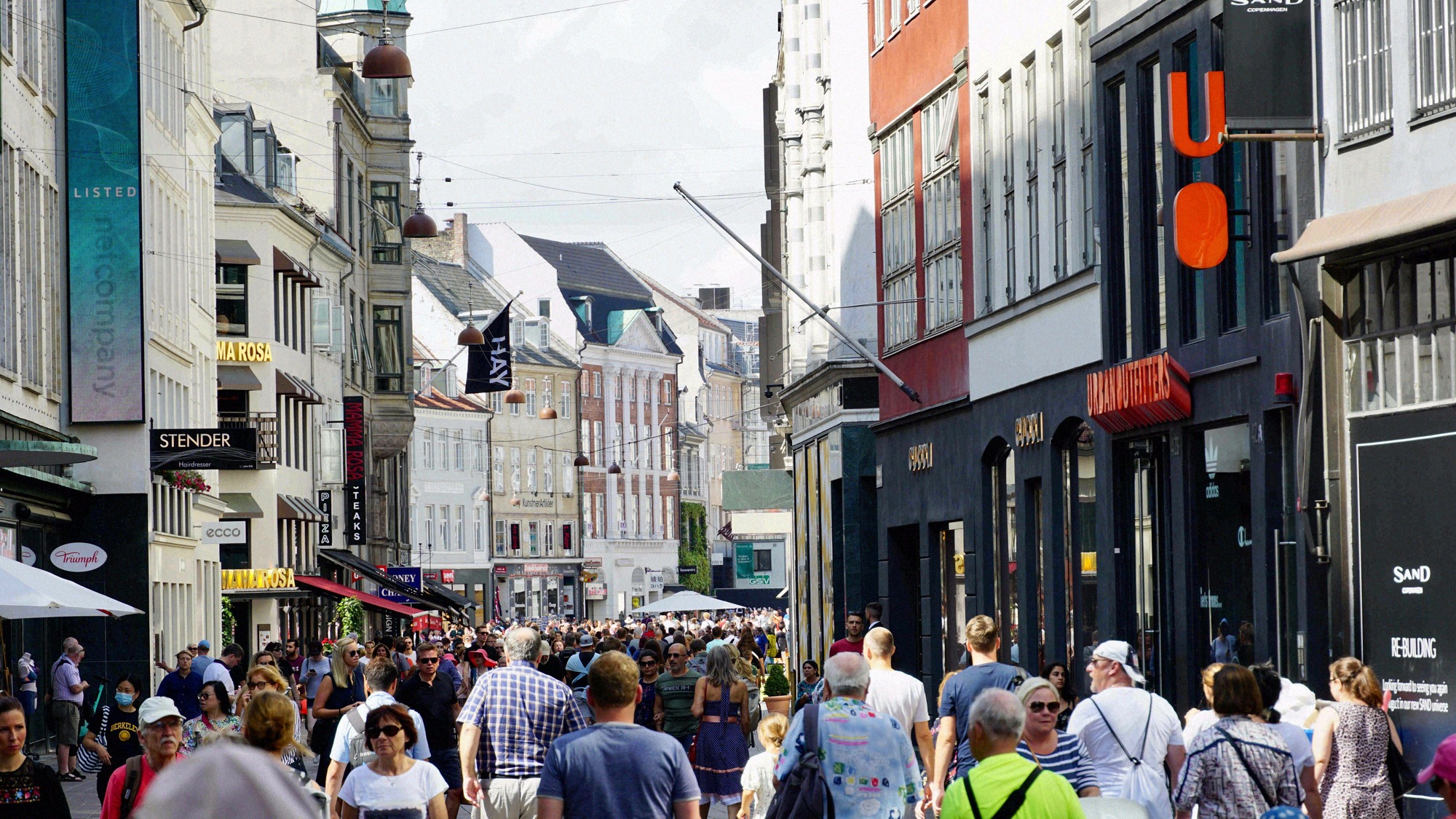
Strøget is Copenhagen's main pedestrian axis, around 1.1km of car-free shopping street running from City Hall Square to Kongens Nytorv, one of Europe's longest.