
Cisternerne
Art in an underground water reservoir
In a former drinking-water reservoir beneath Søndermarken, Cisternerne stages site-specific art, a dark, damp space with stalactites and remarkable acoustics.
Contents
Art in an underground water reservoir
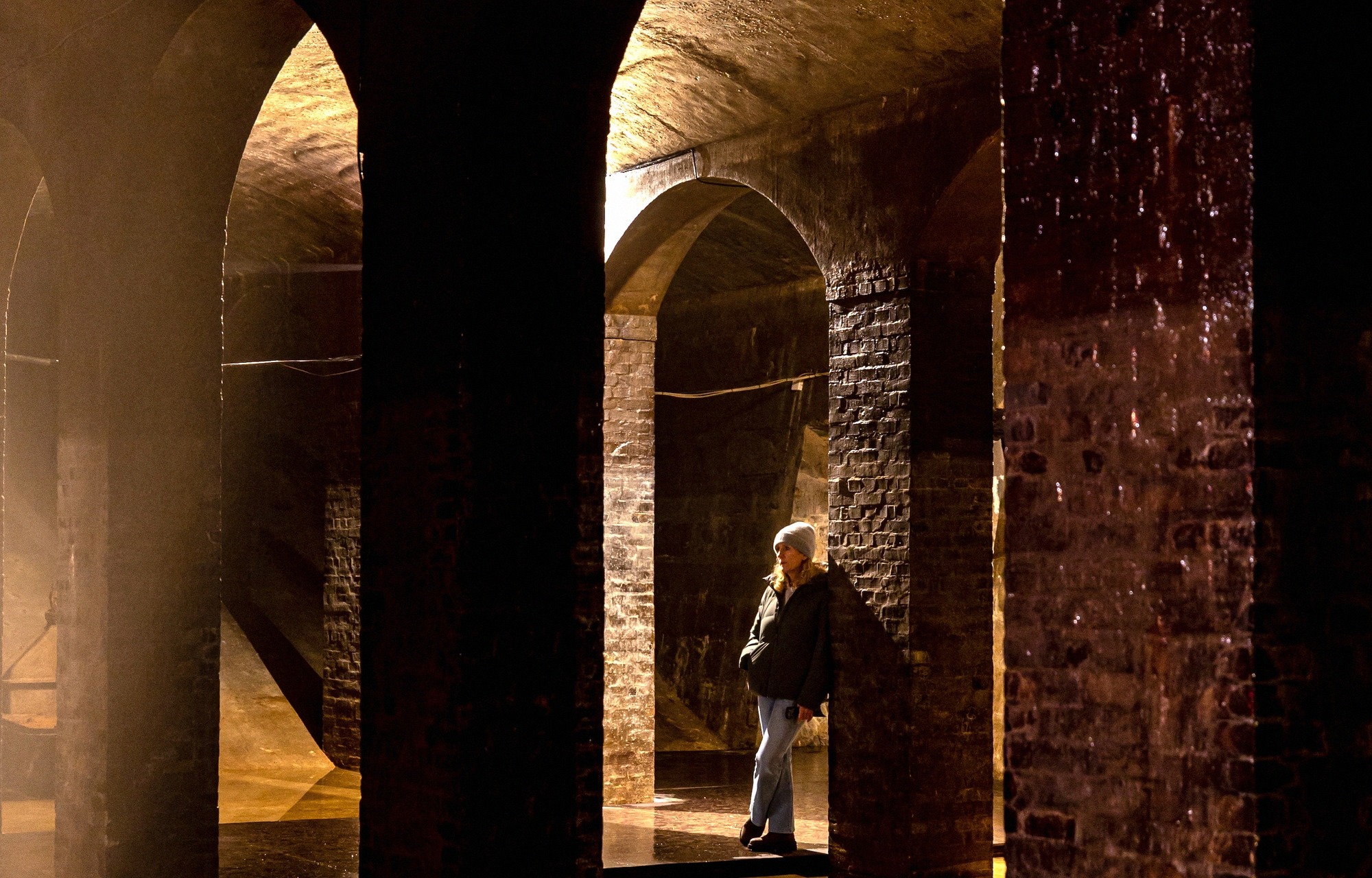
Cisternerne lies beneath Søndermarken park in Frederiksberg, opposite the zoo. From above, all you can see are a few glass pyramids set into the lawn, but below them opens up a vast, vaulted space: the city's former drinking-water reservoir. Today it's part of the Frederiksberg Museums (Frederiksbergmuseerne) and hosts site-specific art created especially for this unusual setting.
The appeal lies in the space itself. It's dark and damp, stalactites hang from the ceiling, water sits in shallow pools, and the acoustics swallow every raised voice. Descending here doesn't feel like entering a white-cube gallery, it's closer to an underground cave, where light, sound and reflections become part of the work itself. That's why the installations that work best here lean into atmosphere, water and silence.
From cholera crisis to art space
The reservoir was built in the mid-19th century, after more than 4,000 Copenhageners died of cholera in 1853, the result of contaminated wells. A new, enclosed water supply was meant to prevent a repeat, and from then on the city's drinking water was stored beneath Søndermarken. The reservoir stayed in use until 1933, after which it was pumped dry and left empty for decades.
It wasn't until Copenhagen's year as European Capital of Culture in 1996 that the space was opened to the public. From 2001 to 2013 it housed a museum of modern glass art; since then, Cisternerne has hosted a changing programme of specially commissioned art projects, a format that treats the damp, half-dark character of the space as raw material rather than something to disguise.
The 2026 exhibition
The season runs from 14 March to 30 November 2026. On show is Marina Abramović - Seven Deaths, a cinematic, opera-inspired installation staging death through seven iconic operatic heroines. Arias including those of Maria Callas play against footage of Abramović herself and Willem Dafoe, the damp, reverberant architecture amplifies the work's solemn, brooding tone.
Alongside the exhibition, there's a small events programme in the space: gong bath sessions in July and August, and in August the performance "The Inhuman Human Voice" by Marcela Lucatelli. If you're visiting Cisternerne for the atmosphere, it's worth checking the current programme, since the theme changes completely from one season to the next.
Visiting & practicalities
Allow 45 to 60 minutes for the single room - Cisternerne is a concentrated experience, not a sprawling one. It's quietest on weekday mornings at opening, 11:00; on Wednesdays and Thursdays the venue stays open until 20:00, making it a good option for a later visit. It's closed on Mondays in October and November.
- Tickets: Adults 115 DKK, students and seniors 90 DKK, under-18s free. The Frederiksberg Museum Pass (180 DKK) is worth it if you're also visiting Bakkehuset, STORM or Møstings. Tickets bought online are valid for a year but aren't tied to a time slot, at busy times, expect a short wait at the entrance.
- Conditions: It's dark, damp and cool, so sturdy, non-slip shoes help. Photography is allowed, but no flash or tripods. Only guide dogs and recognised assistance dogs are admitted.
- Accessibility: The descent isn't wheelchair-accessible. Pushchairs must stay upstairs in the entrance pyramid building.
Getting there: the bus stop Zoologisk Have on Roskildevej is around a four-minute walk away (routes 4A, 7A, 8A, 18, 26). By metro, get off at Frederiksberg Allé (M3 Cityring) and walk through Søndermarken from there. A visit pairs well with a walk in the park and a stop at the neighbouring zoo; for further planning, see the attractions overview and the guide to getting around in Copenhagen.
Frequently asked questions
How much does admission to Cisternerne cost? +
Can I book a fixed time slot in advance? +
Is Cisternerne accessible? +
How do I get to Cisternerne? +
Nearby
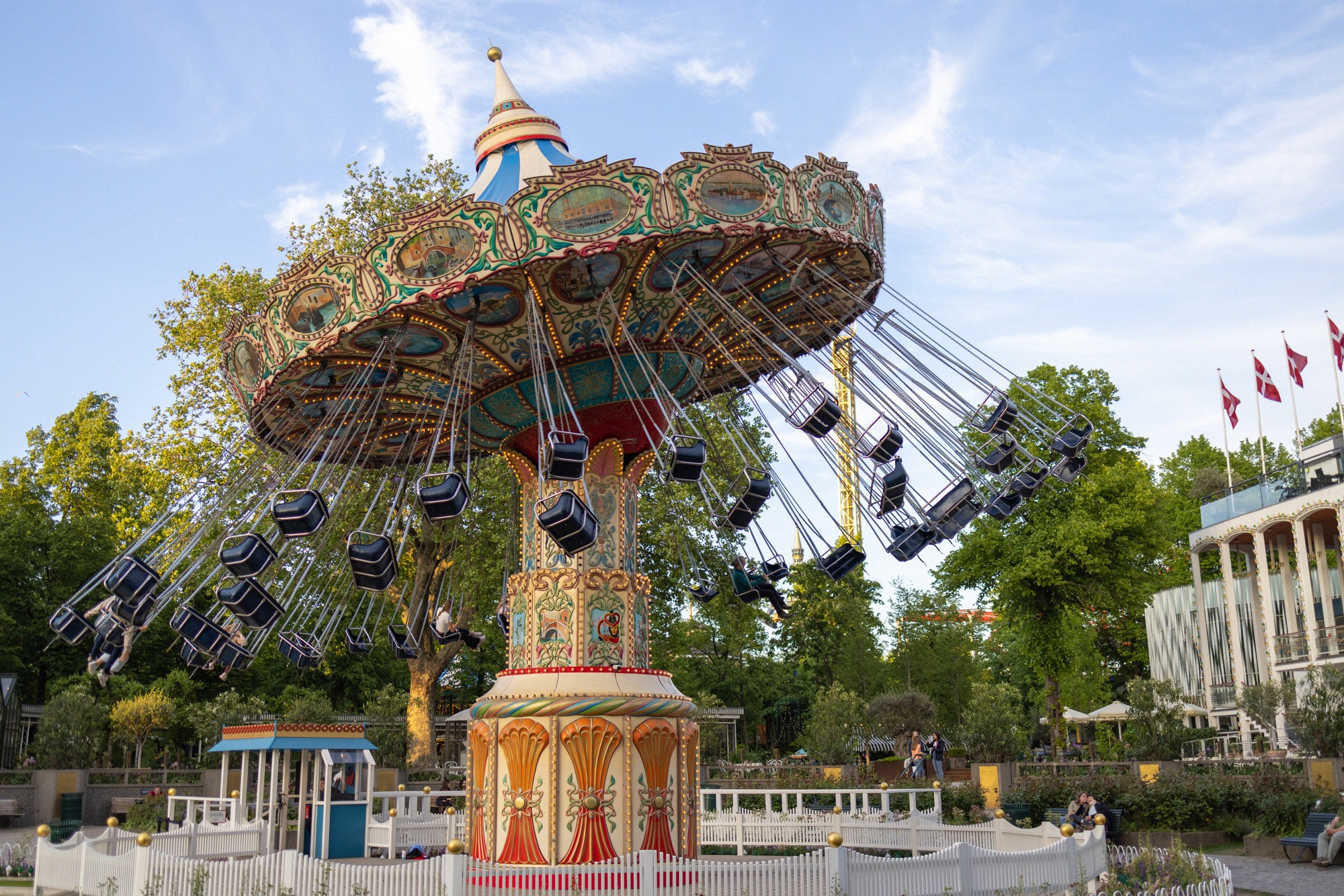
Tivoli
Opened in 1843 by Copenhagen Central Station, Tivoli is the world's second-oldest amusement park, with a historic wooden roller coaster, gardens, concerts and hundreds of thousands of lights.
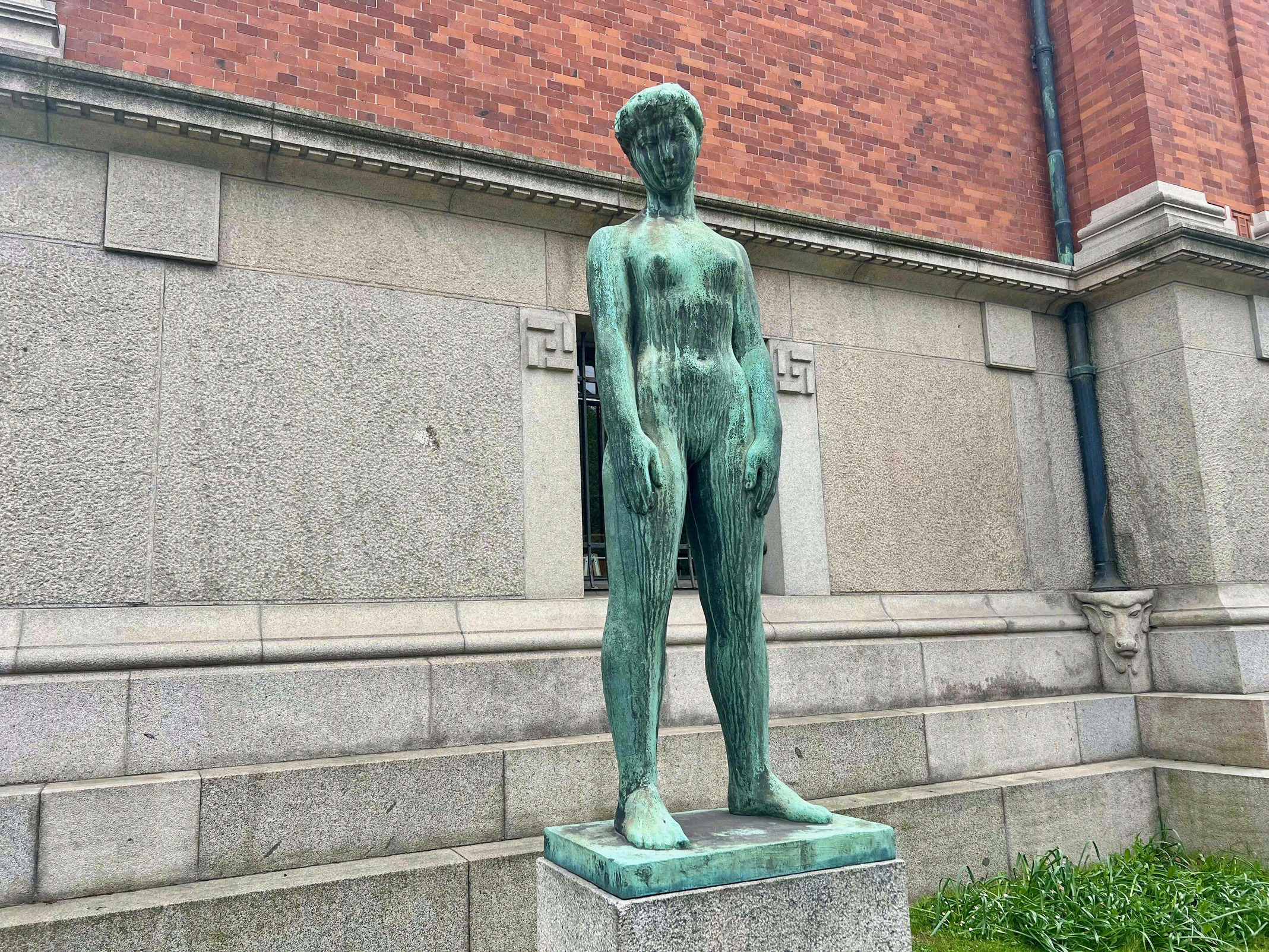
Ny Carlsberg Glyptotek
Brewer Carl Jacobsen's art museum brings together ancient sculpture, over 40 Gauguin works and one of the largest Rodin collections, around a glazed winter garden.
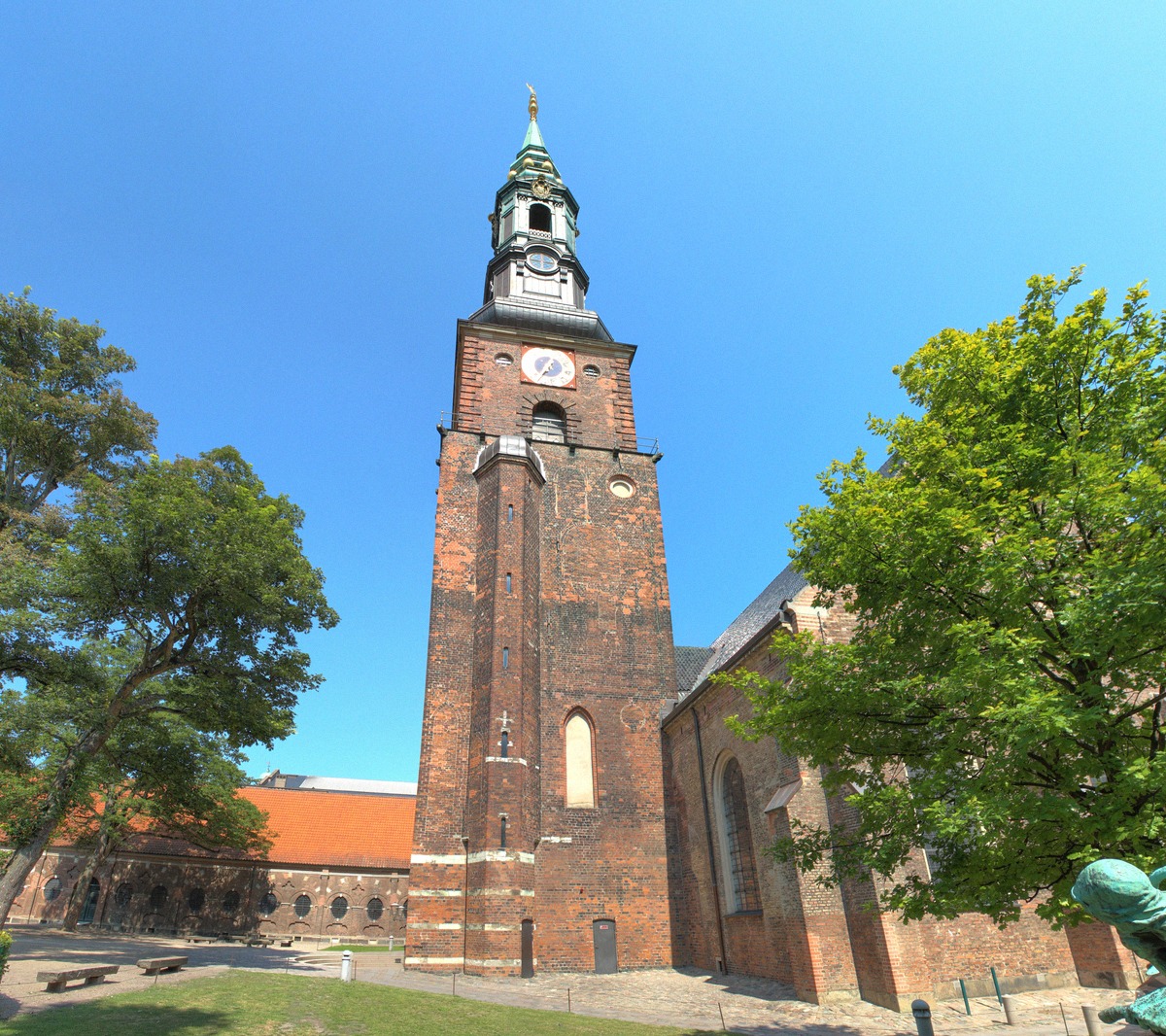
Sankt Petri Kirke
Sankt Petri Kirke is the oldest surviving church in central Copenhagen and home to the city's German congregation. Don't miss the baroque burial chapels with their herb garden.
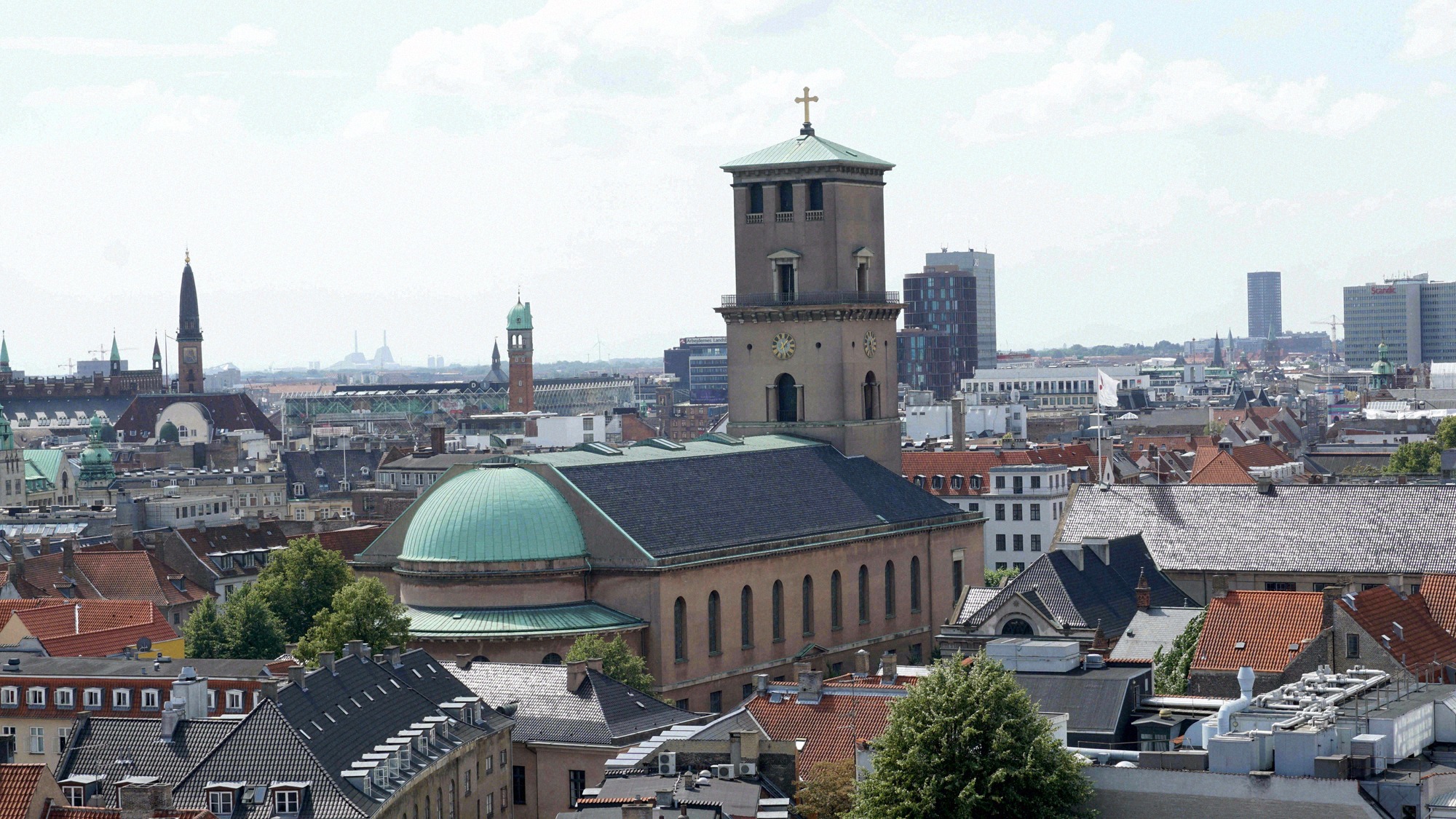
Copenhagen Cathedral (Vor Frue Kirke)
Vor Frue Kirke on Frue Plads is Copenhagen Cathedral: a neoclassical church by C. F. Hansen with Thorvaldsen's Christ figure and row of apostles. Free entry.
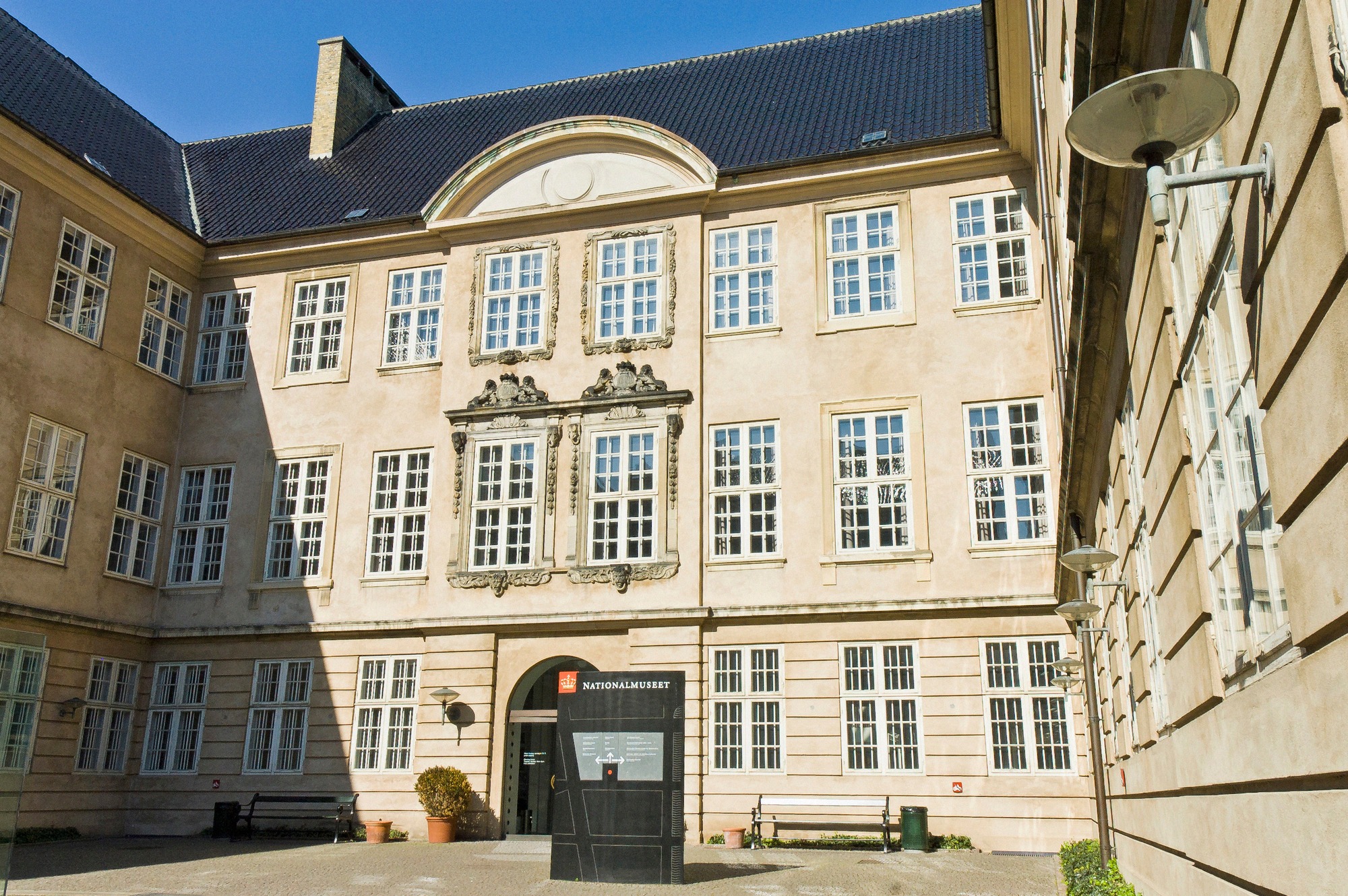
National Museum of Denmark
Denmark's largest museum of cultural history fills the former Prince's Palace with 14,000 years of the past, from the Trundholm Sun Chariot to Vikings and world cultures.
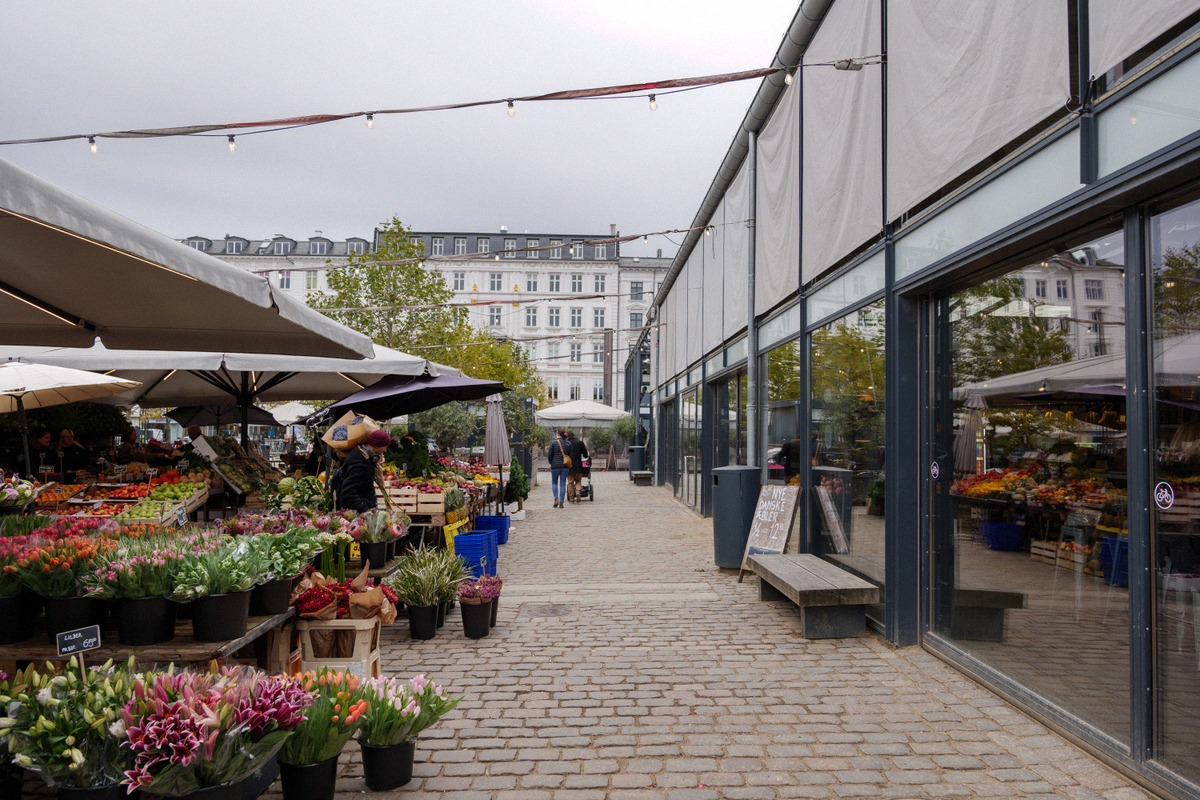
Torvehallerne
Two glass-roofed market halls on Israels Plads with over 60 stalls, smørrebrød, specialty coffee, tacos, chocolate and fresh produce - Copenhagen's foodie hub near Nørreport.