
Kastellet
Star fortress from 1664 with ramparts and a windmill
One of Northern Europe's best-preserved star fortresses, five-pointed ramparts, water-filled moats, red barracks and a windmill. Free public park and active barracks in one.
Contents
A star fortress from 1664
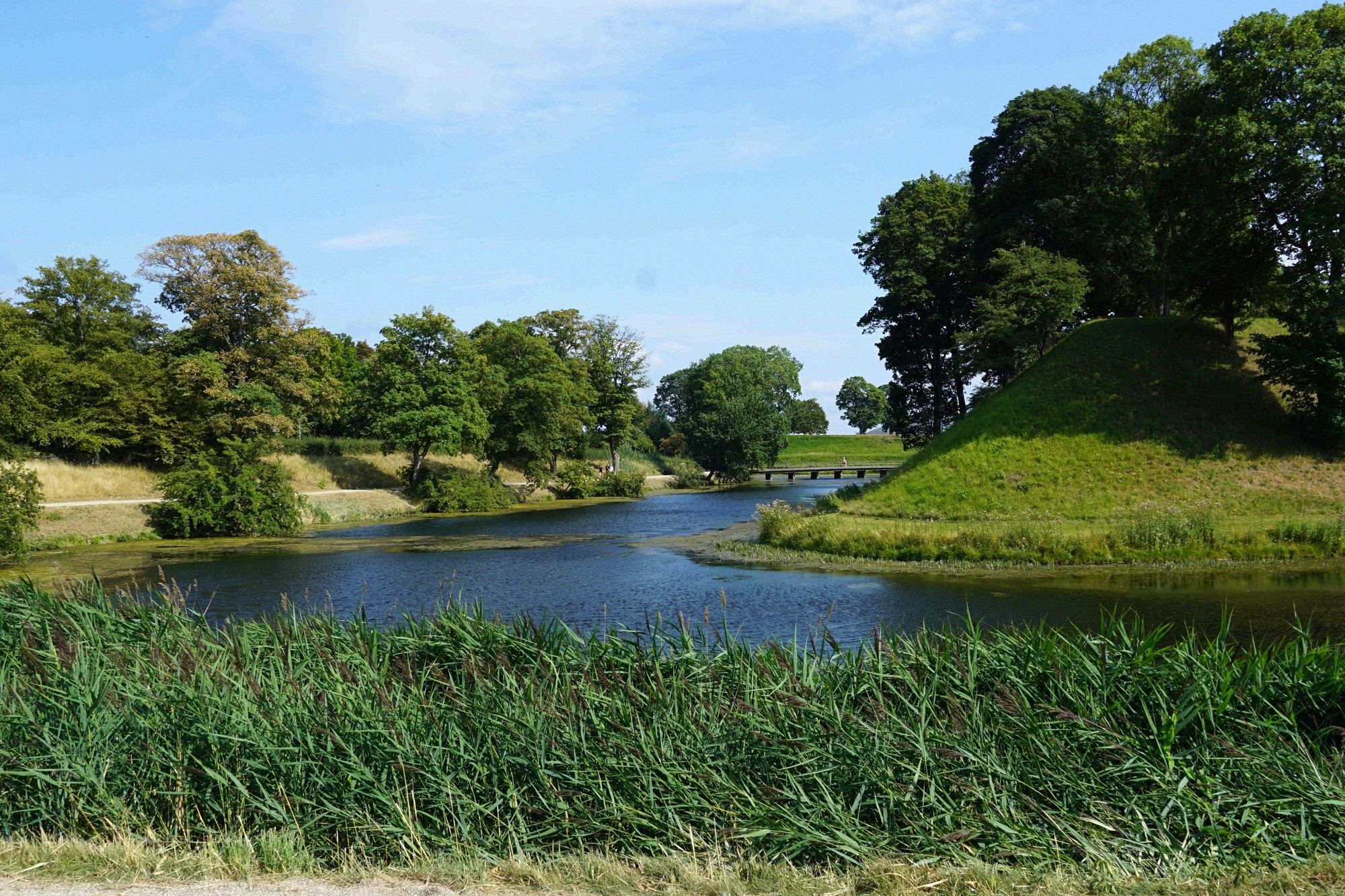
Kastellet is one of the best-preserved star fortresses in Northern Europe. Its origins go back to 1626, when the Sankt Anna Sconce was built under Christian IV. After the Swedish siege during the Second Northern War (1658-1660), Dutch fortress engineer Henrik Ruse rebuilt the site entirely between 1662 and 1665 as the Citadellet Frederikshavn. The first soldiers moved into Kastellet on 28 October 1664.
The layout is a pentagon with five bastions, named after the King, Queen, Count, Princess and Prince. In front of them lie outworks such as ravelins and counterguards, plus the water-filled moats. The star shape is easiest to make out from the air, on foot, it reveals itself as you walk along the ramparts.
What to expect on site
Inside the ramparts, the red barracks buildings, the commandant's house and a number of historic structures are arranged symmetrically. Free to enter or accessible on guided tours are, among others:
- Kastelskirken, a Baroque-style church built in 1703/04 and consecrated on 26 November 1704, still an active parish church today
- the Kastelsmølle, an octagonal Dutch gallery windmill from 1847 with five storeys - Copenhagen's only working windmill
- the collection run by Kastellets Venner with guided tours, the Life Guards Museum (Livjægermuseet), a Second World War bunker, the Powder Tower (Krudttårnet) and the Arresthuset (former guardhouse)
- the monument to Denmark's international military missions
Worth knowing: Kastellet is an active barracks. Not all buildings are open to the public, and walking on the grass inside the ramparts is not allowed. The windmill has no regular visiting hours, tours are held on Danish Mill Day, the third Sunday in June.
A green park for walking
Outside the areas used by the military, Kastellet is above all a quiet, well-kept park. The ramparts are ideal for walking, jogging and picnicking, with a path circling the fortress that offers water views throughout. There's a canteen on site, and public toilets can be found near the outer gates.
The ramparts are surfaced with compacted gravel and are largely accessible by wheelchair or pushchair; a few paths, such as the one to the windmill, are more uneven and partly cobbled, though ramps are provided there. Allow 45 to 60 minutes for a relaxed walk, longer if you bring a picnic.
Getting there & combining your visit
Kastellet sits at the northern end of the Langelinie waterfront promenade, right next to The Little Mermaid. It's about a 15-minute walk from Amalienborg Palace, and around 30 minutes from Nyhavn. Østerport station is at the western entrance, and bus routes such as 23 and 1A also stop nearby.
If you're heading to The Little Mermaid, the nicest route is across the green ramparts, a quiet, scenic alternative to the busy harbourfront path. It combines well with the changing of the guard at Amalienborg at noon and the nearby Marble Church. To go deeper into the history of the Danish crown, visit Rosenborg Castle.
Frequently asked questions
Is there an admission fee to visit Kastellet? +
What are Kastellet's opening hours? +
Can you visit the windmill? +
How does Kastellet fit into a wider sightseeing route? +
Nearby
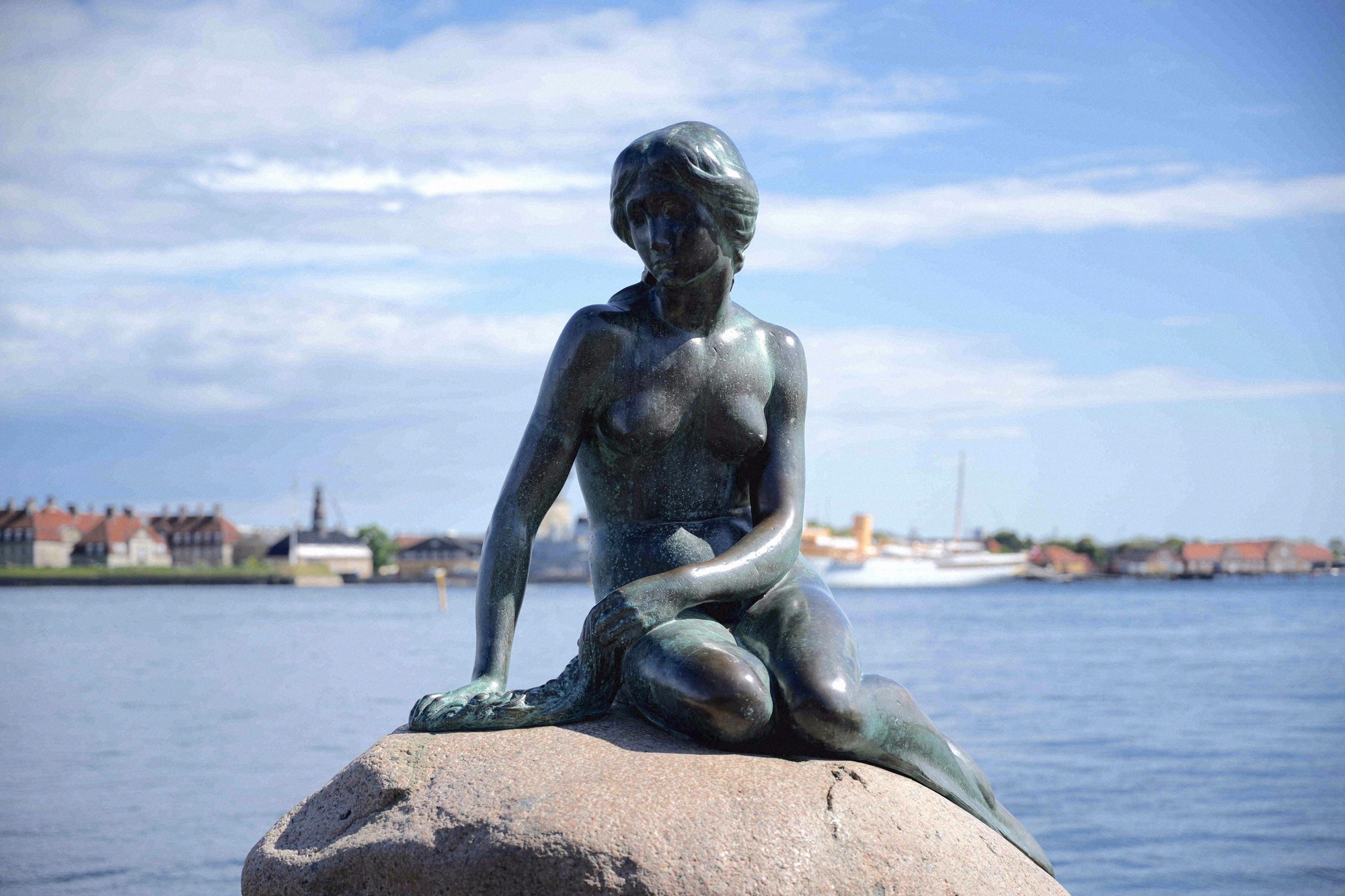
The Little Mermaid
Den lille Havfrue, Edvard Eriksen's bronze figure inspired by Andersen's fairy tale, has sat on the Langelinie quay since 1913 as Copenhagen's world-famous landmark.
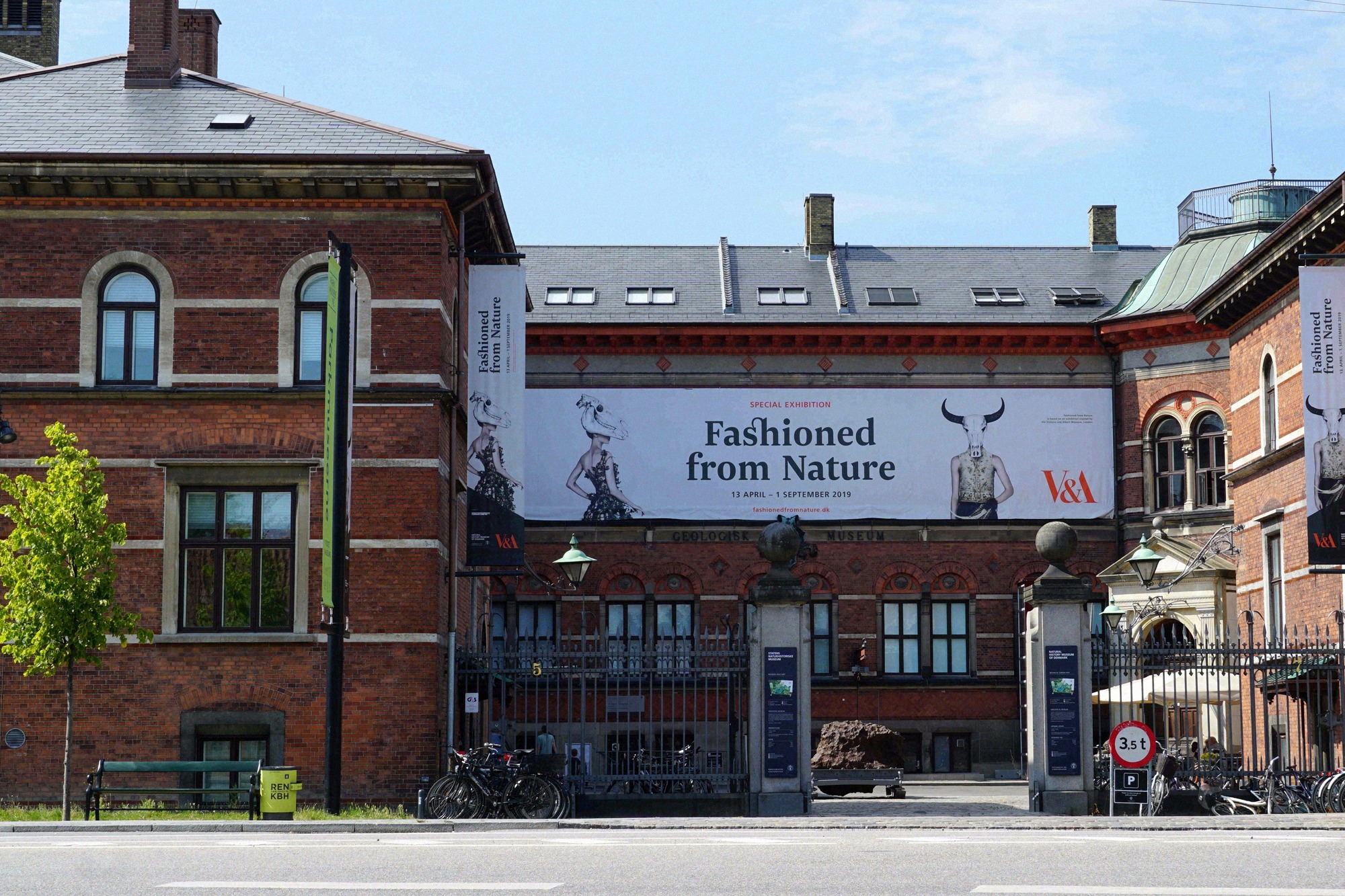
Designmuseum Danmark
From early craft to the chair gallery of Wegner and Jacobsen designs, the collection in this rococo building traces the story of Danish design.
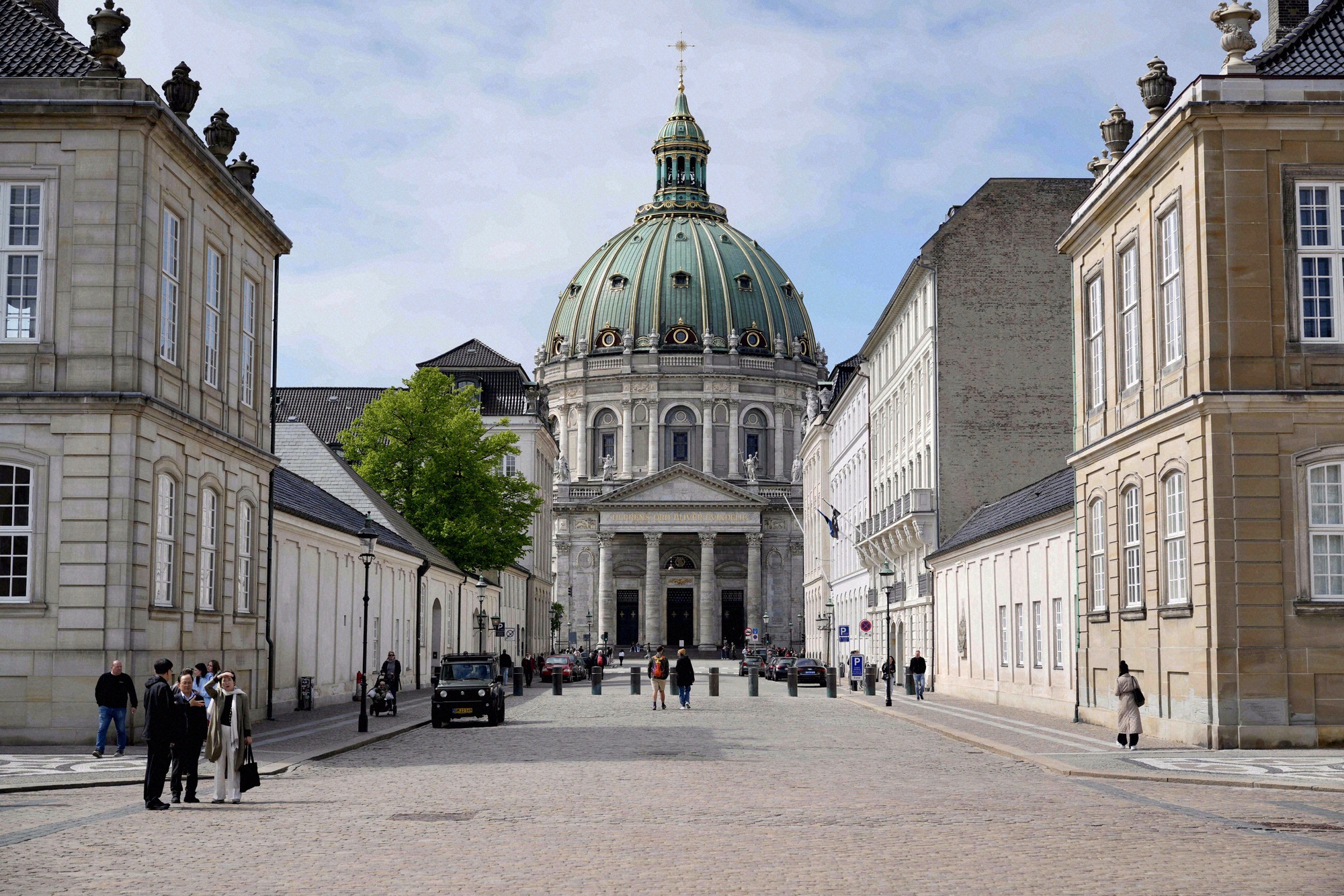
Marble Church
Frederik's Church, crowned by Scandinavia's largest church dome, stands on the sightline from Amalienborg. Free entry inside, with dome climbs at weekends.
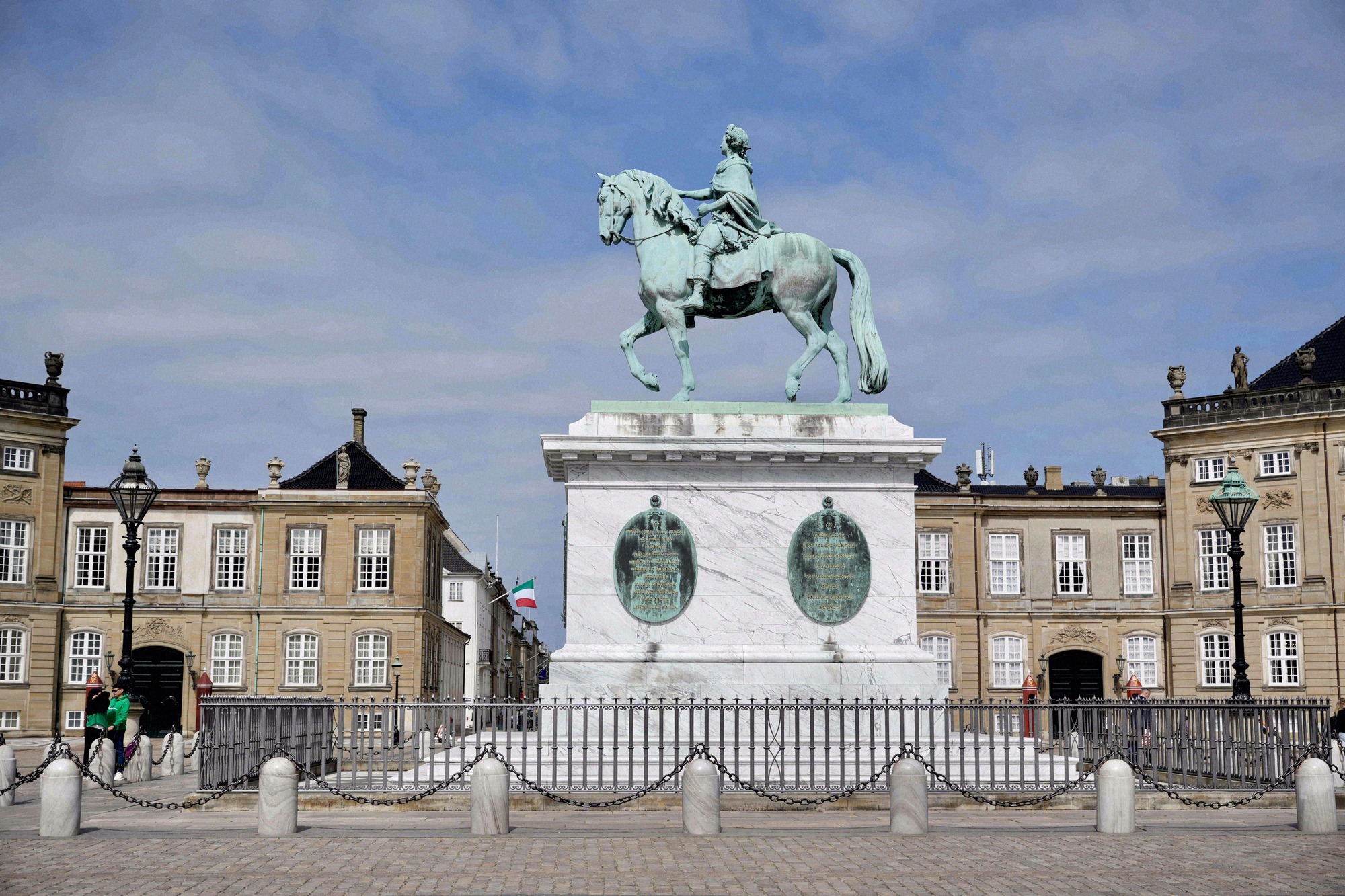
Amalienborg Palace
Amalienborg Slot, Denmark's royal residence since 1794, groups four rococo palaces around an octagonal square. Every day at 12:00 the bearskin-capped guards march in for the changing of the guard.
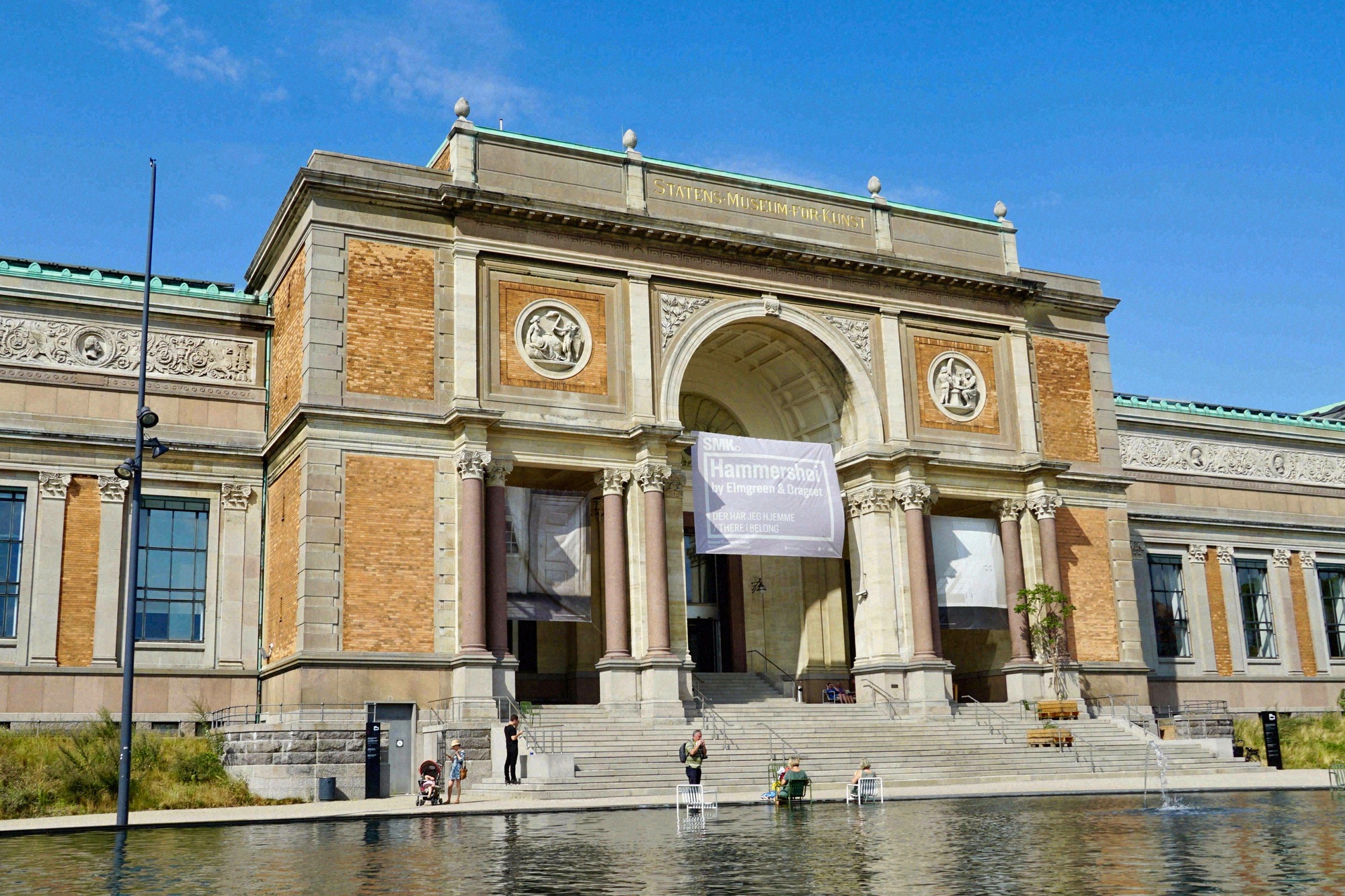
SMK
The Statens Museum for Kunst (SMK) is Denmark's national gallery, spanning seven centuries of art, from the Golden Age to Hammershøi, Matisse and Picasso.
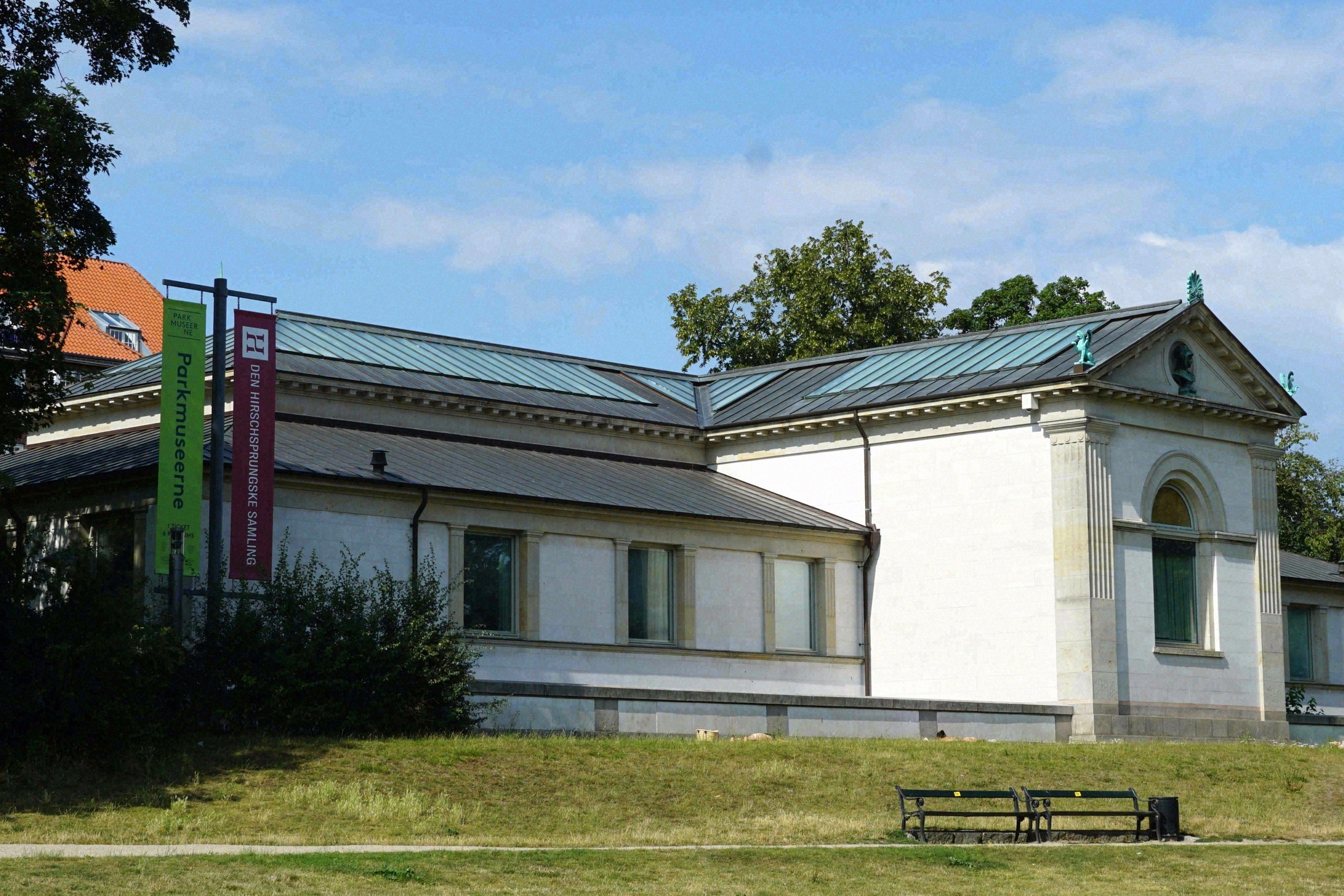
The Hirschsprung Collection
A purpose-built house for Heinrich Hirschsprung's collection of 19th-century Danish art, the Golden Age, the Skagen painters and Hammershøi, next to SMK.