
Admission
Amalienborg Museum
Admission to the Amalienborg Museum with the royal halls and private rooms in Christian VIII's Palace.
4.3 (836) · GetYourGuide
From €18.06
Book TicketRoyal Residence & Changing of the Guard
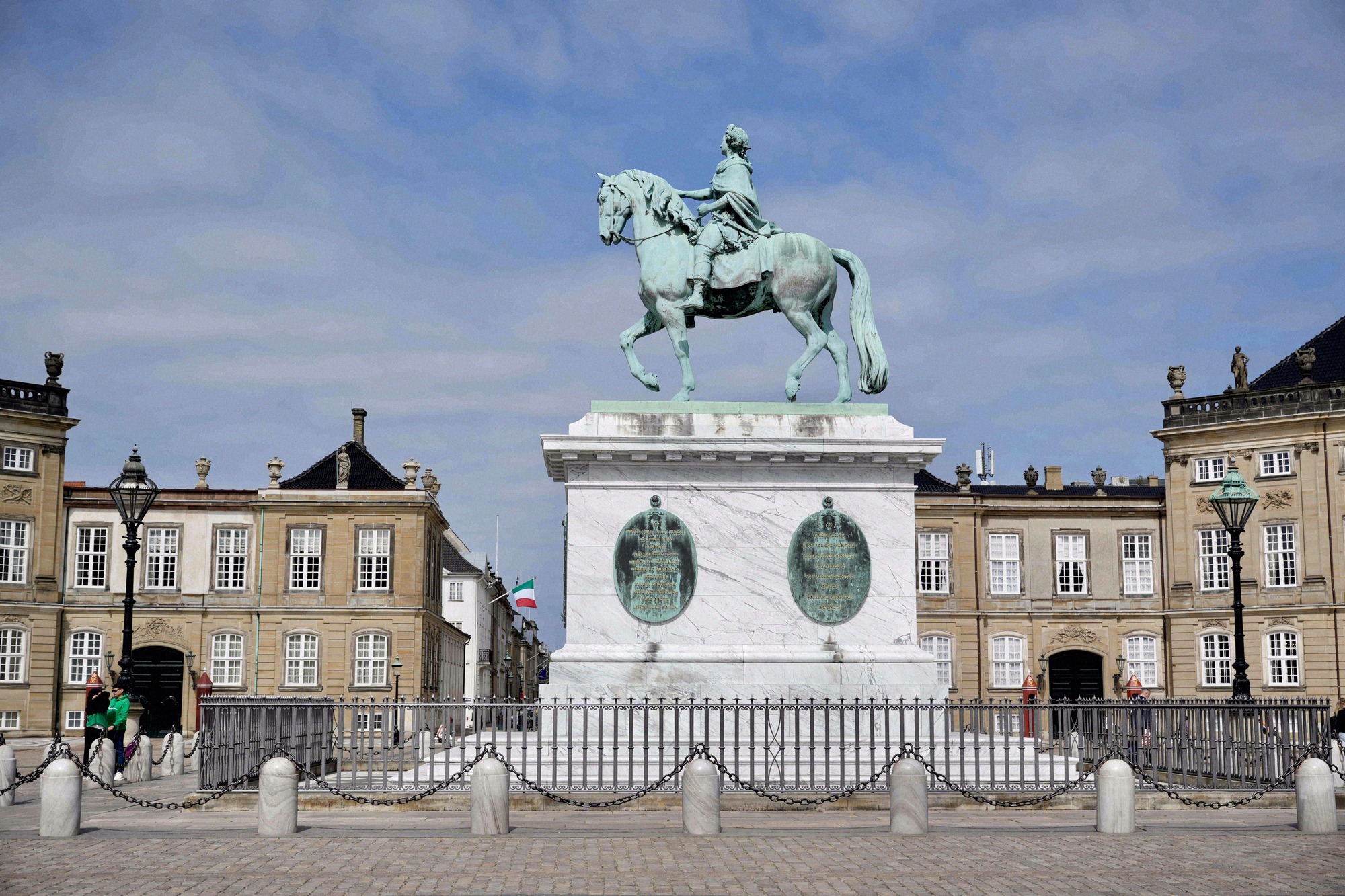
Amalienborg Slot, Denmark's royal residence since 1794, groups four rococo palaces around an octagonal square. Every day at 12:00 the bearskin-capped guards march in for the changing of the guard.
Admission
Admission to the Amalienborg Museum with the royal halls and private rooms in Christian VIII's Palace.
4.3 (836) · GetYourGuide
From €18.06
Book TicketAmalienborg has been the Danish royal family's residence in the capital since 1794 and is regarded as one of Europe's most important rococo ensembles. Four near-identical palaces surround an octagonal square, with an equestrian statue of King Frederik V at its centre. The complex takes its name from an earlier palace built for Queen Sophie Amalie. Amalienborg sits in the elegant Frederiksstaden district of Indre By (the city centre), just a few minutes' walk from Nyhavn.
The daily highlight is the changing of the Royal Life Guard (Den Kongelige Livgarde) at exactly 12:00 on the palace square, free, and no ticket required. From around 11:30, the soldiers in their blue uniforms and bearskin caps march from their barracks near Rosenborg Castle across the city to Amalienborg.
Whether the guard marches with music depends on who is currently in residence:
One reliable clue: if the flag is flying over the palace, the monarch is at home. If you want a spot at the front, get there well before 12:00, the square fills up around midday.
One of the four palaces, Christian VIII's Palace, houses the Amalienborg Museum, run by Den Kongelige Samling (the Royal Danish Collection). The entrance is through the gate on Frederiksgade. Inside you'll find royal halls and private rooms once used by earlier monarchs, rich in history and everyday detail, with an audio guide filling in the background. The other three palaces remain lived in and are closed to visitors. Allow 45 to 90 minutes for the visit.
Good to know:
The square opens onto a striking sightline: on one side rises the dome of the Marble Church, and on the other you look out over the harbour towards the modern opera house. Both are close by, the Marble Church stands directly on the axis, barely two minutes away. From here it's only a short walk further to the green ramparts of Kastellet and The Little Mermaid.
The nearest metro station is Marmorkirken (Marble Church), a short walk from the palace. The museum has no dedicated parking. The palace square and the changing of the guard are free to visit at any time; admission is charged only for the museum.
The best plan is to time your visit around the changing of the guard: arrive around 11:30, watch the march-in at 12:00, then visit the museum or the Marble Church afterwards. For bundling admissions, see the guide to the Copenhagen Card; Amalienborg is also one of the city's must-see attractions.
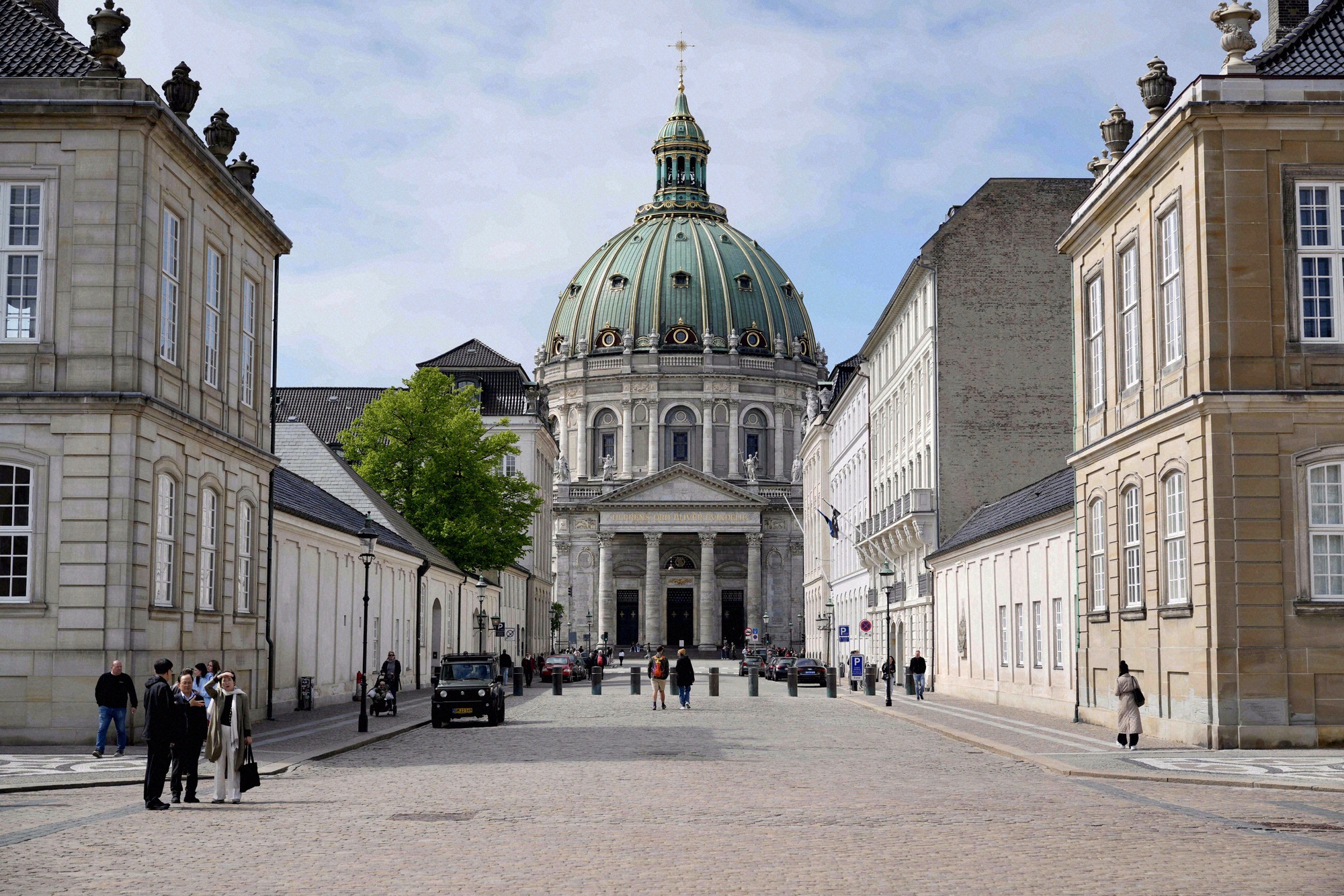
Frederik's Church, crowned by Scandinavia's largest church dome, stands on the sightline from Amalienborg. Free entry inside, with dome climbs at weekends.
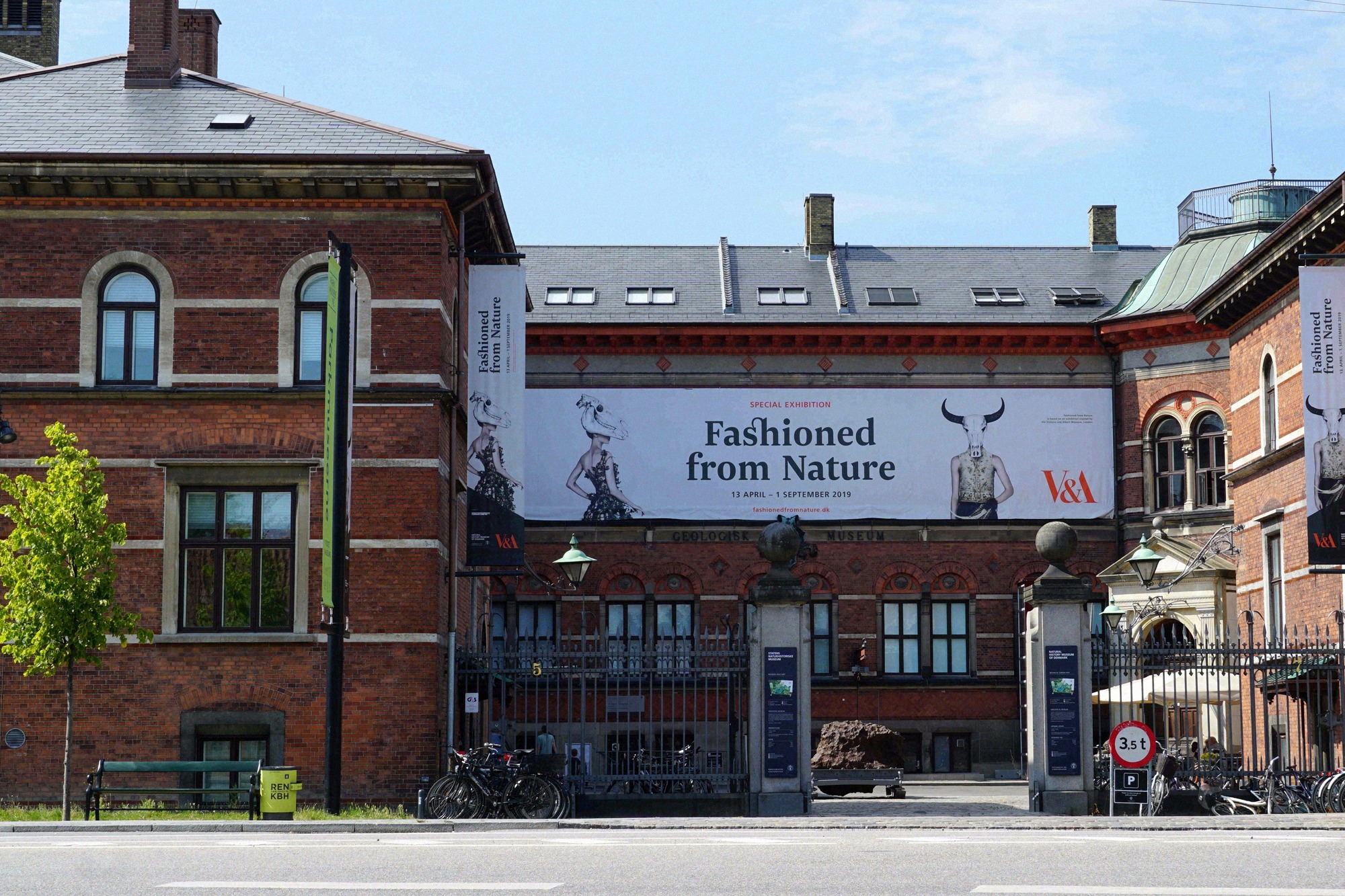
From early craft to the chair gallery of Wegner and Jacobsen designs, the collection in this rococo building traces the story of Danish design.
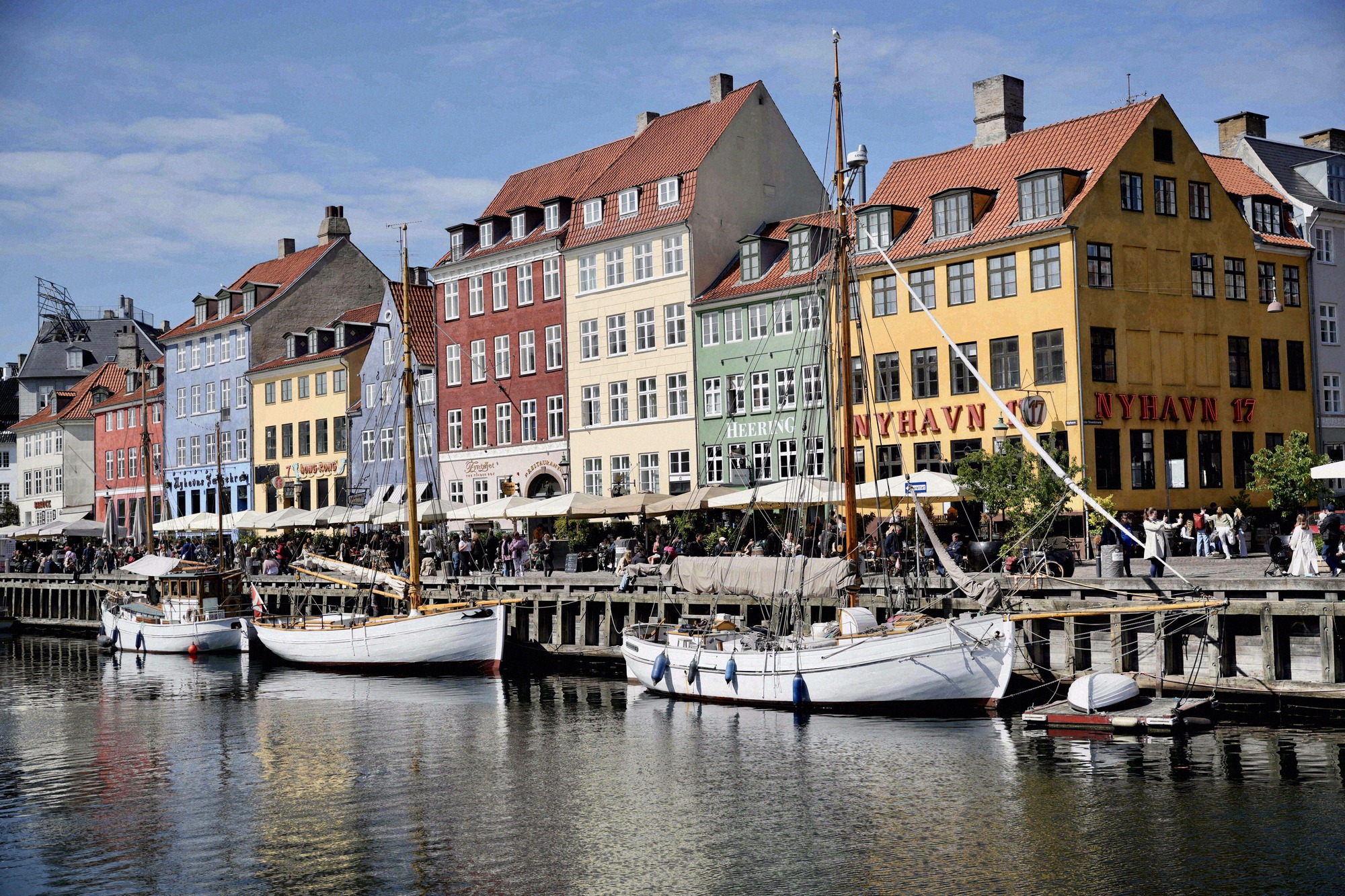
Nyhavn, the "New Harbour" from 1670, is Copenhagen's most famous postcard view, a row of colourful houses along the canal, once a sailors' quarter, now a promenade of boats, bars and canal tours.
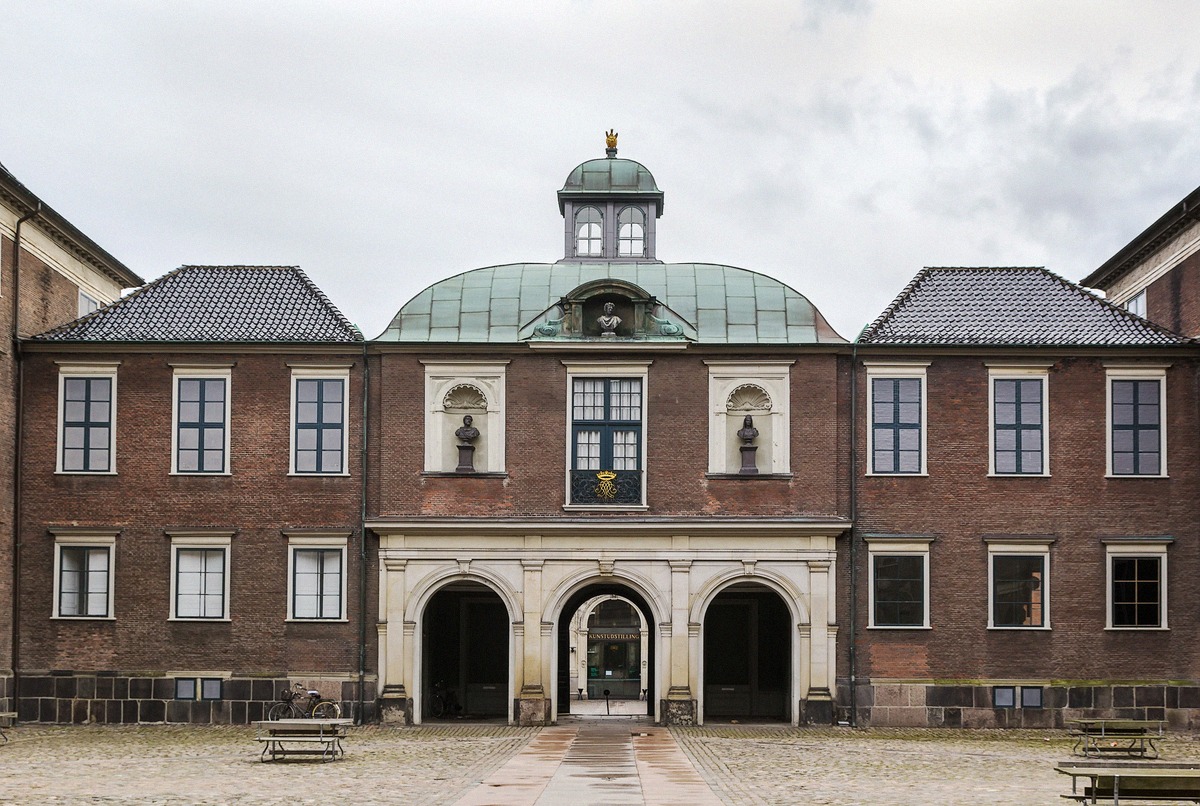
Charlottenborg Palace on Kongens Nytorv houses Kunsthal Charlottenborg, a major contemporary art hall in the Baroque Royal Danish Academy of Fine Arts.
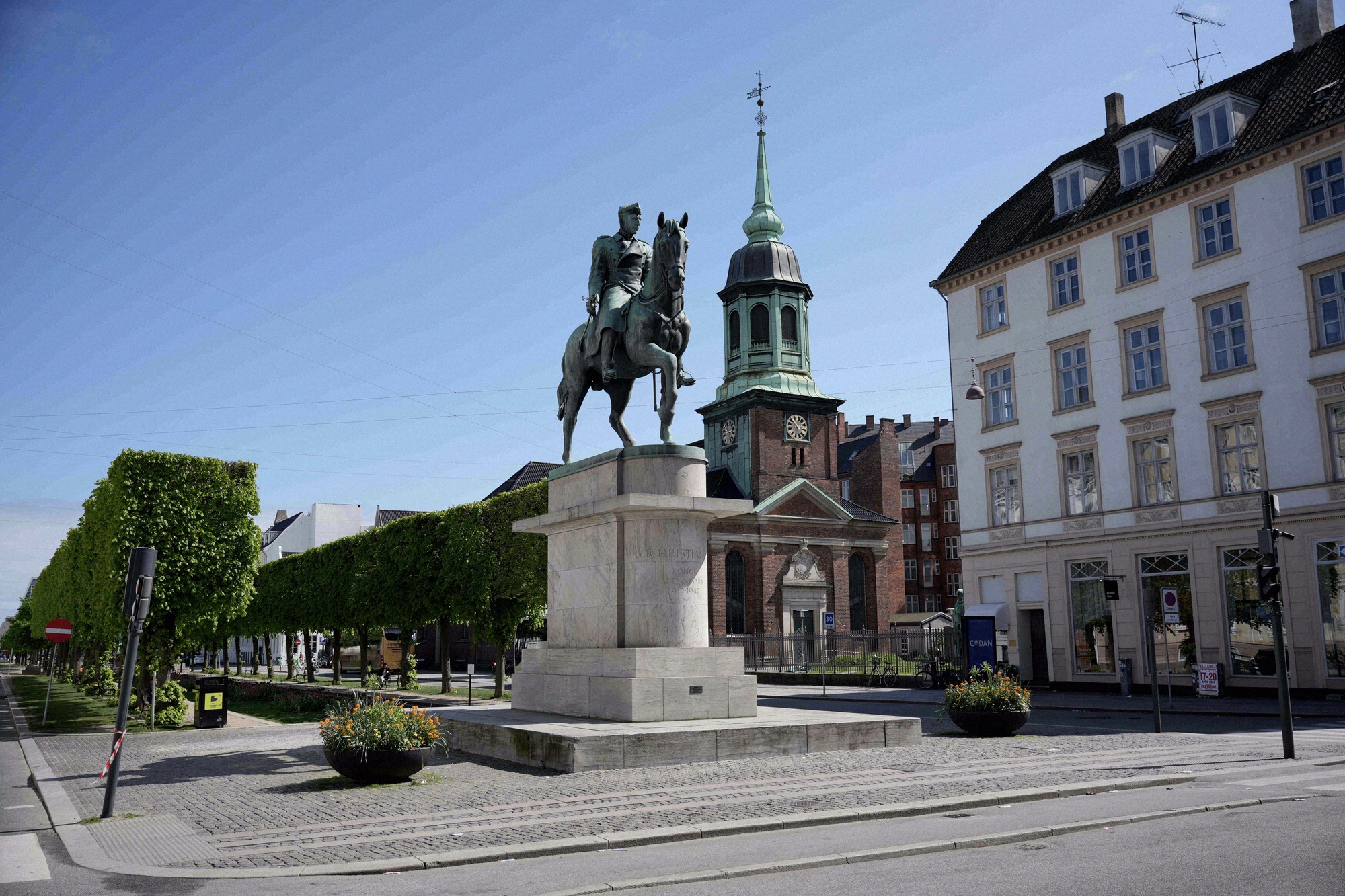
Copenhagen's largest square, with an equestrian statue, the Royal Theatre, Charlottenborg and Magasin du Nord, open around the clock, with an ice rink and Christmas market in winter.
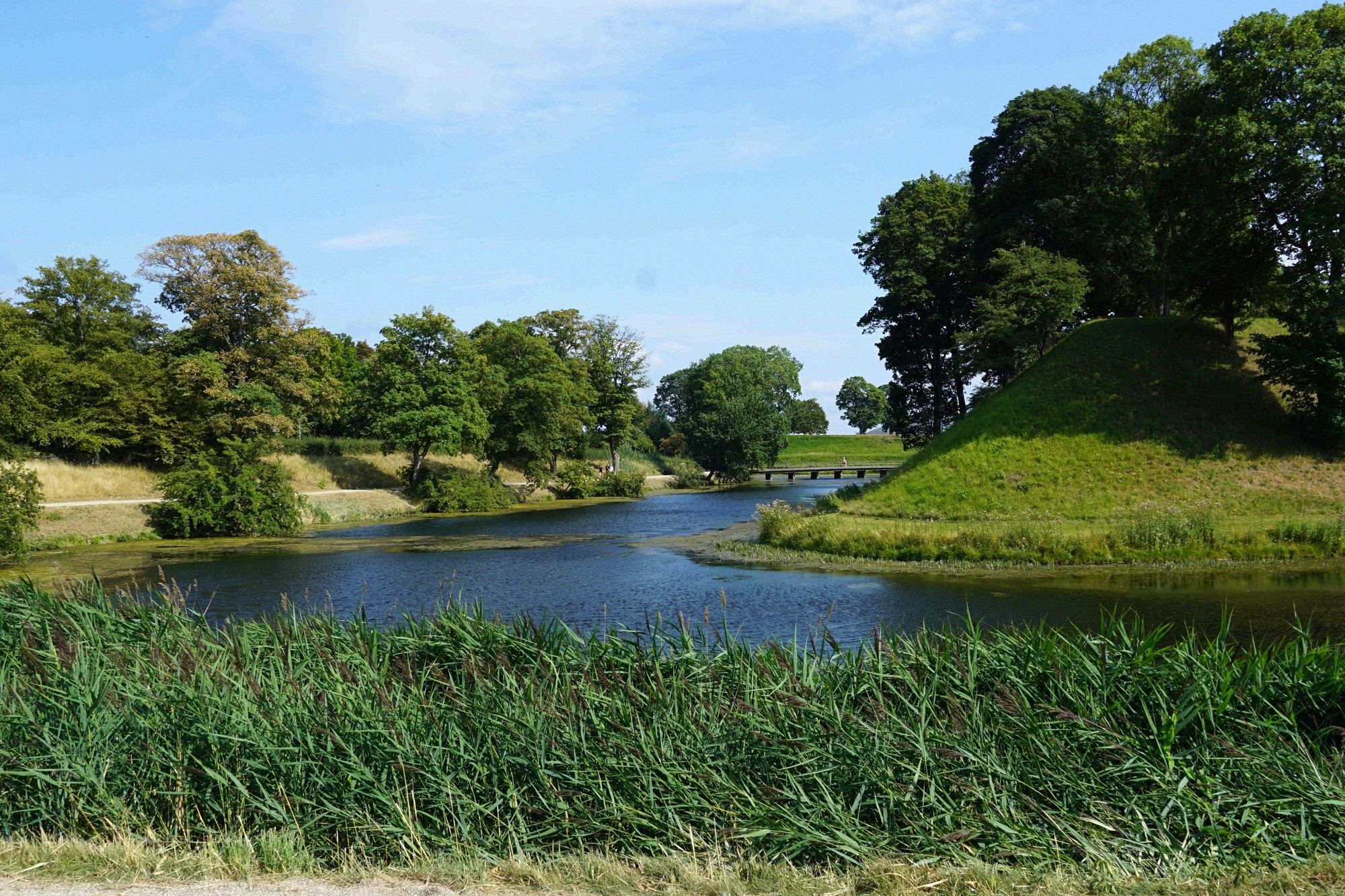
One of Northern Europe's best-preserved star fortresses, five-pointed ramparts, water-filled moats, red barracks and a windmill. Free public park and active barracks in one.