
Marble Church (Marmorkirken)
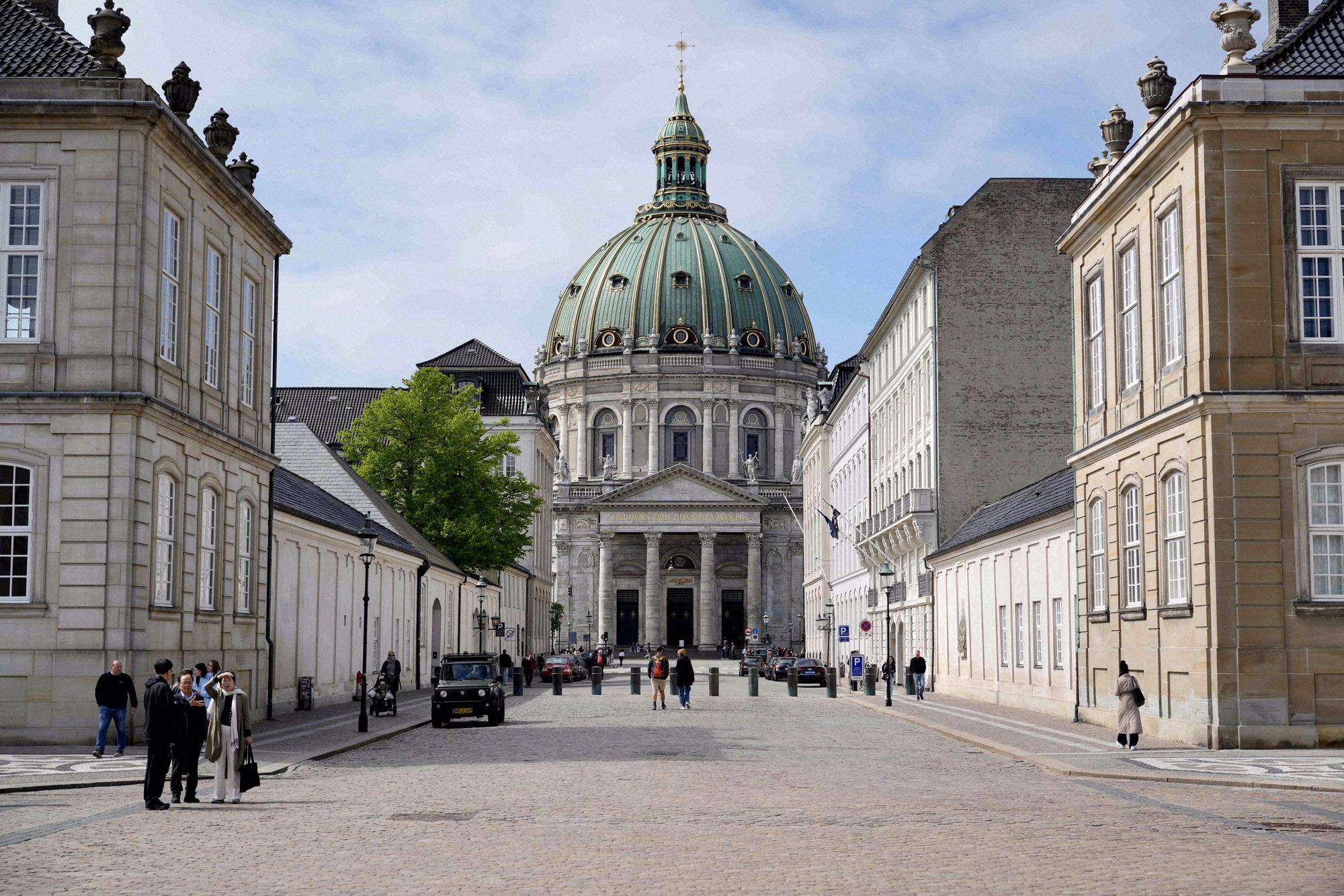
Copenhagen's domed church on the axis of Amalienborg
The Marble Church (Marmorkirken), officially Frederik's Church, stands on Frederiksgade in line with Amalienborg Palace. The church is free, and the dome tour runs on Saturdays and Sundays at 13:30.
Contents
The dome tour and the weekend
The dome can be visited only on a guided tour, on Saturdays and Sundays at 13:30. A member of the church staff takes the group up. You stay with the group to the end, because the tour is expressly not hop-on, hop-off. Places cannot be reserved, so join the queue well before 13:30. If you are afraid of heights or enclosed spaces, or your mobility is limited, it is not suitable, and you take part at your own risk.
On a Saturday the church is open from 10:00, which leaves time for the interior before the tour. On Sunday it opens only at 13:00, after the main service at 10:30, so you have half an hour inside before the tour begins.
A church that took 145 years
The official name is Frederik's Church (Frederiks Kirke), after Frederik V, who laid the foundation stone at the end of October 1749. It was meant to be the centrepiece of Frederiksstaden, the new district. Nicolai Eigtved first designed a rococo building. After his death in 1754 Lauritz de Thurah drew new projects, and from 1756 Nicolas-Henri Jardin continued the work as a neoclassical church of marble.
In 1770 J. F. Struensee stopped construction to save money. The masonry, up to about 19 m high, stood as a ruin for more than a century. In 1874 Carl Frederik Tietgen bought the ruin and the church square on condition that he complete the church. Ferdinand Meldahl gave it its final form, with smaller side towers and a lower rotunda. The church was consecrated on 19 August 1894, 145 years after the foundation stone was laid. The facade was cleaned and restored in 1999.
The dome, the statues and the interior
The dome rests on twelve pillars and takes St Peter's in Rome as its model. It spans 31 m. Its upper storey is built of Faxe limestone, a hard coral limestone from south Zealand. The painting inside the vault shows the twelve apostles and is by C. N. Overgaard. Twelve medallions with symbols hang beneath the dome.
The altar follows a design by Meldahl, in wood and stucco painted to look like marble, with a gold crucifix above. Emanuel Monberg made the marble pulpit in 1930-31 and Joakim Skovgaard the font in 1925. Motifs from Psalm 42 stand beside the altar. The front chapel holds a German wood carving of the Deposition, and the choir a German ivory cross. The original font by Stefan Sinding is in storage. The organ of 1963 has 51 stops; the old ornate organ to the right of the entrance is no longer in use. Inside, a plaque by Niels Skovgaard commemorates Tietgen and his wife.
Outside, 16 zinc figures from Moses to Luther stand on the balustrade of the base, and twelve statues of leading Danish churchmen, Søren Kierkegaard among them, stand around the church. N. F. S. Grundtvig is at the entrance. There is no churchyard.
On the axis of Amalienborg
Frederiksgade runs straight from Amalienborg Palace to the dome. Nyhavn and Kastellet are easy to add on foot.
To the right of the main portal there is scaffolding on the porch. Four gardens around the church are kept for biodiversity, with wild plants that attract bees, butterflies and other insects and no fertiliser or pesticides. Capitals and building parts that were never used in construction lie among the greenery.
Getting in without steps
Anyone who cannot climb steps uses the lift at the left side entrance, seen from the main gate. Speak to the church attendants at the entrance beforehand, and arrive at least 15 minutes before a service or concert begins. Once an event is under way the lift does not run, because of the special acoustics. For ordinary visits the lift is available in a limited way, when an attendant has time. Ask the church on 61 62 03 01. There is no accessible toilet.
Frequently asked questions
Why is it called the Marble Church? +
How wide is the dome? +
Can you take photos at the church? +
Nearby
Amalienborg Palace
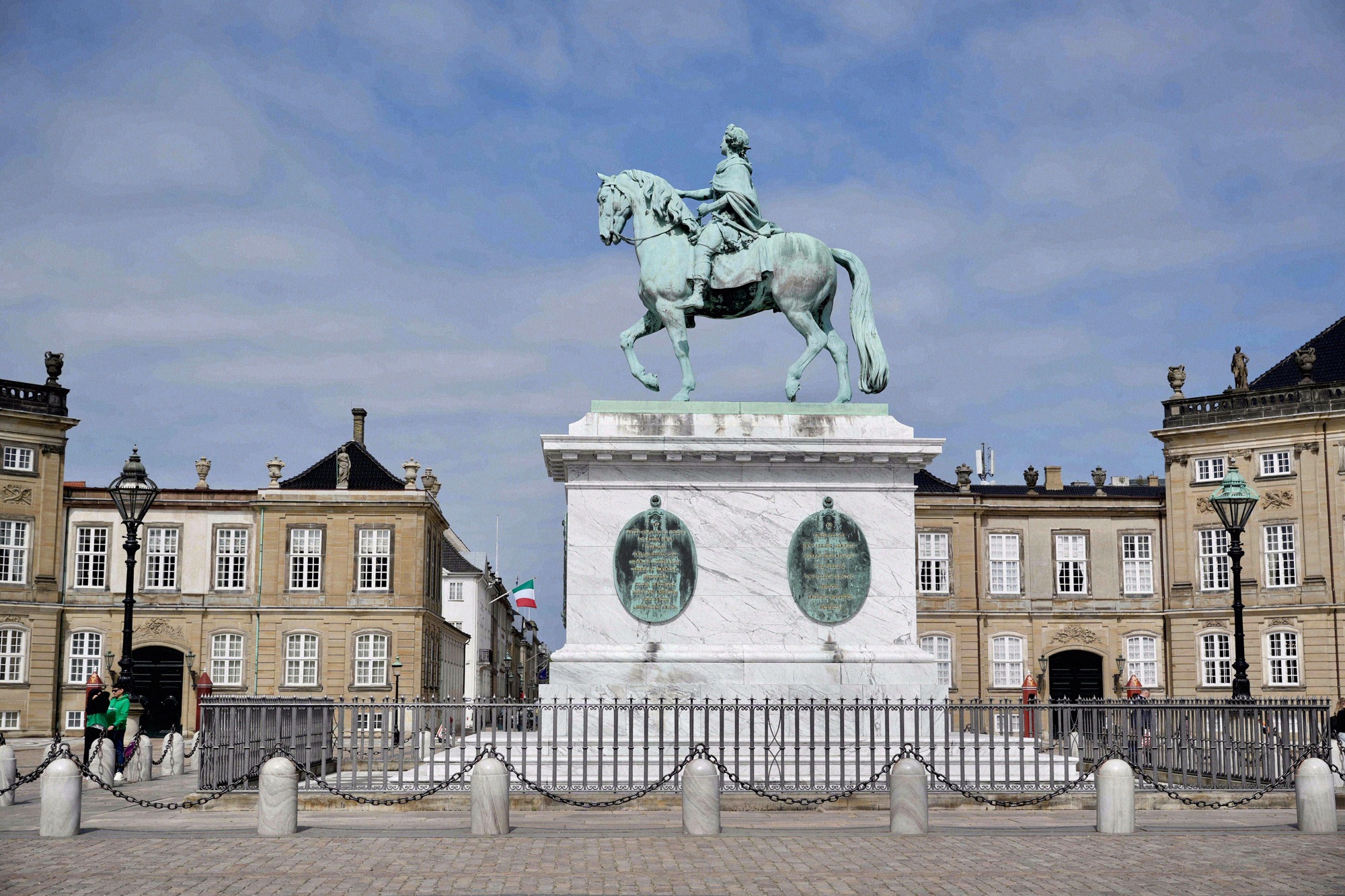
Amalienborg Palace is four palaces around an octagonal square. The Changing of the Guard on the square is free to watch, and the museum shows the studies of Danish kings and a Fabergé room.
Designmuseum Danmark
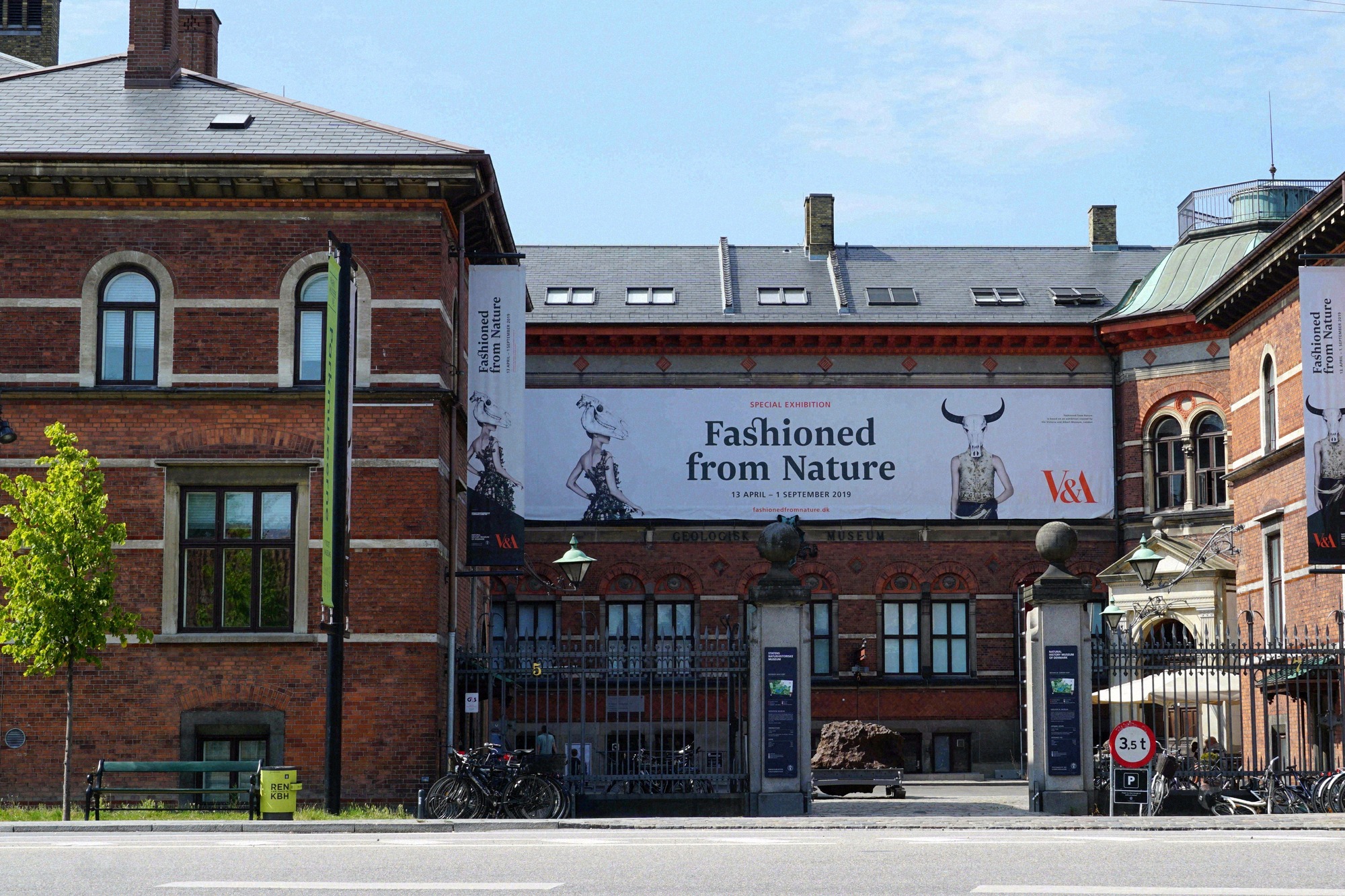
A rococo hospital until 1910, now the museum of Danish design: a tunnel of 125 chairs, a garden and a café you can enter without a ticket.
Charlottenborg Palace
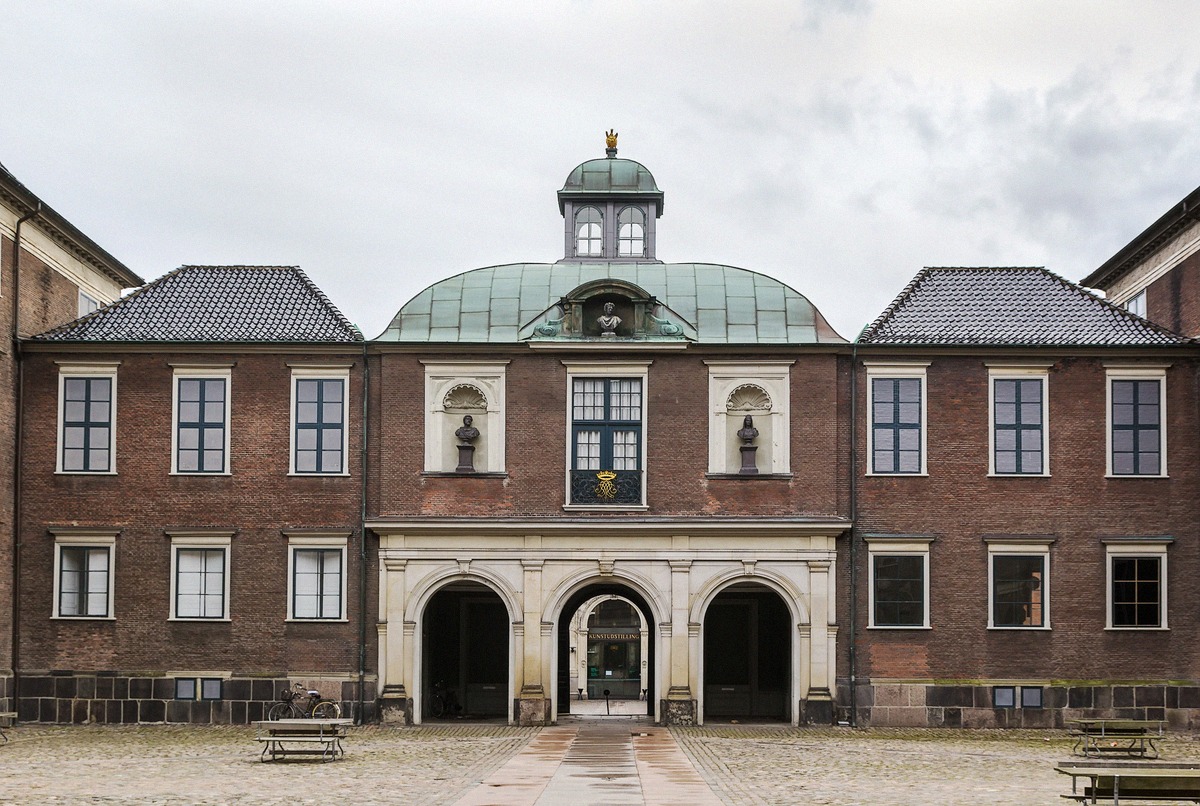
The palace on Kongens Nytorv, built from 1672 for a half-brother of Christian V, houses the art academy and Kunsthal Charlottenborg with changing contemporary art.
Nyhavn
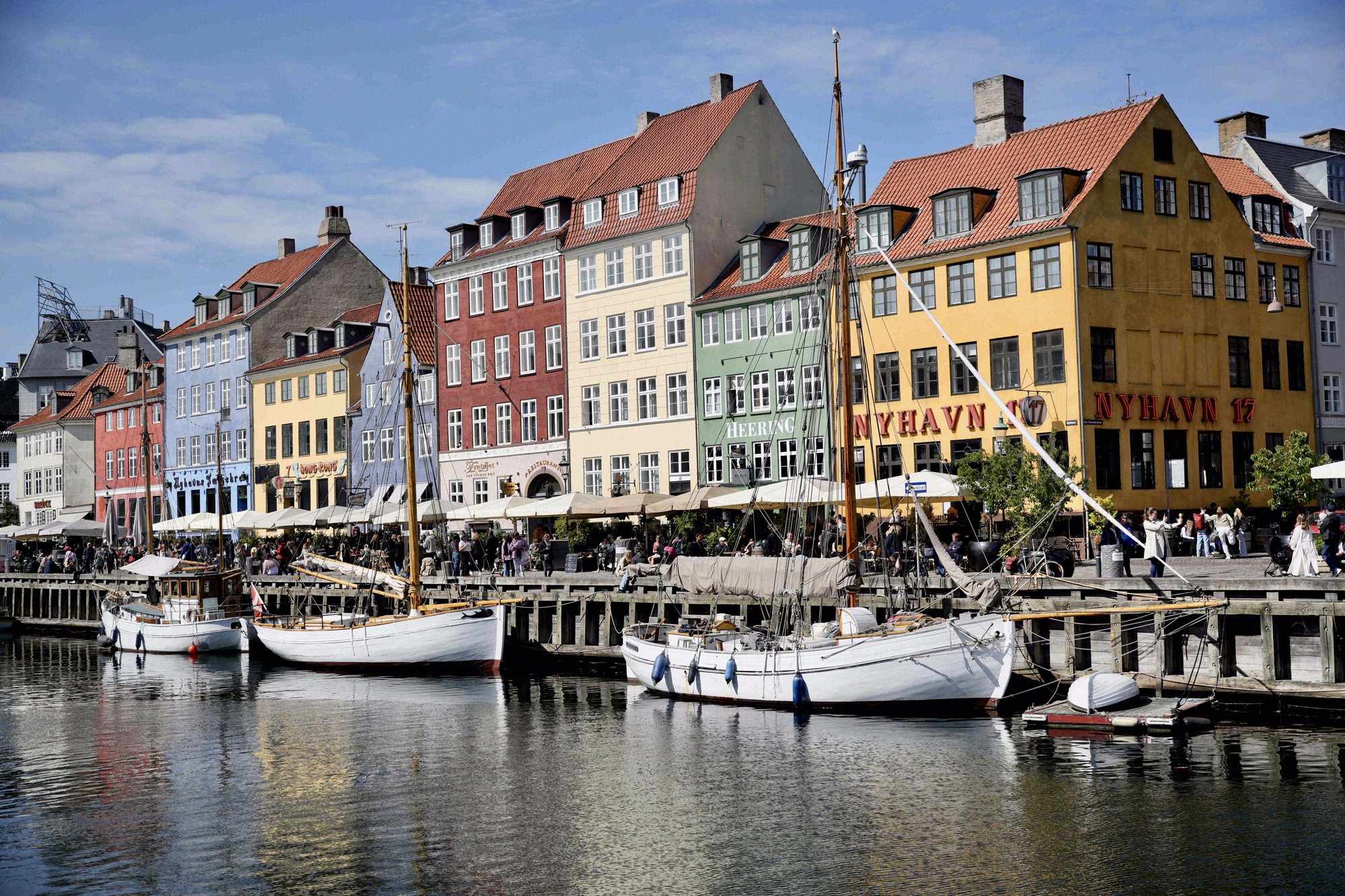
The canal dug in the early 1670s, with number 9 as the oldest house, three addresses of Hans Christian Andersen, the canal tour boats and the bridge to Christianshavn.
Kongens Nytorv
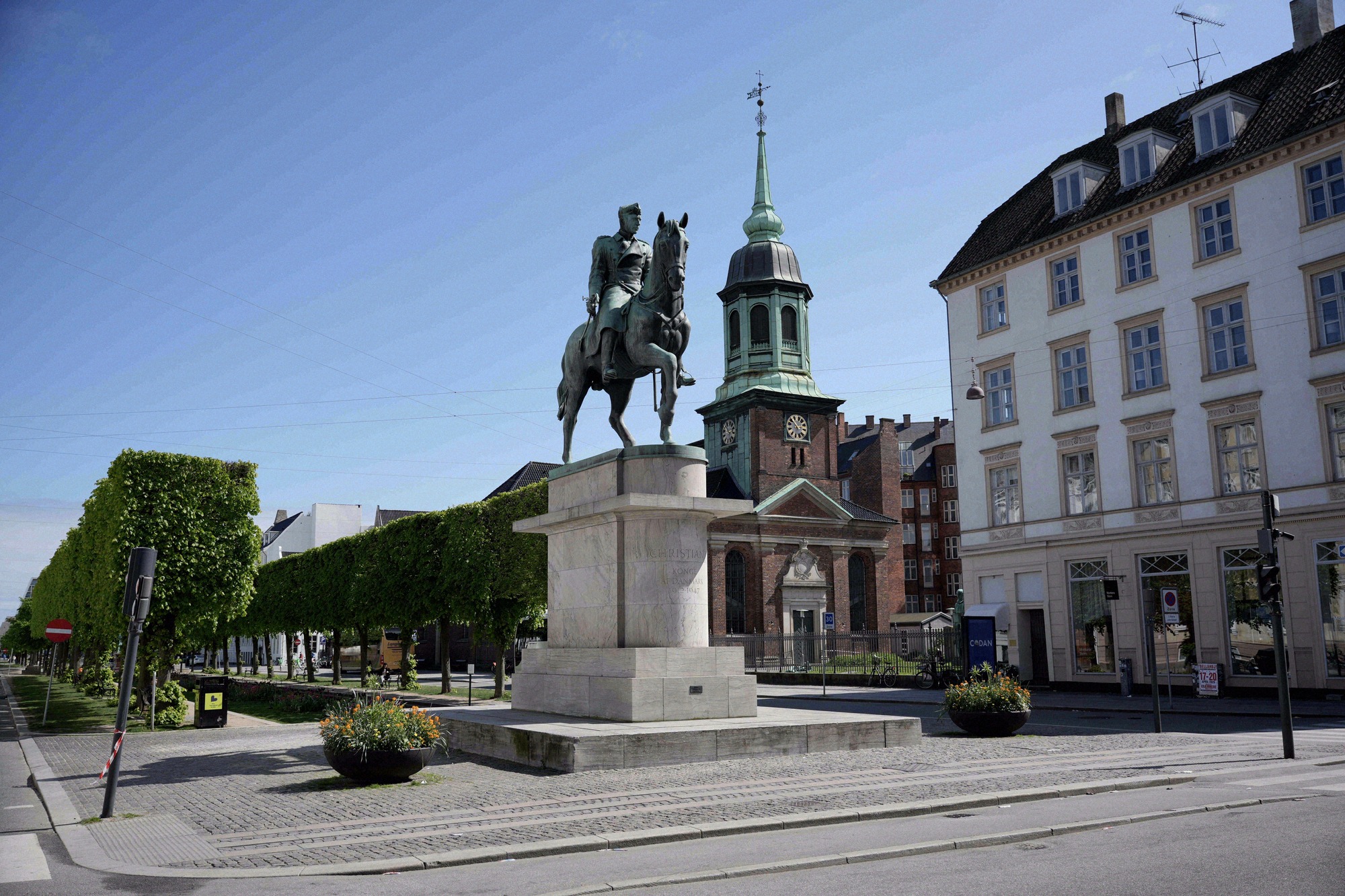
The square where Strøget ends and Nyhavn begins, with the statue of Christian V, the Royal Theatre, Hotel d'Angleterre, Magasin du Nord and a metro station beneath it.
Kongens Have
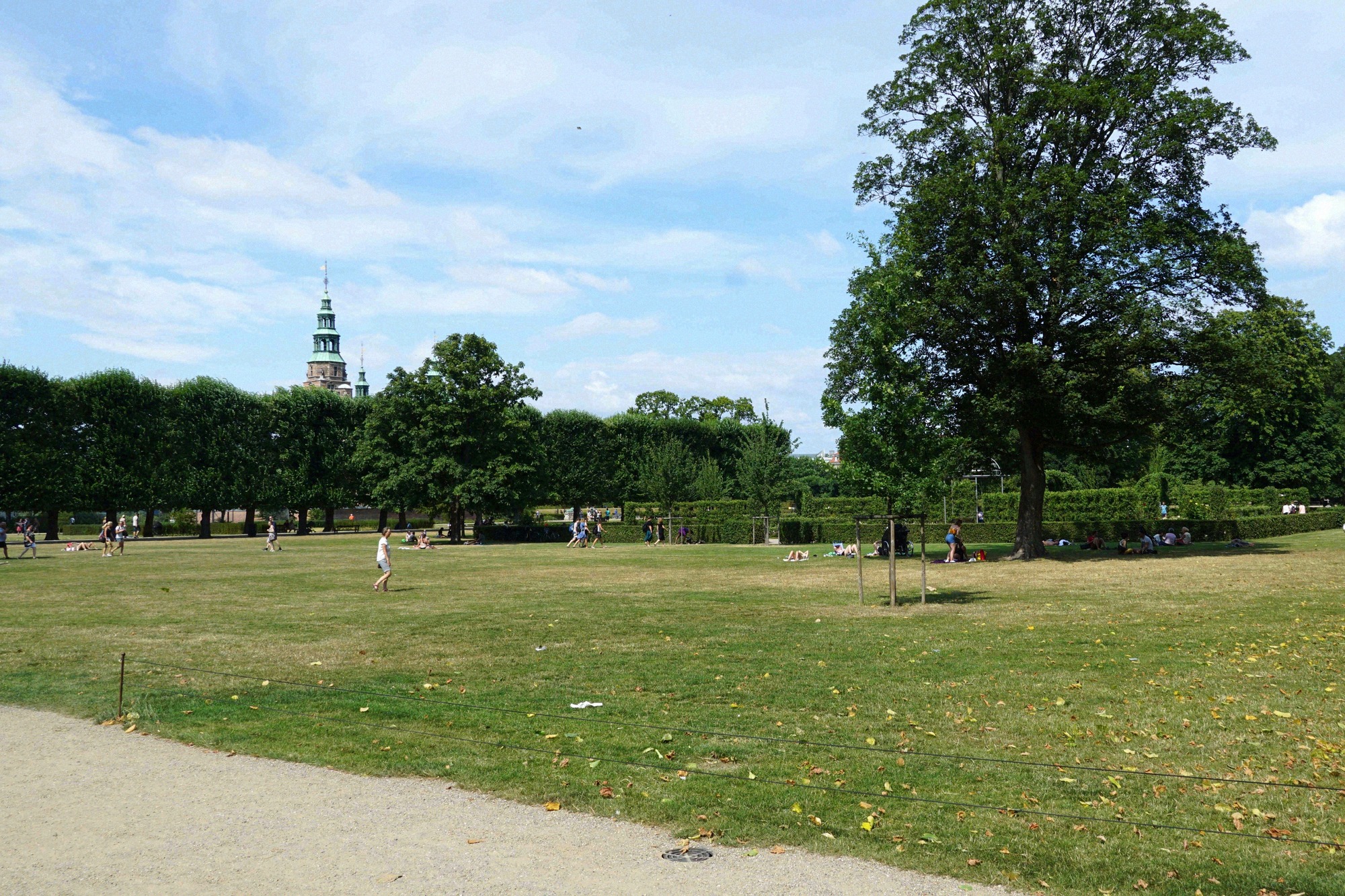
Kongens Have is a free public park around Rosenborg Castle, laid out from 1606 for Christian IV, with two diagonal lime avenues, the Krumspringet garden and statues from Andersen to Hørup.