
The Little Mermaid
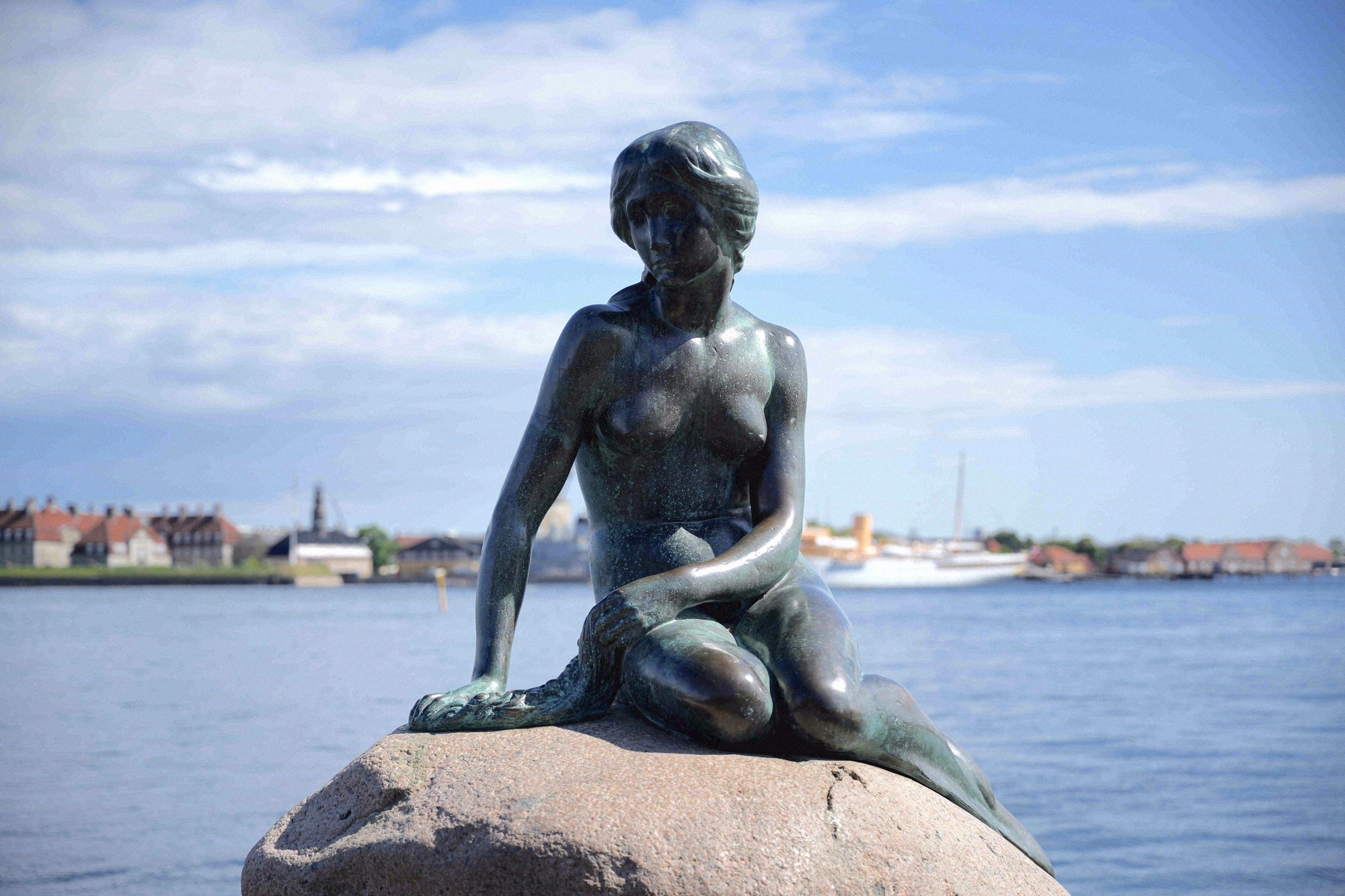
Bronze statue from 1913 on the Langelinie promenade
The bronze statue by Edvard Eriksen, unveiled in 1913, is 1.25 m high and has been damaged several times. The walk to it leads along the harbour promenade past Kastellet.
Contents
The statue is small: 1.25 m high, sitting on a rock in the water at Langelinie. If you arrive expecting a monument, you will be surprised, because what you come for is the walk. It is quietest before 9:00 and in winter. When the cruise season is on, there is often a ship at the Langelinie quay, and the statue gets crowded around midday and in the early afternoon, when the tour buses arrive.
Walking to the statue
From Østerport station you can cross the ramparts of Kastellet, a star fortress where the army still has its barracks. From Nyhavn the route follows the harbour past Amalienborg Palace and along the promenade. On the way stands the Gefion Fountain, which Anders Bundgaard made between 1897 and 1899. It shows the goddess Gefjon turning her sons into oxen so that she can plough Zealand out of Sweden.
The Langelinie promenade
Langelinie is about 1.8 km long and was laid out on the glacis of Kastellet. Anyone has been allowed to walk there since 1848, and the promenade was redesigned in 1894. Cruise ships moor at the quay, which is about 1 km long and 10 m deep. Along the way you pass the Langelinie Pavilion from 1902, rebuilt in 1958, the church of Sankt Albans Kirke from 1887 and a seafarers' memorial from 1928. You do not have to walk the whole promenade, because the statue sits roughly in the middle and faces the shore.
The commission and the unveiling in 1913
Around 1909/10, Carl Jacobsen, the son of the Carlsberg founder, saw a ballet based on Andersen's fairy tale of 1837 and ordered a figure. The sculptor Edvard Eriksen made it, and the bronze was unveiled on 23 August 1913.
Attacks and repairs
The statue has been attacked several times. In 1964 someone sawed off the head, and in 1984 an arm went missing and was returned two days later. In 1990 a deep cut was left in the neck. In 1998 the head was sawn off again, turned up anonymously and was fixed back on in February. In 2003 the figure was blown off its base with explosives. The head from 1964 was never found. There has also been paint and slogans, several times political ones, including in 2020 and 2023.
Copies and copyright
Eriksen's heirs approve replicas, and the copyright runs until 2030, so the Little Mermaid stands elsewhere too: in Solvang in California, in Kimballton in Iowa and in Forest Lawn Memorial Park. Anyone who wants the one on Langelinie has to come to Copenhagen. In 2006 Bjørn Nørgaard's installation "Det genmodificerede Paradis" stood beside the figure, and in 2023 the Supreme Court ruled on a parody of it, which shows how closely the heirs guard its image.
Frequently asked questions
Has the statue ever left Copenhagen? +
Why does the Little Mermaid have fins and sit on a rock in the water? +
Who was the model for the statue? +
Nearby
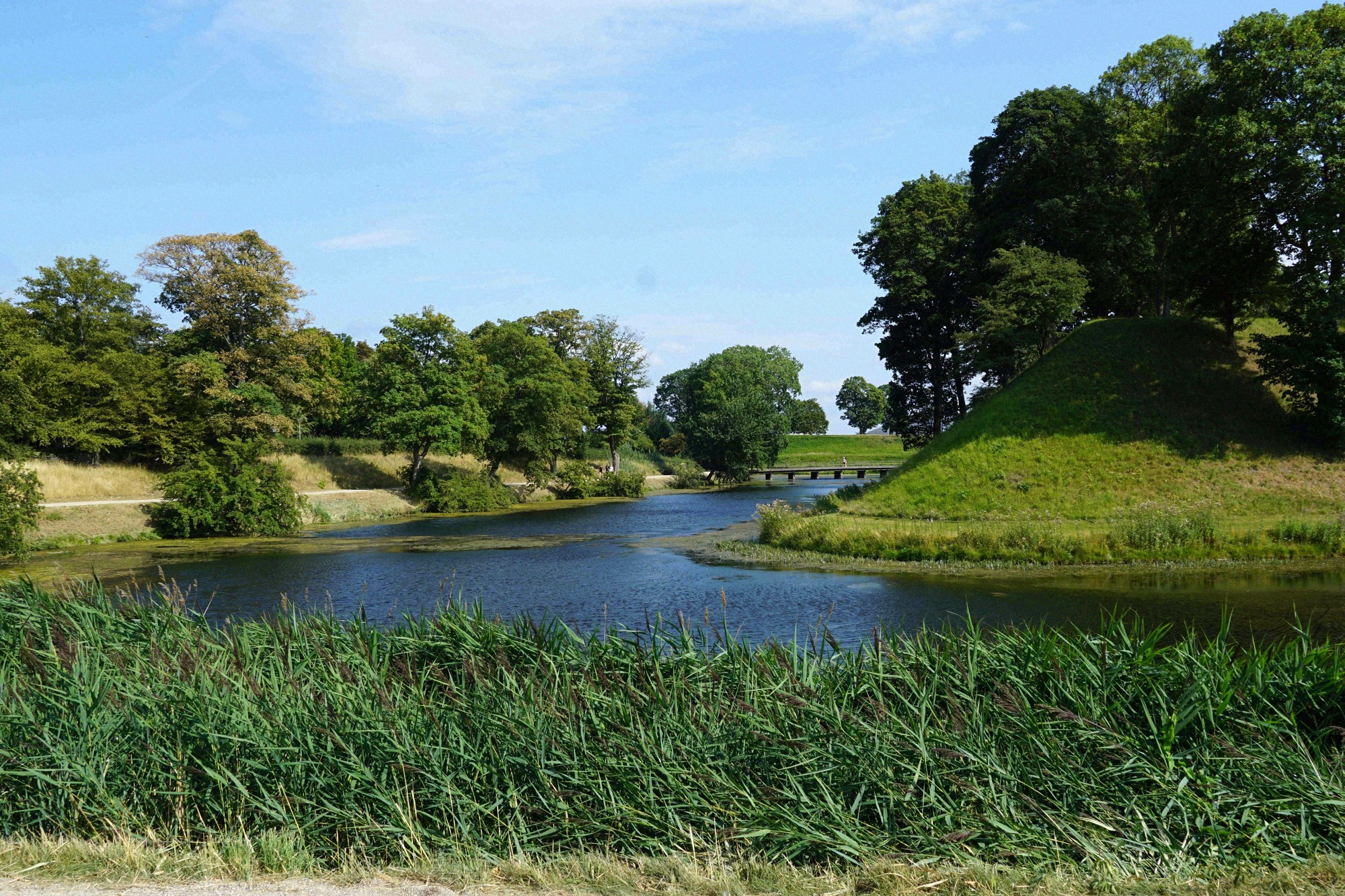
Kastellet
Free-to-enter star fortress north of Amalienborg, built from 1662 and occupied since 1664, with five bastions, a church and a windmill, and still an active barracks.
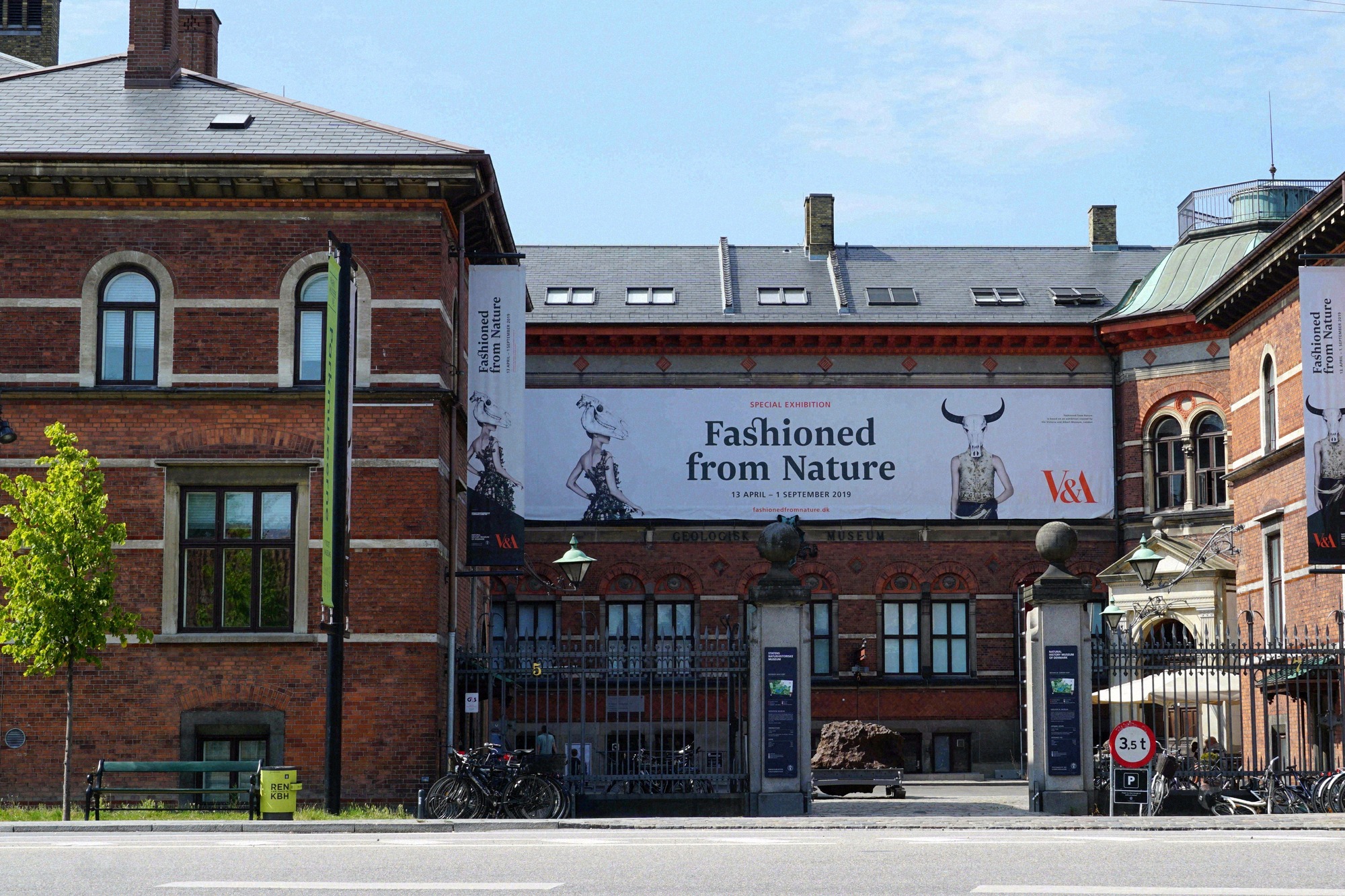
Designmuseum Danmark
A rococo hospital until 1910, now the museum of Danish design: a tunnel of 125 chairs, a garden and a café you can enter without a ticket.
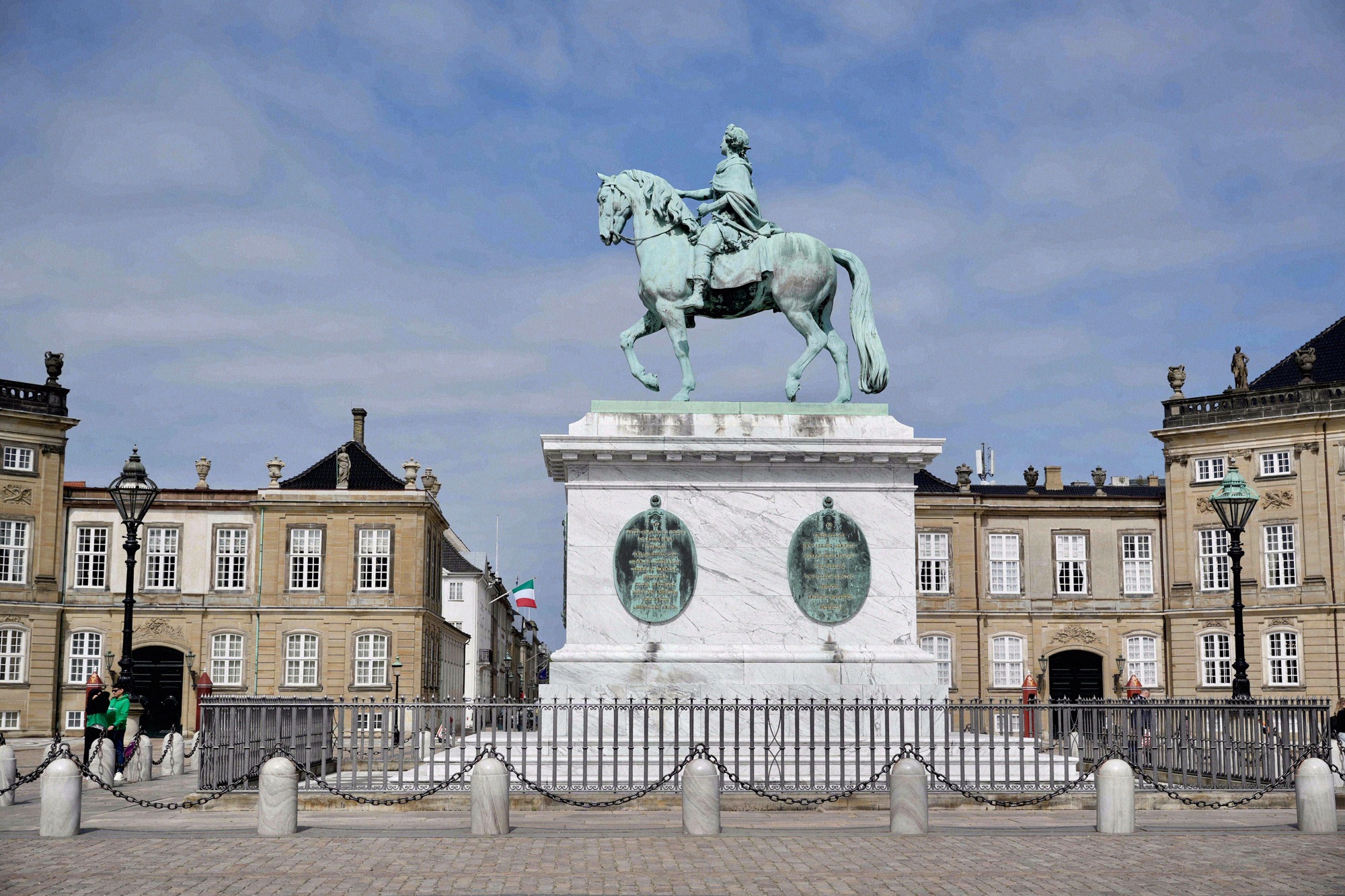
Amalienborg Palace
Amalienborg Palace is four palaces around an octagonal square. The Changing of the Guard on the square is free to watch, and the museum shows the studies of Danish kings and a Fabergé room.
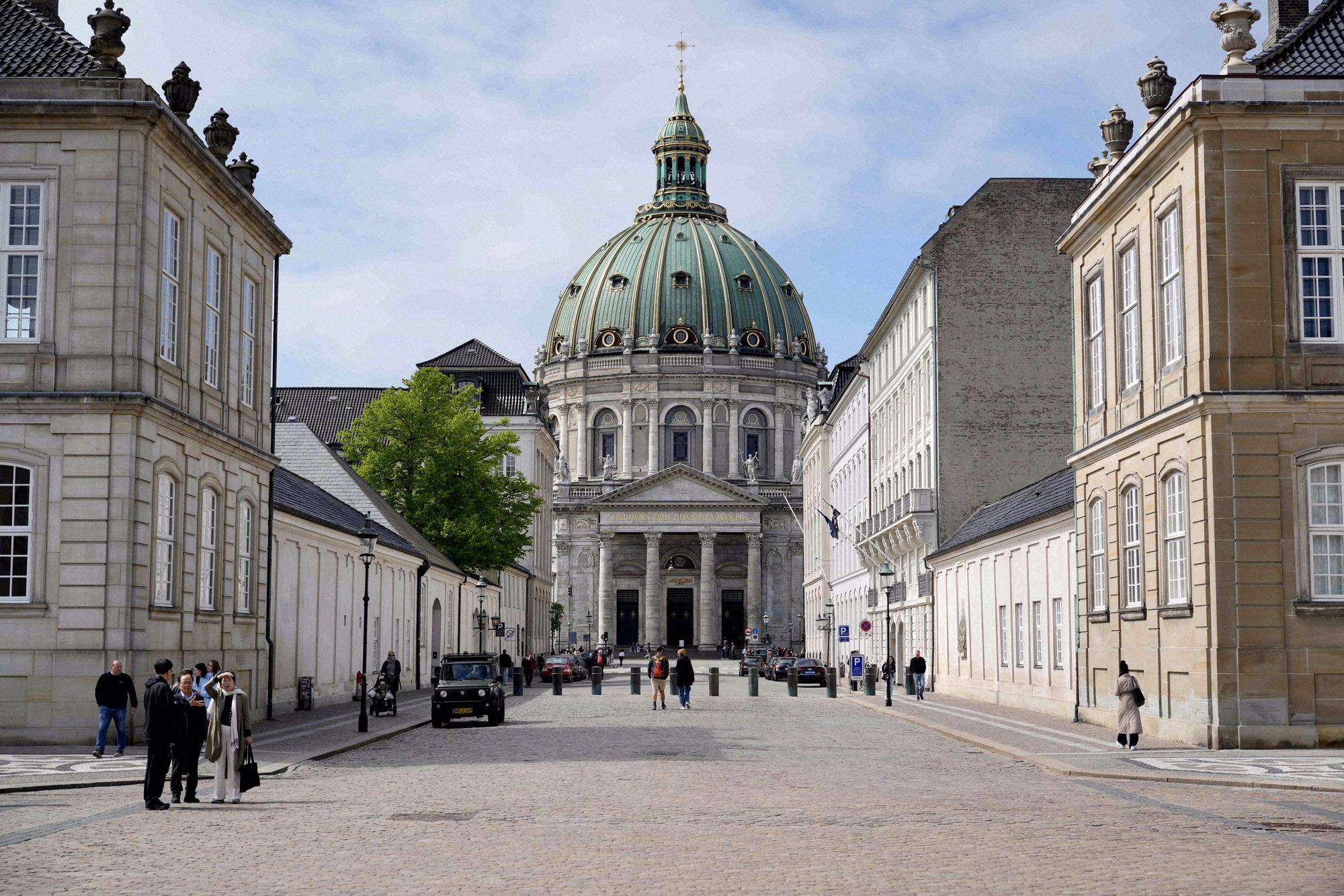
Marble Church (Marmorkirken)
The Marble Church (Marmorkirken), officially Frederik's Church, stands on Frederiksgade in line with Amalienborg Palace. The church is free, and the dome tour runs on Saturdays and Sundays at 13:30.
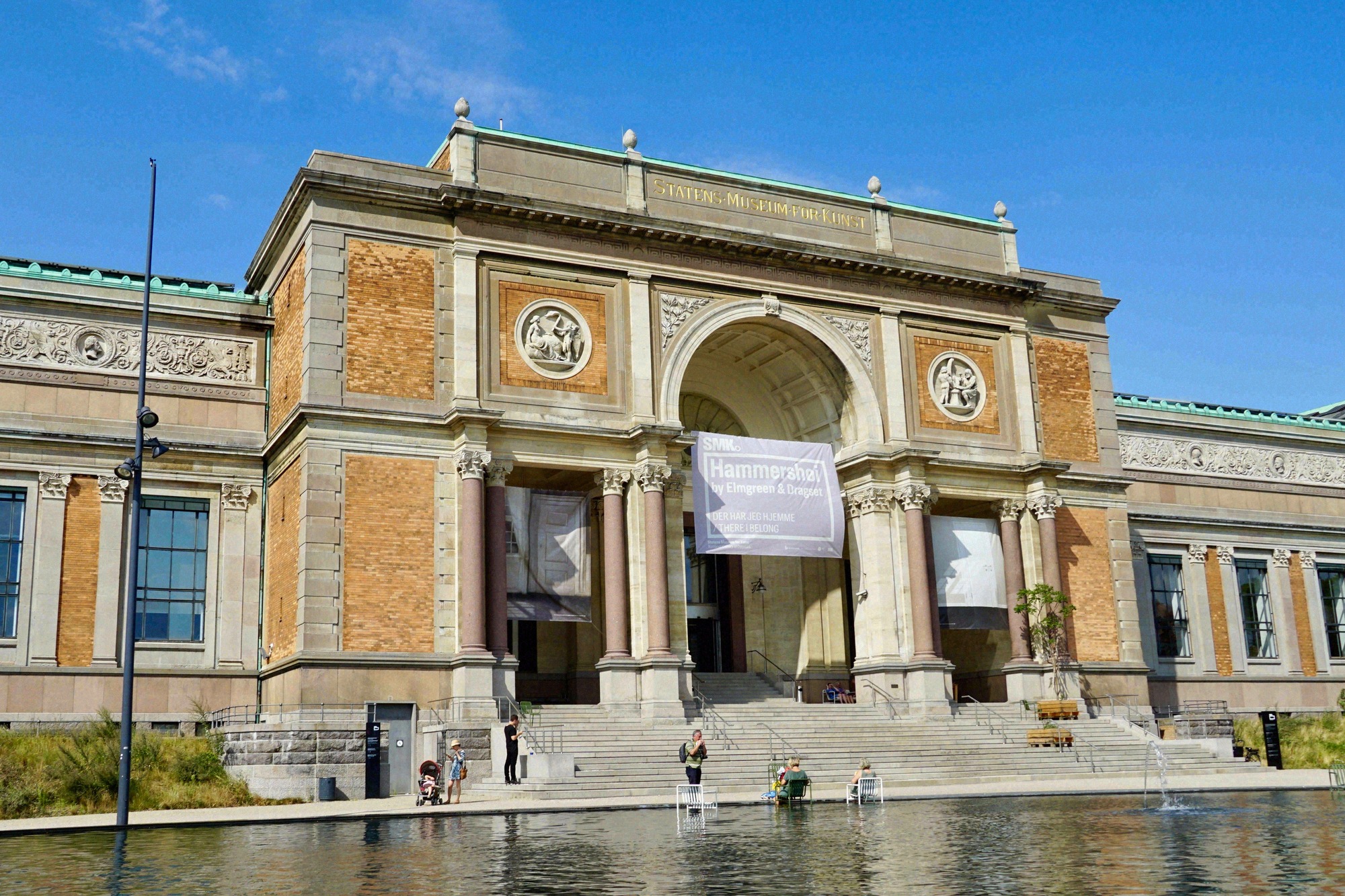
SMK - National Gallery of Denmark
SMK shows Danish art from 1750 to 1900 in 24 rooms, plus Matisse and art after 1900 in the white building. The Old Masters rooms are closed until autumn 2027.
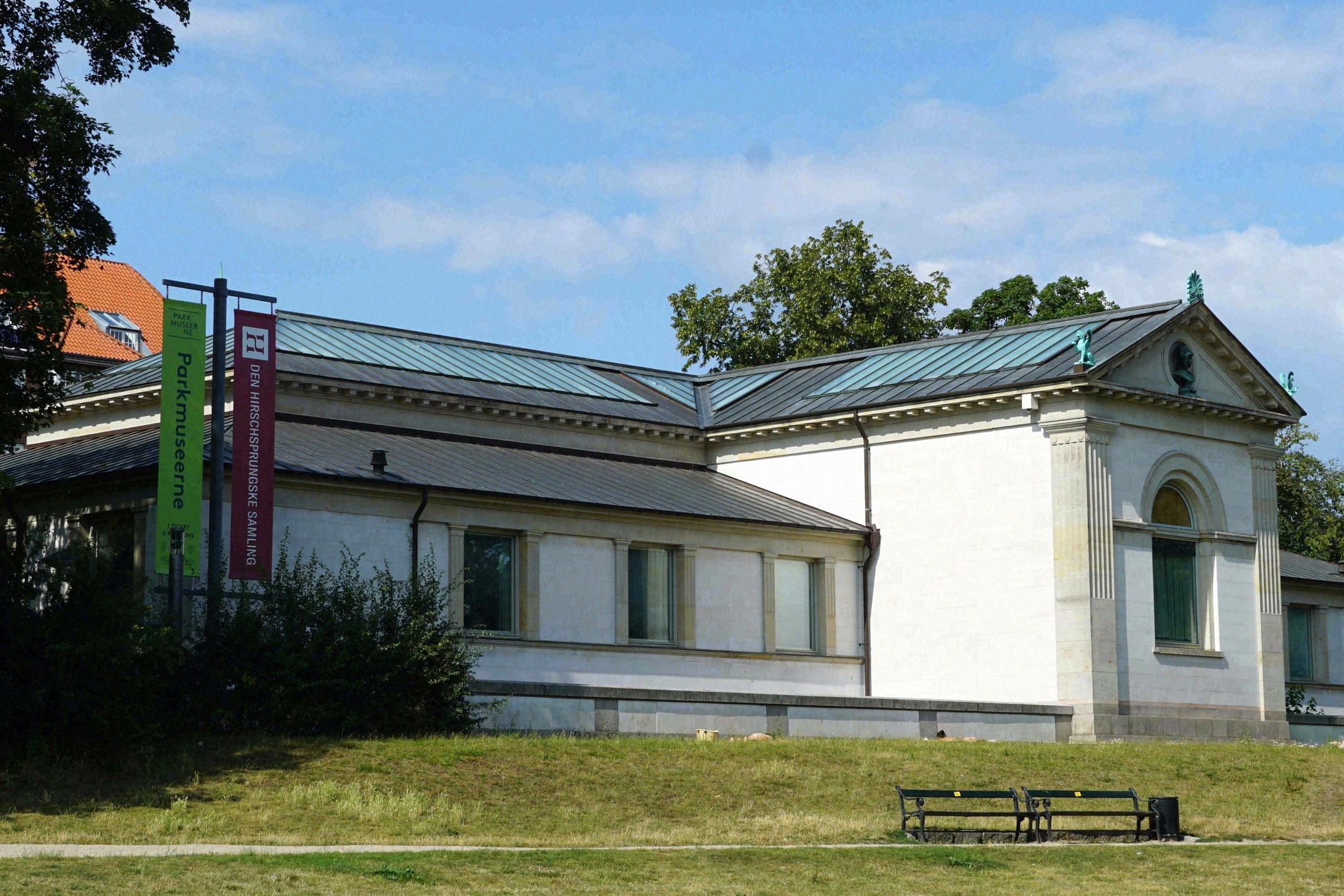
The Hirschsprung Collection
The tobacconist Heinrich Hirschsprung gave the state his Danish paintings. The museum of 1911 shows Krøyer, Anna and Michael Ancher and Hammershøi.