
Designmuseum Danmark
Danish Design in Frederiksstaden
From early craft to the chair gallery of Wegner and Jacobsen designs, the collection in this rococo building traces the story of Danish design.
Contents
What to expect
Designmuseum Danmark is the place to understand why "Danish design" is a byword around the world. The collection spans the arc from late-medieval European craft right through to the present: furniture, lighting, industrial design, fashion and textiles, ceramics and glass. There's also an extensive Asian collection, including around 3,000 ceramic pieces from 1700-1880, plus Scandinavia's largest design library.
At the heart of it all is the chair gallery: an entire wall of iconic 20th-century Danish chairs. Here you'll find Hans J. Wegner's "The Chair", Arne Jacobsen's "Egg" and "Swan", Verner Panton's plastic chair and many more, a compact journey through modern design history. Anyone with an interest in Scandinavian design should budget at least half an hour for this room alone.
History and building
The museum was founded in 1890 and opened in 1895. Since 1926 it has occupied the former Royal Frederik's Hospital, a rococo building erected between 1752 and 1757 by Nicolai Eigtved and Lauritz de Thurah. The long hospital wings and their vaulted ceilings give the collection an unusually calm, almost monastic setting. At the centre is a leafy courtyard with a café, a pleasant place to linger on a fine day.
Temporary exhibitions
Alongside the permanent collection, the museum regularly hosts temporary exhibitions on fashion, graphics and design. Planned for 2026 are a show on textile and fashion artist Nikoline Liv Andersen and "Japan Modern Poster" on Japanese graphic design, among others. The exact programme changes, so it's worth checking the official website before you visit.
Visiting and practical tips
The Designmuseum is on Bredgade 68 in Frederiksstaden. The nearest metro station is Marmorkirken on the M3 (Cityringen), just a short walk away. If you're arriving by bus, use a journey planner, no specific route numbers are listed.
- Duration: Allow 1.5 to 2 hours for the collection and a café stop.
- Best time: Mornings are quieter; on Thursdays the museum stays open until 20:00, making it a good evening option.
- Tickets: There are no compulsory time slots or notable queues, tickets are available online via the museum website or at the box office. Entry is free with the Copenhagen Card.
The museum pairs well with a walk to the nearby Amalienborg Palace and the Marble Church, both just a few steps away. If you're planning a full museum day, combine it with the National Museum of Denmark or the Ny Carlsberg Glyptotek. For more venues and tips, see our overview of Copenhagen's attractions.
Frequently asked questions
What's the highlight at Designmuseum Danmark? +
How much does it cost to visit the Designmuseum? +
What are the Designmuseum's opening hours? +
Where is the Designmuseum located? +
Nearby
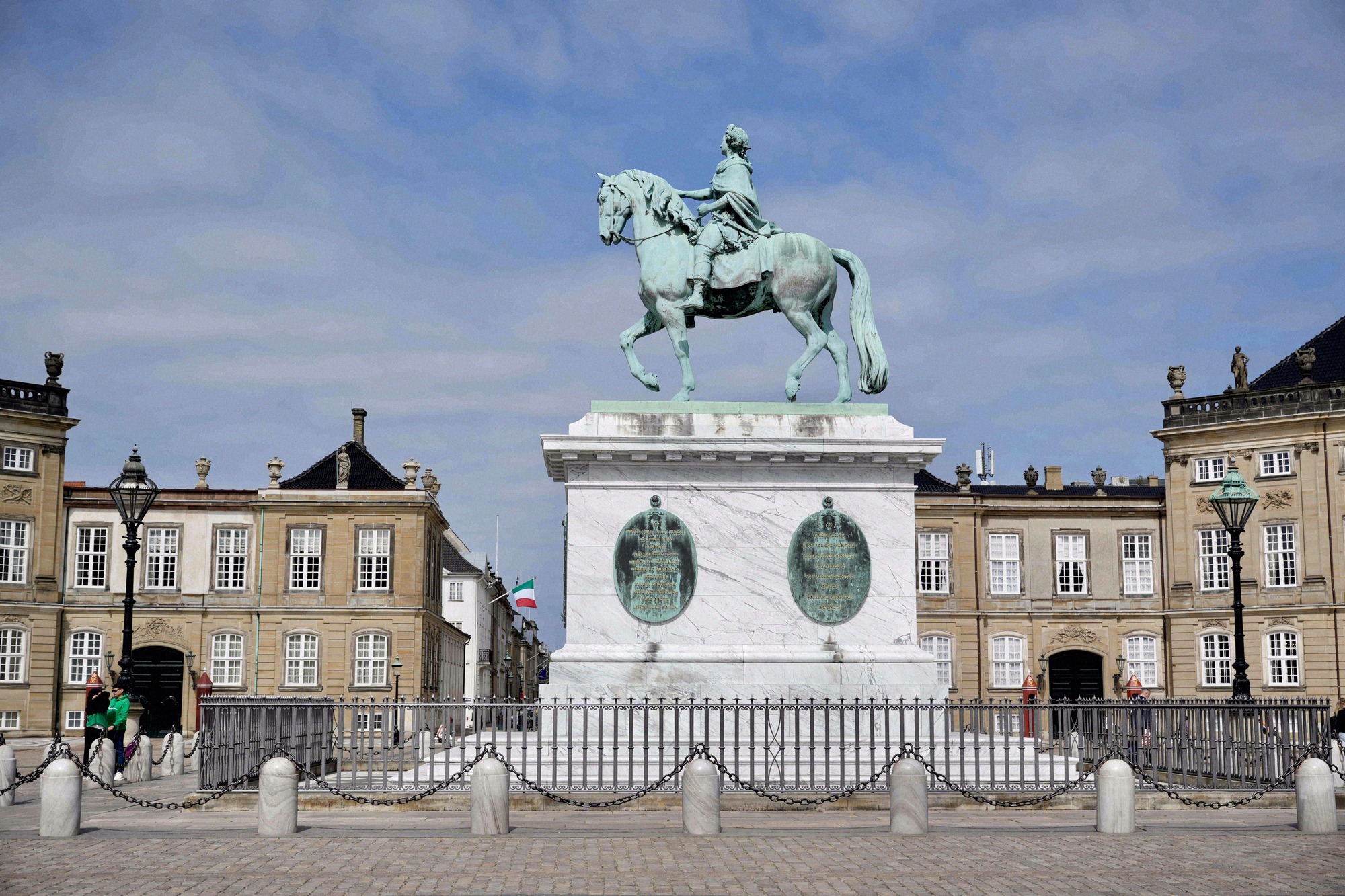
Amalienborg Palace
Amalienborg Slot, Denmark's royal residence since 1794, groups four rococo palaces around an octagonal square. Every day at 12:00 the bearskin-capped guards march in for the changing of the guard.
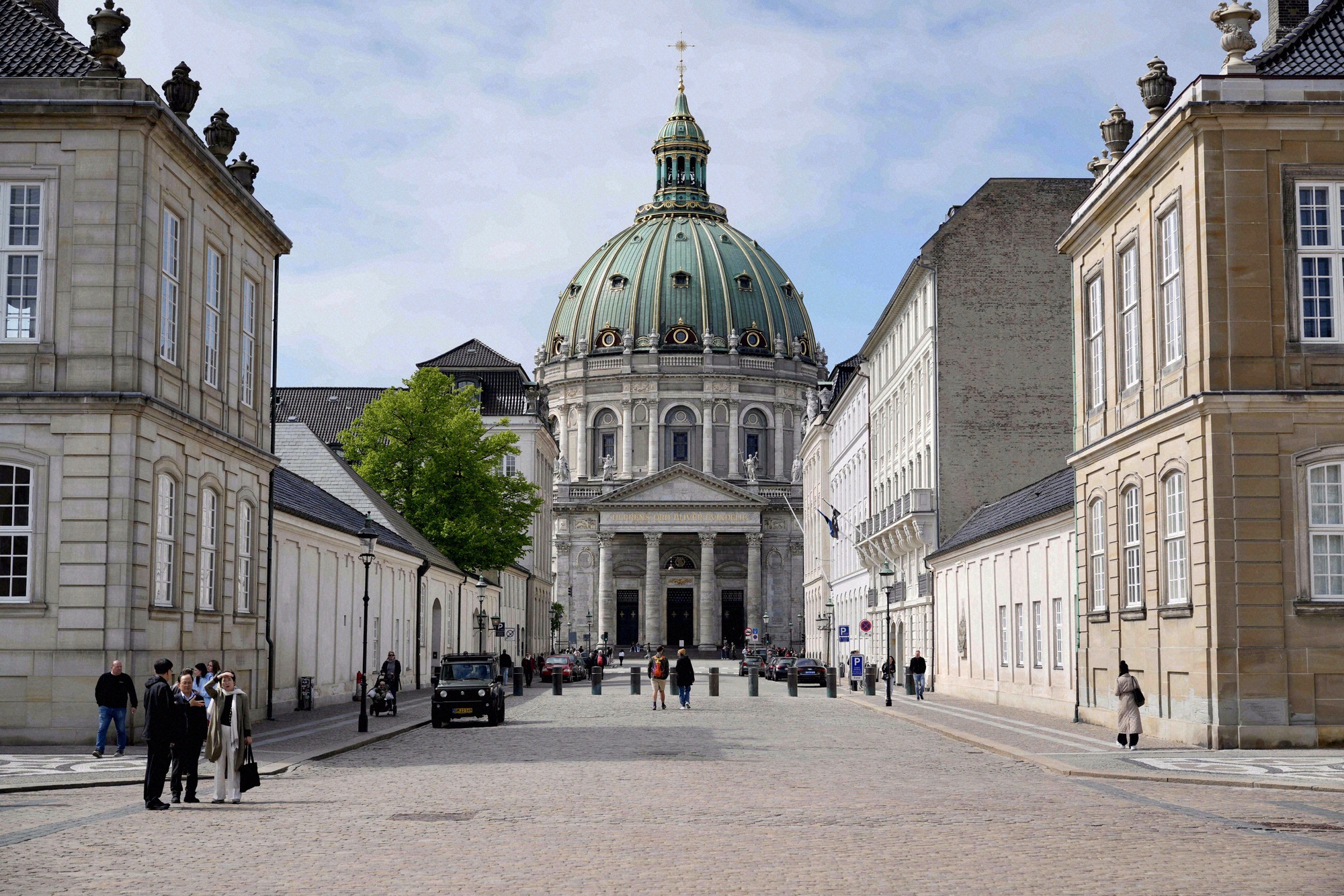
Marble Church
Frederik's Church, crowned by Scandinavia's largest church dome, stands on the sightline from Amalienborg. Free entry inside, with dome climbs at weekends.
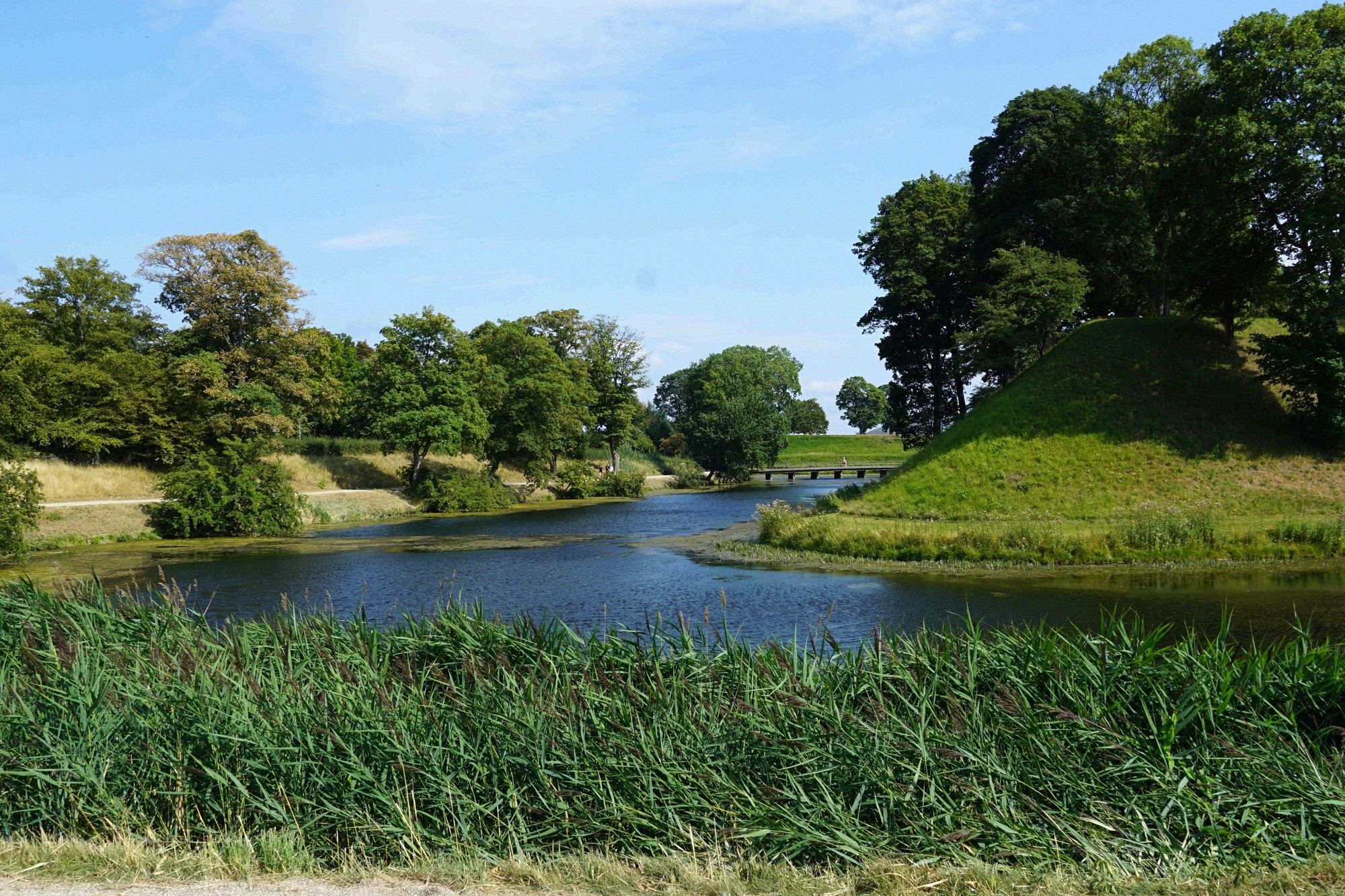
Kastellet
One of Northern Europe's best-preserved star fortresses, five-pointed ramparts, water-filled moats, red barracks and a windmill. Free public park and active barracks in one.
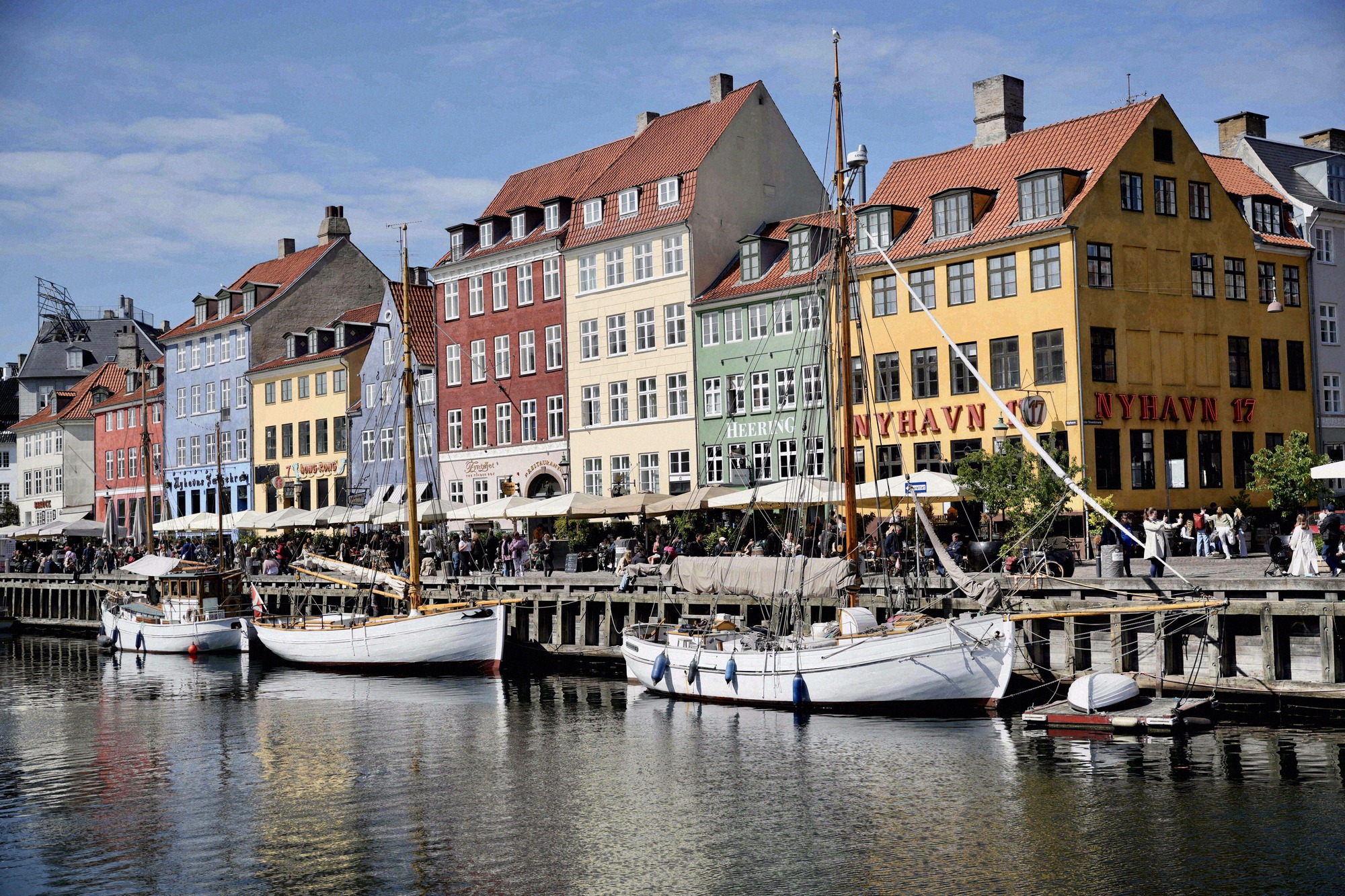
Nyhavn
Nyhavn, the "New Harbour" from 1670, is Copenhagen's most famous postcard view, a row of colourful houses along the canal, once a sailors' quarter, now a promenade of boats, bars and canal tours.
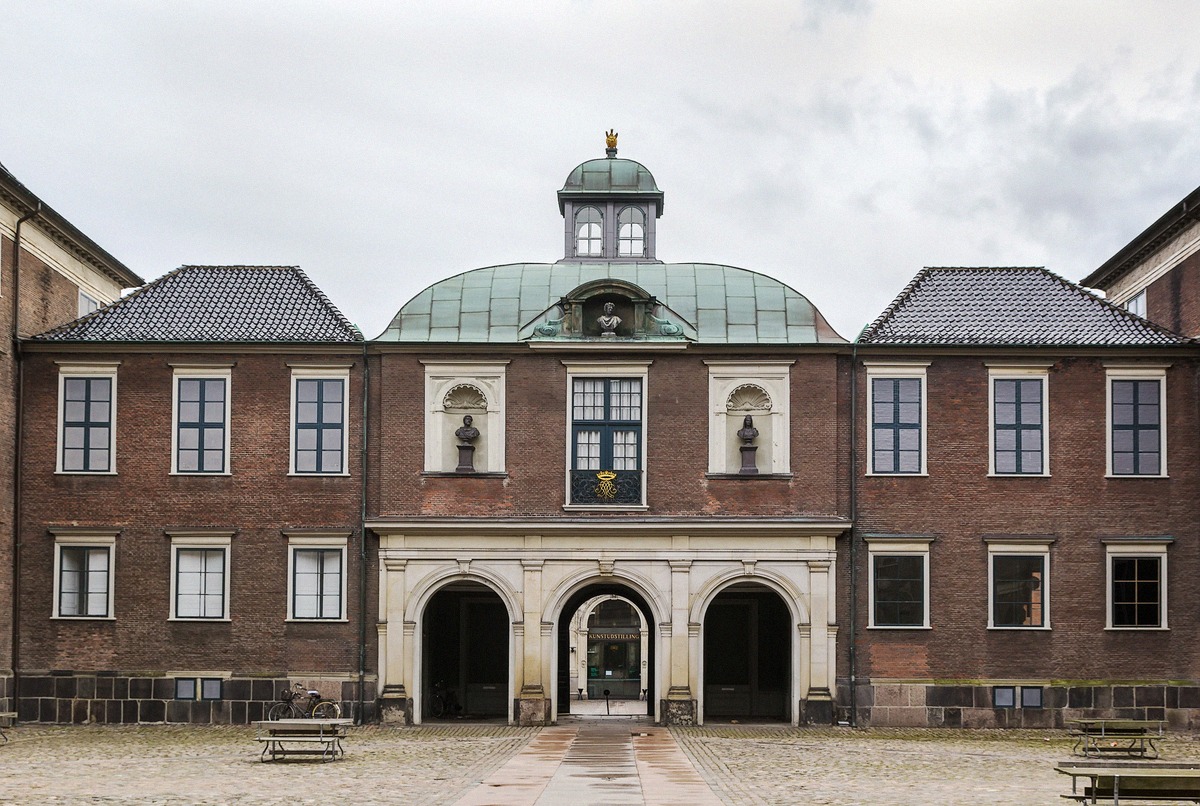
Charlottenborg Palace
Charlottenborg Palace on Kongens Nytorv houses Kunsthal Charlottenborg, a major contemporary art hall in the Baroque Royal Danish Academy of Fine Arts.
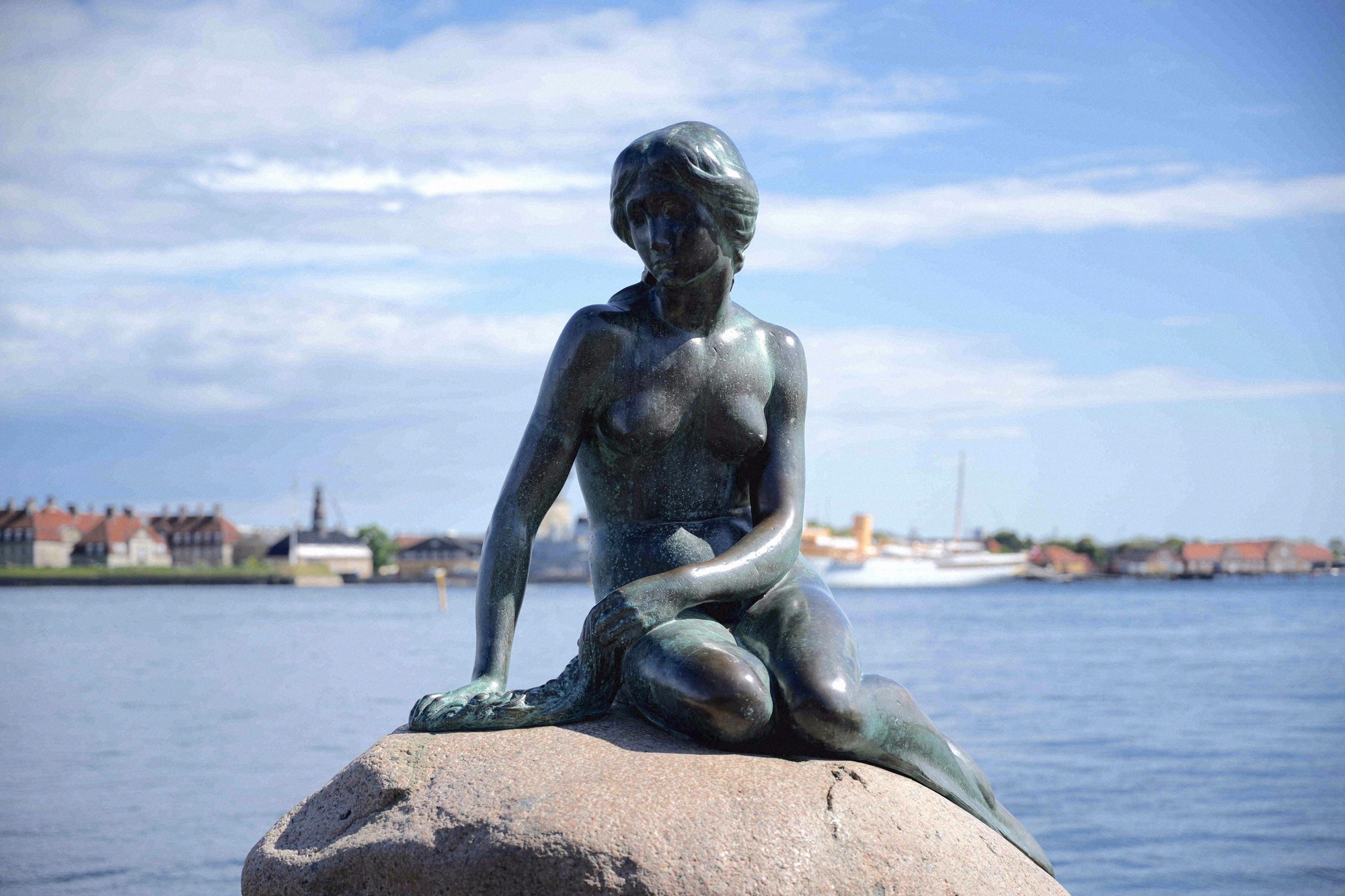
The Little Mermaid
Den lille Havfrue, Edvard Eriksen's bronze figure inspired by Andersen's fairy tale, has sat on the Langelinie quay since 1913 as Copenhagen's world-famous landmark.