
Freetown Christiania
Copenhagen's free town
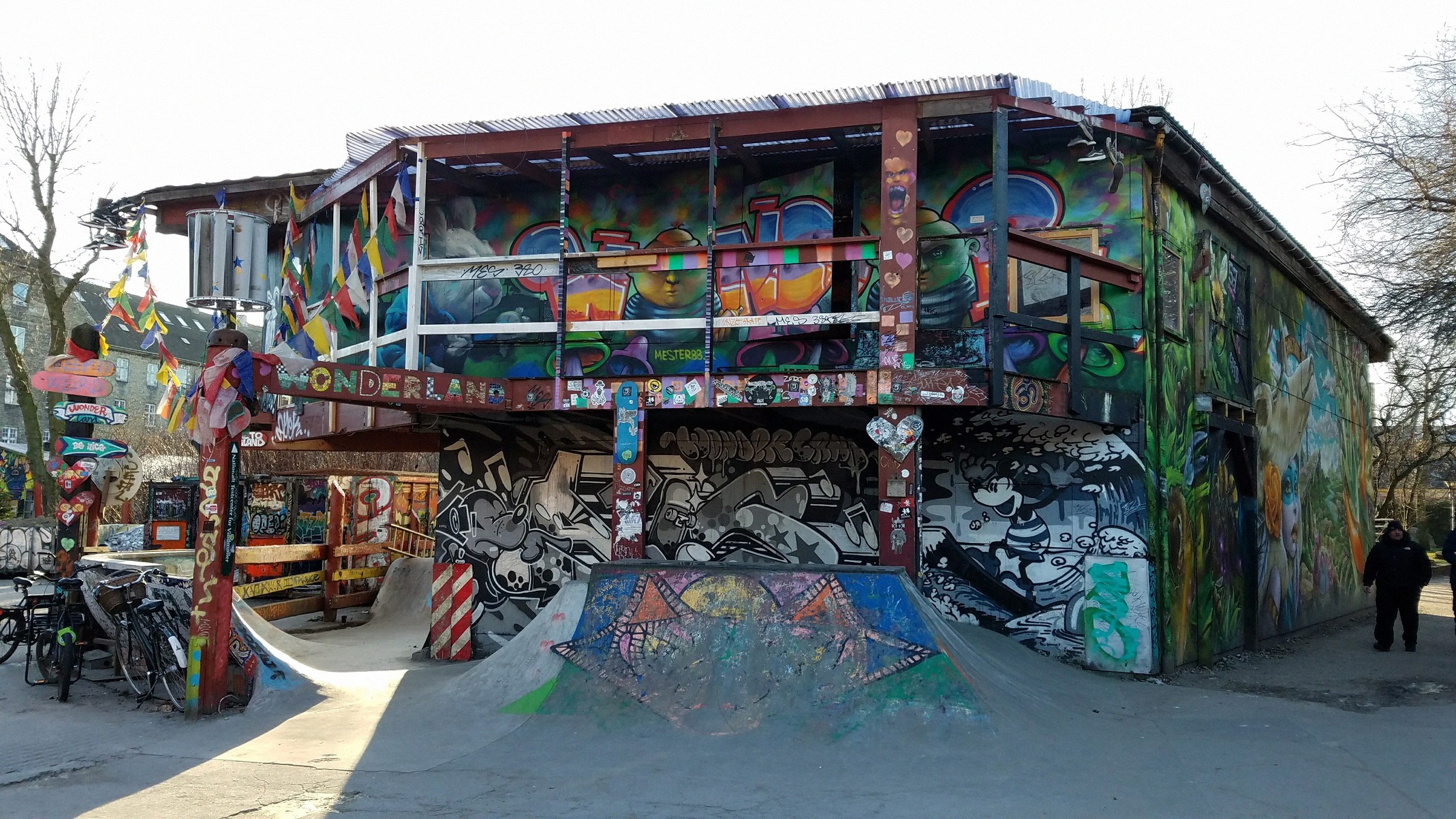
The autonomous free town in Christianshavn has been a self-governed neighbourhood since 1971, with colourful houses, workshops, cafés and the live music venue Loppen.
Contents
A free town since 1971
Christiania began in 1971, when activists occupied a disused barracks site in the Christianshavn district and declared it a "free town". A self-governed community of roughly a thousand people still lives here today, following its own rules and largely without private cars. Christiania doesn't publish an official population figure; estimates usually range from 850 to 1,000 residents. Its relationship with the Danish state has often been fraught over the decades.
Christiania isn't a theme park, it's someone's home. Keep that in mind, and you'll find one of Copenhagen's most unusual and relaxed corners: a green, creative neighbourhood of self-built, imaginative waterside houses, workshops and galleries.
What changed in 2024
The most significant recent development: on 6 April 2024, residents themselves dismantled the notorious Pusher Street. After fatal shootings and pressure from the government, the open cannabis trade came to an end and the old cobblestones were dug up. Since then the neighbourhood has felt noticeably calmer; police still patrol, but everyday life feels more relaxed.
That has practical consequences for visitors:
- The old blanket photo ban on Pusher Street is a thing of the past, photography is allowed in most areas today.
- Buying cannabis is and remains illegal; the old open-air trading scene no longer exists.
- By day, Christiania presents itself as a peaceful, lively residential neighbourhood.
What to expect
Beyond the clichés, the real appeal is the walk itself: colourful houses along the canals, the ramparts and lakes ringing the site, and an easy mix of art, cafés and music. A few addresses that come up again and again:
- Loppen, the live music venue running since 1973 (capacity around 400), at Sydområdet 4b; programme at loppen.dk
- Nemoland, bar, food and music with an outdoor stage and free summer concerts
- Café Månefiskeren and Grønsagen, quiet cafés for a break
- Christiania Bryghus, the neighbourhood's own brewery
- Den Grå Hal, the large event hall, home to an alternative Christmas market in December
Older sources also mention the vegetarian Morgenstedet and Spiseloppen; check their current opening hours on site, as they weren't consistently listed in 2026.
House rules
Christiania asks visitors to be considerate. The key points:
- Respect residents, the community and nature, don't peer into windows
- walk, don't cycle fast; follow the signposted guidance and keep the area clean
- park outside the area only, the neighbourhood is pedestrian- and cycle-oriented
- ask before taking close-up photos of people or private houses, and respect no-photo zones
- no buying cannabis, it's illegal
Getting there and practical tips
The main entrance (Hovedindgang) is on Prinsessegade, about 200 metres northeast of the junction with Bådsmandsstræde. Here's how to get there:
- Metro: to Christianshavn, then about a 6-minute (500 m) walk along Prinsessegade
- Bus 9A: stops right at the main entrance, running from the Central Station and Vesterport (roughly every 10 minutes)
- On foot: from the city centre via Knippelsbro; from Nyhavn it's about 15 minutes
Allow one to two hours for the site itself. It's liveliest on a sunny afternoon or at the weekend, when music plays and market stalls open. A visit pairs well with the nearby Church of Our Saviour (Vor Frelsers Kirke) and its tower, both are just a few minutes' walk away in Christianshavn.
Frequently asked questions
Is photography allowed in Christiania? +
Is it safe to visit Christiania? +
How do you get to Christiania? +
Can you still buy cannabis in Christiania? +
Nearby
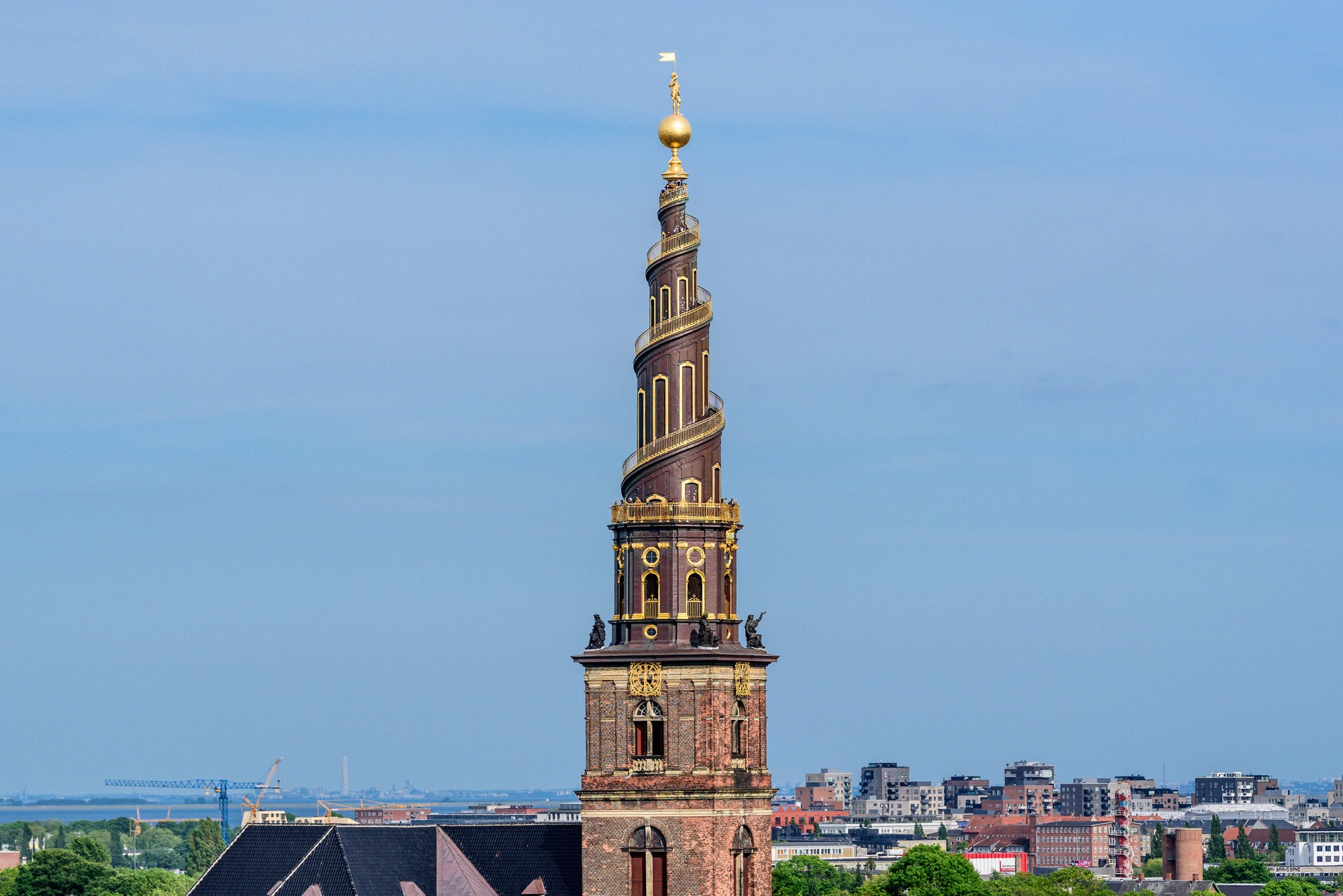
Church of Our Saviour
Vor Frelsers Kirke in Christianshavn is a baroque church with a golden spire and an external spiral staircase. 400 steps lead up to a viewing platform 90 metres above the city.
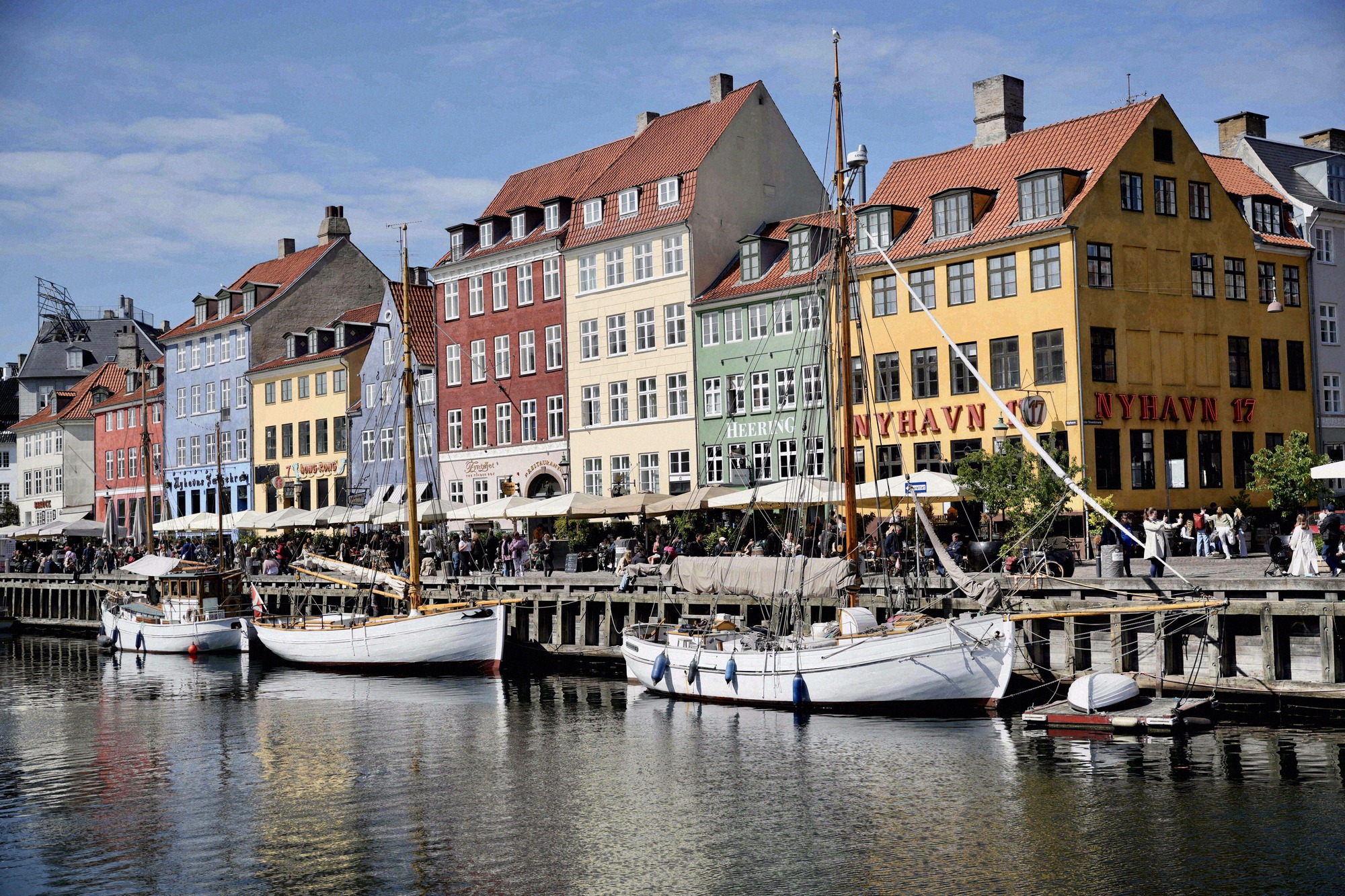
Nyhavn
Nyhavn, the "New Harbour" from 1670, is Copenhagen's most famous postcard view, a row of colourful houses along the canal, once a sailors' quarter, now a promenade of boats, bars and canal tours.
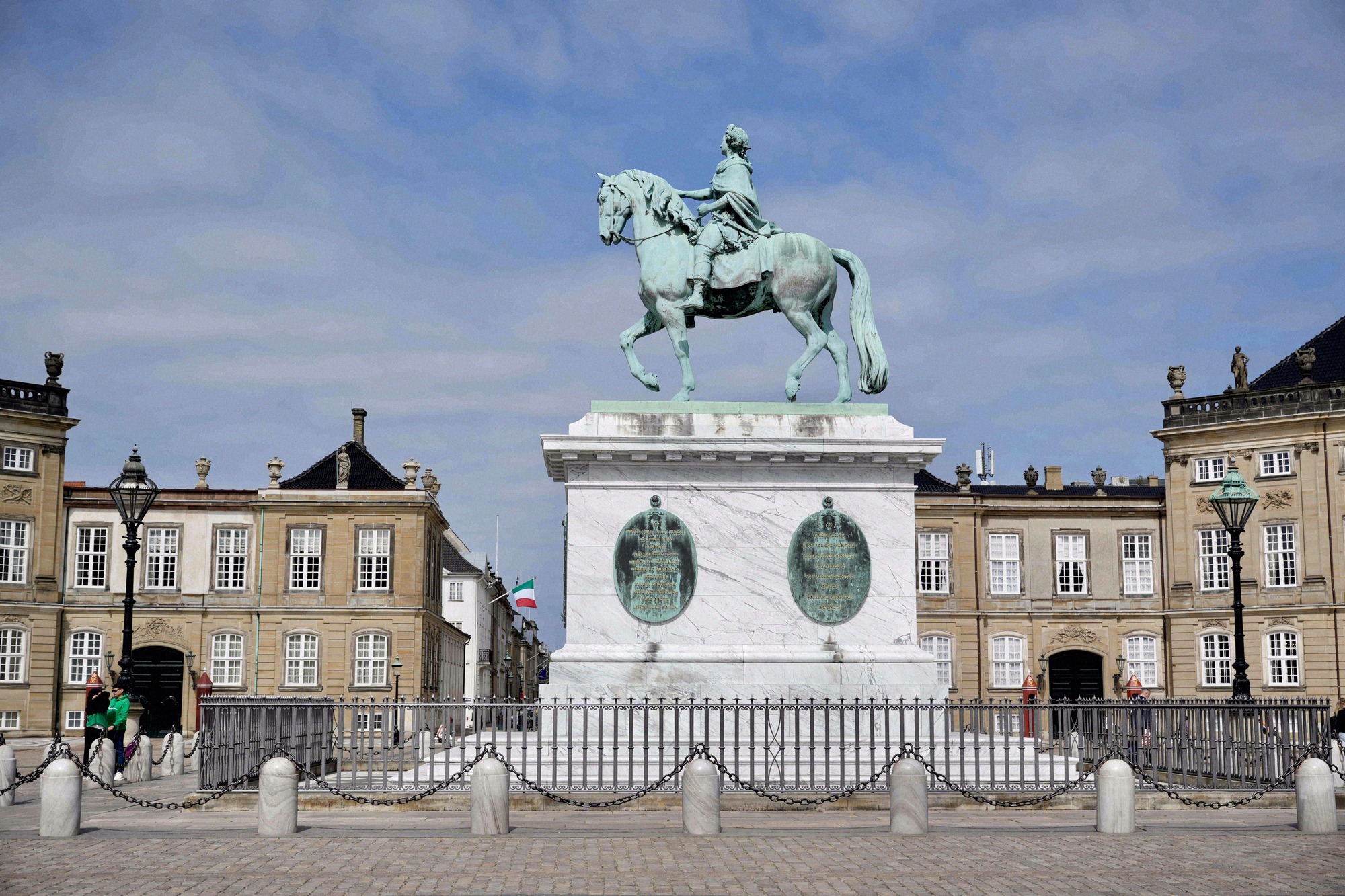
Amalienborg Palace
Amalienborg Slot, Denmark's royal residence since 1794, groups four rococo palaces around an octagonal square. Every day at 12:00 the bearskin-capped guards march in for the changing of the guard.
Charlottenborg Palace
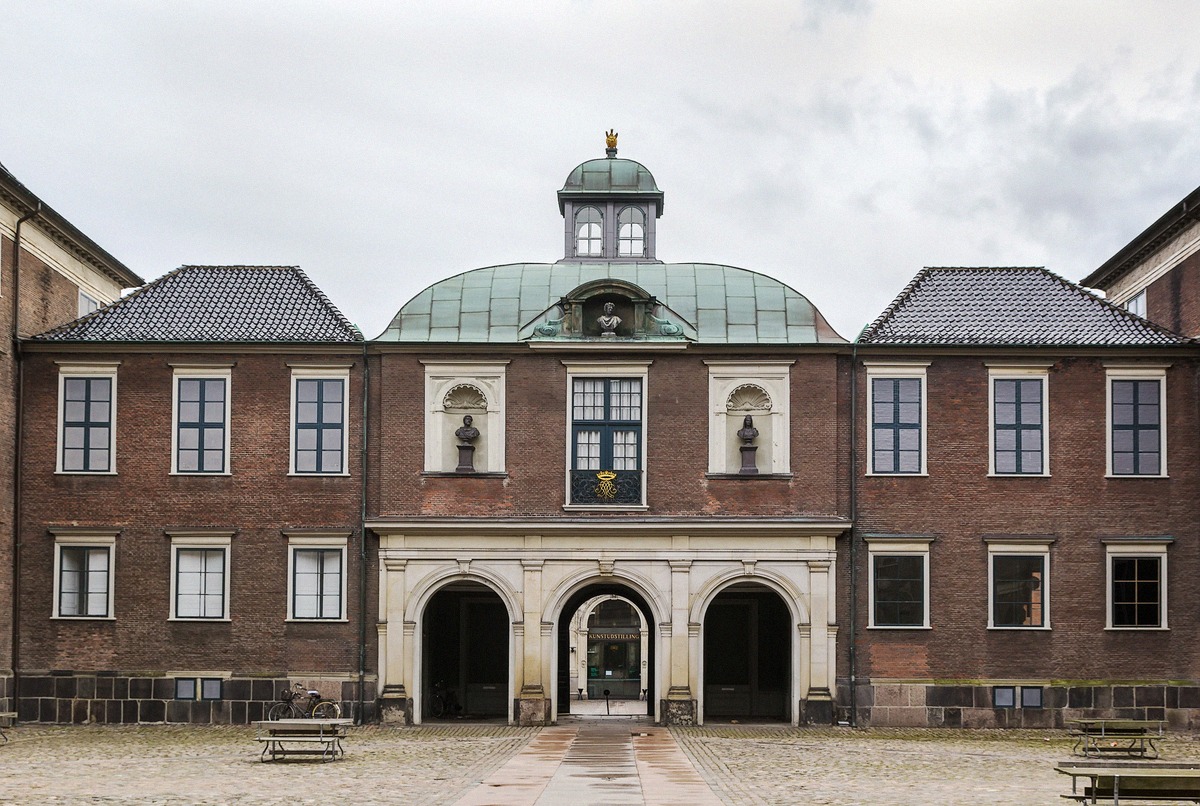
Charlottenborg Palace on Kongens Nytorv houses Kunsthal Charlottenborg, a major contemporary art hall in the Baroque Royal Danish Academy of Fine Arts.
Kongens Nytorv
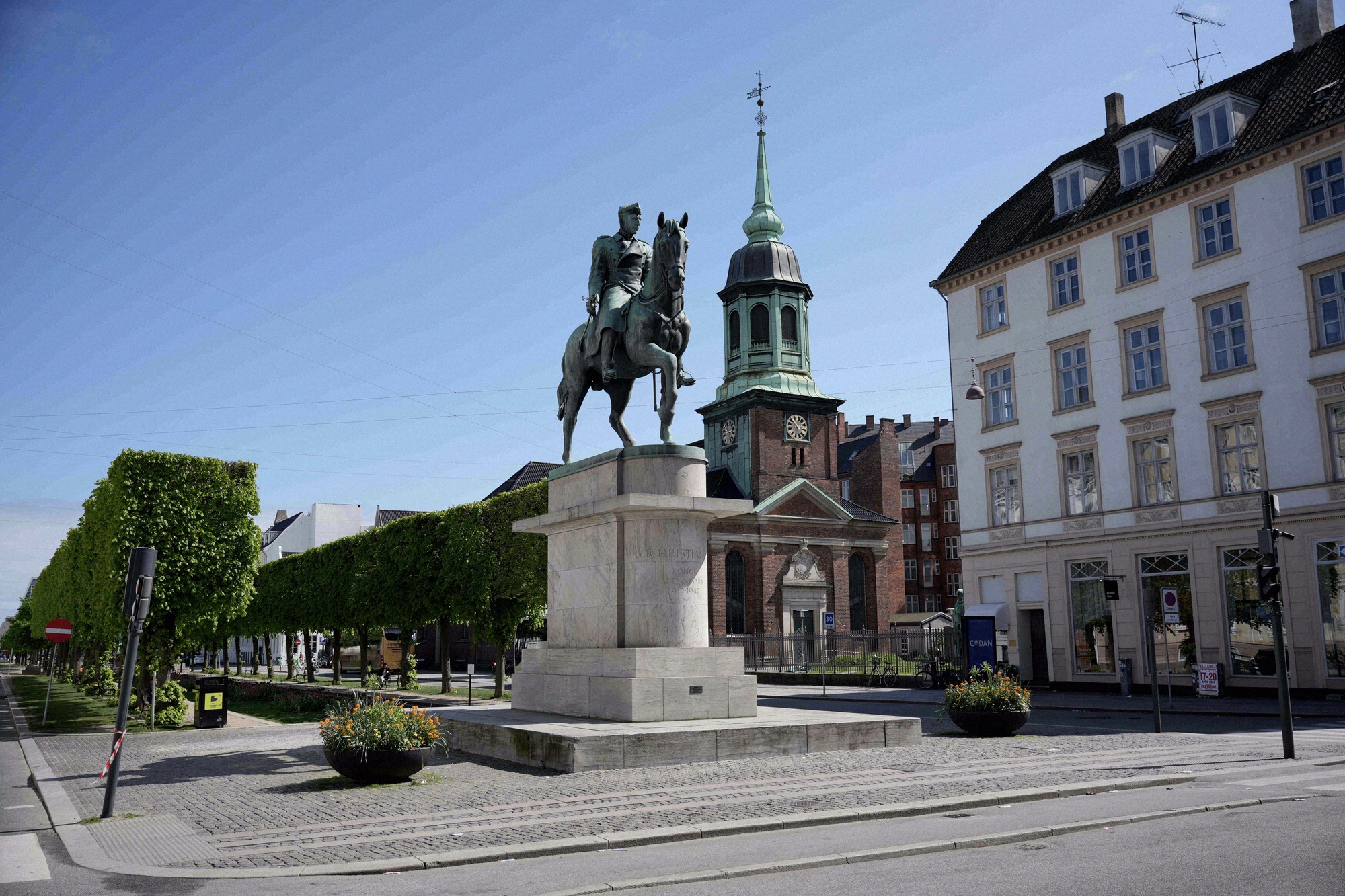
Copenhagen's largest square, with an equestrian statue, the Royal Theatre, Charlottenborg and Magasin du Nord, open around the clock, with an ice rink and Christmas market in winter.
Designmuseum Danmark
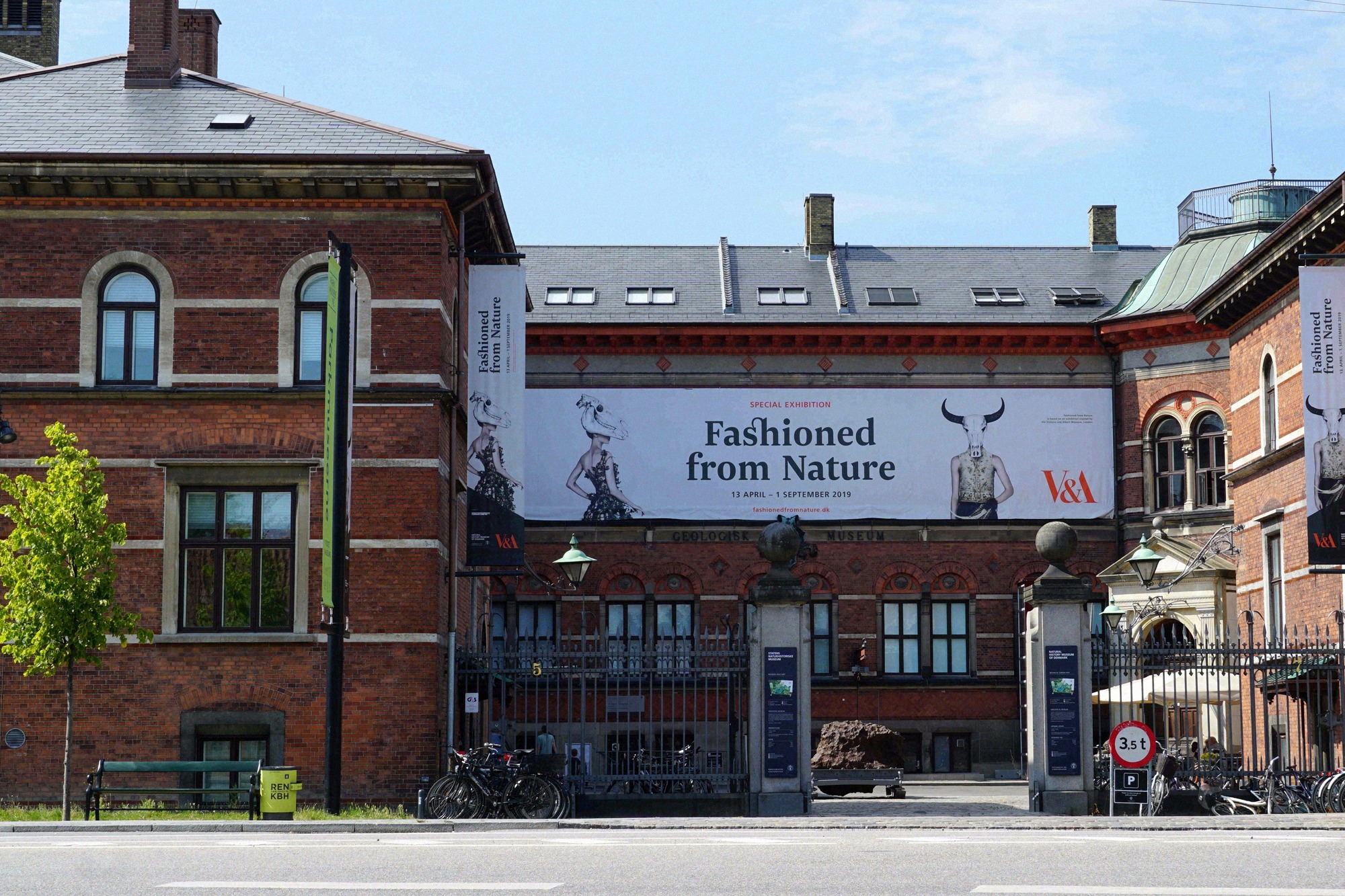
From early craft to the chair gallery of Wegner and Jacobsen designs, the collection in this rococo building traces the story of Danish design.