
Christianshavn
Canal district with houseboats & Christiania
This canal-cut island district of houseboats, colourful facades and the free town of Christiania is one of Copenhagen's most picturesque corners.
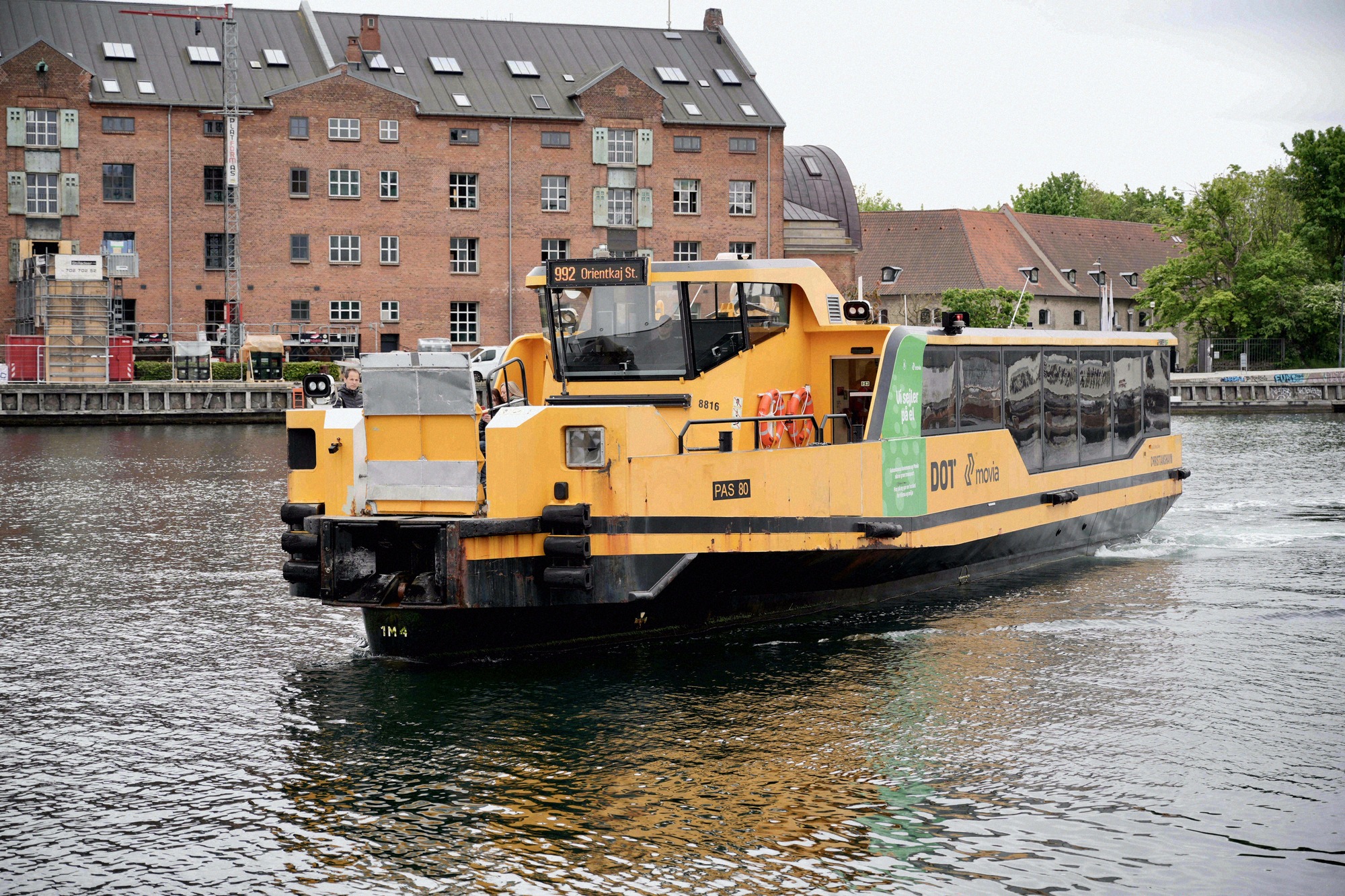
A little Amsterdam in Copenhagen
Christianshavn was laid out in the early 17th century by King Christian IV on reclaimed land, modelled on Dutch town planning, with rectilinear canals crossed by small bridges. Houseboats, colourful facades and cosy cafés line the waterways. The district is technically part of Indre By (the city centre), but feels like a little world of its own.
Church of Our Saviour and Christiania
Above the rooftops rises the golden spiral spire of Vor Frelsers Kirke (Church of Our Saviour). Right next door begins the self-governing free town of Christiania, with its self-built houses, workshops and concert stages. Together they make Christianshavn one of Copenhagen's most striking contrasts.
A walk along the water
The district is best explored on foot: along the Christianshavns Kanal, past houseboats and small squares, or out onto the modern peninsula of Holmen with the Opera House. Christianshavn is just one Metro stop or a short walk from the city centre.
Around Christianshavn
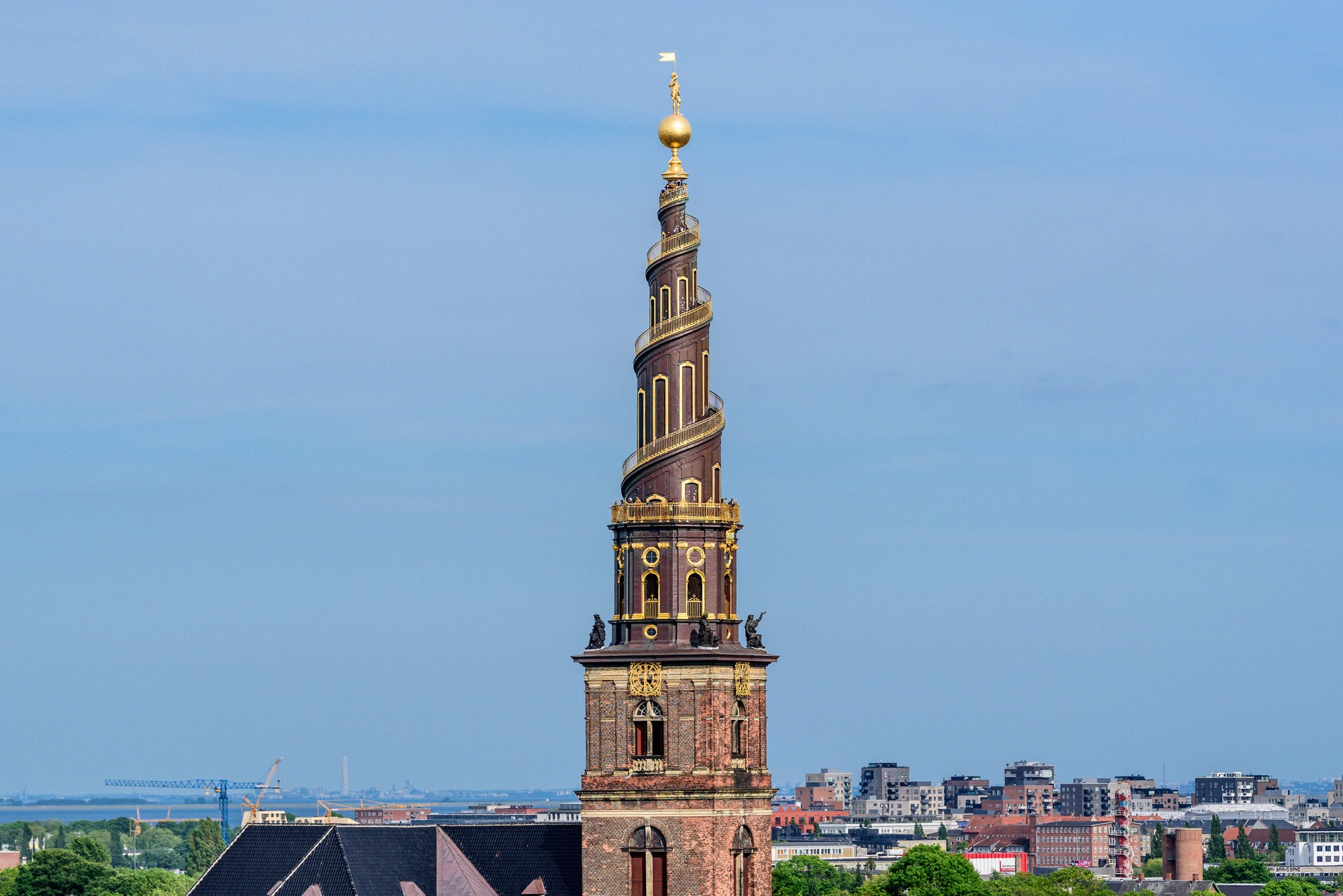
Church of Our Saviour
Vor Frelsers Kirke in Christianshavn is a baroque church with a golden spire and an external spiral staircase. 400 steps lead up to a viewing platform 90 metres above the city.
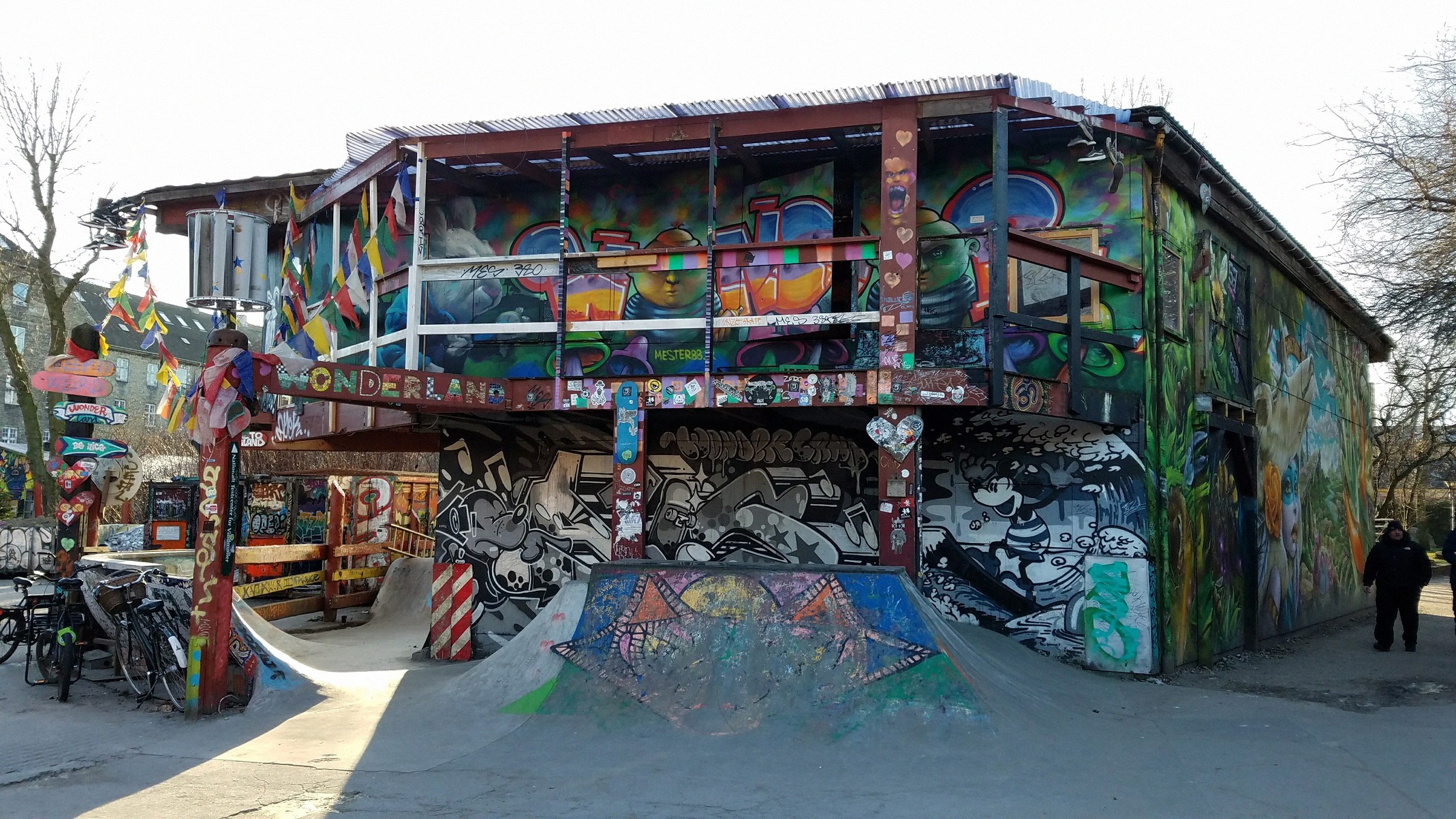
Freetown Christiania
The autonomous free town in Christianshavn has been a self-governed neighbourhood since 1971, with colourful houses, workshops, cafés and the live music venue Loppen.
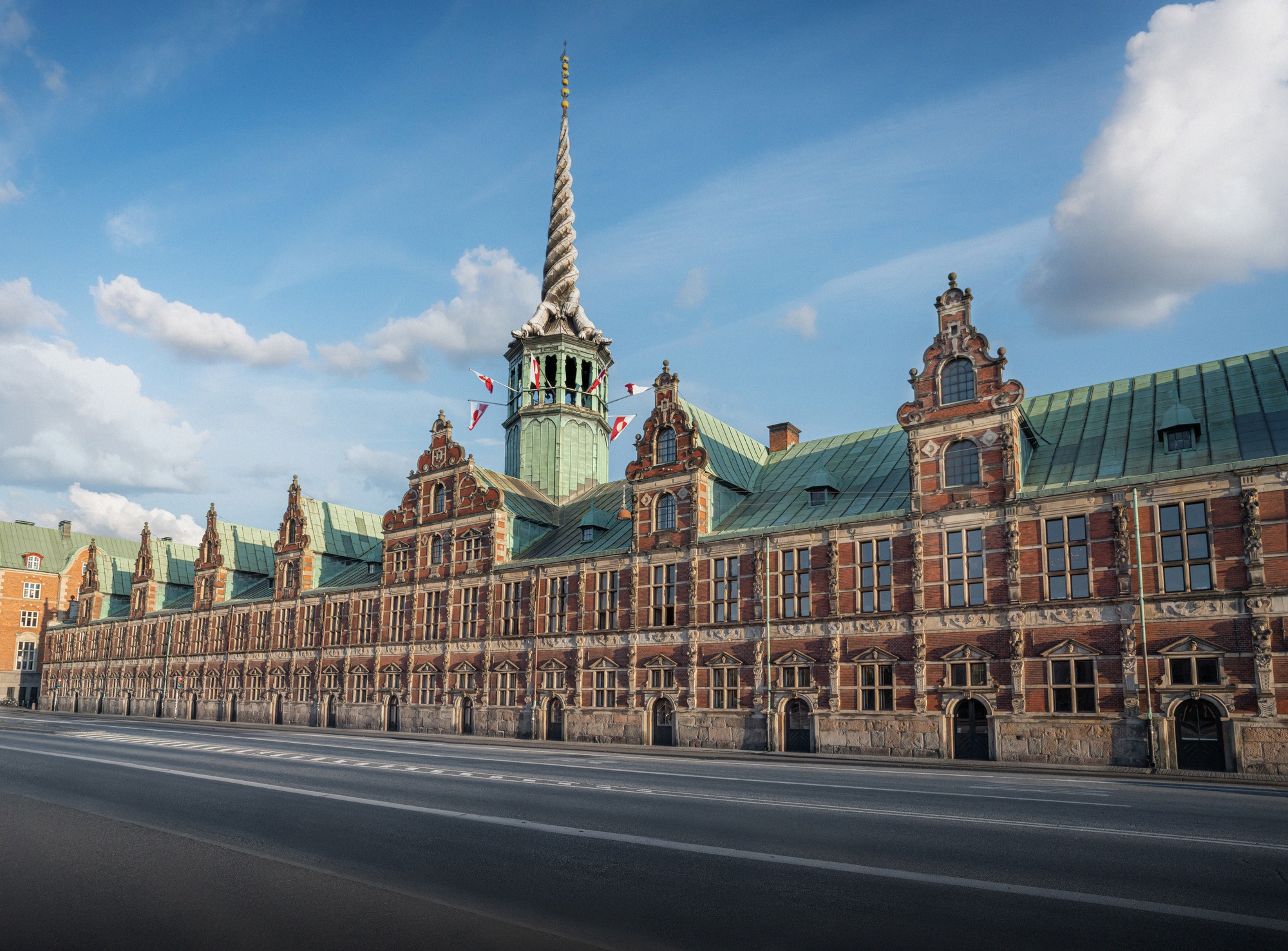
Børsen
Børsen, Copenhagen's old stock exchange on Slotsholmen, is famed for its dragon-tail spire, lost in a 2024 fire. Now a rebuild site with a free visitor centre.
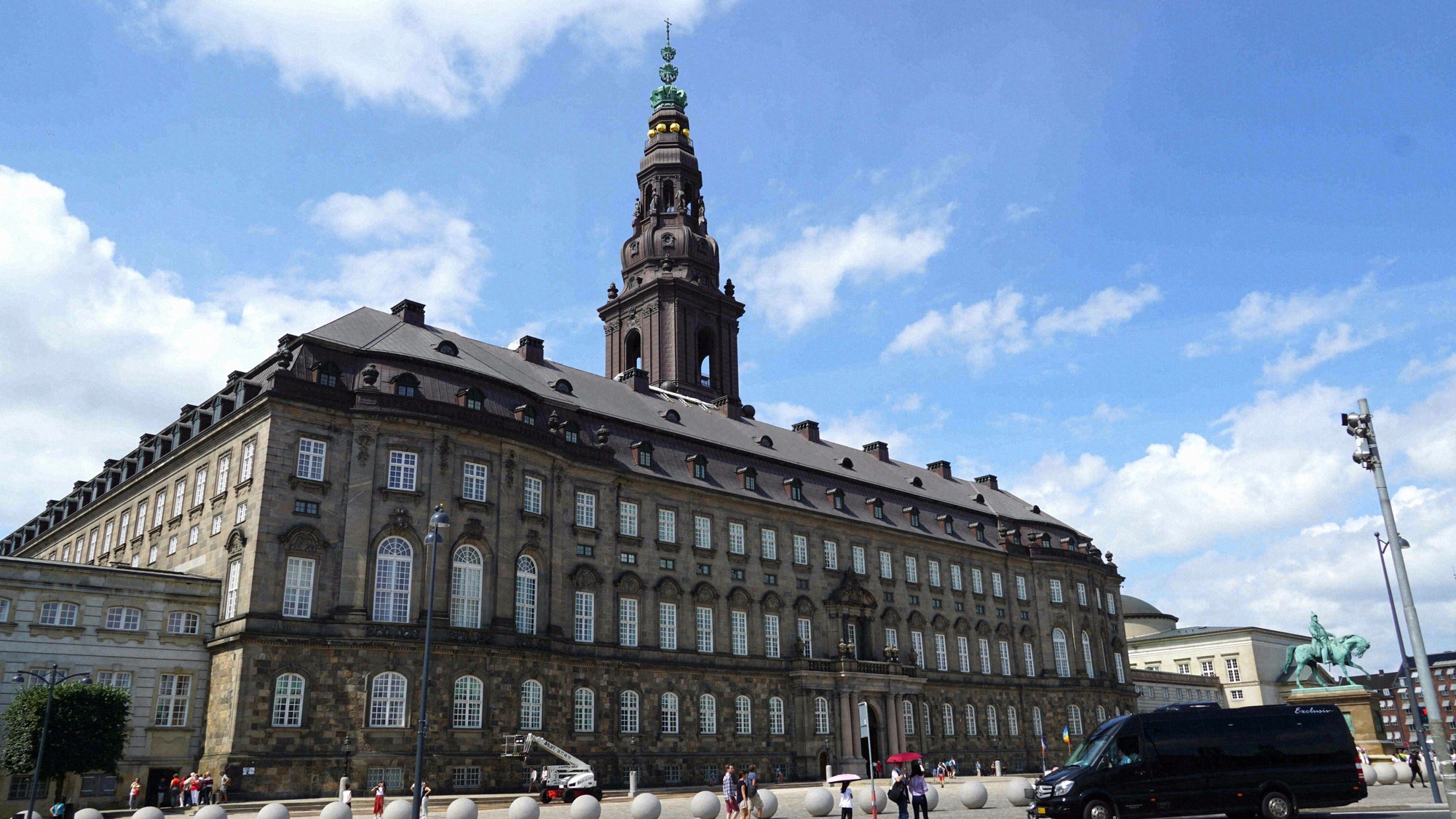
Christiansborg Palace
On Slotsholmen, Christiansborg houses Denmark's parliament, government and Supreme Court, plus royal reception rooms and the free, tallest tower in Copenhagen.
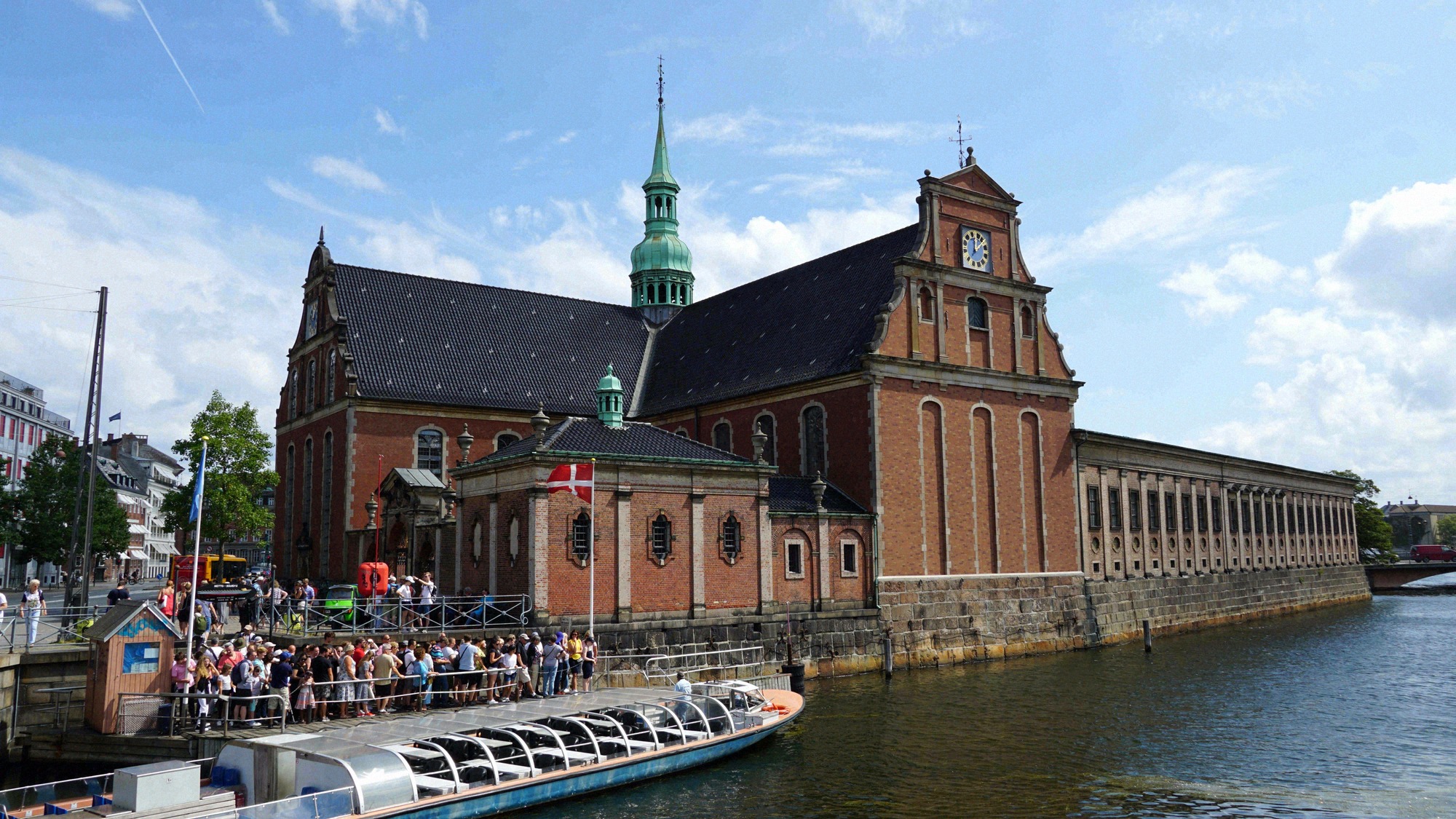
Holmens Kirke
Baroque naval and royal church opposite Christiansborg, where Queen Margrethe II married in 1967. 1661 altar, tombs of naval heroes, free admission.
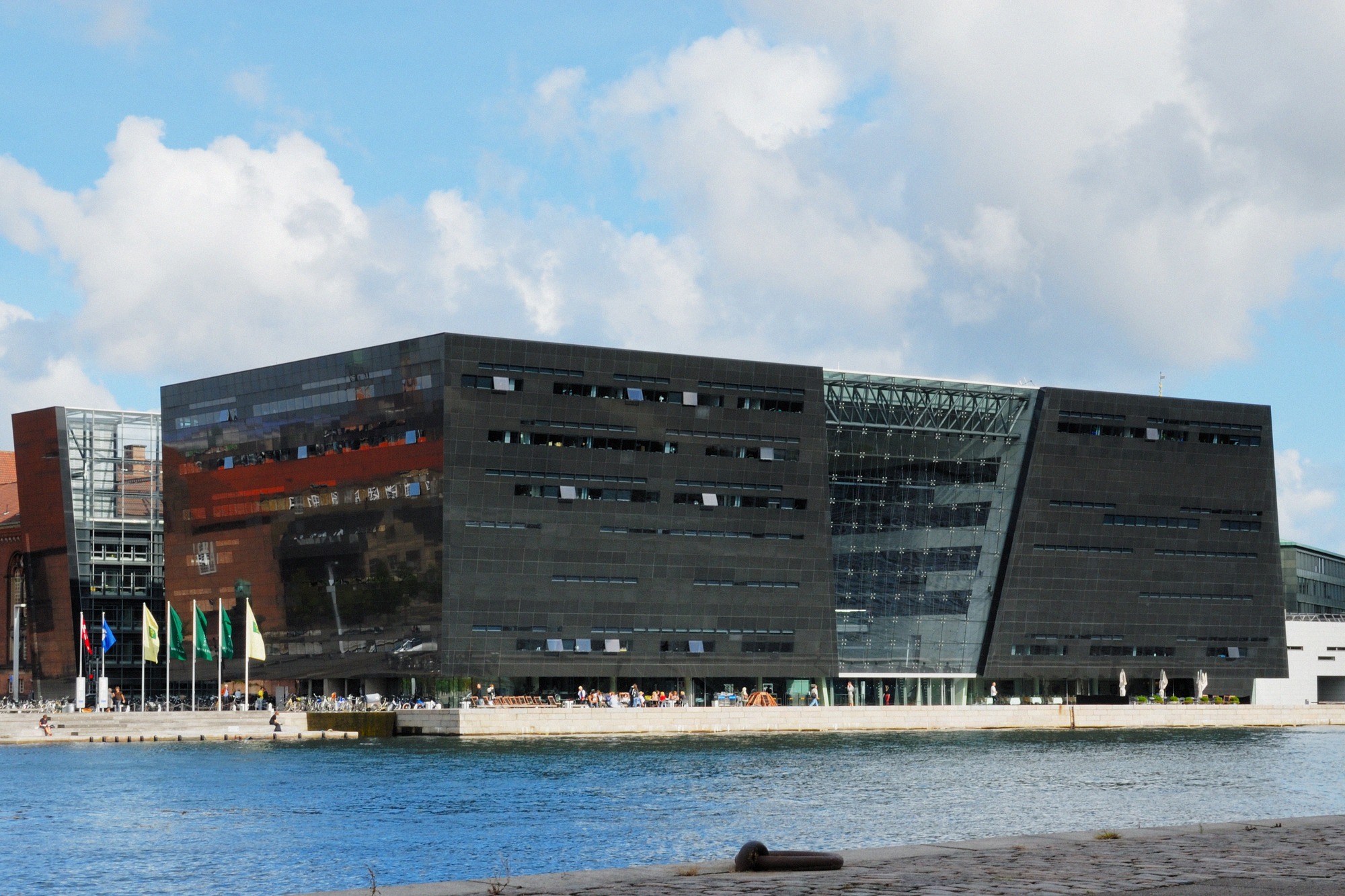
Royal Library
Det Kongelige Bibliotek on Slotsholmen: Denmark's National Library with the Black Diamond from 1999, free exhibitions and a harbourside café.
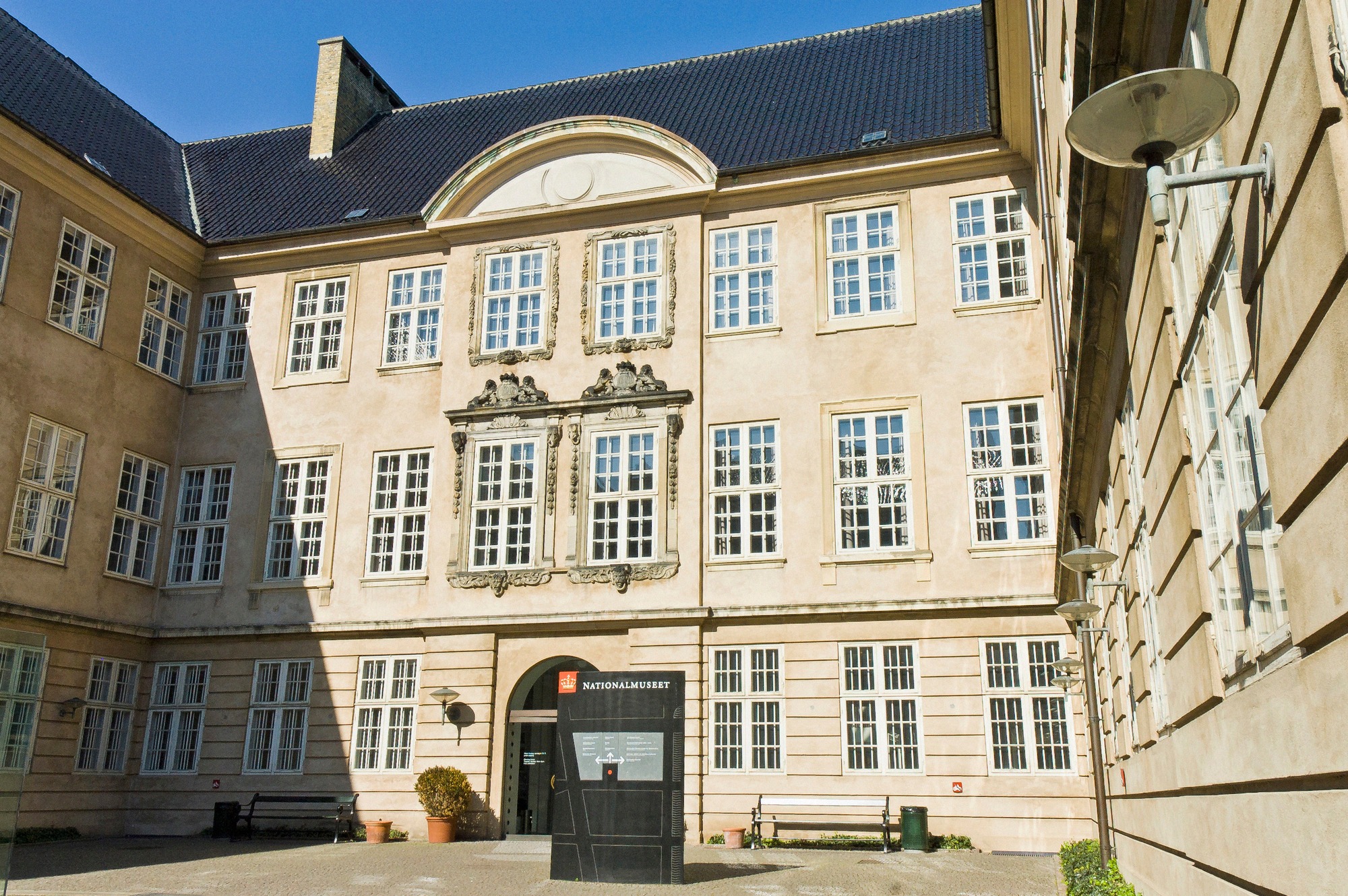
National Museum of Denmark
Denmark's largest museum of cultural history fills the former Prince's Palace with 14,000 years of the past, from the Trundholm Sun Chariot to Vikings and world cultures.
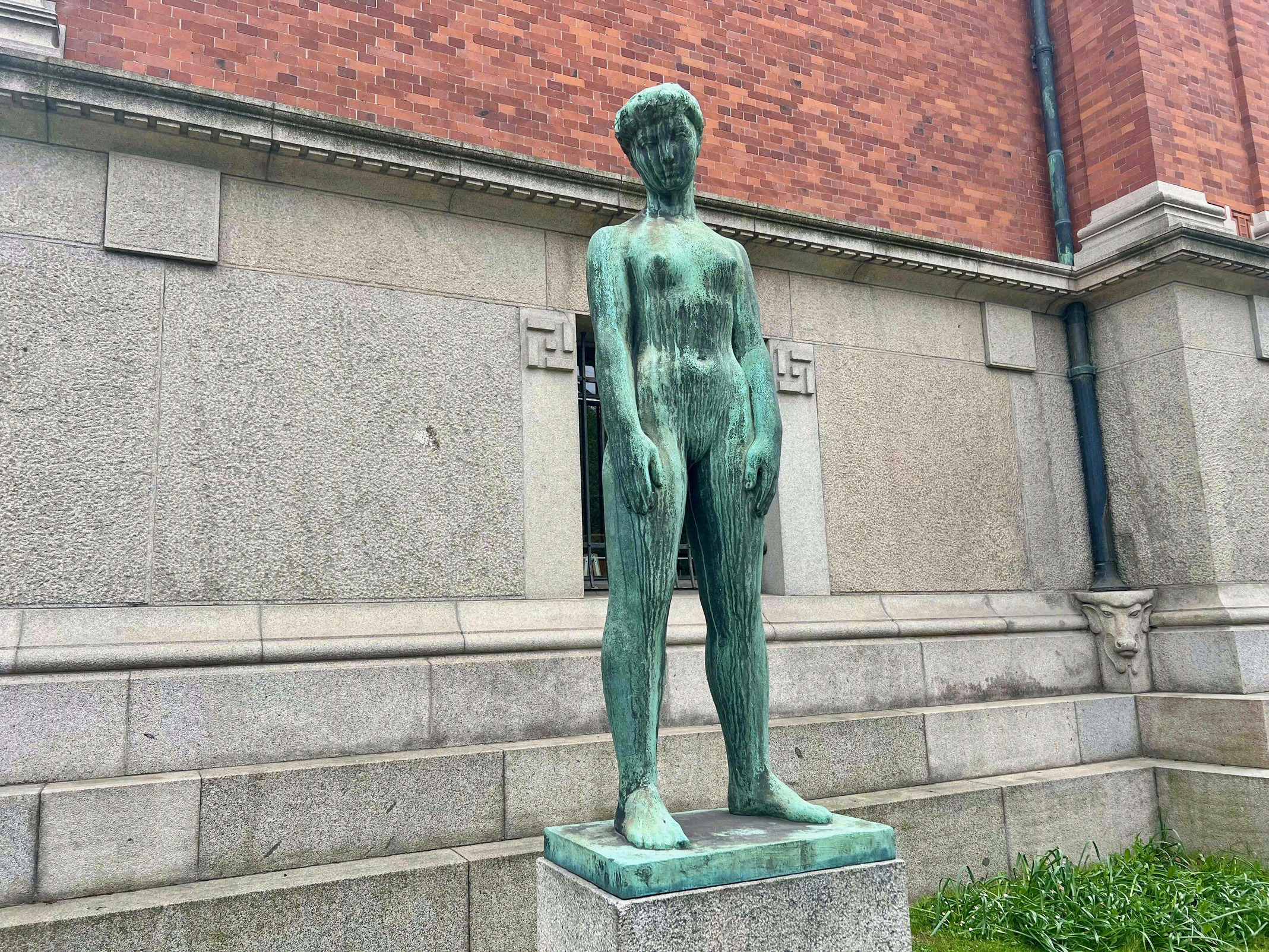
Ny Carlsberg Glyptotek
Brewer Carl Jacobsen's art museum brings together ancient sculpture, over 40 Gauguin works and one of the largest Rodin collections, around a glazed winter garden.
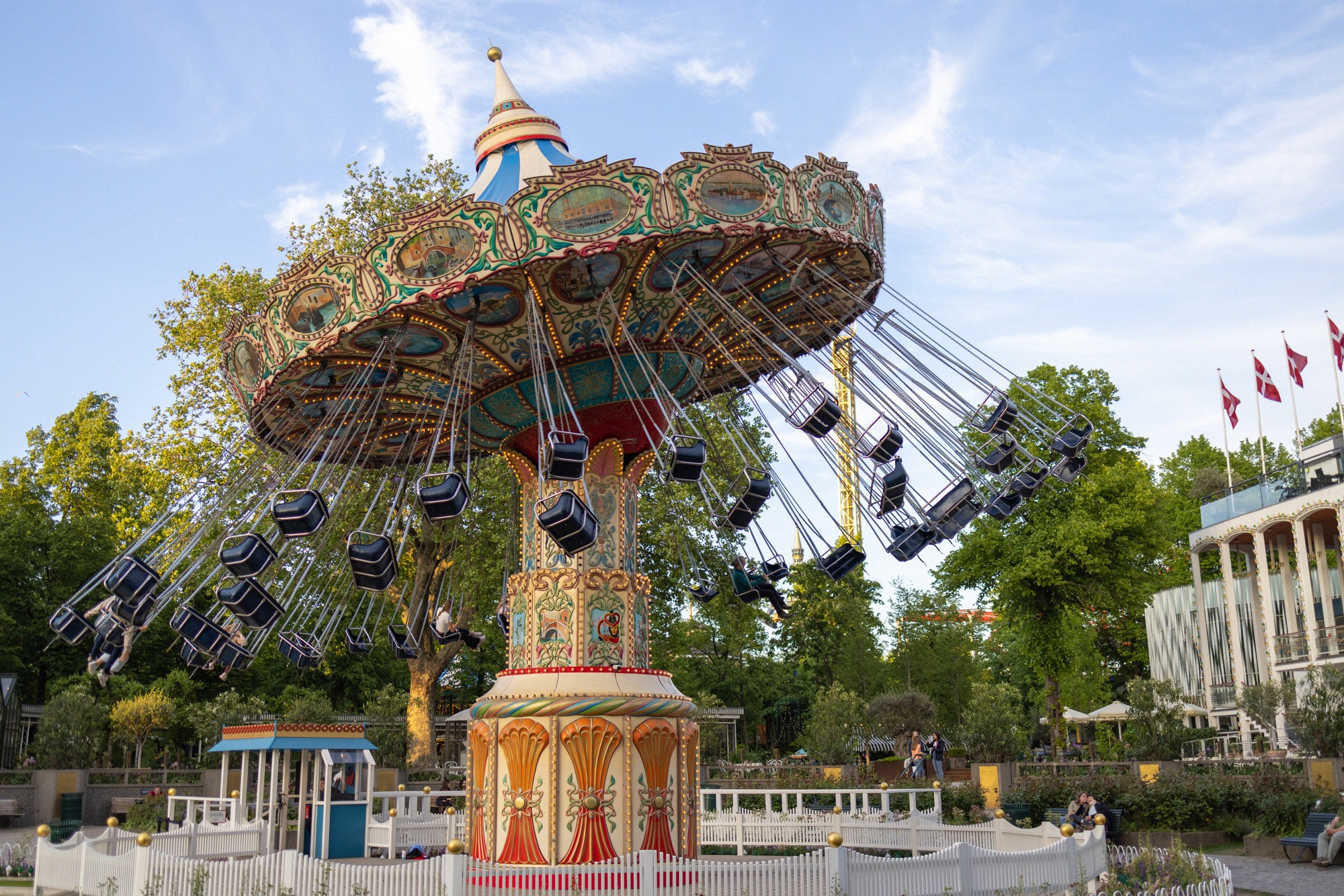
Tivoli
Opened in 1843 by Copenhagen Central Station, Tivoli is the world's second-oldest amusement park, with a historic wooden roller coaster, gardens, concerts and hundreds of thousands of lights.