
Kongens Nytorv
Baroque square with an equestrian statue and a metro station
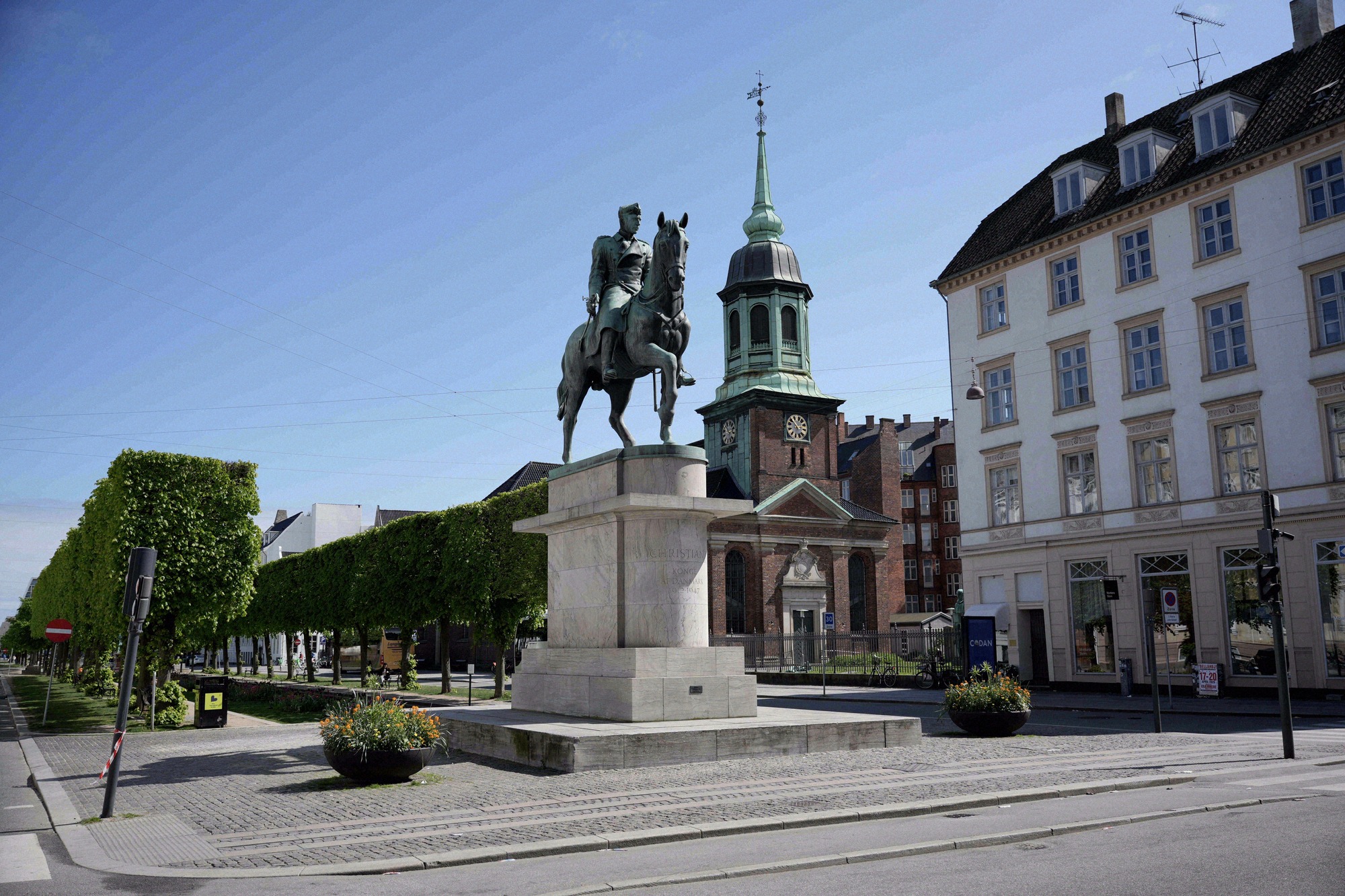
The square where Strøget ends and Nyhavn begins, with the statue of Christian V, the Royal Theatre, Hotel d'Angleterre, Magasin du Nord and a metro station beneath it.
Contents
Copenhagen's largest square, laid out in 1670 for Christian V, marks the end of Strøget and the start of the Nyhavn canal. The metro station lies directly beneath it, so you step out onto the square itself. From the station it is about 7 minutes' walk to Nyhavn, about 10 to the Marble Church (Marmorkirken) and about 12 to Amalienborg Palace. Strøget begins at the western edge of the square.
The statue and the harlequin paving
The square is mentioned as "det ny torff", the new market, as early as 1647. It was redesigned in 1908 and again from 2003 to 2005, when the harlequin pattern was laid in the paving and the tops of the lamp posts were gilded.
The oval lawn called Krinsen carries the equestrian statue of Christian V. Abraham-César Lamoureux cast the first version in 1688 in gilded lead. The bronze figure that stands there now was cast by Einar Utzon-Frank between 1939 and 1942 and unveiled on 22 May 1946. A figure at the horse's feet represents envy. In summer, school-leavers dance around the statue, and between events the city sometimes sets up open-air exhibitions on the square, often of photography.
A circuit of the facades
The facades can be covered in a ten-minute circuit. Stand at the statue with the theatre behind you, then walk anticlockwise past Thotts Palæ and Charlottenborg Palace to Magasin du Nord and the hotel. That way you see every building face-on from the middle of the square before you get close to it. Baroque, neoclassical and later facades stand close together here, so it pays to look up.
Charlottenborg is a baroque palace that houses the art academy and the Kunsthal. Thotts Palæ was built from 1683 to 1686 as Juels Palæ by Lambert van Haven, rebuilt in neoclassical style in 1763 and has belonged to the French state since 1930. Magasin du Nord has had its present form since 1893/94, to designs by Henri Glæsel and Albert Jensen. In rain it is the dry way from the metro, because the escalators lead straight into the store.
The Gamle Scene and its Pegasus
A winged Pegasus stands on the gable of the Royal Theatre's historic house, and statues of Holberg and Oehlenschläger sit in front of the entrance. The architects Vilhelm Dahlerup and Ove Petersen won a competition in 1871, and the house opened on 15 October 1874. It seats about 1,400, has a royal box and has been a listed building since 1985. The decoration was only finished in 1883, nine years after the opening. A theatre has stood on this site since 1748. The Opera House on Holmen followed in 2005 and the playhouse on the harbour in 2008, but the Gamle Scene remained the historic house.
Hotel d'Angleterre
The hotel began in 1755 as a residential house and has carried its name since 1791. It burned down in the fire of 1795, and in 1875 Vilhelm Dahlerup rebuilt it in its present form. Hans Christian Andersen lived here in 1860. After several years of conversion, the first 35 rooms reopened on 1 May 2013, and the hotel now has 90. You do not have to stay overnight: a coffee in the lobby is enough to see the rooms.
Ice rink and winter market
The ice rink runs from mid-November to 30 December, and the square is empty again afterwards. The winter market has 26 stalls, and the equestrian statue then stands among them.
Frequently asked questions
How does the ice rink work? +
When is the winter market open? +
Can you see the inside of the Royal Theatre? +
Nearby
Charlottenborg Palace
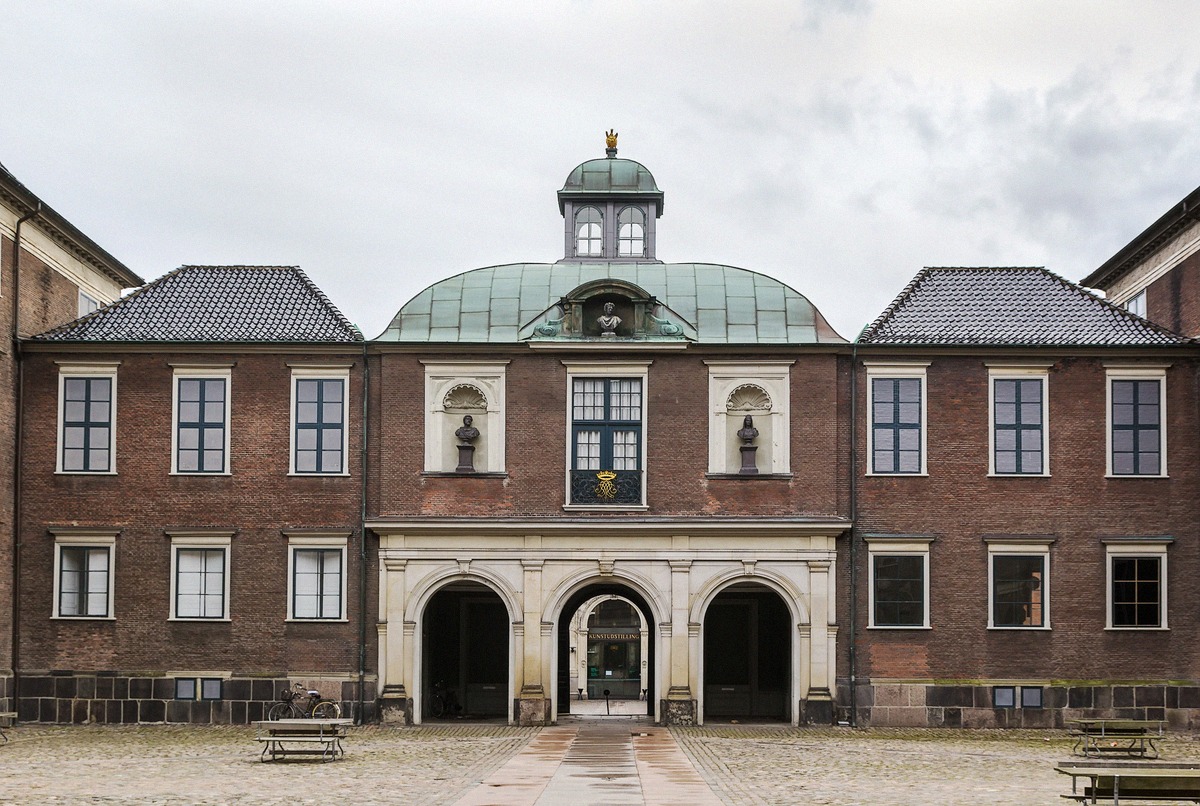
The palace on Kongens Nytorv, built from 1672 for a half-brother of Christian V, houses the art academy and Kunsthal Charlottenborg with changing contemporary art.
Nyhavn
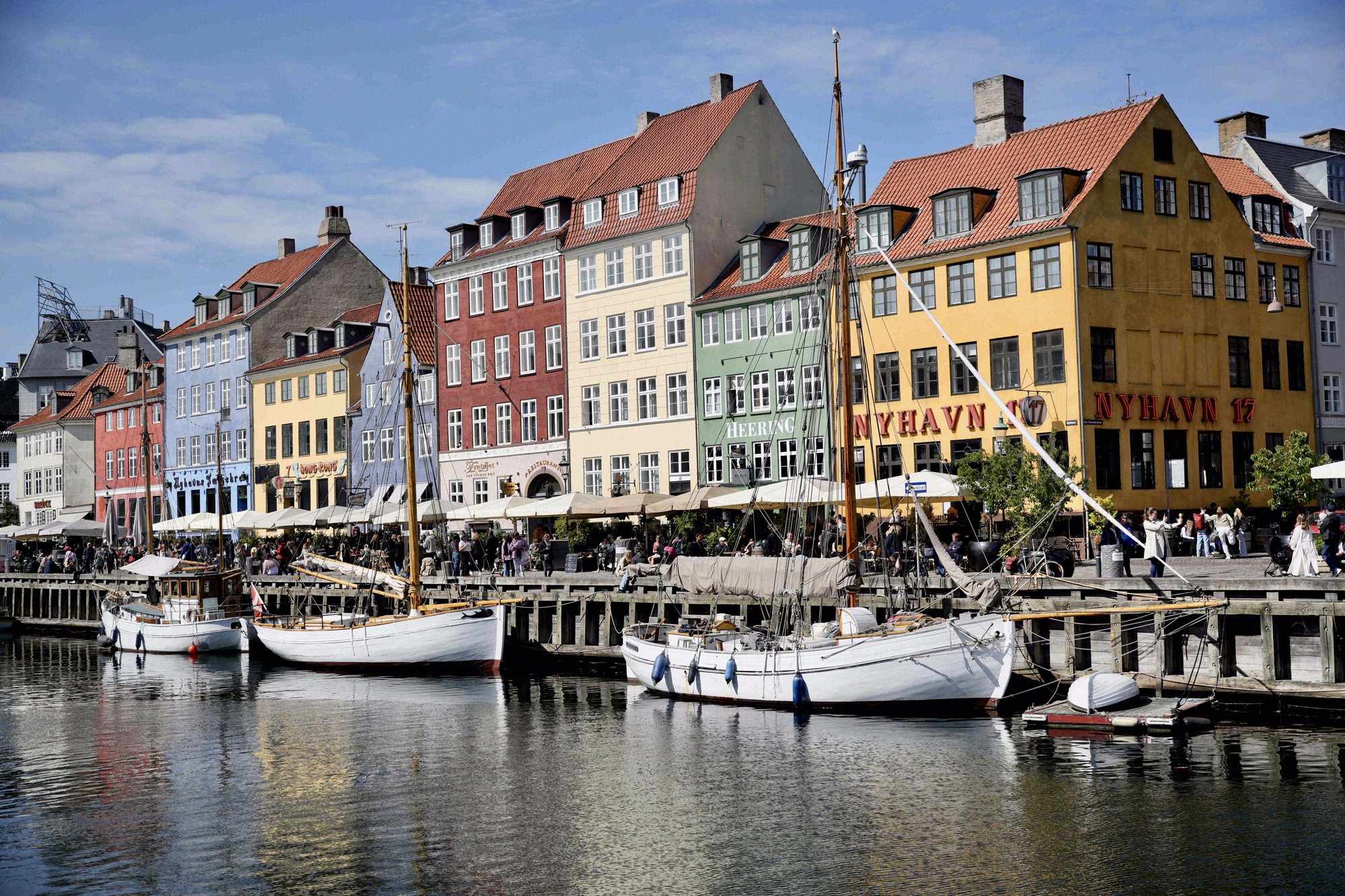
The canal dug in the early 1670s, with number 9 as the oldest house, three addresses of Hans Christian Andersen, the canal tour boats and the bridge to Christianshavn.
Holmens Kirke
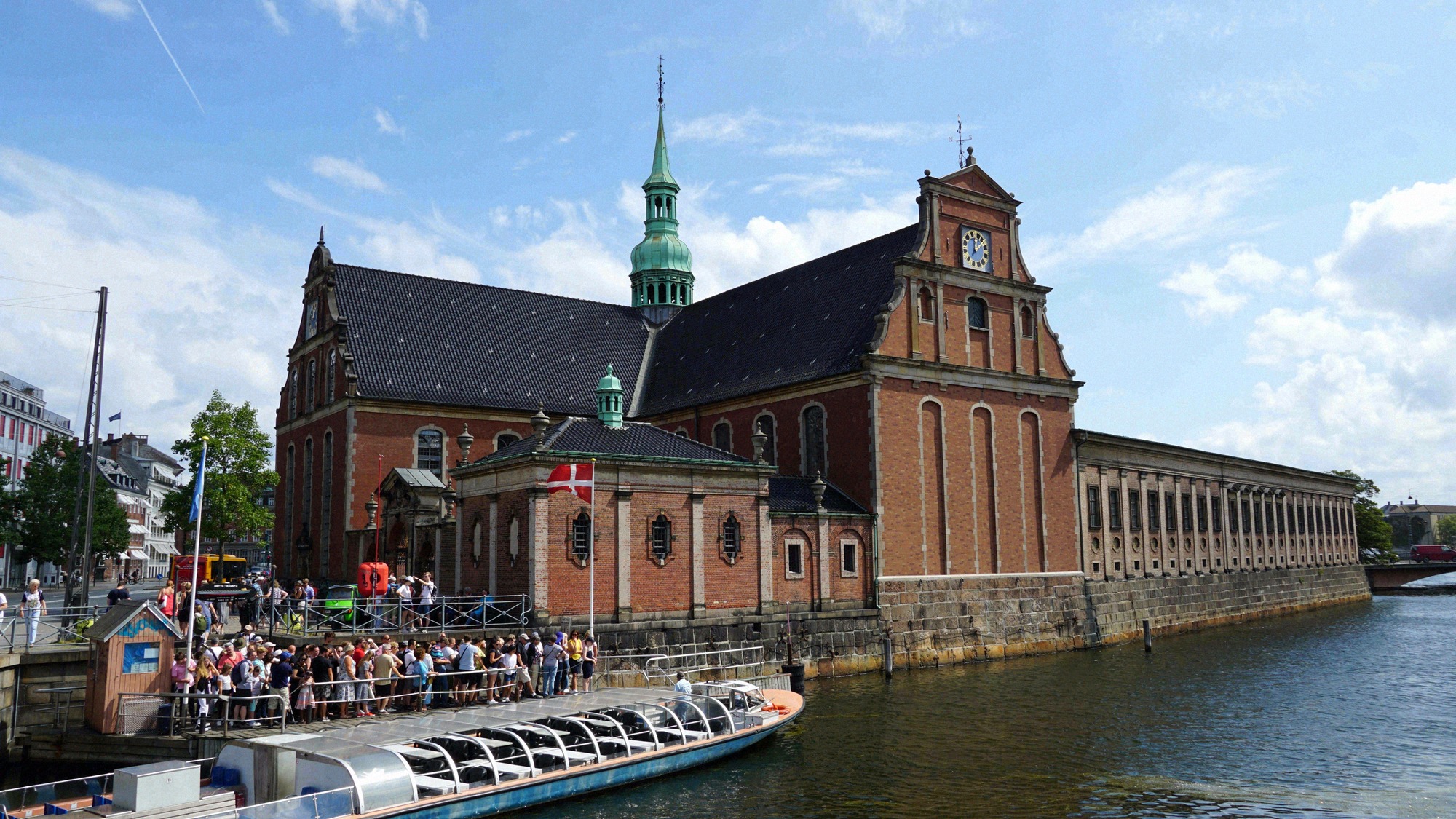
Holmens Kirke began in 1619 as an anchor forge of the navy turned church. Altar of 1661, the tombs of Niels Juel and Tordenskjold, the wedding of Margrethe and Henrik in 1967.
Børsen
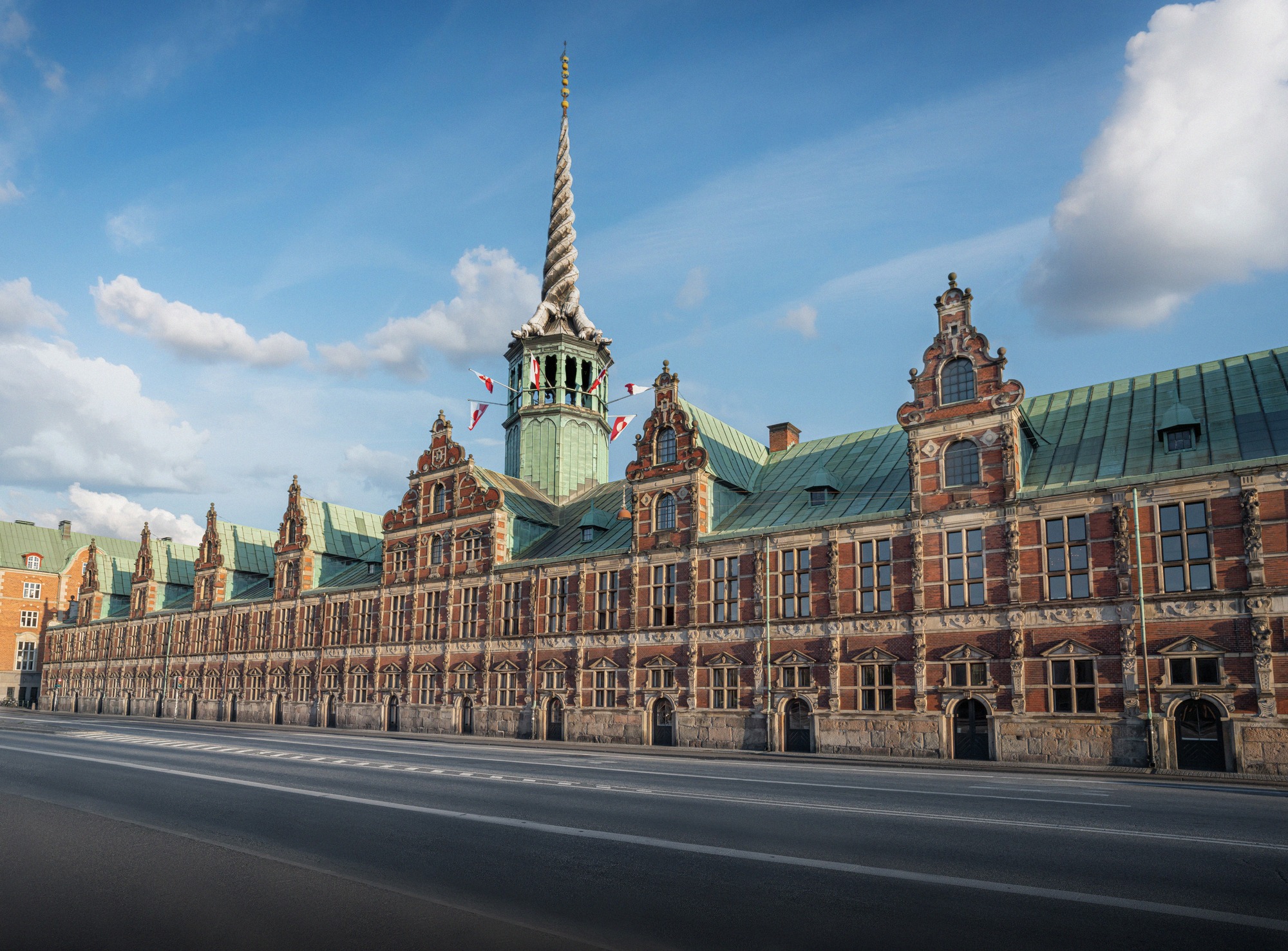
Børsen, the old stock exchange on Slotsholmen, has been a building site under a protective cover since the fire of 16 April 2024. A free visitor centre on Børsgade shows building parts and the progress of the rebuilding.
Marble Church (Marmorkirken)
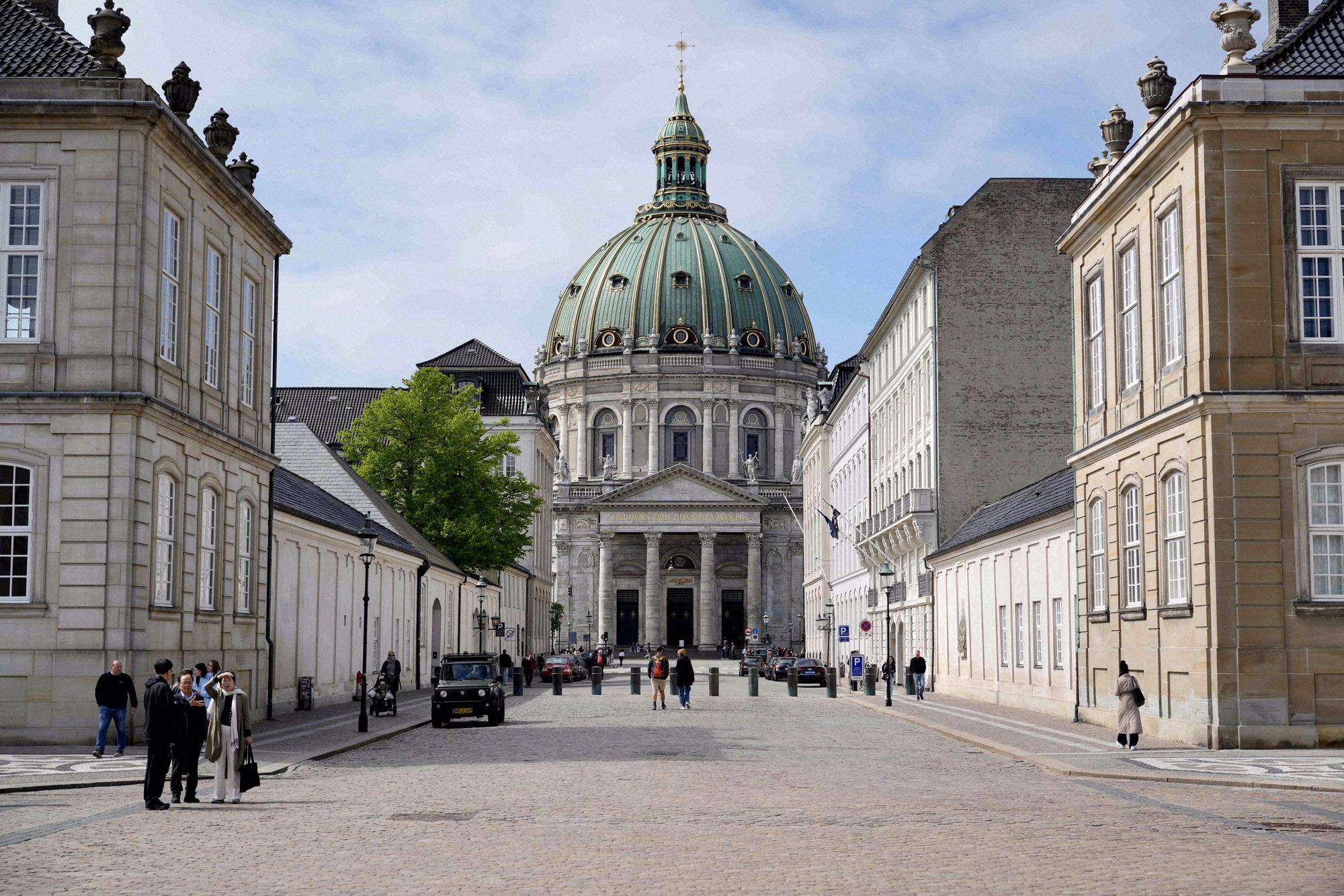
The Marble Church (Marmorkirken), officially Frederik's Church, stands on Frederiksgade in line with Amalienborg Palace. The church is free, and the dome tour runs on Saturdays and Sundays at 13:30.
Church of the Holy Spirit (Helligåndskirken)
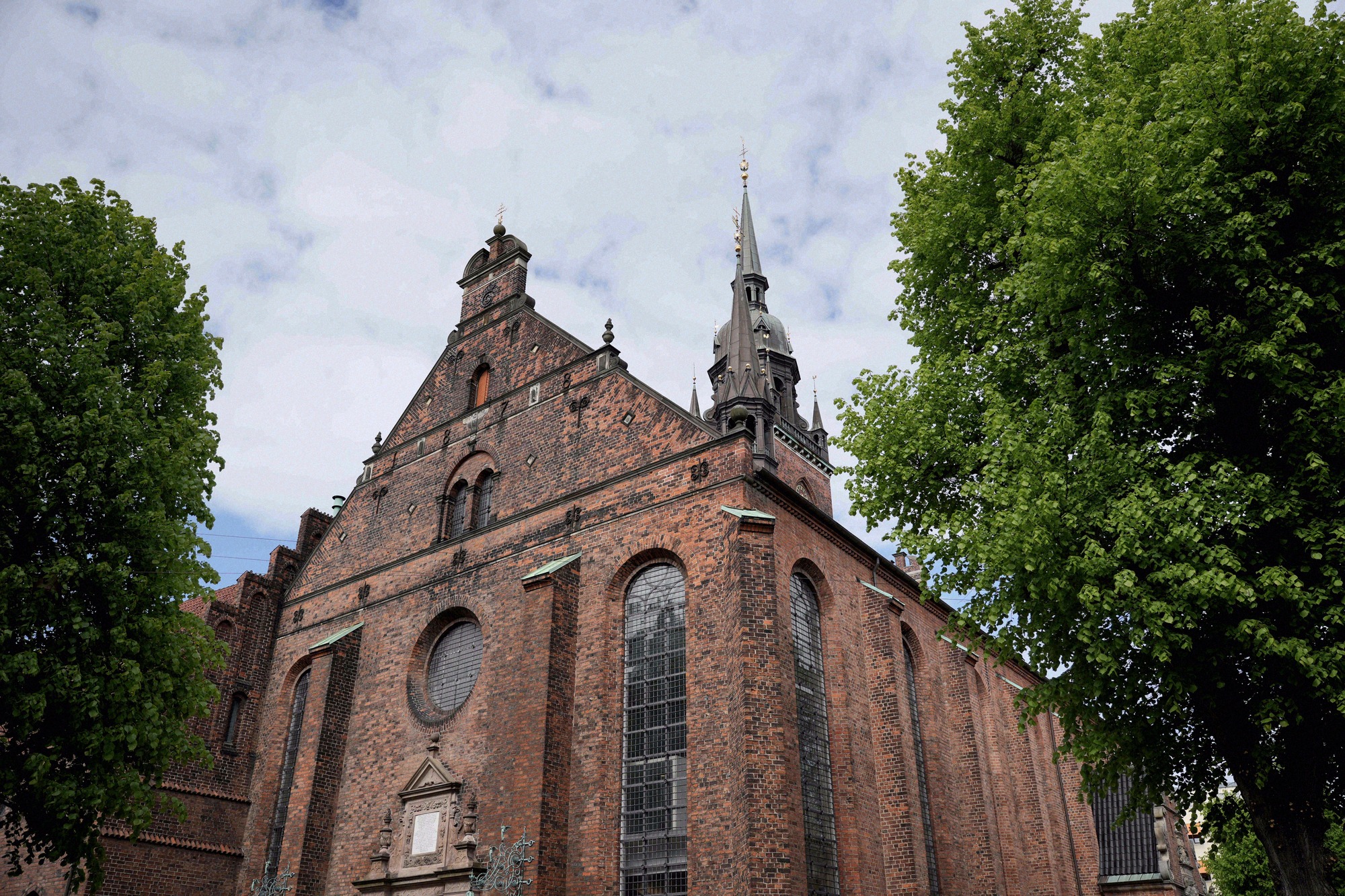
The Church of the Holy Spirit on Amagertorv goes back to a hospital of the late 13th century. The Helligåndshuset survives from the monastery, and the parish also holds services in Greenlandic.