
Holmens Kirke
Naval church of the Danish crown
Baroque naval and royal church opposite Christiansborg, where Queen Margrethe II married in 1967. 1661 altar, tombs of naval heroes, free admission.
Contents
The church of the Danish navy
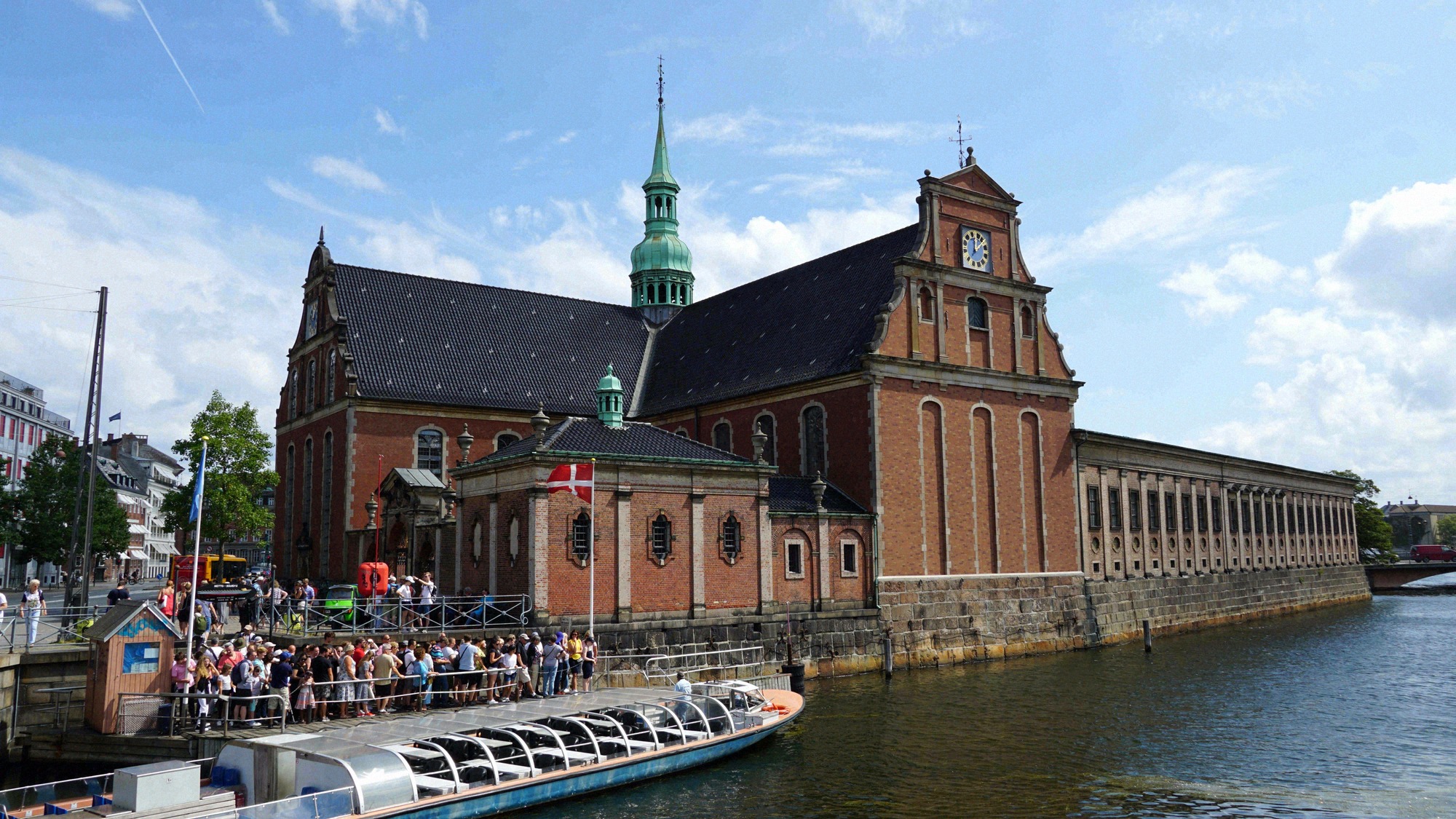
Holmens Kirke stands on Holmens Kanal, directly opposite Christiansborg Palace on Slotsholmen. It's the church of the Danish navy and has been tied to the crown for centuries, best known as the place where the future Queen Margrethe II married on 10 June 1967, to the French Count Henri de Laborde de Monpezat (later Prince Henrik), in a ceremony conducted by Bishop Erik Jensen.
Unlike the city's big tourist churches, this one stays quiet. If you're wandering through Indre By (the city centre) and happen to be passing along the canal anyway, the modest-looking building can be seen in 20 to 30 minutes, admission is free.
From anchor forge to royal church
The building's origins are unusual: in 1562, under Christian III, a low, long anchor forge for the naval dockyards was built here, tucked behind a Renaissance tower so it wouldn't spoil the view from the palace. When Christian IV settled naval troops on the Holmen, they needed a church of their own. A new forge was built in 1617, the old workshop building was repurposed, and it was consecrated as a church in 1619.
That's why Holmens Kirke, unlike almost every other church, doesn't face east: the secular building it replaced had its entrance on the south-east side. The old Renaissance tower survived and has served as the bell tower ever since. In 1641, Leonhard Blasius extended the church into today's cross-shaped floor plan, incorporating the tower as the west gable and raising the building to the tower's height. The foundation is built from the old granite blocks, the newer sections from yellow brick, and red-and-yellow brickwork is painted onto the plaster of the new gables so the look matches the tower.
Altar, pulpit and burial chapels
The interior has survived fires, sieges and bombardments and still dates largely from the 17th century. The centrepiece is the magnificent 1661 altar by woodcarver Abel Schrøder (1606-1676), who also carved the pulpit. The stucco ceiling was added in 1776, alongside three baptismal fonts and around 150 memorial tablets.
Small burial chapels were added to the church in the late 17th century, one in 1697 for Admiral Niels Juel, followed by the larger chapel on the canal side in 1705-1708. The church and its burial chapel hold two of Denmark's most famous naval heroes, Niels Juel and Peter Tordenskjold, as well as the composer Niels Wilhelm Gade. The crypt itself is only accessible to relatives by appointment; on a regular visit you see the church interior with its tomb monuments.
Visiting: the practicalities
20 to 30 minutes is enough for a visit. The church is open Mon-Sat 10:00-16:00, Sunday 12:00-16:00 and on public holidays 12:00-14:00. Because it's an active parish and naval church, it can close at short notice for services, weddings or concerts, current times are on the official website. It's quietest on weekday mornings, outside Sunday services.
- Admission: free, no separate charge.
- Accessibility: the main entrance has three steps and no ramp. Wheelchair users can use the side door in the north-west transept facing Holmens Kanal, where there's only a low step with a ramp inside. The church verger will unlock the door on request; Slotsholmen opposite is a suitable drop-off point.
Getting there & combining your visit
Holmens Kirke sits on Holmens Kanal opposite Christiansborg, in the heart of Indre By and a few minutes' walk from Strøget and Kongens Nytorv. A visit fits neatly into a walk around Slotsholmen.
Right opposite is the free viewing tower at Christiansborg, and the National Museum of Denmark is another highlight within walking distance. If you want to see more of Copenhagen's churches, pair Holmens Kirke with the nearby Copenhagen Cathedral (Vor Frue Kirke) and the twisting spire of the Church of Our Saviour in Christianshavn. For more planning ideas, see the overview of attractions.
Frequently asked questions
How much does it cost to visit Holmens Kirke? +
Who is buried in Holmens Kirke? +
Did Queen Margrethe really get married here? +
Is the church wheelchair accessible? +
Nearby
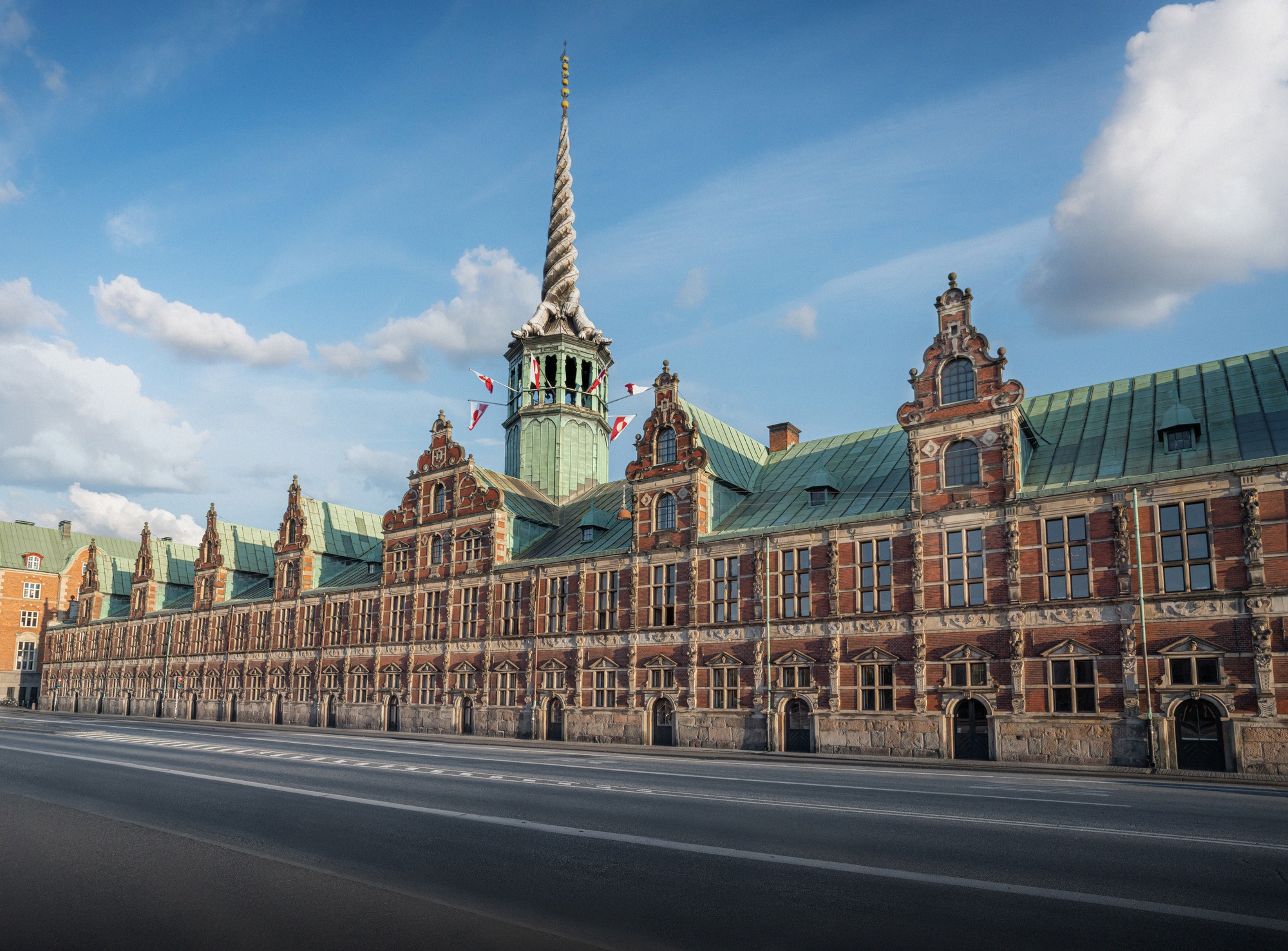
Børsen
Børsen, Copenhagen's old stock exchange on Slotsholmen, is famed for its dragon-tail spire, lost in a 2024 fire. Now a rebuild site with a free visitor centre.
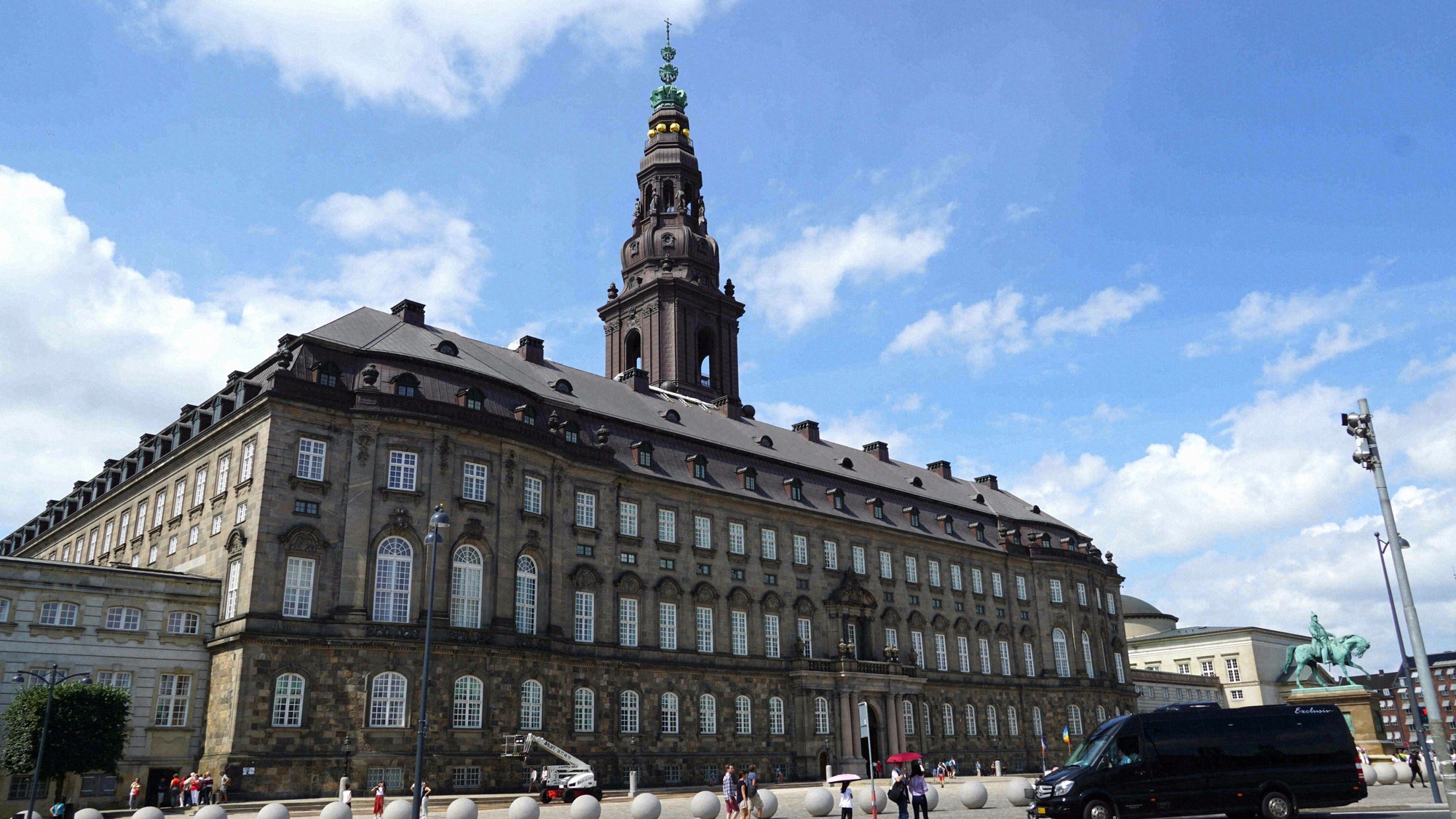
Christiansborg Palace
On Slotsholmen, Christiansborg houses Denmark's parliament, government and Supreme Court, plus royal reception rooms and the free, tallest tower in Copenhagen.
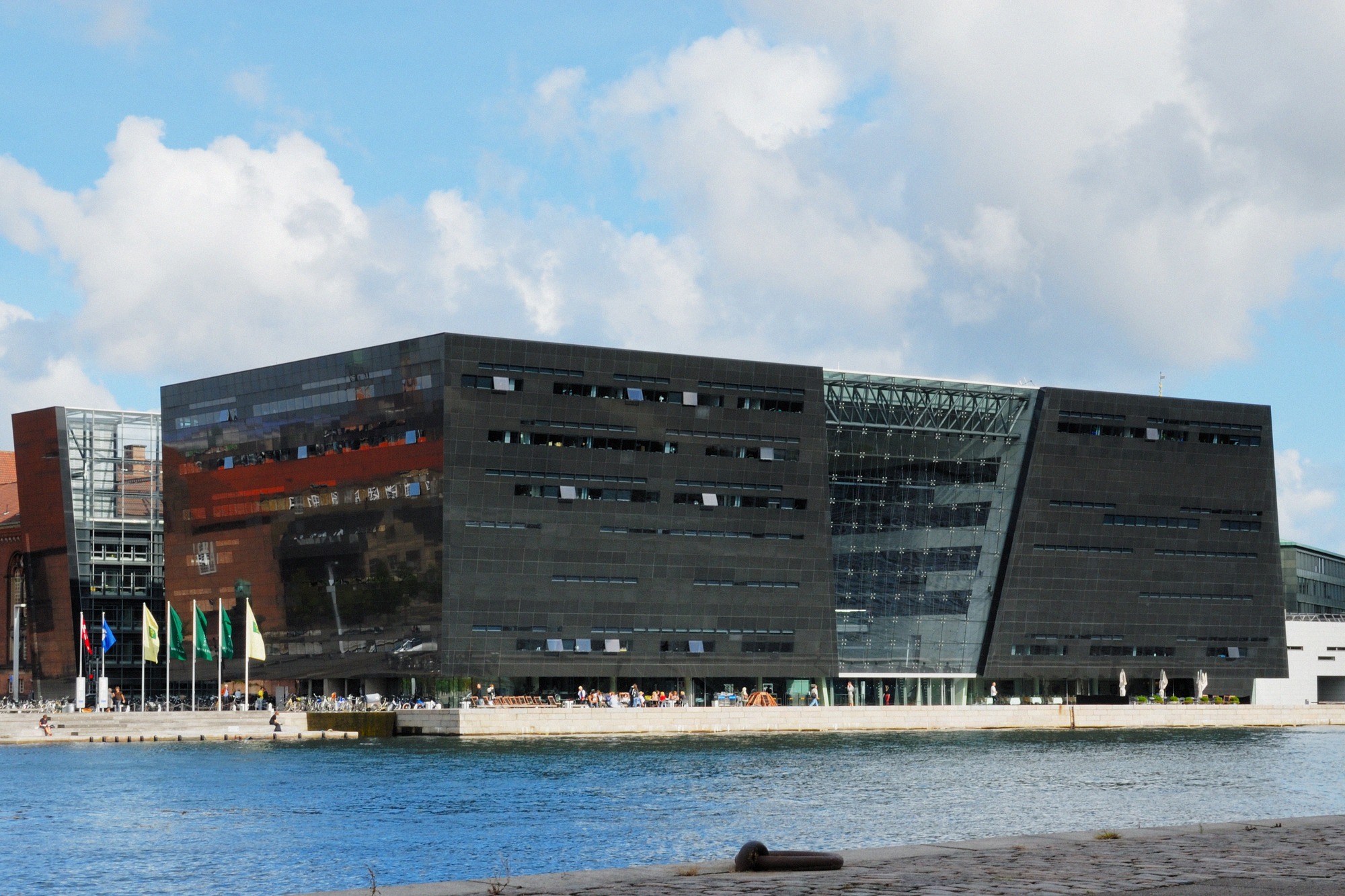
Royal Library
Det Kongelige Bibliotek on Slotsholmen: Denmark's National Library with the Black Diamond from 1999, free exhibitions and a harbourside café.
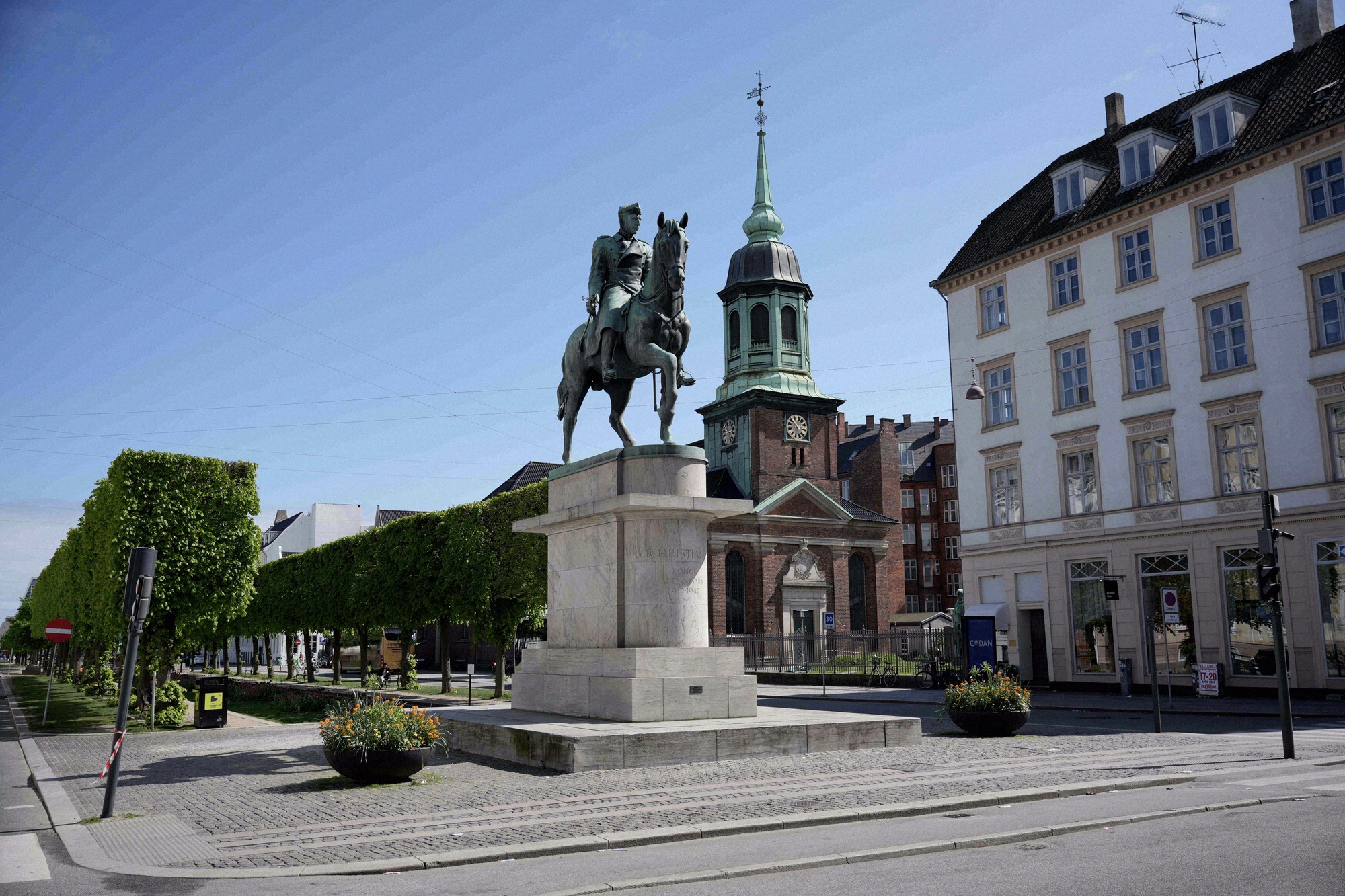
Kongens Nytorv
Copenhagen's largest square, with an equestrian statue, the Royal Theatre, Charlottenborg and Magasin du Nord, open around the clock, with an ice rink and Christmas market in winter.
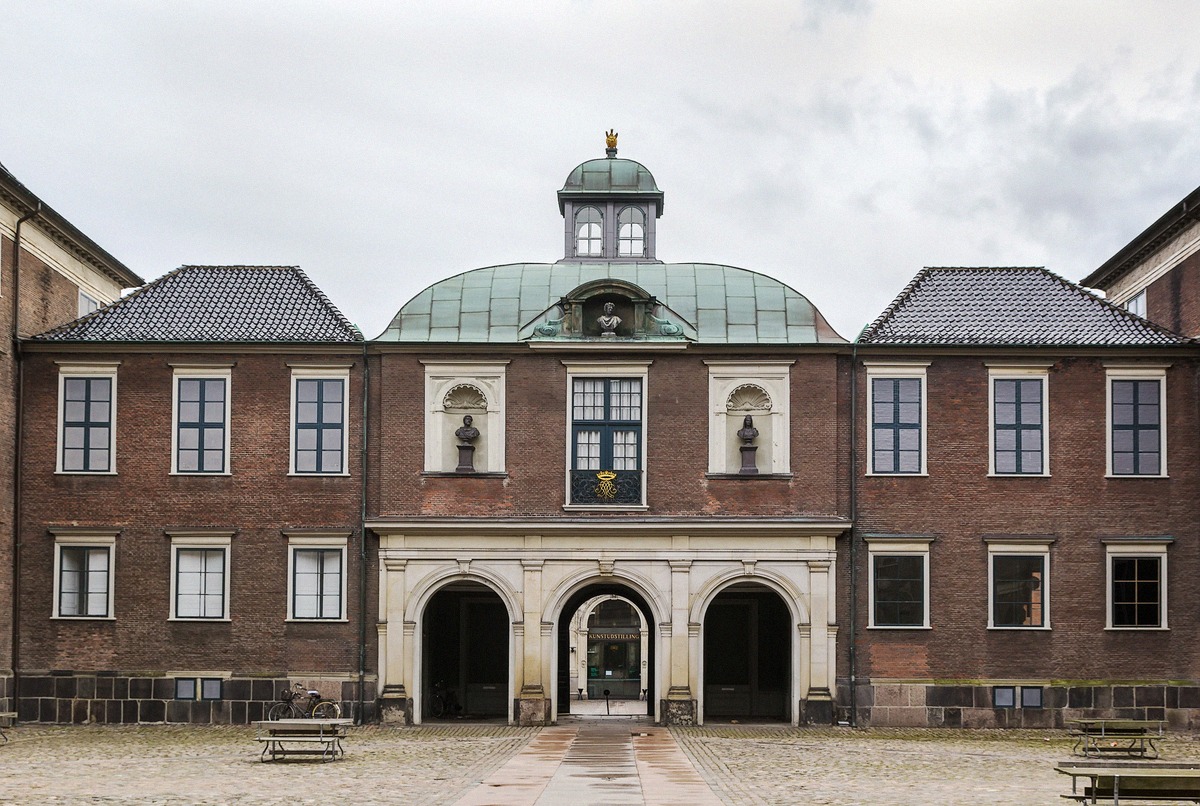
Charlottenborg Palace
Charlottenborg Palace on Kongens Nytorv houses Kunsthal Charlottenborg, a major contemporary art hall in the Baroque Royal Danish Academy of Fine Arts.
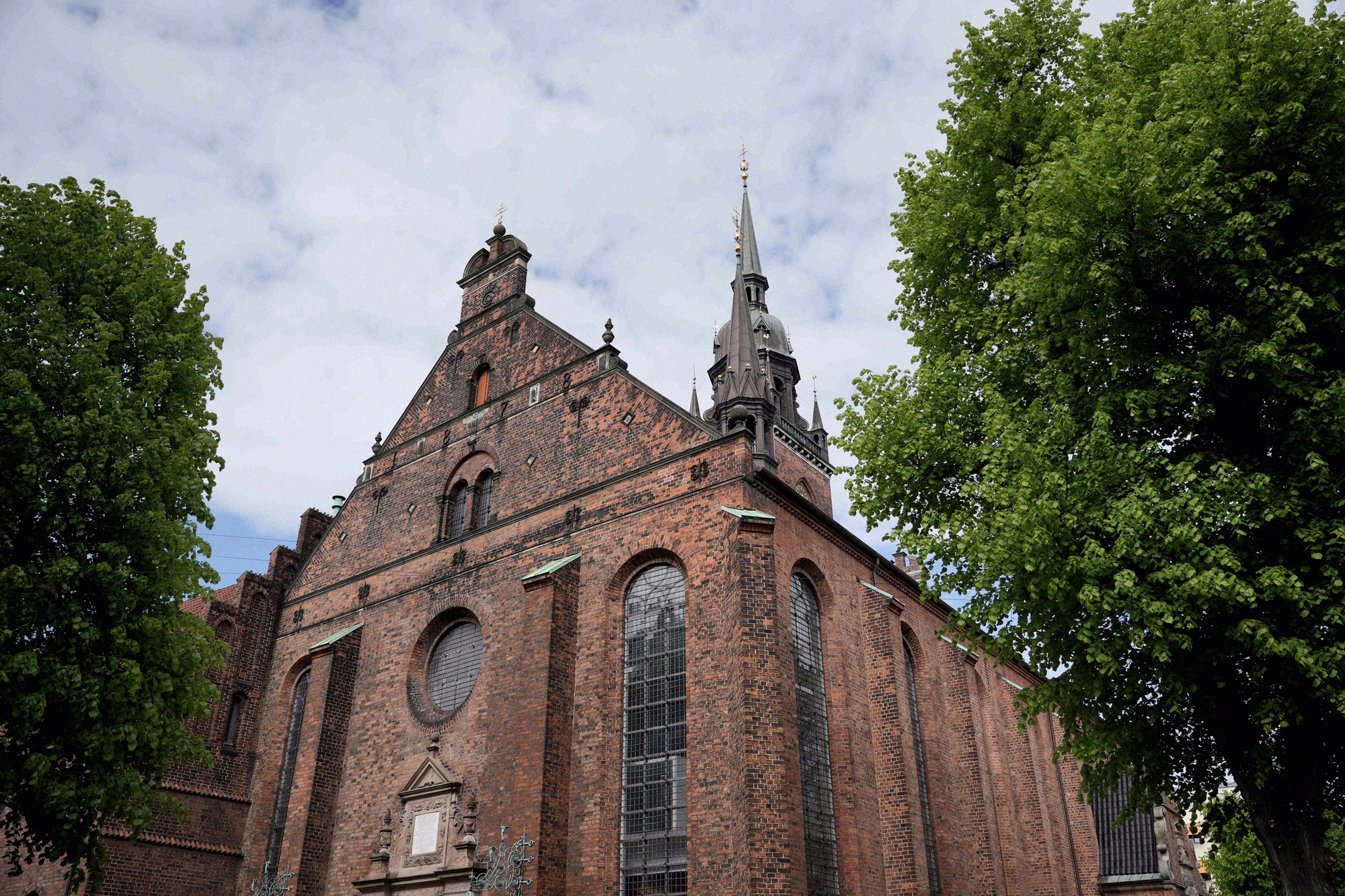
Helligåndskirken
Medieval Church of the Holy Spirit right on Strøget by Amagertorv. Reopened in March 2026 after a two-year renovation, with a Greenlandic congregation.